×

Germany🇩🇪 | national parksLüneburger Heide
purple heather, sandy paths, sheep grazing | things to do and best time to go

Explore JasmundExplore Müritz

Backpacking in Lüneburger Heide
🌟 Highlightnational park ranked #13
By Johan Kruseman 🇳🇱 | Updated May 3, 2026

Most online blurbs sell Lüneburger Heide as endless purple heather, but the surprise for backpackers is how much of your time is actually spent on sandy forest tracks and quiet farm lanes, not postcard fields. The park sits between Hamburg, Bremen, and Hanover in northern Germany, which makes it easy to reach by regional trains and buses. Hiking is gentle, with long, rolling routes rather than big climbs; great for distance days, less so if you crave alpine drama. Scenery is subtle: heath, birch, juniper, plus decent chances of seeing birds of prey and, if you’re patient, heathland sheep herds. No entrance fee, but some car parks and shuttles cost money. Crowds spike during August bloom and sunny weekends; outside that, it feels slow and local. Wild camping is banned and enforced, so you’re looking at basic campsites, farm stays, and a few budget guesthouses in villages like Undeloh or Wilsede. Compared with Harz or Kellerwald-Edersee, Lüneburger Heide is lower-key and less rugged, better for quiet, meditative walking than “epic” views. I once misjudged it, arrived expecting drama, and only started to enjoy it after I accepted it as a place for long, calm days and cheap, simple overnights.

Discover everything you want to know in the 📖 Germany Travel Guide.
Loading the map 🌍
CLICK TO FILTER
city
town
unique site
national park
hike
beach
attraction
festival
region
SHOW COUNTRY‘S BESTSHOW ALL

✨ Why go?
Ranked #13 national park in Germany
Why Lüneburger Heide should be on your travel list

Backpackers flock to Lüneburger Heide for its blend of independent exploration and budget-friendly options. The park offers a range of camping sites and hostels nearby, making it easy to keep costs low. With varied trails, from serene walks to more challenging routes, it caters to all levels of hikers. This isn’t a place for rigid tours; it thrives on self-guided adventures. You can wander at your own pace, soaking in the unique heath landscapes without the pressure of a group. It’s all about enjoying the journey, not just the destination.
Get the complete Travel Guide for Germany
Everything organized for offline planning — routes, highlights, costs & tips

See what’s inside 👉

Get the Travel Guide -

💡 HighlightsMust-see experiences and standout moments

  • Wilseder Berg — The highest natural hill in the heath gives you those classic, wide-open views over waves of purple heather in late summer. It’s a short, rewarding climb and a prime spot for sunrise or a panoramic photo without needing any fancy gear.
  • Wilsede (the heath village) — A tiny, car-free village of thatched roofs that feels frozen in time; you reach it on foot, by bike or on a horse-drawn carriage. It’s a great place to soak up local history, join a guided heath walk, or use as a starting point for several easy trails.
  • Pietzmoor — A raised bog with neat boardwalks that let you walk through misty peatland, spotting peat mosses, orchids and dragonflies up close. Early morning here is atmospheric; the bog’s silence and reflected light are good for birdwatching and moody photos.
read more 👉
  • Wilseder Berg — The highest natural hill in the heath gives you those classic, wide-open views over waves of purple heather in late summer. It’s a short, rewarding climb and a prime spot for sunrise or a panoramic photo without needing any fancy gear.
  • Wilsede (the heath village) — A tiny, car-free village of thatched roofs that feels frozen in time; you reach it on foot, by bike or on a horse-drawn carriage. It’s a great place to soak up local history, join a guided heath walk, or use as a starting point for several easy trails.
  • Pietzmoor — A raised bog with neat boardwalks that let you walk through misty peatland, spotting peat mosses, orchids and dragonflies up close. Early morning here is atmospheric; the bog’s silence and reflected light are good for birdwatching and moody photos.
  • Totengrund (the hollow) — A dramatic kettle-hole valley carved by ancient ice, surrounded by steeper slopes and dense heath and rhododendron. The change in terrain makes hikes feel more varied and you’ll notice different plant communities compared with the flat heath.
  • Heidschnucken flocks and shepherd culture — Those shaggy grey moorland sheep are the living lawnmowers of the heath and part of the landscape’s identity. Spot them grazing with their shepherds; they’re not just cute, they’re why the heath stays open and beautiful.
  • Heather bloom (late August-September) — The park’s showpiece: when the common heather turns the whole landscape a rich purple. Timing it right is worth planning around — the scent, the color and the buzzing insects make it unforgettable.
  • Birdlife and wetlands — Scattered bogs, ponds and wet flushes attract woodlarks, skylarks, harriers and plenty of migratory songbirds, plus dragonflies in summer. Bring binoculars and walk the quieter side trails around the moors for best sightings.
Spotted a mistake or missing something? Contact us.

🌤️ When to go?Best time to explore Lüneburger Heide


  • Weather: Spring and early autumn offer mild, stable weather. Summer can be hot, reaching 25-30°C (77-86°F), but also brings occasional thunderstorms. Winter is cold and wet, often below freezing.

  • Temperature: April to June and September to October hover between 10-20°C (50-68°F), ideal for hiking without overheating or freezing. July and August can push into the high 20s°C (mid-80s°F), which might drain your energy on long treks.

  • Daylight Hours: Long daylight in summer—up to 16 hours—means more hiking time but also more crowds. In winter, daylight shrinks to about 8 hours, limiting your window for safe exploration.

  • Crowds: Peak season is July and August, when the park fills with weekend visitors and families. Early spring and late autumn are quieter, letting you enjoy the heathland’s
read more 👉

  • Weather: Spring and early autumn offer mild, stable weather. Summer can be hot, reaching 25-30°C (77-86°F), but also brings occasional thunderstorms. Winter is cold and wet, often below freezing.

  • Temperature: April to June and September to October hover between 10-20°C (50-68°F), ideal for hiking without overheating or freezing. July and August can push into the high 20s°C (mid-80s°F), which might drain your energy on long treks.

  • Daylight Hours: Long daylight in summer—up to 16 hours—means more hiking time but also more crowds. In winter, daylight shrinks to about 8 hours, limiting your window for safe exploration.

  • Crowds: Peak season is July and August, when the park fills with weekend visitors and families. Early spring and late autumn are quieter, letting you enjoy the heathland’s solitude.

  • Seasonal Activities: August and September showcase the famous purple heath bloom—spectacular but busy. Winter offers limited trails and a more somber landscape, not ideal for backpacking.

  • Price Fluctuations: Accommodation and transport costs spike in summer. Booking outside peak months can save you 20-30%, freeing budget for gear or local experiences.


Pro-tip: Aim for late May or early October—weather is friendly, crowds thin, and you’ll catch the heathland’s character without paying a premium or sweating through your layers.


source: climatestotravel.comJANJanuary: below average for travelingFEBFebruary: below average for travelingMARMarch: fair for travelingAPRApril: highly recommended for travelingMAYMay: excellent for travelingJUNJune: highly recommended for travelingJULJuly: good for travelingAUGAugust: good for travelingSEPSeptember: highly recommended for travelingOCTOctober: excellent for travelingNOVNovember: fair for travelingDECDecember: below average for traveling
germany-national-park-luneburger-heide v1
© Google |

✈️ The backpacker research shortcutGermany Travel Guide

An offline-friendly backpacking guide with optimized travel routes, ranked highlights, transport advice, and the best areas to stay.
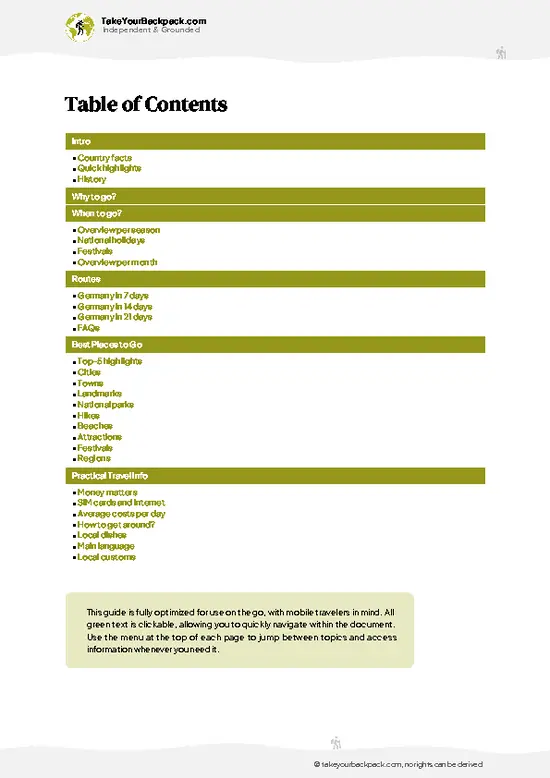
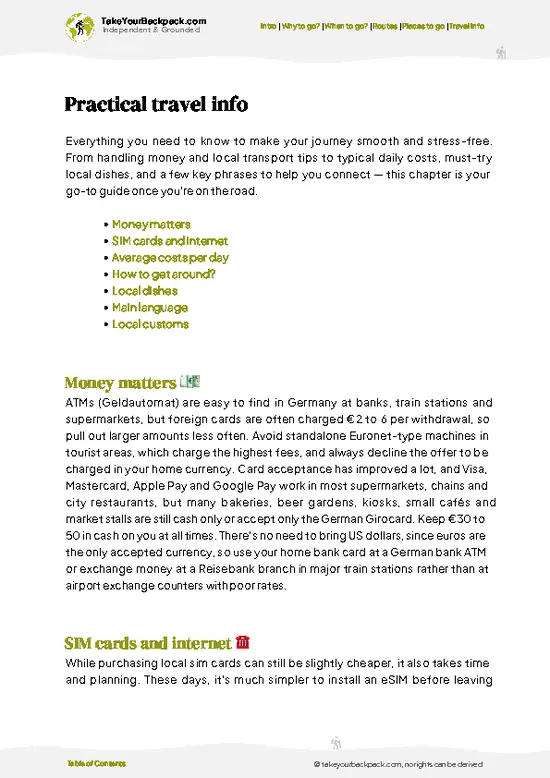
example page 0 from our offline Travel Guide for Germanyexample page 1 from our offline Travel Guide for Germanyexample page 2 from our offline Travel Guide for Germanyexample page 3 from our offline Travel Guide for Germanyexample page 4 from our offline Travel Guide for Germanyexample page 5 from our offline Travel Guide for Germany
The digital guide (452 pages) contains:
142 highlights, ranked by travel appeal
Optimized 7, 14 & 21-day travel routes
Best neighborhoods to stay
How to get around
Offline-friendly for travel without Wi-Fi
👉 See all 30+ guide features

📅 Plan smarter in minutes, not weeks
Month by month travel advice
Festivals & national holidays
Budget expectations

🗺️ Go to the right places, skip the overrated ones
Honest pros & cons of destinations
Top hikes, parks & viewpoints
Lesser-known places most travelers miss
Clear “worth it vs skip it” guidance

🛏️ Travel smoothly without rookie mistakes
Best areas to stay
Transport systems explained simply
Common scams & safety advice
SIM cards, money & practical tips

🌍 Understand the country, not just visit it
Culture & traditions
52 Essential phrases & customs
Festivals worth planning around
Traveler-friendly historical context
Insights that make places more meaningful

📱 Built for real travel conditions
Fully downloadable PDF
Works completely offline
Optimized for phone use
Useful in remote areas & buses
Everything in one place
Save weeks of stressful planning
Get instant access to the full guide directly. 30-day money-back guarantee.


Sent to your inbox immediately after payment • 100% Secure Checkout
Best Backpacking Travel Advisor 2025 tourism awardBest Backpacking
Travel Advisor
2025
What others say about Take Your Backpack Guides:
⭐⭐⭐⭐⭐
Fantastic, amazing amount of information!
⭐⭐⭐⭐⭐
My goodness this is amazing, it's what I've been looking for hats off too you!
⭐⭐⭐⭐⭐
I think this is absolutely BRILLIANT
⭐⭐⭐⭐
Very complete and informative. It's still missing places, but I gotta to commend you
⭐⭐⭐⭐⭐
This is truly amazing, thank you, can't wait to explore it with my kids!
⭐⭐⭐⭐⭐
Awesome resource, thank you!
⭐⭐⭐⭐⭐
This is amazing! Can't wait to explore the ones I haven't seen
⭐⭐⭐⭐
I love this! Well done, great idea.
⭐⭐⭐⭐⭐
Thanks for taking the time to make this gem!
⭐⭐⭐⭐⭐
This might be the best website I've ever seen.
⭐⭐⭐⭐⭐
Congratulations, and thank you so much for your work; it's incredibly valuable.
⭐⭐⭐⭐
In all seriousness I think you did a great job pointing out the important spots
⭐⭐⭐⭐⭐
10/10 very good
⭐⭐⭐⭐⭐
As someone who's only just starting to visit regularly this is awesome, thank you.
⭐⭐⭐⭐
Thank you very much! I'm going to visit my dad, it's going to be very useful!
⭐⭐⭐⭐⭐
This is really cool! We'll be travelling for the first time and this definitely come in handy.
⭐⭐⭐⭐⭐
You are now our minister of culture, congratulations 👨‍💼
⭐⭐⭐⭐⭐
Just wanted to tell you that this is a pearl! Going to follow your recommendations.
⭐⭐⭐⭐⭐
This is so cool. I'll definitely be using the resource for my travels soon.
⭐⭐⭐⭐⭐
This is very impressive! Good work.
⭐⭐⭐⭐⭐
This is an amazing and informative site. Very well done!

🛏️ Where to stay?Choosing the right base

For backpackers heading to Lüneburger Heide, consider staying in the nearby towns of Lüneburg or Celle. Both offer budget-friendly hostels and guesthouses, with Lüneburg providing a charming medieval vibe and Celle showcasing half-timbered architecture.

Inside the national park, options are limited, but you can find campsites like the one at Wilseder Berg, perfect for a rustic experience. Be aware that some accommodations may charge extra for amenities like linens or breakfast, so factor that into your budget. Prioritize booking ahead during peak seasons to avoid the scramble for beds. This … read more 👉
For backpackers heading to Lüneburger Heide, consider staying in the nearby towns of Lüneburg or Celle. Both offer budget-friendly hostels and guesthouses, with Lüneburg providing a charming medieval vibe and Celle showcasing half-timbered architecture.

Inside the national park, options are limited, but you can find campsites like the one at Wilseder Berg, perfect for a rustic experience. Be aware that some accommodations may charge extra for amenities like linens or breakfast, so factor that into your budget. Prioritize booking ahead during peak seasons to avoid the scramble for beds. This way, you’ll have more energy and funds for exploring the park’s stunning landscapes.

👛 Costs (as of 15 January 2026)What things cost and how to budget

Visiting Lüneburger Heide, Germany, can be a rewarding experience, but it’s essential to know the costs involved to avoid surprises.

Entry to the park is generally free, which is a huge plus. However, if you plan to use specific facilities or guided tours, expect to pay. Guided tours can range from €10 to €25 per person, depending on the length and type of experience.

Parking fees are another consideration. If you drive, parking can cost around €3 to €5 for a day. Some areas may offer free parking, but these spots can fill up quickly, especially during peak seasons.

If you’re thinking about accommodation, options vary widely. Campsites in the area typically charge between €10 and €20 per night for a pitch. If you prefer a hotel, budget around €70 to €150 per night, depending on the level … read more 👉
Visiting Lüneburger Heide, Germany, can be a rewarding experience, but it’s essential to know the costs involved to avoid surprises.

Entry to the park is generally free, which is a huge plus. However, if you plan to use specific facilities or guided tours, expect to pay. Guided tours can range from €10 to €25 per person, depending on the length and type of experience.

Parking fees are another consideration. If you drive, parking can cost around €3 to €5 for a day. Some areas may offer free parking, but these spots can fill up quickly, especially during peak seasons.

If you’re thinking about accommodation, options vary widely. Campsites in the area typically charge between €10 and €20 per night for a pitch. If you prefer a hotel, budget around €70 to €150 per night, depending on the level of comfort you seek.

Food costs can also add up. Expect to pay around €10 to €15 for a meal at a casual restaurant. If you’re packing your own food, grocery prices are reasonable, with basic items like bread, cheese, and fruit being quite affordable.

Keep these costs in mind to preserve your energy and budget for the experiences that truly matter.


source: lueneburger-heide.de
⚠️ Prices can change and everyone travels differently, so take this as a rough guide. Hope it helps you plan your adventure!

🥾 TrailsBest hikes in Lüneburger Heide national park

Lüneburger Heide is a hidden gem for hikers, offering a mix of stunning heath landscapes, serene forests, and charming villages. The park is particularly famous for its purple heather blooms in late summer, transforming the landscape into a vibrant sea of color. The terrain is mostly flat, making it accessible for all levels, though some paths can get a bit muddy after rain. Wildlife enthusiasts will love spotting deer, wild boars, and various bird species, especially during early morning or late afternoon hikes.

One of the standout trails is the Heidschnuckenweg. Here’s a quick breakdown:
  • Length:
read more 👉
Lüneburger Heide is a hidden gem for hikers, offering a mix of stunning heath landscapes, serene forests, and charming villages. The park is particularly famous for its purple heather blooms in late summer, transforming the landscape into a vibrant sea of color. The terrain is mostly flat, making it accessible for all levels, though some paths can get a bit muddy after rain. Wildlife enthusiasts will love spotting deer, wild boars, and various bird species, especially during early morning or late afternoon hikes.

One of the standout trails is the Heidschnuckenweg. Here’s a quick breakdown:
  • Length: 223 km
  • Estimated Duration: 10-12 days for the full trail, but you can do sections
  • Difficulty Level: Moderate
  • Key Features: Scenic heathlands, picturesque villages, and historical sites
  • Terrain: Mostly flat with some gentle inclines

Getting to Lüneburger Heide is pretty straightforward. You can hop on a train to either Lüneburg or Buchholz and then catch a bus to various trailheads. It can get a bit busy, especially on weekends and during the blooming season, so if you prefer a quieter experience, try to visit during the week. As for entrance fees, the park is free to enter, which is a nice bonus for budget travelers. Just pack some snacks, lace up your boots, and enjoy the beauty of nature without breaking the bank!
⚠️ Hiking info can sometimes be outdated or inaccurate. Before you hit the trail, check the latest conditions with locals. If you do spot anything that's off, I'd love to hear from you, so I can update it for fellow travelers.

🛡️ SafetyTraveler Safety Guide

Lüneburger Heide is generally a straightforward park for backpackers, but a few practical considerations can enhance your experience. Weather can shift quickly, so pack layers and a reliable rain jacket. The terrain is mostly flat, but some trails may have uneven footing, so sturdy shoes are essential. Wildlife encounters are rare, but if you spot deer or wild boar, keep your distance and don’t feed them. Lastly, be mindful of trail etiquette; respect fellow hikers and the environment to keep the trails enjoyable for everyone.

Other German national parks near Lüneburger Heide

Explore more nearby:

  • Elbhöhen-Wendland—river terraces, floodplain forests, stork nesting sites| 71 km away
  • Dübener Heide—heathland, pine forests, glacial ponds| 126 km away
  • Weser Uplands—rolling hills, fairy-tale castles, beech groves| 136 km away

👉 Discover all national parks

Or checkout all Germany has to offer (think cities, towns, villages, national parks, hikes, beaches, festivals)
Country photo of Germany
film
0
0
0a
Berchtesgaden
F. Herre (ragnar L.)
film
1
1
1a
Black Forest
Claudia Veitinger
film
2
2
2a
Saxon Switzerland
Pixabay
film
3
3
3a
Bavarian Forest
Nationalpark Bayerischer Wald
film
4
4
4a
Hainich
Nationalpark Hainich
film
5
5
5a
Nationalpark Wattenmeer
film
6
6
6a
Vorpommersche Boddenlandschaft
Brigitte Schade
film
7
7
7a
Spreewald
film
8
8
8a
Harz
Marcel Henkel
film
9
9
9a
Eifel
Nationalpark Eifel
film
10
10
10a
Teutoburg Forest

We 💚 feedbackSumming up the experience

Lüneburger Heide is a breath of fresh air, with its rolling heathlands and wild ponies. But be ready for the occasional swarm of mosquitoes in summer; they can be relentless. Pack repellent, and you’ll keep your focus on the stunning landscapes instead of swatting bugs.

✈️ When did I visit Germany?
Being a neighbouring country of my home base, I visited Germany many times.

✍️ Help improve this page!
The information on this page is based on my own backpacking experience in Germany, supplemented with up-to-date research and feedback from other travelers. Travel details can change, so if you notice anything outdated or incomplete, feel free to let me know.


🙋‍♂️ Give feedback

👋 Meet the founderWho’s Behind Take Your Backpack?

Johan, backpacker and founder of TakeYourBackpackHi, I’m Johan (Netherlands 🇳🇱), the creator of TakeYourBackpack. Over the past decade, I’ve backpacked through 80+ countries across six continents, gaining extensive experience with independent travel, long-term trips, and overland routes.

This site is built on a combination of firsthand travel experience and carefully curated insights from other backpackers. Many guides are based on places I’ve personally visited, while others bring together tips, observations, and practical advice shared by trusted travelers I’ve met along the way.

The goal is to provide realistic, experience-driven guidance — not generic itineraries — so you can explore destinations with better context, clearer expectations, and more confidence.

Get Full Country Guide |
Instant download • 142 highlights • Full Offline guide