v2.webp)
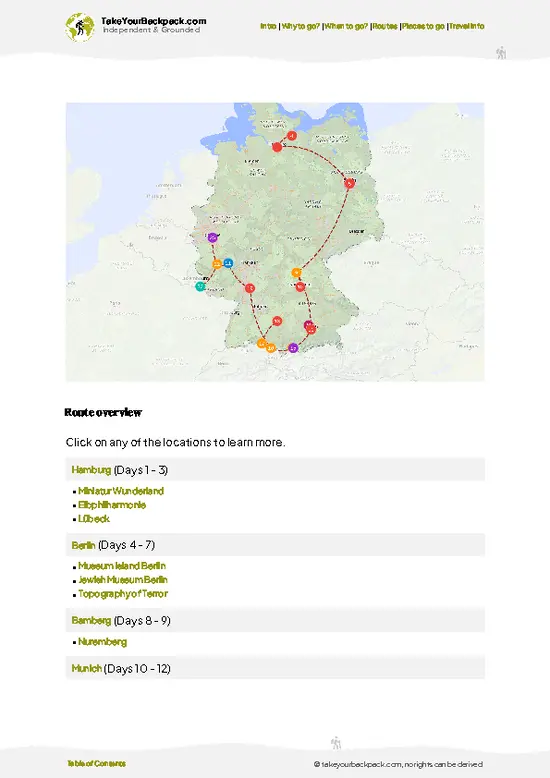
Mehlsack (White Tower)
Ravensburg’s iconic Mehlsack doesn’t just dominate the skyline—it’s the city’s compass. The chalk-white tower rises above the medieval core, visible from nearly every cobbled street. Climb the spiral staircase (open April-October, small fee) and you’ll earn a 360-degree view that’s pure Swabian storybook: red-tiled roofs, church spires, and the gentle haze of the Alps on a clear day. The climb is steep, the stone cool and echoing, and the final platform is always breezy. Go early in the morning for quiet, or late afternoon for golden light. Allow 45 minutes to an hour, including time to catch your breath and let the view sink in.
Stadtmuseum im Schlössle
This isn’t your standard-issue local museum. Housed in a 14th-century fortified manor, the Stadtmuseum is Ravensburg’s … read more 👉
Ravensburg’s iconic Mehlsack doesn’t just dominate the skyline—it’s the city’s compass. The chalk-white tower rises above the medieval core, visible from nearly every cobbled street. Climb the spiral staircase (open April-October, small fee) and you’ll earn a 360-degree view that’s pure Swabian storybook: red-tiled roofs, church spires, and the gentle haze of the Alps on a clear day. The climb is steep, the stone cool and echoing, and the final platform is always breezy. Go early in the morning for quiet, or late afternoon for golden light. Allow 45 minutes to an hour, including time to catch your breath and let the view sink in.
Stadtmuseum im Schlössle
This isn’t your standard-issue local museum. Housed in a 14th-century fortified manor, the Stadtmuseum is Ravensburg’s … read more 👉
Mehlsack (White Tower)
Ravensburg’s iconic Mehlsack doesn’t just dominate the skyline—it’s the city’s compass. The chalk-white tower rises above the medieval core, visible from nearly every cobbled street. Climb the spiral staircase (open April-October, small fee) and you’ll earn a 360-degree view that’s pure Swabian storybook: red-tiled roofs, church spires, and the gentle haze of the Alps on a clear day. The climb is steep, the stone cool and echoing, and the final platform is always breezy. Go early in the morning for quiet, or late afternoon for golden light. Allow 45 minutes to an hour, including time to catch your breath and let the view sink in.
Stadtmuseum im Schlössle
This isn’t your standard-issue local museum. Housed in a 14th-century fortified manor, the Stadtmuseum is Ravensburg’s memory palace. The creak of old wood floors and the scent of ancient plaster set the mood as you wander through rooms packed with medieval artifacts, guild banners, and the odd, slightly eerie puppet from the city’s carnival traditions. The exhibits are tactile and close—you can almost feel the weight of the centuries. Open year-round, closed Mondays. Entry is modest (a few euros), and you’ll want at least 90 minutes if you’re a history buff, less if you’re just skimming.
Marktplatz & Wochenmarkt
The heart of Ravensburg beats loudest on market days (Saturday and Wednesday mornings). The Marktplatz is a living stage: farmers hawking cheese and honey, locals gossiping over coffee, the air thick with the scent of fresh bread and flowers. Even off-market days, the square is ringed with Renaissance facades and lively cafés. Grab a pastry, watch the world go by, and let the rhythm of the town seep in. Free to wander; market mornings are best for atmosphere. Give yourself an hour, or linger as long as your appetite allows.
Blaserturm
The Blaserturm is Ravensburg’s other great tower, a blue-and-white sentinel with a clock face that’s watched over the city since the 14th century. If Mehlsack is the city’s compass, Blaserturm is its timekeeper. Climb the narrow stairs (open seasonally, small fee) and listen for the bells—on the hour, they echo through the old town like a call to adventure. The view is more intimate than Mehlsack’s, with a close-up of the old town’s winding lanes. Late afternoon is best for photos. Allow 30-45 minutes.
Humpis-Quartier Museum
This interconnected complex of medieval merchant houses is Ravensburg’s best-kept secret. The Humpis-Quartier isn’t just a museum; it’s a walk through the city’s soul. Timbered rooms, hidden courtyards, and immersive exhibits bring to life the daily grind and quiet triumphs of Ravensburg’s merchant class. The scent of old wood and the hush of thick walls make it feel like you’ve slipped through a crack in time. Open year-round, closed Mondays. Entry is reasonable, and you’ll want at least 90 minutes to do it justice.
Ravensburg rewards those who dig beneath the postcard surface. If you’re itching for a day trip, hop a short train or bus to the Zeppelin Museum in Friedrichshafen, the Baroque pilgrimage church at Weingarten, or the lakeside serenity of Meersburg—my personal favorite for its castle and vineyard views.
Ravensburg’s iconic Mehlsack doesn’t just dominate the skyline—it’s the city’s compass. The chalk-white tower rises above the medieval core, visible from nearly every cobbled street. Climb the spiral staircase (open April-October, small fee) and you’ll earn a 360-degree view that’s pure Swabian storybook: red-tiled roofs, church spires, and the gentle haze of the Alps on a clear day. The climb is steep, the stone cool and echoing, and the final platform is always breezy. Go early in the morning for quiet, or late afternoon for golden light. Allow 45 minutes to an hour, including time to catch your breath and let the view sink in.
Stadtmuseum im Schlössle
This isn’t your standard-issue local museum. Housed in a 14th-century fortified manor, the Stadtmuseum is Ravensburg’s memory palace. The creak of old wood floors and the scent of ancient plaster set the mood as you wander through rooms packed with medieval artifacts, guild banners, and the odd, slightly eerie puppet from the city’s carnival traditions. The exhibits are tactile and close—you can almost feel the weight of the centuries. Open year-round, closed Mondays. Entry is modest (a few euros), and you’ll want at least 90 minutes if you’re a history buff, less if you’re just skimming.
Marktplatz & Wochenmarkt
The heart of Ravensburg beats loudest on market days (Saturday and Wednesday mornings). The Marktplatz is a living stage: farmers hawking cheese and honey, locals gossiping over coffee, the air thick with the scent of fresh bread and flowers. Even off-market days, the square is ringed with Renaissance facades and lively cafés. Grab a pastry, watch the world go by, and let the rhythm of the town seep in. Free to wander; market mornings are best for atmosphere. Give yourself an hour, or linger as long as your appetite allows.
Blaserturm
The Blaserturm is Ravensburg’s other great tower, a blue-and-white sentinel with a clock face that’s watched over the city since the 14th century. If Mehlsack is the city’s compass, Blaserturm is its timekeeper. Climb the narrow stairs (open seasonally, small fee) and listen for the bells—on the hour, they echo through the old town like a call to adventure. The view is more intimate than Mehlsack’s, with a close-up of the old town’s winding lanes. Late afternoon is best for photos. Allow 30-45 minutes.
Humpis-Quartier Museum
This interconnected complex of medieval merchant houses is Ravensburg’s best-kept secret. The Humpis-Quartier isn’t just a museum; it’s a walk through the city’s soul. Timbered rooms, hidden courtyards, and immersive exhibits bring to life the daily grind and quiet triumphs of Ravensburg’s merchant class. The scent of old wood and the hush of thick walls make it feel like you’ve slipped through a crack in time. Open year-round, closed Mondays. Entry is reasonable, and you’ll want at least 90 minutes to do it justice.
Ravensburg rewards those who dig beneath the postcard surface. If you’re itching for a day trip, hop a short train or bus to the Zeppelin Museum in Friedrichshafen, the Baroque pilgrimage church at Weingarten, or the lakeside serenity of Meersburg—my personal favorite for its castle and vineyard views.
Spotted a mistake or missing something? Contact us.


 Best Backpacking
.jpg) Hi, I’m Johan (Netherlands 🇳🇱), the creator of TakeYourBackpack. Over the past 3 decades, I’ve backpacked through 90+ countries across six continents, gaining extensive experience with independent travel, long-term trips, and overland routes.
Hi, I’m Johan (Netherlands 🇳🇱), the creator of TakeYourBackpack. Over the past 3 decades, I’ve backpacked through 90+ countries across six continents, gaining extensive experience with independent travel, long-term trips, and overland routes.