v2.webp)
Mercedes-Benz Museum
This is Stuttgart’s industrial heart on display—nine levels of automotive evolution, from the world’s first car to futuristic prototypes. Even if you’re not a gearhead, the museum’s architecture and storytelling make it a masterclass in German ingenuity. Go early on weekdays for fewer crowds and more elbow room to linger over the 1950s gullwing or the Silver Arrows. Tickets run about €12 for adults. You’ll want at least two hours, but three is ideal if you like to read every placard and soak in the design.
Staatsgalerie Stuttgart
Art lovers, this is your playground. The Staatsgalerie’s collection is a who’s-who of European masters—Rembrandt, Picasso, Kandinsky—housed in a building that’s a postmodern puzzle in itself. The permanent collection is the real draw, but check … read more 👉
This is Stuttgart’s industrial heart on display—nine levels of automotive evolution, from the world’s first car to futuristic prototypes. Even if you’re not a gearhead, the museum’s architecture and storytelling make it a masterclass in German ingenuity. Go early on weekdays for fewer crowds and more elbow room to linger over the 1950s gullwing or the Silver Arrows. Tickets run about €12 for adults. You’ll want at least two hours, but three is ideal if you like to read every placard and soak in the design.
Staatsgalerie Stuttgart
Art lovers, this is your playground. The Staatsgalerie’s collection is a who’s-who of European masters—Rembrandt, Picasso, Kandinsky—housed in a building that’s a postmodern puzzle in itself. The permanent collection is the real draw, but check … read more 👉
Mercedes-Benz Museum
This is Stuttgart’s industrial heart on display—nine levels of automotive evolution, from the world’s first car to futuristic prototypes. Even if you’re not a gearhead, the museum’s architecture and storytelling make it a masterclass in German ingenuity. Go early on weekdays for fewer crowds and more elbow room to linger over the 1950s gullwing or the Silver Arrows. Tickets run about €12 for adults. You’ll want at least two hours, but three is ideal if you like to read every placard and soak in the design.
Staatsgalerie Stuttgart
Art lovers, this is your playground. The Staatsgalerie’s collection is a who’s-who of European masters—Rembrandt, Picasso, Kandinsky—housed in a building that’s a postmodern puzzle in itself. The permanent collection is the real draw, but check for rotating exhibitions. Closed Mondays. Entry is €7 for the main collection, and you’ll need 90 minutes minimum to do it justice. Go late morning or mid-afternoon for the best light and least foot traffic.
Schlossplatz & Neues Schloss
The city’s living room. Schlossplatz is where Stuttgart breathes—open-air concerts, Christmas markets, spontaneous picnics. The baroque Neues Schloss (New Palace) anchors the square, and while the interior is mostly government offices, the exterior and gardens are the real show. Free to wander. Best in spring or summer when the fountains are running and locals sprawl on the grass. Stay as long as you like, but 30-45 minutes is enough to soak up the atmosphere if you’re moving fast.
Markthalle Stuttgart
This is Stuttgart’s pantry, a 1914 Art Nouveau market hall packed with local and international flavors. It’s not just about shopping—grab a Swabian snack, people-watch from the balcony café, or pick up picnic supplies. The Markthalle is open daily except Sundays. Entry is free; budget €5-€15 for a snack or lunch. Thirty minutes for a quick browse, but an hour if you want to sample and linger.
Fernsehturm Stuttgart (TV Tower)
The world’s first TV tower built from reinforced concrete, and still the best city panorama. Ride the elevator up 150 meters for a 360-degree view—on a clear day, you’ll spot the Black Forest and the Swabian Alps. Open daily, €10 entry. Sunset is prime time, but mornings are quieter. Allow 45 minutes to an hour, including time for a coffee at the top.
Weissenhof Estate (Weissenhofsiedlung)
A pilgrimage for architecture buffs. This 1927 housing project is a living museum of Bauhaus and modernist design, with houses by Le Corbusier and Mies van der Rohe. The Le Corbusier House is now a UNESCO World Heritage site and open to visitors. Entry to the museum is €10. Best visited in the afternoon for good light on the facades. Plan for 60-90 minutes if you want to tour the interiors and stroll the neighborhood.
Killesberg Park
A green escape with a twist—flower gardens, whimsical sculptures, and a narrow-gauge train that’s more fun than it sounds. Locals come here to decompress, picnic, or climb the Killesberg Tower for another great city view. Free entry; the train ride is about €3. Spring and summer are peak bloom, but autumn is quieter and just as lovely. Give yourself an hour, or longer if you want to unwind.
For day trips, the Ludwigsburg Palace, Esslingen’s medieval old town, and the vineyards of the Remstal valley are all within easy reach—Ludwigsburg’s gardens are my personal favorite when the baroque blooms are in full swing.
This is Stuttgart’s industrial heart on display—nine levels of automotive evolution, from the world’s first car to futuristic prototypes. Even if you’re not a gearhead, the museum’s architecture and storytelling make it a masterclass in German ingenuity. Go early on weekdays for fewer crowds and more elbow room to linger over the 1950s gullwing or the Silver Arrows. Tickets run about €12 for adults. You’ll want at least two hours, but three is ideal if you like to read every placard and soak in the design.
Staatsgalerie Stuttgart
Art lovers, this is your playground. The Staatsgalerie’s collection is a who’s-who of European masters—Rembrandt, Picasso, Kandinsky—housed in a building that’s a postmodern puzzle in itself. The permanent collection is the real draw, but check for rotating exhibitions. Closed Mondays. Entry is €7 for the main collection, and you’ll need 90 minutes minimum to do it justice. Go late morning or mid-afternoon for the best light and least foot traffic.
Schlossplatz & Neues Schloss
The city’s living room. Schlossplatz is where Stuttgart breathes—open-air concerts, Christmas markets, spontaneous picnics. The baroque Neues Schloss (New Palace) anchors the square, and while the interior is mostly government offices, the exterior and gardens are the real show. Free to wander. Best in spring or summer when the fountains are running and locals sprawl on the grass. Stay as long as you like, but 30-45 minutes is enough to soak up the atmosphere if you’re moving fast.
Markthalle Stuttgart
This is Stuttgart’s pantry, a 1914 Art Nouveau market hall packed with local and international flavors. It’s not just about shopping—grab a Swabian snack, people-watch from the balcony café, or pick up picnic supplies. The Markthalle is open daily except Sundays. Entry is free; budget €5-€15 for a snack or lunch. Thirty minutes for a quick browse, but an hour if you want to sample and linger.
Fernsehturm Stuttgart (TV Tower)
The world’s first TV tower built from reinforced concrete, and still the best city panorama. Ride the elevator up 150 meters for a 360-degree view—on a clear day, you’ll spot the Black Forest and the Swabian Alps. Open daily, €10 entry. Sunset is prime time, but mornings are quieter. Allow 45 minutes to an hour, including time for a coffee at the top.
Weissenhof Estate (Weissenhofsiedlung)
A pilgrimage for architecture buffs. This 1927 housing project is a living museum of Bauhaus and modernist design, with houses by Le Corbusier and Mies van der Rohe. The Le Corbusier House is now a UNESCO World Heritage site and open to visitors. Entry to the museum is €10. Best visited in the afternoon for good light on the facades. Plan for 60-90 minutes if you want to tour the interiors and stroll the neighborhood.
Killesberg Park
A green escape with a twist—flower gardens, whimsical sculptures, and a narrow-gauge train that’s more fun than it sounds. Locals come here to decompress, picnic, or climb the Killesberg Tower for another great city view. Free entry; the train ride is about €3. Spring and summer are peak bloom, but autumn is quieter and just as lovely. Give yourself an hour, or longer if you want to unwind.
For day trips, the Ludwigsburg Palace, Esslingen’s medieval old town, and the vineyards of the Remstal valley are all within easy reach—Ludwigsburg’s gardens are my personal favorite when the baroque blooms are in full swing.
Spotted a mistake or missing something? Contact us.

Original Walking Tour Stuttgart

Stuttgart : Guided Walking Tour With A Guide (Private Tour)

Stuttgart Private Walking Tour with a Local

SUP BASIC COURSE Stuttgart Neckar Stand Up Paddling / Paddling Adventure Jones Tours

Stuttgart Self-Guided Detective Murder Mystery Game

Stuttgart Scavenger Hunt & Highlights Self-Guided Walking Tour

Explore Stuttgart in 60 minutes with a Local
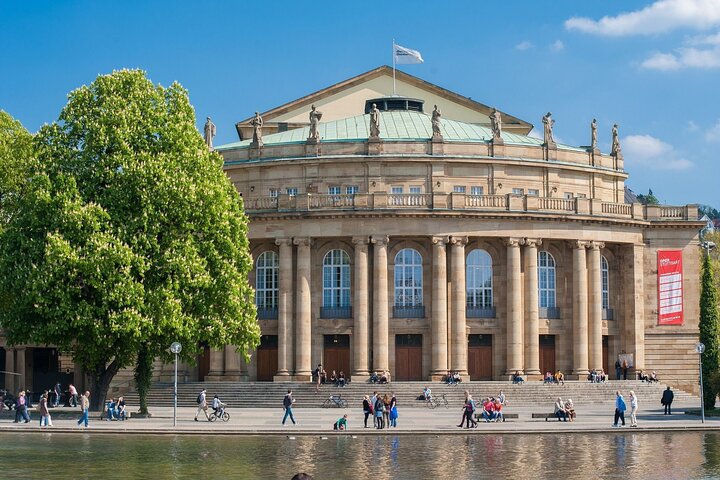
Stuttgart Private Walking Tour With A Professional Guide

Discover Stuttgart’s most Photogenic Spots with a Local


 Best Backpacking
.jpg) Hi, I’m Johan (Netherlands 🇳🇱), the creator of TakeYourBackpack. Over the past decade, I’ve backpacked through 80+ countries across six continents, gaining extensive experience with independent travel, long-term trips, and overland routes.
Hi, I’m Johan (Netherlands 🇳🇱), the creator of TakeYourBackpack. Over the past decade, I’ve backpacked through 80+ countries across six continents, gaining extensive experience with independent travel, long-term trips, and overland routes.