×

Germany🇩🇪 | festivalsRosenmontagcarnival processions, satirical floats, confetti showers | things to do and best time to go

Explore Bardentreffen NurembergExplore Mainzer Johannisnacht

Backpacking in Rosenmontag
By Johan Kruseman 🇳🇱 | Updated October 15, 2026

Confetti slaps your cheeks. Brass bands thunder from a float shaped like a giant jester’s head. Someone in a banana costume shoves a fistful of candy into your palm, and you’re swept along by a river of costumed strangers roaring “Helau!” until your voice cracks. This is Rosenmontag—Germany’s Carnival Monday—when cities like Cologne, Mainz, and Düsseldorf erupt into organized chaos.

Rosenmontag is the wild, beating heart of Karneval, a pre-Lenten blowout that turns the usually orderly Rhineland into a fever dream of parades, satirical floats, and relentless Schlager music. The crowd is a mash-up: locals in elaborate group costumes, students, families, and backpackers who heard the rumors and wanted in. The vibe? Unapologetically rowdy, but with a sense of camaraderie that makes even the shyest traveler loosen up. It’s loud, it’s crowded, and it’s not for anyone who hates confetti in their socks. But if you want to see Germany drop its guard, this is the day. I’ve lost my voice here more than once—and never regretted it.

Discover everything you want to know in the 📖 Germany Travel Guide.


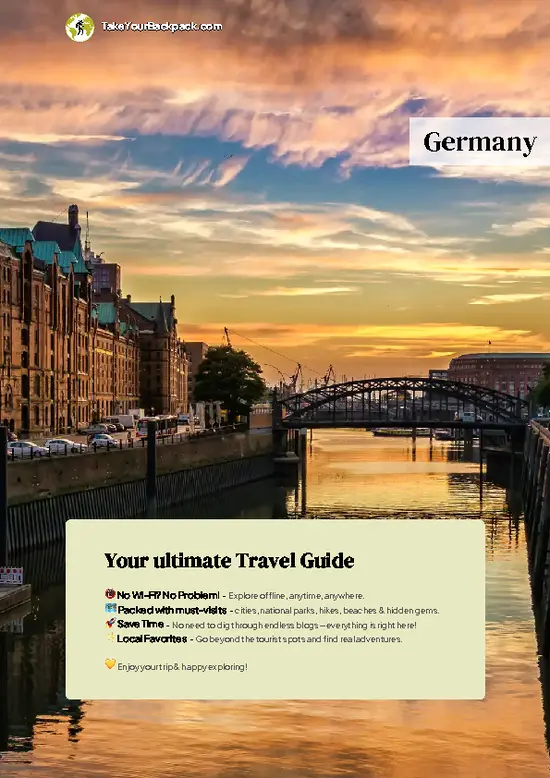
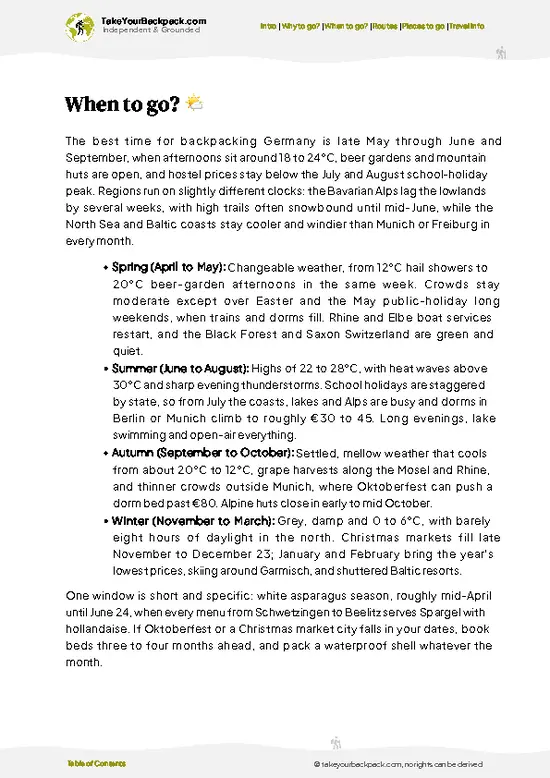
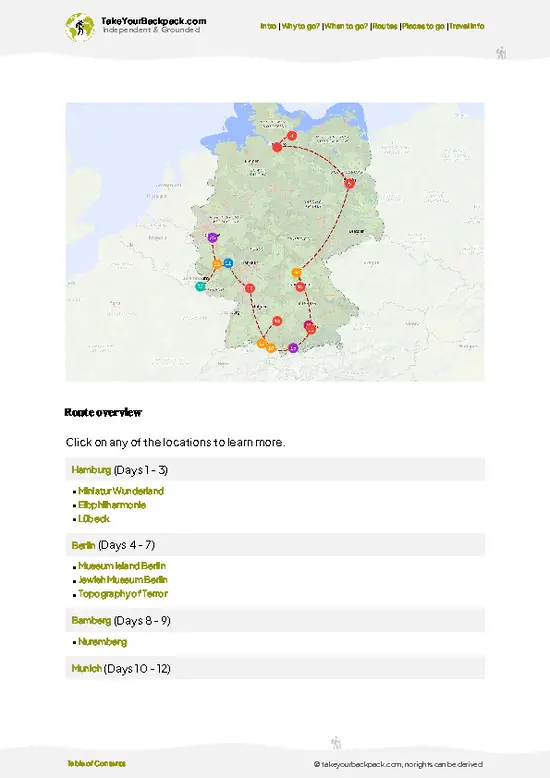
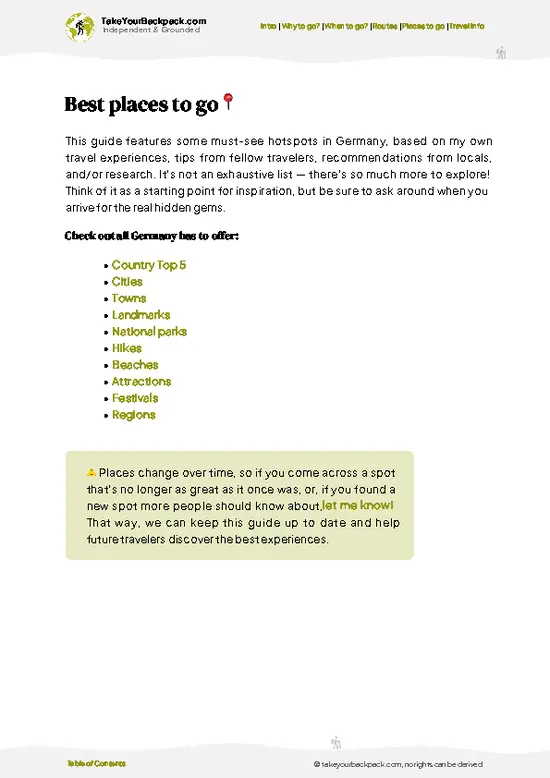
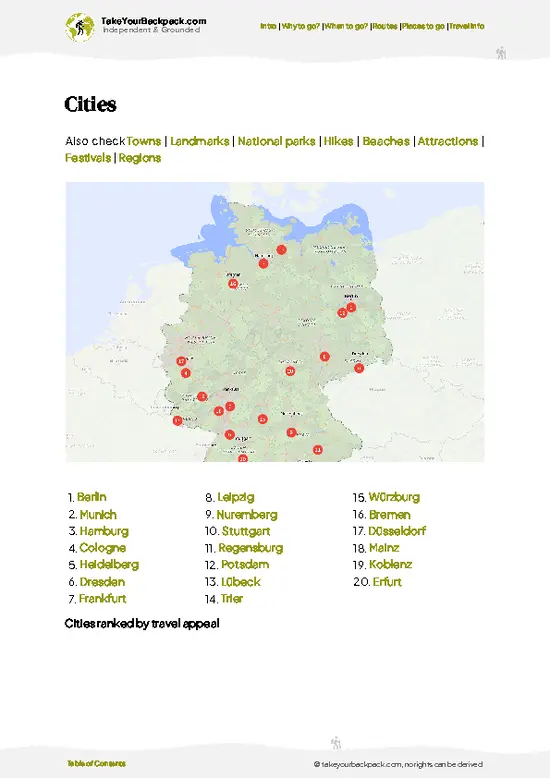
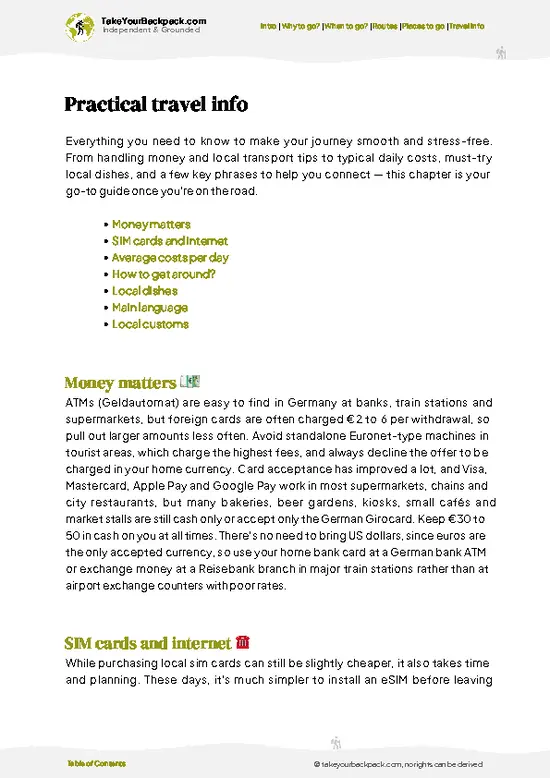
example page 0 from our offline Travel Guide for Germany
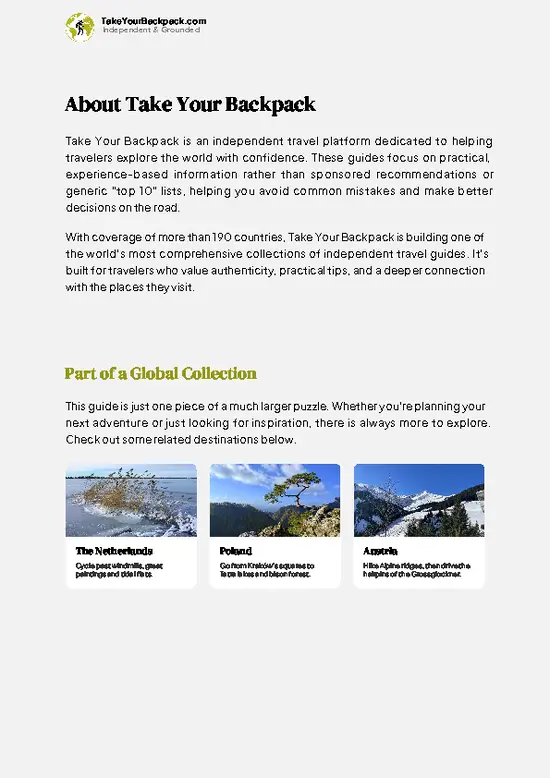
example page 1 from our offline Travel Guide for Germany
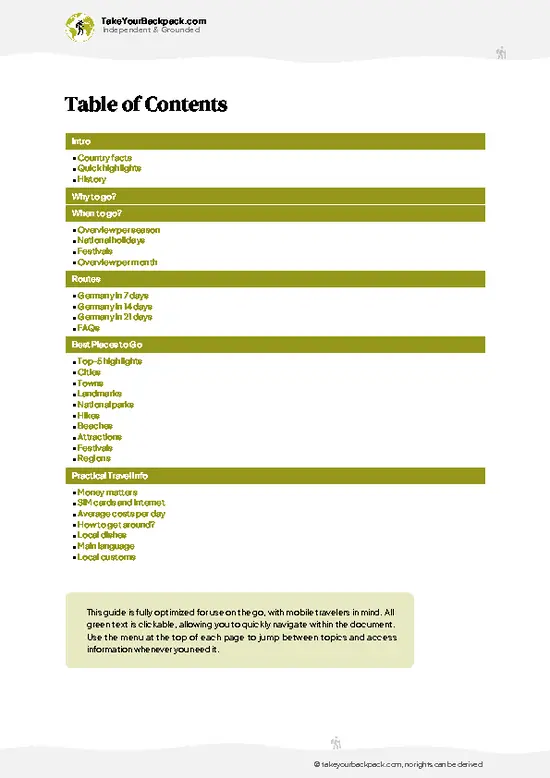
example page 2 from our offline Travel Guide for Germany
example page 3 from our offline Travel Guide for Germany
example page 4 from our offline Travel Guide for Germany
example page 5 from our offline Travel Guide for Germany
example page 6 from our offline Travel Guide for Germany
example page 7 from our offline Travel Guide for Germany
Loading the map 🌍
CLICK TO FILTER
cities
towns
landmarks
national parks
hikes
beaches
attractions
festivals
regions
SHOW COUNTRY’S BESTSHOW ALL

✨ Why go?
Ranked #99 festival in Germany
Why Rosenmontag should be on your travel list

Backpackers who know their stuff carve their itinerary around Rosenmontag because it’s a rare chance to tap into a surge of social energy that’s impossible to replicate any other time of year. This isn’t just a parade; it’s a full-throttle, city-wide party where locals and travelers collide in a spontaneous, temporary community that’s electric with shared joy and tradition. The beauty here is how deeply you can immerse yourself in German culture without the usual tourist barriers—costumes, music, and street performances pull you into the heart of the celebration, making you part of the story rather than a spectator.

Unlike pricey festivals elsewhere in Europe, Rosenmontag offers a budget-friendly way to experience a massive cultural event without draining your wallet on entry fees or overpriced … read more 👉
Backpackers who know their stuff carve their itinerary around Rosenmontag because it’s a rare chance to tap into a surge of social energy that’s impossible to replicate any other time of year. This isn’t just a parade; it’s a full-throttle, city-wide party where locals and travelers collide in a spontaneous, temporary community that’s electric with shared joy and tradition. The beauty here is how deeply you can immerse yourself in German culture without the usual tourist barriers—costumes, music, and street performances pull you into the heart of the celebration, making you part of the story rather than a spectator.

Unlike pricey festivals elsewhere in Europe, Rosenmontag offers a budget-friendly way to experience a massive cultural event without draining your wallet on entry fees or overpriced food stalls. It’s a smart move to slot this into a longer Germany or Central Europe trip because the festival’s timing naturally aligns with winter’s end, when travel costs dip and crowds thin out. Planning around Rosenmontag means you’re not just chasing sights—you’re syncing your energy with a living tradition, saving cash, and setting yourself up for a travel rhythm that’s as rewarding as the destination itself.

💡 HighlightsPlaces and moments you shouldn't skip

The Grand Rosenmontag Parade
This is the main event, the reason you’ll see entire German cities transformed into a riot of color and noise. Picture kilometer-long processions of floats—some satirical, some surreal, all engineered for maximum spectacle—rolling through the streets of Cologne, Mainz, Düsseldorf, and beyond. Marching bands blast brass and drums, costumed dancers whirl, and the crowd becomes a living, moving organism. The energy is contagious. You don’t just watch; you’re swept up in it. If you want to feel the pulse of Rosenmontag, plant yourself along the parade route, catch the sweets (Kamelle) and flowers (Strüßjer) hurled from floats, and let the chaos wash over you. This is my personal favorite—there’s nothing like the collective joy of a million people in full costume, all … read more 👉
The Grand Rosenmontag Parade
This is the main event, the reason you’ll see entire German cities transformed into a riot of color and noise. Picture kilometer-long processions of floats—some satirical, some surreal, all engineered for maximum spectacle—rolling through the streets of Cologne, Mainz, Düsseldorf, and beyond. Marching bands blast brass and drums, costumed dancers whirl, and the crowd becomes a living, moving organism. The energy is contagious. You don’t just watch; you’re swept up in it. If you want to feel the pulse of Rosenmontag, plant yourself along the parade route, catch the sweets (Kamelle) and flowers (Strüßjer) hurled from floats, and let the chaos wash over you. This is my personal favorite—there’s nothing like the collective joy of a million people in full costume, all in on the same joke.


Costume Culture: Anything Goes
Forget subtlety. Rosenmontag is a masterclass in creative self-expression. You’ll see everything from medieval knights to bananas, political satire to pop culture mashups. The point isn’t to impress; it’s to participate. Locals spend months crafting costumes, and the more outrageous, the better. If you show up in jeans, you’ll feel like you missed the memo. Buy a wig, slap on some face paint, and you’ll instantly be part of the tribe. The anonymity of disguise breaks down barriers—strangers become co-conspirators, and the city feels like one big, friendly masquerade.


“Bützen” and Street Revelry
Rosenmontag is a festival of permission. In the Rhineland, “Bützen” means giving a friendly kiss on the cheek—no strings, just a burst of goodwill. The streets become a playground for spontaneous dancing, singing, and laughter. You’ll hear “Alaaf!” or “Helau!” shouted from every corner, and you’re expected to shout back. The party doesn’t pause for daylight or drizzle. Every square, every pub, every tram is fair game for celebration. If you’re open to it, you’ll find yourself swept into conga lines with strangers, trading silly hats, and singing along to songs you don’t even know.


Satirical Floats and Political Commentary
This isn’t just a party—it’s a sharp-witted roast of the year’s biggest scandals and public figures. The floats are legendary for their biting humor and fearless caricatures. Politicians, celebrities, and world events get lampooned in ways that would make late-night comedians blush. It’s cathartic, clever, and sometimes controversial. If you want to understand the German sense of humor—equal parts irreverent and insightful—watch the crowd’s reaction as each float rolls by. The satire is a reminder: Rosenmontag is about joy, but it’s also about speaking truth to power, loudly and in costume.


Traditional Sweets and Local Treats
You’ll need fuel for the marathon of revelry, and Rosenmontag delivers. Bakeries churn out “Berliner” (jam-filled doughnuts), “Mutzenmandeln” (almond fritters), and other carnival pastries by the truckload. Vendors line the streets with sausages, pretzels, and Kölsch beer (in Cologne) or Altbier (in Düsseldorf). The food isn’t just sustenance—it’s part of the ritual. Sharing a Berliner with a stranger, or catching a handful of candy from a passing float, is as much a part of the experience as the parade itself. Eat with abandon; you’ll dance it off by sundown.
Spotted a mistake or missing something? Contact us.

Things to do around Rosenmontag

Ratings based on Tripadvisor reviews. When you book through this link, you support our work at no extra cost to you.

🌤️ When to go?When is the celebration of Rosenmontag?

  • Topic: Weather and Temperature - Rosenmontag falls in February or early March, smack in the middle of winter. Expect chilly temps ranging from 0°C to 7°C (32°F to 45°F). Layer up; the cold can bite, especially with wind. Rain is possible but snow is rare, so pack waterproof gear without overloading your pack.
  • Topic: Daylight Hours - Days are short, with roughly 8 to 10 hours of daylight. This means your window for exploring beyond the parade is limited, so plan your daylight activities carefully to avoid wandering in the dark.
  • Topic: Crowds - Rosenmontag is a magnet for locals and tourists alike, especially in cities like Cologne and Düsseldorf. Crowds peak on the day itself, so if you want to soak in the atmosphere without elbowing your way through, arrive a day or two early or stay late
… read more 👉
  • Topic: Weather and Temperature - Rosenmontag falls in February or early March, smack in the middle of winter. Expect chilly temps ranging from 0°C to 7°C (32°F to 45°F). Layer up; the cold can bite, especially with wind. Rain is possible but snow is rare, so pack waterproof gear without overloading your pack.
  • Topic: Daylight Hours - Days are short, with roughly 8 to 10 hours of daylight. This means your window for exploring beyond the parade is limited, so plan your daylight activities carefully to avoid wandering in the dark.
  • Topic: Crowds - Rosenmontag is a magnet for locals and tourists alike, especially in cities like Cologne and Düsseldorf. Crowds peak on the day itself, so if you want to soak in the atmosphere without elbowing your way through, arrive a day or two early or stay late to catch the quieter moments.
  • Topic: Seasonal Activities - This period is carnival season, so the city pulses with parties, street performances, and costume shops. Beyond Rosenmontag, the vibe shifts quickly as Lent begins, so timing your visit to catch the full carnival energy is key.
  • Topic: Price Fluctuations - Accommodation and flights spike around Rosenmontag due to demand. Booking well in advance is non-negotiable if you want to avoid paying a premium. Prices drop sharply after the festival, so if you’re flexible, consider extending your stay to snag better deals.
Pro-tip: Lock in your trip for late February, just before Rosenmontag, to catch the buildup without the crush—and save your energy for the parade’s full-throttle chaos.


source: climatestotravel.comJANJanuary: not recommended for travelingFEBFebruary: highly recommended for travelingMARMarch: highly recommended for travelingAPRApril: not recommended for travelingMAYMay: not recommended for travelingJUNJune: not recommended for travelingJULJuly: not recommended for travelingAUGAugust: not recommended for travelingSEPSeptember: not recommended for travelingOCTOctober: not recommended for travelingNOVNovember: not recommended for travelingDECDecember: not recommended for traveling

✈️ The backpacker research shortcutGermany Travel Guide

An offline-friendly backpacking guide with optimized travel routes, ranked highlights, transport advice, and the best areas to stay.
example page 0 from our offline Travel Guide for Germany
example page 1 from our offline Travel Guide for Germany
example page 2 from our offline Travel Guide for Germany
example page 3 from our offline Travel Guide for Germany
example page 4 from our offline Travel Guide for Germany
example page 5 from our offline Travel Guide for Germany
example page 6 from our offline Travel Guide for Germany
example page 7 from our offline Travel Guide for Germany
The digital guide (502 pages) contains:
✅ 135 highlights, ranked by travel appeal
✅ Optimized 7, 14 & 21-day travel routes
✅ Cities, national parks, landmarks, beaches
✅ How to get around
✅ Offline-friendly for travel without Wi-Fi
👉 Click to see all 30+ guide features

📅 Plan smarter in minutes, not weeks
✅ Month by month travel advice
✅ Festivals & national holidays
✅ Budget expectations

🗺️ Go to the right places, skip the overrated ones
✅ Honest pros & cons of destinations
✅ Top hikes, parks & viewpoints
✅ Lesser-known places most travelers miss
✅ Clear “worth it vs skip it” guidance

🛏️ Travel smoothly without rookie mistakes
✅ Best areas to stay
✅ Transport systems explained simply
✅ Common scams & safety advice
✅ SIM cards, money & practical tips

🌍 Understand the country, not just visit it
✅ Culture & traditions
✅ 52 Essential phrases & customs
✅ Festivals worth planning around
✅ Traveler-friendly historical context
✅ Insights that make places more meaningful

📱 Built for real travel conditions
✅ Fully downloadable PDF
✅ Works completely offline
✅ Optimized for phone use
✅ Useful in remote areas & buses
✅ Everything in one place
Stop searching, start planning
Get instant access to your full guide. 30‑day money-back guarantee.
+ Add another guide for just

By proceeding you agree to our terms.
Sent to your inbox immediately after payment • 100% Secure Checkout
Best Backpacking Travel Advisor 2025 tourism awardBest Backpacking
Travel Advisor
2025
What others say about Take Your Backpack Guides:
⭐⭐⭐⭐⭐
Fantastic, amazing amount of information!
⭐⭐⭐⭐⭐
My goodness this is amazing, it's what I've been looking for hats off too you!
⭐⭐⭐⭐⭐
I think this is absolutely BRILLIANT
⭐⭐⭐⭐
Very complete and informative. It's still missing places, but I gotta to commend you
⭐⭐⭐⭐⭐
This is truly amazing, thank you, can't wait to explore it with my kids!
⭐⭐⭐⭐⭐
Awesome resource, thank you!
⭐⭐⭐⭐⭐
This is amazing! Can't wait to explore the ones I haven't seen
⭐⭐⭐⭐
I love this! Well done, great idea.
⭐⭐⭐⭐⭐
Thanks for taking the time to make this gem!
⭐⭐⭐⭐⭐
This might be the best website I've ever seen.
⭐⭐⭐⭐⭐
Congratulations, and thank you so much for your work; it's incredibly valuable.
⭐⭐⭐⭐
In all seriousness I think you did a great job pointing out the important spots
⭐⭐⭐⭐⭐
10/10 very good
⭐⭐⭐⭐⭐
As someone who's only just starting to visit regularly this is awesome, thank you.
⭐⭐⭐⭐
Thank you very much! I'm going to visit my dad, it's going to be very useful!
⭐⭐⭐⭐⭐
This is really cool! We'll be travelling for the first time and this definitely come in handy.
⭐⭐⭐⭐⭐
You are now our minister of culture, congratulations 👨‍💼
⭐⭐⭐⭐⭐
Just wanted to tell you that this is a pearl! Going to follow your recommendations.
⭐⭐⭐⭐⭐
This is so cool. I'll definitely be using the resource for my travels soon.
⭐⭐⭐⭐⭐
This is very impressive! Good work.
⭐⭐⭐⭐⭐
This is an amazing and informative site. Very well done!

🛏️ Where to stay?Where staying makes the most sense

If you’re diving into Rosenmontag in Germany, your basecamp matters. The festival’s heart beats strongest in Cologne, Düsseldorf, and Mainz—each a playground for backpackers craving safety, social buzz, and budget-friendly digs.

In Cologne, the Ehrenfeld district is your go-to. It’s a lively, youthful neighborhood where locals and travelers mingle effortlessly. You’ll find a mix of affordable spots and vibrant street life, perfect for recharging between parade routes. Plus, it’s well-connected by public transit, so you’re never far from the carnival chaos without being swallowed by it. Avoid … read more 👉
If you’re diving into Rosenmontag in Germany, your basecamp matters. The festival’s heart beats strongest in Cologne, Düsseldorf, and Mainz—each a playground for backpackers craving safety, social buzz, and budget-friendly digs.

In Cologne, the Ehrenfeld district is your go-to. It’s a lively, youthful neighborhood where locals and travelers mingle effortlessly. You’ll find a mix of affordable spots and vibrant street life, perfect for recharging between parade routes. Plus, it’s well-connected by public transit, so you’re never far from the carnival chaos without being swallowed by it. Avoid the immediate city center if you want to dodge the tourist crush and inflated prices.

Düsseldorf’s Altstadt (Old Town) is a no-brainer for solo travelers. It’s compact, packed with bars and cafés, and buzzing with carnival spirit. Staying here means you’re in the thick of the action but can slip into quieter side streets when you need a breather. The area’s safety record is solid, and the social vibe is strong—ideal for striking up conversations with fellow revelers.

Mainz offers a more laid-back carnival experience. The Neustadt district is where you want to be. It’s affordable, friendly, and close enough to the parade routes to catch the energy without the crush. The neighborhood’s local pubs and communal spaces make it easy to connect with other backpackers and locals alike.

Bottom line: pick a neighborhood that balances access with atmosphere. You want to be close enough to soak in the madness but smart enough to retreat and recharge. That’s how you keep your energy and wallet intact for the moments that truly count.

👛 Costs (as of 15 October 2026)Money, prices, and spending tips

Attending Rosenmontag in Germany involves several typical expenses for an independent traveler. Consider the following budget categories:
  • Festival tickets: Many Rosenmontag parades are free to watch, but special events or parties may charge entry fees ranging from €10 to €30.
  • Accommodation: Prices vary widely depending on the city and booking time. Budget hotels or hostels typically cost between €50 and €100 per night, while mid-range hotels can range from €80 to €150.
  • Local transport: Public transport day passes in cities like Cologne or Düsseldorf usually cost around €8 to €12, covering buses, trams, and trains within the city.
  • Food & drinks: Expect to pay about €10 to €20 for a meal at casual eateries or street food stalls. Drinks at festival events or local pubs can range from €3 to €6 each.
… read more 👉
Attending Rosenmontag in Germany involves several typical expenses for an independent traveler. Consider the following budget categories:
  • Festival tickets: Many Rosenmontag parades are free to watch, but special events or parties may charge entry fees ranging from €10 to €30.
  • Accommodation: Prices vary widely depending on the city and booking time. Budget hotels or hostels typically cost between €50 and €100 per night, while mid-range hotels can range from €80 to €150.
  • Local transport: Public transport day passes in cities like Cologne or Düsseldorf usually cost around €8 to €12, covering buses, trams, and trains within the city.
  • Food & drinks: Expect to pay about €10 to €20 for a meal at casual eateries or street food stalls. Drinks at festival events or local pubs can range from €3 to €6 each.
  • Miscellaneous expenses: This includes souvenirs, small purchases, or extra snacks, typically around €10 to €20 per day.


source: germany.travel
⚠️ Prices can change and everyone travels differently, so take this as a rough guide. Hope it helps you plan your adventure!

🍲 FoodWhat to Eat & Drink

Rosenmontag is a whirlwind of color and chaos, and the food scene matches that energy with bold, hearty flavors that fuel the parade frenzy. Expect to find local specialties like bratwurst sizzling on open grills, their smoky aroma cutting through the cold air. Pretzels, thick and doughy, are everywhere—perfect for grabbing on the go. But don’t just settle for the usual; hunt down the Reibekuchen, crispy potato pancakes served with applesauce, a true Rhineland classic that hits the spot between sips of Kölsch or Altbier.

Drinks flow freely, but here’s the catch: cash rules the roost. Many stalls still prefer bills and coins, so keep your wallet ready. The serving sizes lean toward the generous, designed to keep you energized for hours of standing and cheering. Sharing is part of the vibe—don’t … read more 👉
Rosenmontag is a whirlwind of color and chaos, and the food scene matches that energy with bold, hearty flavors that fuel the parade frenzy. Expect to find local specialties like bratwurst sizzling on open grills, their smoky aroma cutting through the cold air. Pretzels, thick and doughy, are everywhere—perfect for grabbing on the go. But don’t just settle for the usual; hunt down the Reibekuchen, crispy potato pancakes served with applesauce, a true Rhineland classic that hits the spot between sips of Kölsch or Altbier.

Drinks flow freely, but here’s the catch: cash rules the roost. Many stalls still prefer bills and coins, so keep your wallet ready. The serving sizes lean toward the generous, designed to keep you energized for hours of standing and cheering. Sharing is part of the vibe—don’t be surprised if you end up swapping bites or clinking glasses with strangers caught up in the same carnival spirit.

Lines can snake around popular stalls, but patience pays off. The wait is part of the ritual, a chance to soak in the buzz and maybe catch a glimpse of a costume-clad reveler juggling bratwurst or belting out a carnival tune. Dive into the food with gusto—this isn’t just eating; it’s a full-throttle immersion into the heart of Rosenmontag’s rowdy, delicious madness.

FAQTraveler FAQ

Rosenmontag takes place on the Monday before Ash Wednesday, typically in February or early March. It is the highlight of the German Carnival season, occurring exactly 48 days before Easter Sunday.
Attending Rosenmontag parades is generally free, as they are public street events. However, costs may arise from travel, food, and souvenirs, with some private parties or events charging entry fees around 10 to 30 euros.
No, you do not need tickets in advance to watch the Rosenmontag parades, as they are open to the public. For special events or indoor celebrations related to Rosenmontag, tickets might be required and should be purchased ahead of time.
⚠️ Things can change over time, so always validate details locally before you go.

Other German festivals near Rosenmontag

Explore more nearby:


💡 Not sure where to go next?
Create a personalized itinerary for Germany including Rosenmontag and the places that fit your trip.

Generate my itinerary

👉 Discover all festivals

Or checkout all Germany has to offer (think cities, towns, villages, national parks, hikes, beaches, festivals)
Country photo of Germany

We 💚 feedbackWhat to keep in mind

Rosenmontag throws you into a whirlwind of color, noise, and pure, unfiltered local spirit—there’s nothing like marching alongside thousands of revelers who live for this day. But brace yourself: the crowds crush tight, and personal space evaporates fast. If you’re not ready to move with the flow, you’ll burn energy fighting the tide instead of soaking up the chaos. Master that rhythm, and you’ll own one of Germany’s most electric experiences.

✈️ When did I visit Germany?
Being a neighbouring country of my home base, I visited Germany many times.

✍️ Help improve this page!
The information on this page is based on my own backpacking experience in Germany, supplemented with up-to-date research and feedback from other travelers. Travel details can change, so if you notice anything outdated or incomplete, feel free to let me know.


🙋‍♂️ Give feedback

👋 Meet the founderWho’s Behind Take Your Backpack?

Johan, backpacker and founder of TakeYourBackpackHi, I’m Johan (Netherlands 🇳🇱), the creator of TakeYourBackpack. Over the past 3 decades, I’ve backpacked through 90+ countries across six continents, gaining extensive experience with independent travel, long-term trips, and overland routes.

This site is built on a combination of firsthand travel experience and carefully curated insights from other backpackers. Many guides are based on places I’ve personally visited, while others bring together tips, observations, and practical advice shared by trusted travelers I’ve met along the way.

The goal is to provide realistic, experience-driven guidance — not generic itineraries — so you can explore destinations with better context, clearer expectations, and more confidence.