
1. The Rhine Fireworks Finale
The festival’s grand finale is a full-throttle sensory overload: fireworks erupting over the Rhine, synchronized to a soundtrack that veers from J-pop to taiko drums. Düsseldorf’s skyline morphs into a silhouette against the bursts of color. The crowd—tens of thousands strong—falls silent, then erupts in cheers. This isn’t just a fireworks show; it’s a communal exhale after a day of kinetic energy. If you want a spot with a clear view, stake your claim early. The riverside fills up fast, and latecomers end up craning their necks behind a wall of shoulders. This is my personal favorite. There’s something about the collective awe, the river breeze, and the echo of drums that makes the world feel wide open and electric.
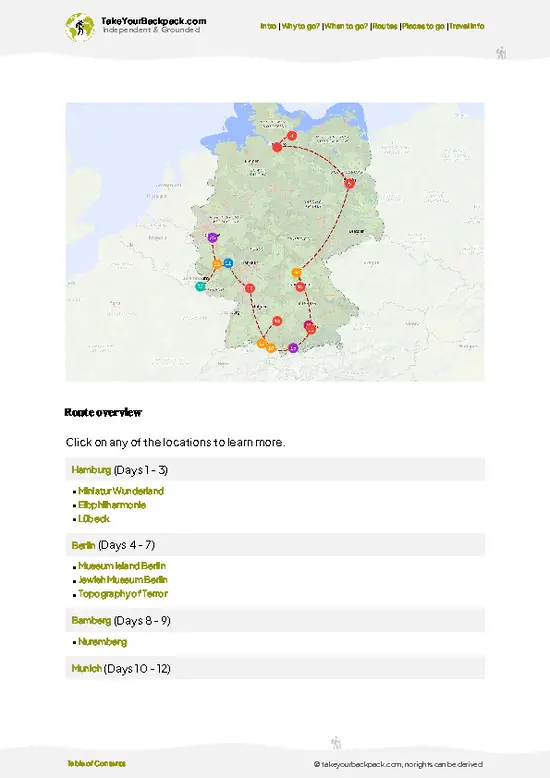
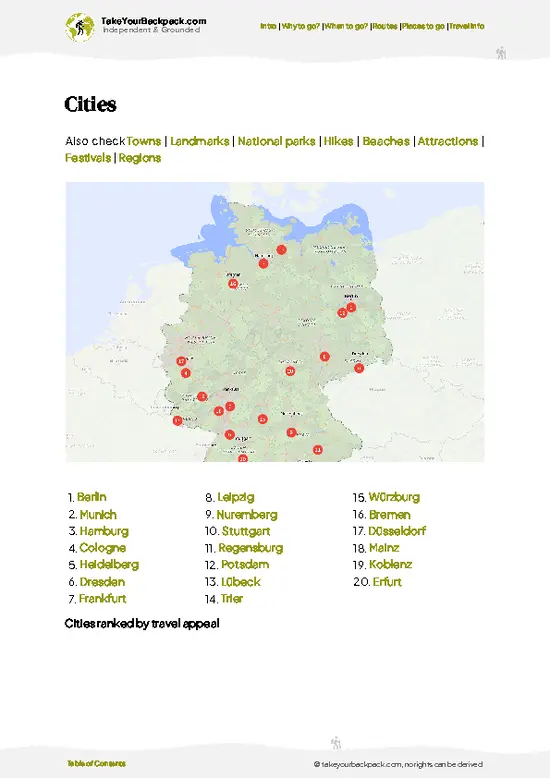
2. Cosplay Parade and Street Culture
Japan … read more 👉
1. The Rhine Fireworks Finale
The festival’s grand finale is a full-throttle sensory overload: fireworks erupting over the Rhine, synchronized to a soundtrack that veers from J-pop to taiko drums. Düsseldorf’s skyline morphs into a silhouette against the bursts of color. The crowd—tens of thousands strong—falls silent, then erupts in cheers. This isn’t just a fireworks show; it’s a communal exhale after a day of kinetic energy. If you want a spot with a clear view, stake your claim early. The riverside fills up fast, and latecomers end up craning their necks behind a wall of shoulders. This is my personal favorite. There’s something about the collective awe, the river breeze, and the echo of drums that makes the world feel wide open and electric.
2. Cosplay Parade and Street Culture
Japan Tag transforms Düsseldorf’s promenade into a living, breathing anime convention. You’ll see cosplayers striding with purpose—samurai armor, magical girls, full-on mecha suits—posing for photos and swapping tips. The energy is infectious. Even if you’re not in costume, you’re part of the spectacle. Vendors sell everything from hand-painted fans to rare manga. There’s no velvet rope here; everyone’s invited to join the parade or just people-watch. The sheer scale and openness set this apart from smaller conventions. If you’re camera-shy, brace yourself—random photo requests are the norm.
3. Traditional Stage Performances
On the main stage, you’ll catch a relentless rotation of taiko drumming, shamisen duels, and martial arts demos. The taiko drummers don’t just play—they command the stage, sweat flying, arms a blur. You feel the bass in your chest. Between acts, you might catch a kimono fashion show or a tea ceremony demonstration. The programming is tight, and the transitions are brisk—no time for boredom. This is where you see the festival’s roots: Düsseldorf’s deep connection to Japan, not just as a trading partner, but as a cultural sibling.
4. Japanese Street Food Alley
Rows of food stalls crank out yakitori skewers, okonomiyaki, takoyaki, and matcha ice cream. The air is thick with the scent of grilled meat and sweet soy. Lines move fast, but the best stalls run out early—don’t wait until you’re starving. Prices are fair for a festival, but bring cash; card readers are rare and ATMs get picked clean. The food isn’t just a sideshow—it’s a crash course in Japanese comfort eating, right on the Rhine.
5. Workshops and Hands-On Experiences
You can try your hand at calligraphy, origami, or even a crash course in basic Japanese. These workshops fill up quickly, and some require sign-up in advance. The payoff: you walk away with more than a souvenir—you get a skill, a story, and maybe a new obsession. The instructors are patient, and the vibe is welcoming, not intimidating. This is where the festival slows down and lets you catch your breath, hands busy, mind engaged.
Spotted a mistake or missing something? Contact us.

Düsseldorf Segway Tour: Classical City Experience

Brewery Tour Düsseldorf in English (inc. 3 beer)

Altbier safari in Düsseldorf

Dusseldorf Walking Tour Explore Top Sights and Hidden Gems

Düsseldorf Segway Rhein Tour: Rhine River Experience

Sightrunning - Private Running Tour in Düsseldorf

Düsseldorf Nightlife Tour: 4 Venues, Shots & Club Entry

Dusseldorf Old Town and Altbier Tour

Düsseldorf Sightseeing round-trip Cruise

 Best Backpacking
 Hi, I’m Johan (Netherlands 🇳🇱), the creator of TakeYourBackpack. Over the past 3 decades, I’ve backpacked through 90+ countries across six continents, gaining extensive experience with independent travel, long-term trips, and overland routes.