
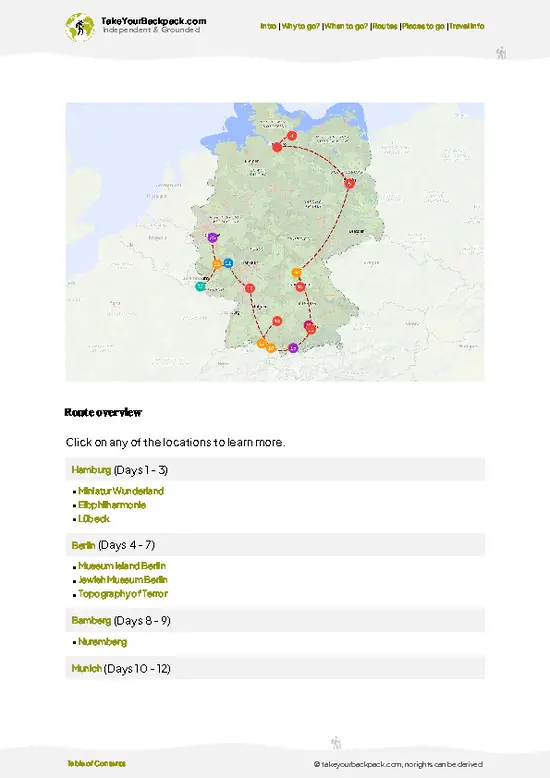
- The mudflats (Das Watt) — The core of the whole place: huge exposed tidal flats at low tide that look barren until you get close and realise they’re teeming with life. Walkable, oddly hypnotic, and part of the Wadden Sea UNESCO World Heritage — it’s where the landscape literally moves with the tides.
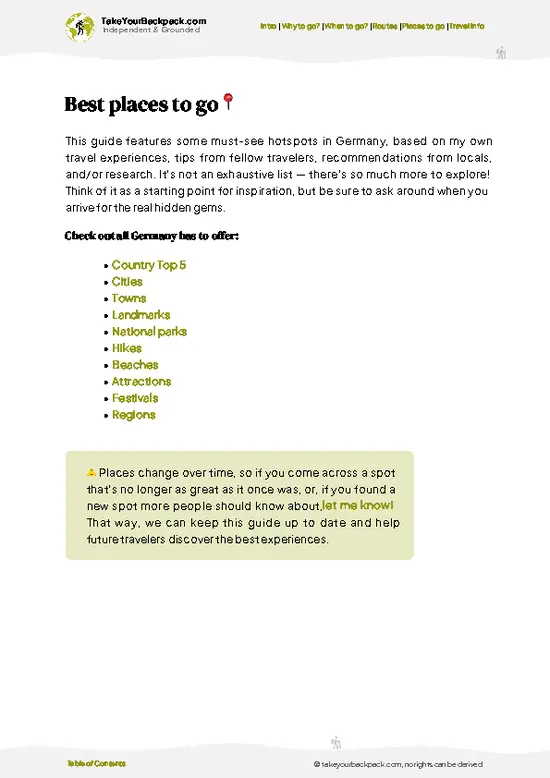
- Seal colonies on sandbanks — Grey seals and harbour seals haul out on sandbars to rest and pup, often visible from viewpoints or boat tours. Watching them laze and tumble on the sand is one of the most memorable wildlife moments here.
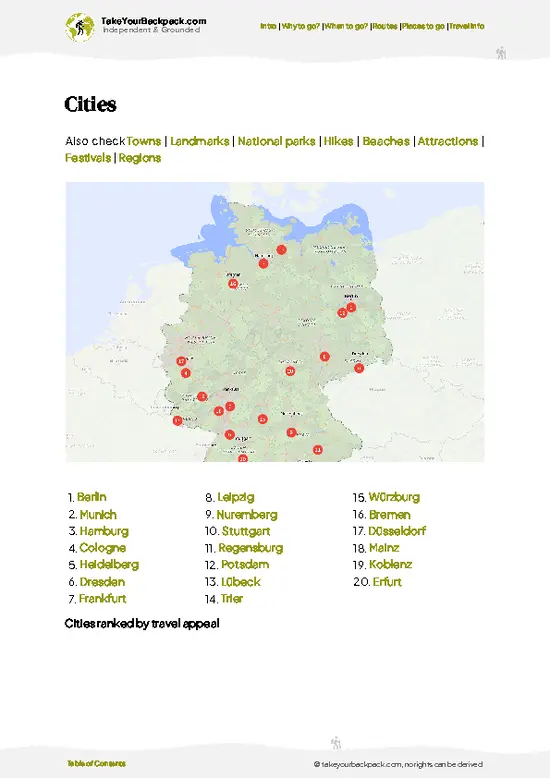
- Migratory bird staging grounds — Millions of birds stop here each year: oystercatchers, knots, spoonbills and pink-footed geese among them. If you like binoculars and long vistas, the endless mudflats and salt marsh edges deliver spectacular shorebird action,
- The mudflats (Das Watt) — The core of the whole place: huge exposed tidal flats at low tide that look barren until you get close and realise they’re teeming with life. Walkable, oddly hypnotic, and part of the Wadden Sea UNESCO World Heritage — it’s where the landscape literally moves with the tides.
- Seal colonies on sandbanks — Grey seals and harbour seals haul out on sandbars to rest and pup, often visible from viewpoints or boat tours. Watching them laze and tumble on the sand is one of the most memorable wildlife moments here.
- Migratory bird staging grounds — Millions of birds stop here each year: oystercatchers, knots, spoonbills and pink-footed geese among them. If you like binoculars and long vistas, the endless mudflats and salt marsh edges deliver spectacular shorebird action, especially in spring and autumn.
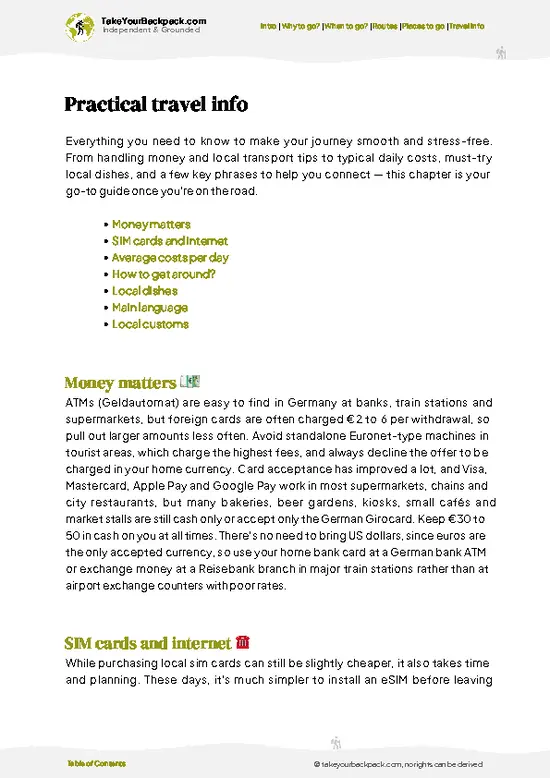
- Halligen and barrier islands — Small, low-lying isles like the Halligen or the bigger North Sea islands (Sylt, Amrum, Föhr) have a mix of color — dunes, reed beds and wide beaches — plus unique cultural landscapes (stilt houses, small dikes). Each island feels like a different micro-world to explore.
- Salt marshes (Salzwiesen) — These grassy, often-flowering meadows sit just inland of the flats and are crucial feeding and breeding zones. They glow with wildflowers in summer, hold lots of insect life, and are great for quiet walking and birdwatching.
- Guided mudflat hikes (Wattwanderung) — Walking out on the tidal flats with a local guide is the best way to understand the place: you’ll learn about tidal timing, the animals underfoot, and safe routes back. It’s hands-on, surprisingly smelly at times, and addictive once you’ve tried it.
- Tidal channels and creeks (Priele) — Narrow, winding channels cut through the flats and form dramatic patterns from above. They’re hotspots for fish, crabs and wading birds, and make for striking photos at sunrise or sunset when light outlines their curves.
Spotted a mistake or missing something? Contact us.

 Best Backpacking
 Hi, I’m Johan (Netherlands 🇳🇱), the creator of TakeYourBackpack. Over the past 3 decades, I’ve backpacked through 90+ countries across six continents, gaining extensive experience with independent travel, long-term trips, and overland routes.