×

Ghana🇬🇭 | landmarksCape Coast Castledungeon chambers, oceanfront ramparts, colonial architecture | things to do and best time to go

Explore Boti FallsExplore Elmina St. George’s castle

Backpacking in Cape Coast Castle
UNESCO World Heritage site
🏆 Top pickunique site ranked #1
By Johan Kruseman 🇳🇱 | Updated September 3, 2026

Here’s what you won’t see on Instagram: Cape Coast Castle is not some crumbling, empty relic—it’s a living, echoing space where school groups and local families outnumber foreign tourists most days. That’s right: you’ll hear Ghanaian voices grappling with their own history, not just a parade of selfie sticks. The castle sits right on the Atlantic in Cape Coast, a salt-air city about three hours west of Accra. Let’s be blunt: the crowds can spike on weekends, and the entry fee is higher than you’d expect for West Africa (especially if you’re not Ghanaian). But the payoff? You’re walking through the actual dungeons where enslaved people were held—no sugarcoating, no Disneyfication. The photo ops are real, but the real magic is the gut-punch of standing in those stone corridors, feeling the weight of history. It’s not a ‘fun’ stop, but it’s essential. If you want a place that will change how you see the world, this is it.

Discover everything you want to know in the 📖 Ghana Travel Guide.


Get your Ghana guide
108 ranked highlights, routes & tips, works offline (399 pages)
Loading the map 🌍
CLICK TO FILTER
cities
towns
villages
landmarks
national parks
hikes
beaches
attractions
festivals
regions
SHOW COUNTRY’S BESTSHOW ALL

✨ Why go?
Ranked #1 unique site in Ghana
What sets this place apart

Cape Coast Castle isn’t just another stop on your Ghana itinerary; it’s a raw encounter with history that demands your attention. Yes, it’s crowded, especially during peak tourist season, but that’s part of the experience. You’re walking through the same halls where countless lives were forever altered. The emotional weight here is palpable, and it’s a stark reminder of the past that many gloss over in their Instagram feeds.

The cost is minimal—entry fees are low, making it accessible for backpackers. You can easily fit this into a broader route, as it’s a short drive from Accra and near other attractions like Kakum National Park. Spend a morning at the castle, then hike through the canopy walkways in the afternoon.

What makes this place truly stand out is the storytelling. Local guides … read more 👉
Cape Coast Castle isn’t just another stop on your Ghana itinerary; it’s a raw encounter with history that demands your attention. Yes, it’s crowded, especially during peak tourist season, but that’s part of the experience. You’re walking through the same halls where countless lives were forever altered. The emotional weight here is palpable, and it’s a stark reminder of the past that many gloss over in their Instagram feeds.

The cost is minimal—entry fees are low, making it accessible for backpackers. You can easily fit this into a broader route, as it’s a short drive from Accra and near other attractions like Kakum National Park. Spend a morning at the castle, then hike through the canopy walkways in the afternoon.

What makes this place truly stand out is the storytelling. Local guides share personal anecdotes that breathe life into the stone walls. You’ll leave with a deeper understanding of Ghana’s history and a sense of connection to its people. This isn’t just a landmark; it’s a life-changing experience that reshapes your perspective. Don’t skip it.
Want to include Cape Coast Castle in your Ghana route?
Create a personalized Ghana itinerary that includes Cape Coast Castle and the places that fit your trip — based on your travel style, budget, and available time. Get your route in seconds.

Generate my trip

💡 HighlightsDon't-miss highlights and experiences

  • Door of No Return — The most emotionally charged spot: the low arch where enslaved people were marched out to the waiting ships. Standing here gives a visceral sense of the finality of those departures and why the site has become a global symbol of the transatlantic slave trade.
  • The Dungeons — Narrow, dark holding cells carved into the stone, complete with bone-chilling descriptions and, in places, original inscriptions. They’re painfully tangible: you can feel how cramped, humid, and hopeless those spaces were.
  • The Great Hall & Governor’s Quarters — Polished contrast to the dungeons: rooms that display the power and bureaucracy behind the trade. The architecture, old maps, and portraits show who profited and how the castle ran as an administrative hub.
  • Ramparts and Atlantic Vantage Points
read more 👉
  • Door of No Return — The most emotionally charged spot: the low arch where enslaved people were marched out to the waiting ships. Standing here gives a visceral sense of the finality of those departures and why the site has become a global symbol of the transatlantic slave trade.
  • The Dungeons — Narrow, dark holding cells carved into the stone, complete with bone-chilling descriptions and, in places, original inscriptions. They’re painfully tangible: you can feel how cramped, humid, and hopeless those spaces were.
  • The Great Hall & Governor’s Quarters — Polished contrast to the dungeons: rooms that display the power and bureaucracy behind the trade. The architecture, old maps, and portraits show who profited and how the castle ran as an administrative hub.
  • Ramparts and Atlantic Vantage Points — Walk the fort walls, see rusted cannon placements and wide sea views where ships anchored. The ocean outlook helps you piece together why the location was chosen and gives a quiet, haunting beauty to the place.
  • Museum Exhibits and Artifacts — Chains, ledgers, sale records, and personal items that turn abstract history into documented reality. These artifacts ground the narrative and are essential for understanding scale and procedure.
  • Guided Tours by Local Storytellers — Tours here are delivered by guides who weave archival facts with local memory and family stories. Their voices add perspective, anger, pride, and sometimes unexpected local humor—you’ll leave with more than facts.
  • Connection to Cape Coast Town and Living Heritage — The castle isn’t an isolated ruin; it sits above an active fishing town, markets, and annual festivals. Visiting the surrounding streets, beach, and markets lets you see how history lives on in community resilience and culture today.
Spotted a mistake or missing something? Contact us.

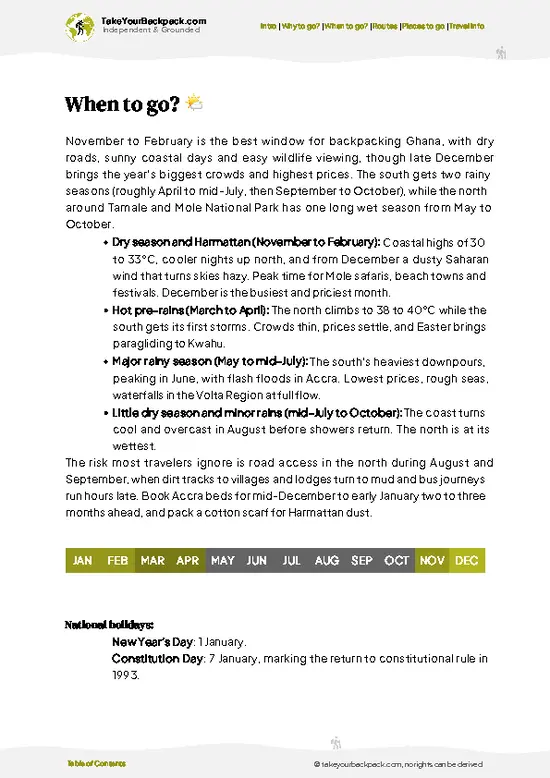
🌤️ When to go?Choosing the right time of year


  • Weather: The dry season from November to March is your best bet. Expect less humidity and minimal rain, making the castle’s outdoor tours more comfortable. The rainy season (April to October) can turn the grounds slippery and the experience less enjoyable.

  • Temperature: Temperatures hover between 24°C and 32°C (75°F to 90°F) year-round. The dry season feels a bit cooler and less sticky, which matters when you’re walking through history under the West African sun.

  • Daylight Hours: Ghana sits near the equator, so daylight is steady—about 12 hours year-round. Plan your visit in the morning to avoid the midday heat and catch the castle in the best light for photos and reflection.

  • Crowds: Tourist numbers spike during December and January, especially around Christmas and New Year. If you
read more 👉

  • Weather: The dry season from November to March is your best bet. Expect less humidity and minimal rain, making the castle’s outdoor tours more comfortable. The rainy season (April to October) can turn the grounds slippery and the experience less enjoyable.

  • Temperature: Temperatures hover between 24°C and 32°C (75°F to 90°F) year-round. The dry season feels a bit cooler and less sticky, which matters when you’re walking through history under the West African sun.

  • Daylight Hours: Ghana sits near the equator, so daylight is steady—about 12 hours year-round. Plan your visit in the morning to avoid the midday heat and catch the castle in the best light for photos and reflection.

  • Crowds: Tourist numbers spike during December and January, especially around Christmas and New Year. If you want fewer people and a more contemplative vibe, aim for late November or February.

  • Seasonal Activities: The annual Panafest festival in July/August brings cultural events and a charged atmosphere but also crowds and higher prices. It’s a powerful time to visit if you want to connect with Ghana’s living history, but it’s not for the faint-hearted or budget-conscious.

  • Price Fluctuations: Entrance fees and local prices stay fairly stable, but accommodation and transport costs can spike during peak tourist months and festivals. Booking ahead during these times is essential to avoid inflated rates.


Pro-tip: Visit just before or after the peak tourist season—late November or February—to dodge crowds, enjoy cooler weather, and get the most out of your Cape Coast Castle experience without paying a premium.


source: climatestotravel.comJANJanuary: highly recommended for travelingFEBFebruary: excellent for travelingMARMarch: excellent for travelingAPRApril: fair for travelingMAYMay: fair for travelingJUNJune: fair for travelingJULJuly: good for travelingAUGAugust: good for travelingSEPSeptember: fair for travelingOCTOctober: fair for travelingNOVNovember: highly recommended for travelingDECDecember: highly recommended for traveling
when-to-go

✈️ The backpacker research shortcutGhana Travel Guide

An offline-friendly backpacking guide with optimized travel routes, ranked highlights, transport advice, and the best areas to stay.
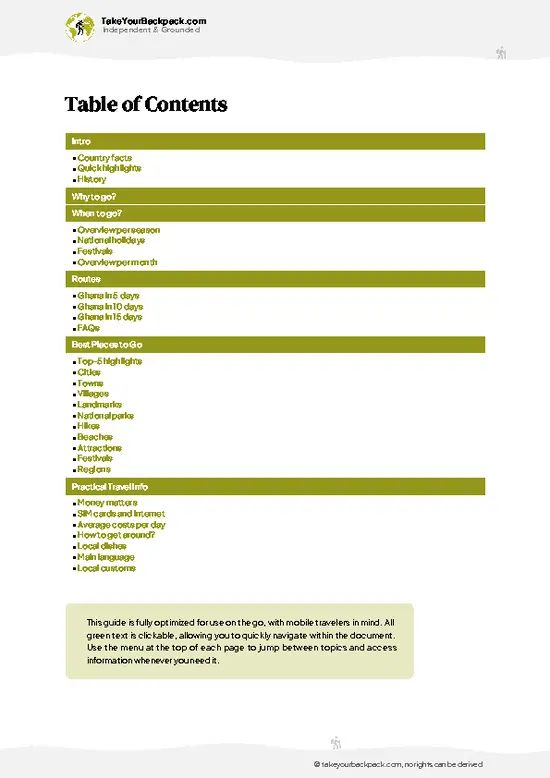
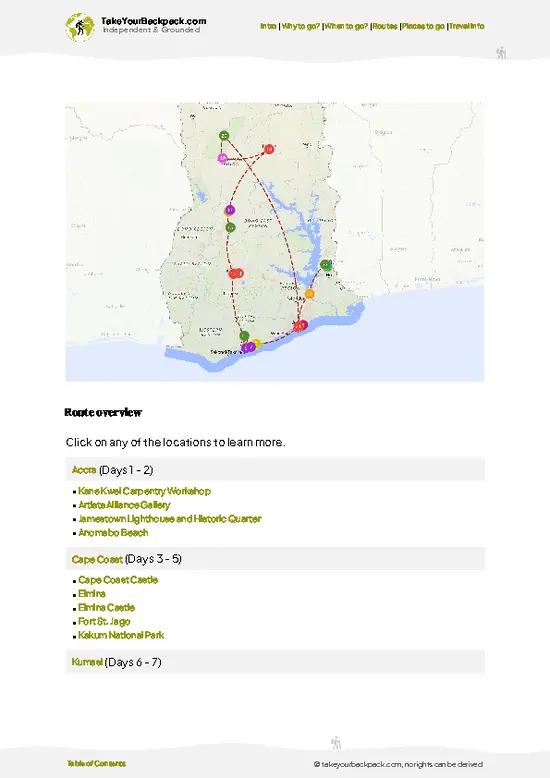
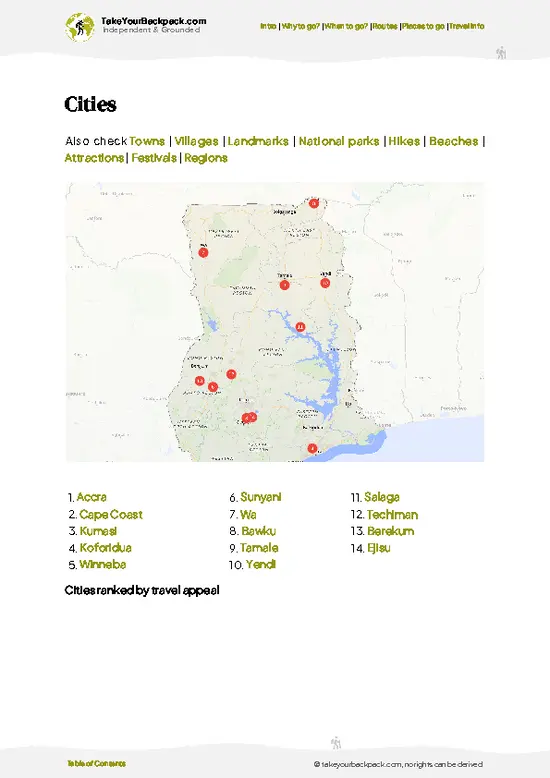
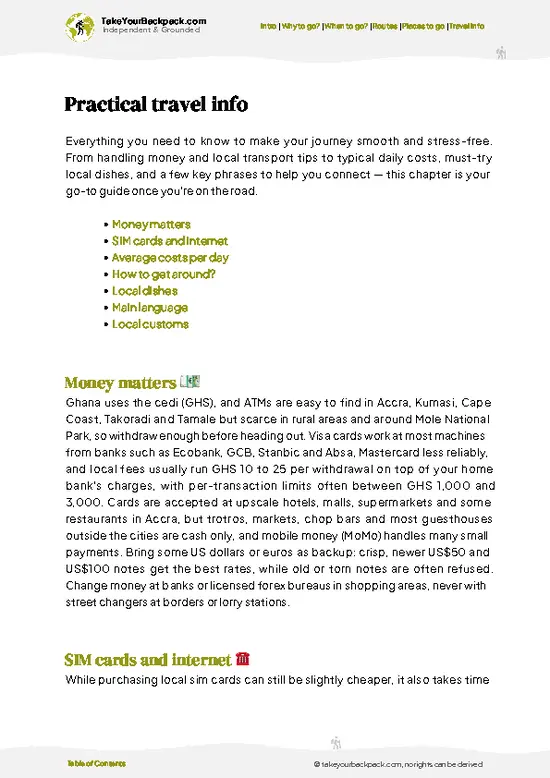
example page 0 from our offline Travel Guide for Ghana
example page 1 from our offline Travel Guide for Ghana
example page 2 from our offline Travel Guide for Ghana
example page 3 from our offline Travel Guide for Ghana
example page 4 from our offline Travel Guide for Ghana
example page 5 from our offline Travel Guide for Ghana
example page 6 from our offline Travel Guide for Ghana
example page 7 from our offline Travel Guide for Ghana
The digital guide (399 pages) contains:
108 highlights, ranked by travel appeal
Optimized 5, 10 & 15-day travel routes
Cities, national parks, landmarks, beaches
How to get around
Offline-friendly for travel without Wi-Fi
👉 Click to see all 30+ guide features

📅 Plan smarter in minutes, not weeks
Month by month travel advice
Festivals & national holidays
Budget expectations

🗺️ Go to the right places, skip the overrated ones
Honest pros & cons of destinations
Top hikes, parks & viewpoints
Lesser-known places most travelers miss
Clear “worth it vs skip it” guidance

🛏️ Travel smoothly without rookie mistakes
Best areas to stay
Transport systems explained simply
Common scams & safety advice
SIM cards, money & practical tips

🌍 Understand the country, not just visit it
Culture & traditions
52 Essential phrases & customs
Festivals worth planning around
Traveler-friendly historical context
Insights that make places more meaningful

📱 Built for real travel conditions
Fully downloadable PDF
Works completely offline
Optimized for phone use
Useful in remote areas & buses
Everything in one place
Save weeks of stressful planning
Get instant access to your full guide. 30‑day money-back guarantee.
+ Add another guide for just US$7.80

By proceeding you agree to our terms.
Sent to your inbox immediately after payment • 100% Secure Checkout
Best Backpacking Travel Advisor 2025 tourism awardBest Backpacking
Travel Advisor
2025
What others say about Take Your Backpack Guides:
⭐⭐⭐⭐⭐
Fantastic, amazing amount of information!
⭐⭐⭐⭐⭐
My goodness this is amazing, it's what I've been looking for hats off too you!
⭐⭐⭐⭐⭐
I think this is absolutely BRILLIANT
⭐⭐⭐⭐
Very complete and informative. It's still missing places, but I gotta to commend you
⭐⭐⭐⭐⭐
This is truly amazing, thank you, can't wait to explore it with my kids!
⭐⭐⭐⭐⭐
Awesome resource, thank you!
⭐⭐⭐⭐⭐
This is amazing! Can't wait to explore the ones I haven't seen
⭐⭐⭐⭐
I love this! Well done, great idea.
⭐⭐⭐⭐⭐
Thanks for taking the time to make this gem!
⭐⭐⭐⭐⭐
This might be the best website I've ever seen.
⭐⭐⭐⭐⭐
Congratulations, and thank you so much for your work; it's incredibly valuable.
⭐⭐⭐⭐
In all seriousness I think you did a great job pointing out the important spots
⭐⭐⭐⭐⭐
10/10 very good
⭐⭐⭐⭐⭐
As someone who's only just starting to visit regularly this is awesome, thank you.
⭐⭐⭐⭐
Thank you very much! I'm going to visit my dad, it's going to be very useful!
⭐⭐⭐⭐⭐
This is really cool! We'll be travelling for the first time and this definitely come in handy.
⭐⭐⭐⭐⭐
You are now our minister of culture, congratulations 👨‍💼
⭐⭐⭐⭐⭐
Just wanted to tell you that this is a pearl! Going to follow your recommendations.
⭐⭐⭐⭐⭐
This is so cool. I'll definitely be using the resource for my travels soon.
⭐⭐⭐⭐⭐
This is very impressive! Good work.
⭐⭐⭐⭐⭐
This is an amazing and informative site. Very well done!

🛏️ Where to stay?Choosing the right base

Cape Coast is a must for backpackers, but let’s cut through the Instagram gloss. Yes, the castle is a haunting piece of history, but the area can get crowded, especially during peak tourist seasons. You’ll find yourself navigating through throngs of visitors snapping selfies. But don’t let that deter you; the real magic lies in the neighborhoods surrounding the castle.

Stay near the beach. It’s not just about the waves; it’s where the backpacker vibe thrives. You’ll find a mix of local eateries and bars buzzing with chatter. This area is safe, and you can easily strike up conversations with fellow … read more 👉
Cape Coast is a must for backpackers, but let’s cut through the Instagram gloss. Yes, the castle is a haunting piece of history, but the area can get crowded, especially during peak tourist seasons. You’ll find yourself navigating through throngs of visitors snapping selfies. But don’t let that deter you; the real magic lies in the neighborhoods surrounding the castle.

Stay near the beach. It’s not just about the waves; it’s where the backpacker vibe thrives. You’ll find a mix of local eateries and bars buzzing with chatter. This area is safe, and you can easily strike up conversations with fellow travelers or locals. The energy is infectious, and you’ll feel the pulse of Cape Coast.

Another solid option is the town center. It’s a bit busier, but you’ll have access to markets and shops that give you a taste of everyday life. Plus, you can find affordable accommodations that cater to budget travelers.

Don’t overlook the outskirts, either. A short walk or bike ride can lead you to quieter spots where you can reflect on the castle’s history without the crowds. Embrace the local culture, and you’ll leave with stories that go beyond the castle walls.

👛 Costs (as of 3 September 2026)Typical daily expenses

Visiting Cape Coast Castle in Ghana is a powerful experience, but it comes with its own set of costs. Here’s a breakdown to help you plan your visit.
  • Entrance Fee: Expect to pay around $5 to $10 USD. This fee grants you access to the castle and a guided tour, which is essential for understanding the site’s history. The guides are knowledgeable and provide context that transforms the visit from a simple tour into a profound experience.
  • Guided Tours: If you want a more personalized experience, private tours can range from $20 to $50 USD, depending on the group size and the depth of the tour. These tours often include additional insights and stories that you might miss in a larger group setting.
  • Transportation: Getting to Cape Coast from Accra can cost between $5 to $15 USD for a shared taxi or
read more 👉
Visiting Cape Coast Castle in Ghana is a powerful experience, but it comes with its own set of costs. Here’s a breakdown to help you plan your visit.
  • Entrance Fee: Expect to pay around $5 to $10 USD. This fee grants you access to the castle and a guided tour, which is essential for understanding the site’s history. The guides are knowledgeable and provide context that transforms the visit from a simple tour into a profound experience.
  • Guided Tours: If you want a more personalized experience, private tours can range from $20 to $50 USD, depending on the group size and the depth of the tour. These tours often include additional insights and stories that you might miss in a larger group setting.
  • Transportation: Getting to Cape Coast from Accra can cost between $5 to $15 USD for a shared taxi or bus. If you opt for a private taxi, expect to pay around $50 to $70 USD. The journey takes about 2 to 3 hours, so factor in travel time when planning your day.
  • Food and Drink: Local eateries near the castle offer meals for $3 to $10 USD. Try some jollof rice or fresh fish; it’s a great way to fuel up after your tour. If you’re looking for something more upscale, expect to pay $15 to $30 USD at a nicer restaurant.
  • Souvenirs: Budget around $5 to $20 USD for local crafts or mementos. Supporting local artisans is a meaningful way to remember your visit, and you’ll find unique items that reflect the culture.

Cape Coast Castle is more than just a tourist spot; it’s a place that demands reflection. The costs are reasonable, especially considering the weight of history you’ll encounter.


source: ghana.travel
⚠️ Prices can change and everyone travels differently, so take this as a rough guide. Hope it helps you plan your adventure!

FAQFrequently asked questions about Cape Coast Castle

Cape Coast Castle is a historic fortress in Ghana, originally built by the Swedish in the 1650s and later used by the British as a major hub in the trans-Atlantic slave trade. It is now a museum and UNESCO World Heritage site, offering guided tours that explain its dark history.
You need about 1.5 to 2 hours to visit Cape Coast Castle thoroughly, including the guided tour and time to explore the museum exhibits. Plan extra time if you want to visit the nearby beach or other local attractions.
To get to Cape Coast Castle, travel to Cape Coast town, which is approximately 150 kilometers west of Accra. You can take a tro-tro (shared minibus) or a private car from Accra, with the journey typically taking around 3 to 4 hours depending on traffic.
⚠️ Things can change over time, so always validate details locally before you go.

Other Ghanaian landmarks near Cape Coast Castle

Explore more nearby:

  • Elmina St. George’s castle—whitewashed walls, fishing harbor views, Portuguese fortifications| 12 km away
  • Boti Falls—twin cascades, forest trails, natural swimming pools| 166 km away
  • Wli Waterfalls—tall single drop, mountain backdrop, bat colonies| 302 km away

💡 Not sure where to go next?
Create a personalized itinerary for Ghana including Cape Coast Castle and the places that fit your trip.

Generate my itinerary

👉 Discover all landmarks

Or checkout all Ghana has to offer (think cities, towns, villages, national parks, hikes, beaches, festivals)
Country photo of Ghana

We 💚 feedbackIs it worth it?

Cape Coast Castle is a heavy place, and it hits hard. Standing in the dungeons, you can almost feel the weight of history pressing down. It’s a raw, emotional experience that’s worth every step. But let’s be real: the crowds can be overwhelming, especially during peak season. You’ll be jostling for space with tour groups, which can dilute the gravity of the moment. Still, the stories you’ll take away are priceless.

✈️ When did I visit Ghana?
Ghana I visited in December 2024, starting in Accra following the coast, then up north to Mole National park to finish in the Volta Region.

✍️ Help improve this page!
The information on this page is based on my own backpacking experience in Ghana, supplemented with up-to-date research and feedback from other travelers. Travel details can change, so if you notice anything outdated or incomplete, feel free to let me know.


🙋‍♂️ Give feedback

👋 Meet the founderWho’s Behind Take Your Backpack?

Johan, backpacker and founder of TakeYourBackpackHi, I’m Johan (Netherlands 🇳🇱), the creator of TakeYourBackpack. Over the past decade, I’ve backpacked through 80+ countries across six continents, gaining extensive experience with independent travel, long-term trips, and overland routes.

This site is built on a combination of firsthand travel experience and carefully curated insights from other backpackers. Many guides are based on places I’ve personally visited, while others bring together tips, observations, and practical advice shared by trusted travelers I’ve met along the way.

The goal is to provide realistic, experience-driven guidance — not generic itineraries — so you can explore destinations with better context, clearer expectations, and more confidence.

Get full Ghana guide •
Instant download • 108 highlights • Full Offline guide