How Many to Visit: Aim for
5 to 8 landmarks in one trip. That is enough to see the coastal, Ashanti and northern sides of Ghana without every stop blurring into another, and it leaves room for slow tro-tro rides and long lunches of waakye or fried fish. Fewer, longer visits teach more than ticking off a dozen forts in a day.
Prioritizing by Style: History-minded travelers should lean on the
coastal fortifications, where a guided tour turns echoing stone rooms into context. Culture seekers should favor
Ashanti and royal heritage, ideally timed with a market or festival day for color and drumming. Those wanting space and quiet should go north, where
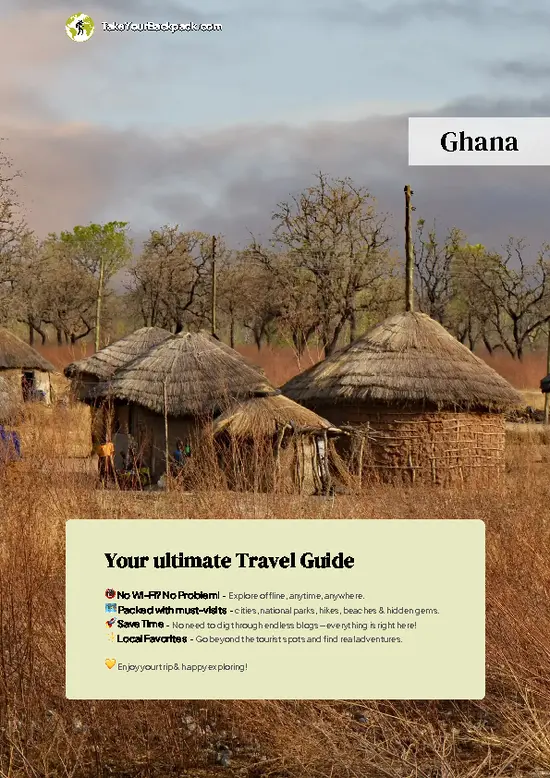
mud-built mosques and old settlements sit in dry heat and red dust.
Budget: Plan
US$30 to 55 a day for food, simple rooms, transport and entry fees. …
read more 👉 How Many to Visit: Aim for
5 to 8 landmarks in one trip. That is enough to see the coastal, Ashanti and northern sides of Ghana without every stop blurring into another, and it leaves room for slow tro-tro rides and long lunches of waakye or fried fish. Fewer, longer visits teach more than ticking off a dozen forts in a day.
Prioritizing by Style: History-minded travelers should lean on the
coastal fortifications, where a guided tour turns echoing stone rooms into context. Culture seekers should favor
Ashanti and royal heritage, ideally timed with a market or festival day for color and drumming. Those wanting space and quiet should go north, where
mud-built mosques and old settlements sit in dry heat and red dust.
Budget: Plan
US$30 to 55 a day for food, simple rooms, transport and entry fees. Foreign entry is typically GH₵40 to 200 (about US$3 to 14) at major sites, and cheaper at smaller ones. Guides are often included or cost GH₵20 to 100 (US$1.50 to 7) as a tip. Local transport runs GH₵15 to 100 (US$1 to 7) per leg, and VIP buses cost more. Carry small cedi notes, since change is often scarce and mobile money is common.
Safety and Culture: Ghana is
relatively safe, but keep valuables close in crowded stations and on beaches near forts. Dress modestly at royal, religious and shrine sites: cover shoulders and knees, remove hats and shoes where asked.
Ask before photographing people, chiefs, ceremonies and shrines, and expect to pay a small fee in some places. Greet with the right hand, never the left. At sites tied to the slave trade, visitors often fall silent, and guides expect respect rather than jokes or selfies in dungeons. Bring water, sunscreen and insect repellent, because shade is scarce and mosquitoes show up at dusk. Reward yourself with a cold drink in the shade afterward.


 Best Backpacking
 Hi, I’m Johan (Netherlands 🇳🇱), the creator of TakeYourBackpack. Over the past 3 decades, I’ve backpacked through 90+ countries across six continents, gaining extensive experience with independent travel, long-term trips, and overland routes.