The Cannon-Lined Ramparts
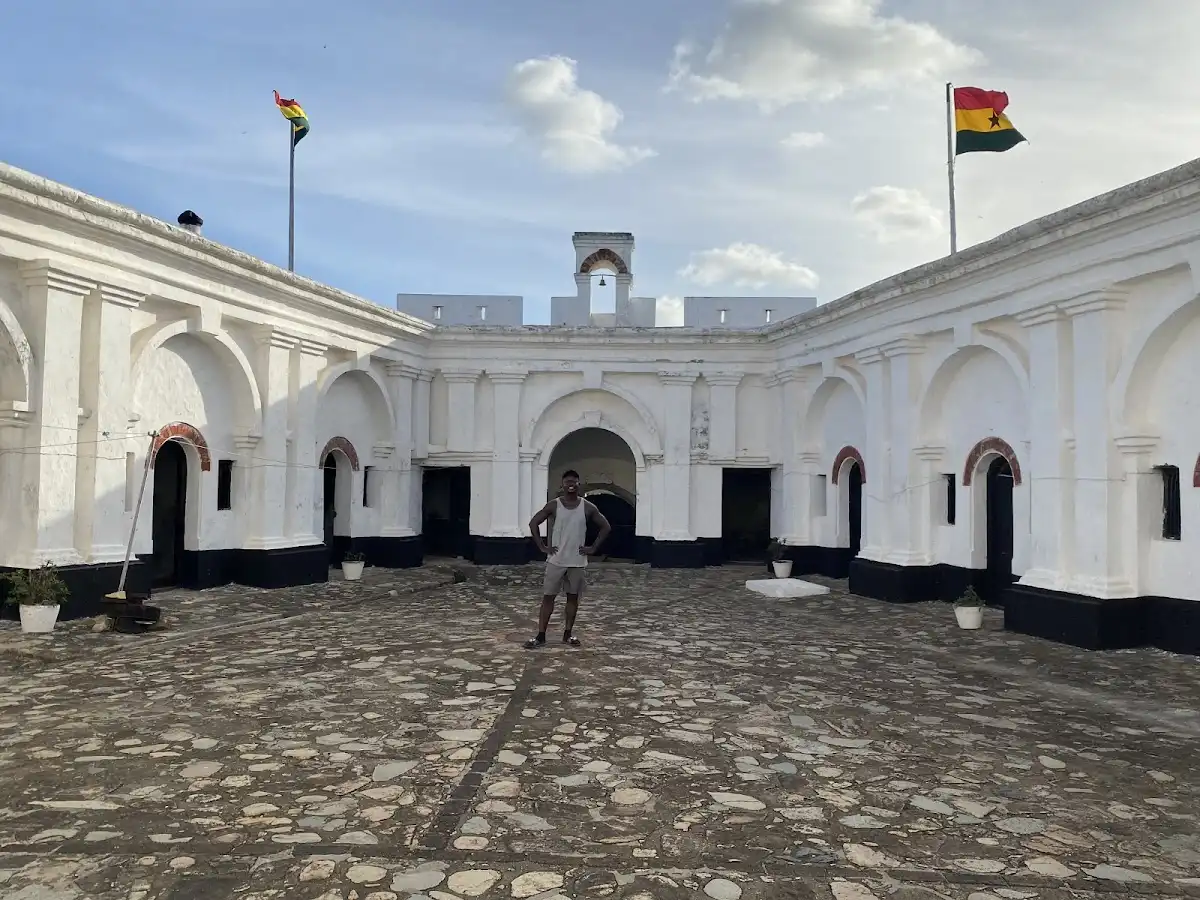
Let’s cut through the postcard haze: the real drama at Fort Metal Cross is up on those battered ramparts, where cannons still glare out over the Gulf of Guinea. You’re not just looking at relics—you’re standing in the wind, salt on your lips, imagining the thunder of artillery and the chaos of colonial ambition. The view is raw and panoramic, but it’s the sense of history under your boots that hits hardest. This isn’t a sanitized monument; it’s a fortress that’s seen centuries of conflict, trade, and tragedy. If you want a selfie, fine, but the real entertainment is letting your imagination run wild with the ghosts of soldiers, merchants, and captives who passed through these walls.
The Dungeons and Holding Cells
Here’s where the Instagram crowd usually gets quiet. … read more 👉
Let’s cut through the postcard haze: the real drama at Fort Metal Cross is up on those battered ramparts, where cannons still glare out over the Gulf of Guinea. You’re not just looking at relics—you’re standing in the wind, salt on your lips, imagining the thunder of artillery and the chaos of colonial ambition. The view is raw and panoramic, but it’s the sense of history under your boots that hits hardest. This isn’t a sanitized monument; it’s a fortress that’s seen centuries of conflict, trade, and tragedy. If you want a selfie, fine, but the real entertainment is letting your imagination run wild with the ghosts of soldiers, merchants, and captives who passed through these walls.
The Dungeons and Holding Cells
Here’s where the Instagram crowd usually gets quiet. … read more 👉
The Cannon-Lined Ramparts
Let’s cut through the postcard haze: the real drama at Fort Metal Cross is up on those battered ramparts, where cannons still glare out over the Gulf of Guinea. You’re not just looking at relics—you’re standing in the wind, salt on your lips, imagining the thunder of artillery and the chaos of colonial ambition. The view is raw and panoramic, but it’s the sense of history under your boots that hits hardest. This isn’t a sanitized monument; it’s a fortress that’s seen centuries of conflict, trade, and tragedy. If you want a selfie, fine, but the real entertainment is letting your imagination run wild with the ghosts of soldiers, merchants, and captives who passed through these walls.
The Dungeons and Holding Cells
Here’s where the Instagram crowd usually gets quiet. The dungeons are not pretty, and they’re not supposed to be. These cramped, airless rooms once held enslaved Africans before their forced journey across the Atlantic. The walls are thick, the air is heavy, and the silence is deafening. It’s uncomfortable, and it should be. But if you’re after an experience that matters—a confrontation with the brutal reality behind the fort’s existence—this is where you find it. No amount of filters can soften the impact. This is the real story, and it’s worth your full attention.
The Rooftop Panorama
Climb up to the rooftop for a view that’s more than just a pretty backdrop. You get a 360-degree sweep of Dixcove’s fishing village, the wild Atlantic, and the endless green of Ghana’s coast. It’s not just about the scenery; it’s about context. You see how the fort dominates the landscape, how close the village is, how the ocean both connects and divides. This is the spot where history, geography, and daily life collide. It’s my personal favorite—there’s something about standing above it all, wind in your face, that makes the past and present feel equally real.
The Local Guides’ Stories
Skip the scripted tour and listen for the guides who grew up in Dixcove. Their stories aren’t always polished, but they’re alive with detail—family legends, local gossip, and the kind of off-the-record history you won’t find in textbooks. You’ll hear about the fort’s role in the community, the superstitions that linger, and the ways the past still shapes daily life. This is where the fort stops being a relic and starts being a living part of Ghana’s story. If you want entertainment, forget the plaques—follow the laughter and the side-eyes, and let the locals show you what the place really means.
Let’s cut through the postcard haze: the real drama at Fort Metal Cross is up on those battered ramparts, where cannons still glare out over the Gulf of Guinea. You’re not just looking at relics—you’re standing in the wind, salt on your lips, imagining the thunder of artillery and the chaos of colonial ambition. The view is raw and panoramic, but it’s the sense of history under your boots that hits hardest. This isn’t a sanitized monument; it’s a fortress that’s seen centuries of conflict, trade, and tragedy. If you want a selfie, fine, but the real entertainment is letting your imagination run wild with the ghosts of soldiers, merchants, and captives who passed through these walls.
The Dungeons and Holding Cells
Here’s where the Instagram crowd usually gets quiet. The dungeons are not pretty, and they’re not supposed to be. These cramped, airless rooms once held enslaved Africans before their forced journey across the Atlantic. The walls are thick, the air is heavy, and the silence is deafening. It’s uncomfortable, and it should be. But if you’re after an experience that matters—a confrontation with the brutal reality behind the fort’s existence—this is where you find it. No amount of filters can soften the impact. This is the real story, and it’s worth your full attention.
The Rooftop Panorama
Climb up to the rooftop for a view that’s more than just a pretty backdrop. You get a 360-degree sweep of Dixcove’s fishing village, the wild Atlantic, and the endless green of Ghana’s coast. It’s not just about the scenery; it’s about context. You see how the fort dominates the landscape, how close the village is, how the ocean both connects and divides. This is the spot where history, geography, and daily life collide. It’s my personal favorite—there’s something about standing above it all, wind in your face, that makes the past and present feel equally real.
The Local Guides’ Stories
Skip the scripted tour and listen for the guides who grew up in Dixcove. Their stories aren’t always polished, but they’re alive with detail—family legends, local gossip, and the kind of off-the-record history you won’t find in textbooks. You’ll hear about the fort’s role in the community, the superstitions that linger, and the ways the past still shapes daily life. This is where the fort stops being a relic and starts being a living part of Ghana’s story. If you want entertainment, forget the plaques—follow the laughter and the side-eyes, and let the locals show you what the place really means.
Spotted a mistake or missing something? Contact us.
v2.webp)


Best Backpacking
Hi, I’m Johan (Netherlands 🇳🇱), the creator of TakeYourBackpack. Over the past decade, I’ve backpacked through 80+ countries across six continents, gaining extensive experience with independent travel, long-term trips, and overland routes.