How many attractions to visit: I advise
six to eight attractions across a two-week trip, no more than one major stop a day. Ghana’s heat, uneven roads and long waits for full tro-tros eat energy fast, and a rushed itinerary leaves you remembering vehicles instead of places. Slower days give you time to hear drums at dusk, smell charcoal-grilled tilapia and talk with a guide.
Prioritizing by travel style: If you care about
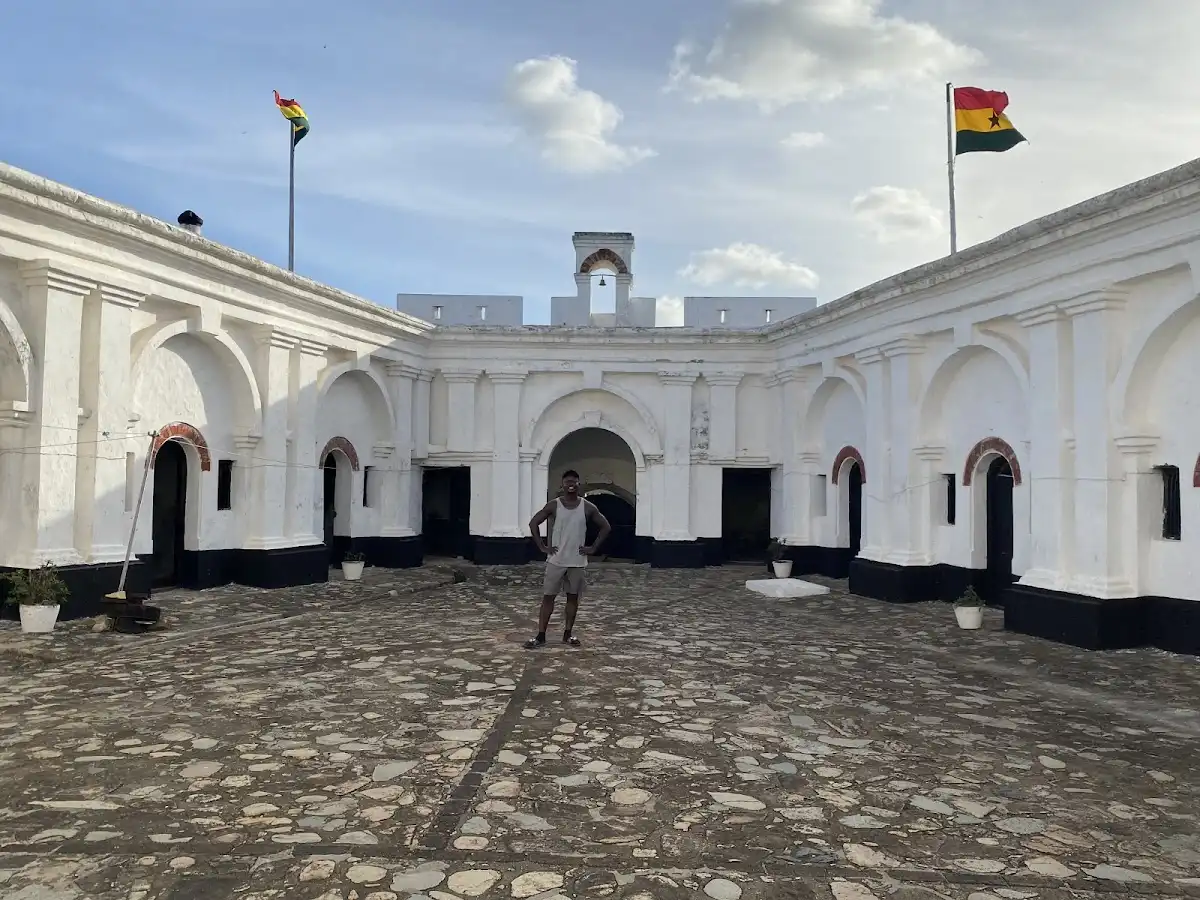
history, put the coastal forts first and hire a guide; the stories behind the walls matter more than the buildings. For
culture and crafts, choose Ashanti villages where weaving and wood carving still run in family compounds, and you can watch hands at work. For
nature, pick one forest or savanna reserve rather than several, since access often needs a hired vehicle and an …
read more 👉 How many attractions to visit: I advise
six to eight attractions across a two-week trip, no more than one major stop a day. Ghana’s heat, uneven roads and long waits for full tro-tros eat energy fast, and a rushed itinerary leaves you remembering vehicles instead of places. Slower days give you time to hear drums at dusk, smell charcoal-grilled tilapia and talk with a guide.
Prioritizing by travel style: If you care about
history, put the coastal forts first and hire a guide; the stories behind the walls matter more than the buildings. For
culture and crafts, choose Ashanti villages where weaving and wood carving still run in family compounds, and you can watch hands at work. For
nature, pick one forest or savanna reserve rather than several, since access often needs a hired vehicle and an early start. Beach time and festivals fit best as rest days between heavier stops.
What it costs: A budget backpacker can live on
US$25 to 45 a day, covering a dorm or simple guesthouse, street food such as waakye or banku with grilled fish, and shared transport. Entry fees at major sites commonly run about
GH¢50 to 200 (roughly US$4 to 15) for foreigners, with national parks sometimes higher. Guides are often included or cost about GH¢50 to 150 per tour, and a tip is welcome. Taxis for short hops cost about GH¢30 to 100, while a day with a private driver can run
US$50 to 90. Carry cash in small notes, because many ticket booths and rural vendors do not take cards.
Safety and cultural care: Ghana is among West Africa’s calmer destinations, and petty theft in crowded markets and bus stations is the usual risk. Keep your phone out of sight on busy streets. Swim only where locals do, since
rip currents along the Atlantic coast can be strong. Use mosquito protection and take malaria prophylaxis as advised by a clinician.
Respect and etiquette: Greet people before asking anything, and use your
right hand for passing money, food or handshakes. Dress modestly at palaces, shrines and mosques, and ask permission before photographing people, ceremonies or fetish sites, where a small fee is common. Funerals can look like parties, but they are family occasions, so join only if invited. A warm greeting often turns a quick visit into an hour of conversation and a shared plate of food.
v2.webp)





 Best Backpacking
.jpg) Hi, I’m Johan (Netherlands 🇳🇱), the creator of TakeYourBackpack. Over the past 3 decades, I’ve backpacked through 90+ countries across six continents, gaining extensive experience with independent travel, long-term trips, and overland routes.
Hi, I’m Johan (Netherlands 🇳🇱), the creator of TakeYourBackpack. Over the past 3 decades, I’ve backpacked through 90+ countries across six continents, gaining extensive experience with independent travel, long-term trips, and overland routes.