
The Slave Dungeons
Let’s rip off the Instagram filter: these are not “quaint stone chambers.” The dungeons at Fort San Sebastian are raw, claustrophobic, and heavy with the memory of human suffering. You’ll see the iron-barred cells where enslaved Africans were packed in, sometimes for months, before being shipped across the Atlantic. The air is thick, even now. It’s not comfortable, but it’s necessary. If you want to understand the real story of the Atlantic slave trade, this is where you stand in the dark and let the truth hit you. No amount of social media polish can—or should—soften this reality.
The Ocean-Facing Ramparts
Here’s where the fort flips the script. Step out from the dungeons and you’re hit with a blast of Atlantic wind and a view that’s all wild surf and endless horizon. … read more 👉
Let’s rip off the Instagram filter: these are not “quaint stone chambers.” The dungeons at Fort San Sebastian are raw, claustrophobic, and heavy with the memory of human suffering. You’ll see the iron-barred cells where enslaved Africans were packed in, sometimes for months, before being shipped across the Atlantic. The air is thick, even now. It’s not comfortable, but it’s necessary. If you want to understand the real story of the Atlantic slave trade, this is where you stand in the dark and let the truth hit you. No amount of social media polish can—or should—soften this reality.
The Ocean-Facing Ramparts
Here’s where the fort flips the script. Step out from the dungeons and you’re hit with a blast of Atlantic wind and a view that’s all wild surf and endless horizon. … read more 👉
The Slave Dungeons
Let’s rip off the Instagram filter: these are not “quaint stone chambers.” The dungeons at Fort San Sebastian are raw, claustrophobic, and heavy with the memory of human suffering. You’ll see the iron-barred cells where enslaved Africans were packed in, sometimes for months, before being shipped across the Atlantic. The air is thick, even now. It’s not comfortable, but it’s necessary. If you want to understand the real story of the Atlantic slave trade, this is where you stand in the dark and let the truth hit you. No amount of social media polish can—or should—soften this reality.
The Ocean-Facing Ramparts
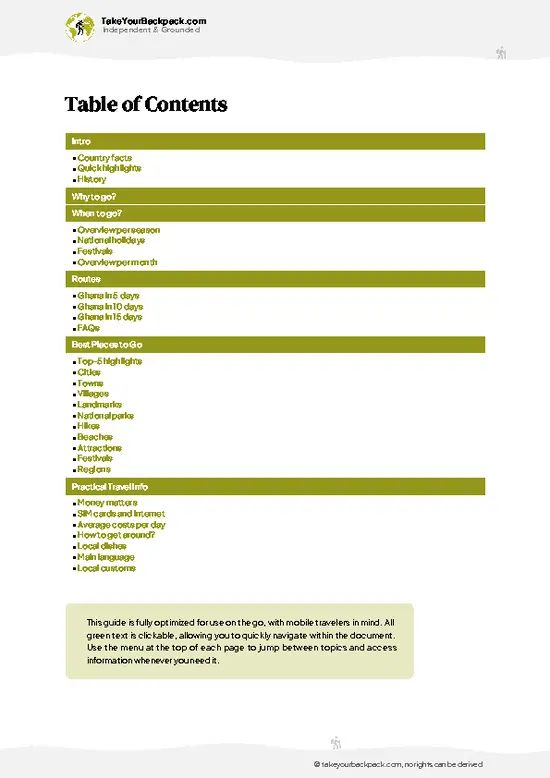
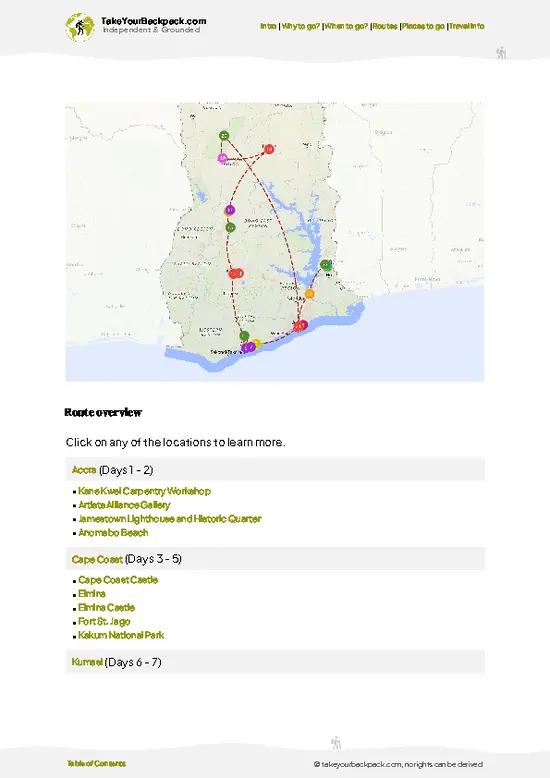
Here’s where the fort flips the script. Step out from the dungeons and you’re hit with a blast of Atlantic wind and a view that’s all wild surf and endless horizon. The ramparts are battered, sun-bleached, and honest. You can trace the grooves where cannons once stood, aimed at pirates and rival colonial powers. It’s not about the view for your feed—it’s about the feeling of standing where history collided with geography. The ocean is relentless, and so is the story.
The Governor’s Quarters
This isn’t Versailles. The governor’s rooms are stark, functional, and almost aggressively unadorned. That’s the point. The contrast between the relative comfort here and the misery below is jarring. You’ll see the remnants of imported tiles, a battered fireplace, and windows that frame the sea. It’s a blunt reminder of who held power and who paid the price. The architecture doesn’t let you forget it.
The Chapel
A tiny, echoing room that’s equal parts sanctuary and contradiction. The chapel at Fort San Sebastian is where colonial officers prayed—sometimes just steps above the dungeons. The irony is thick enough to taste. The faded crosses and worn benches are a study in cognitive dissonance. If you want a place that forces you to wrestle with the complexities of faith, power, and morality, this is it.
The Walk Through Shama Town
Personal favorite. Skip the urge to bolt back to your air-conditioned van. Step outside the fort and walk through Shama’s fishing village. The fort looms above, but life pulses below—kids playing soccer, fishermen mending nets, the smell of smoked fish curling through the air. This is where you see the living Ghana that exists alongside the history. It’s not curated, it’s not sanitized, and it’s the best reality check you’ll get all day. The fort is a monument; the town is the heartbeat.
The Rooftop at Sunset
If you’re lucky enough to catch the fort at golden hour, climb up to the roof. The light turns the whitewashed walls a deep, bruised orange. The ocean roars below. It’s not peaceful—too much history for that—but it’s honest. You’ll feel the weight and the beauty at the same time. No influencer can fake that.
Let’s rip off the Instagram filter: these are not “quaint stone chambers.” The dungeons at Fort San Sebastian are raw, claustrophobic, and heavy with the memory of human suffering. You’ll see the iron-barred cells where enslaved Africans were packed in, sometimes for months, before being shipped across the Atlantic. The air is thick, even now. It’s not comfortable, but it’s necessary. If you want to understand the real story of the Atlantic slave trade, this is where you stand in the dark and let the truth hit you. No amount of social media polish can—or should—soften this reality.
The Ocean-Facing Ramparts
Here’s where the fort flips the script. Step out from the dungeons and you’re hit with a blast of Atlantic wind and a view that’s all wild surf and endless horizon. The ramparts are battered, sun-bleached, and honest. You can trace the grooves where cannons once stood, aimed at pirates and rival colonial powers. It’s not about the view for your feed—it’s about the feeling of standing where history collided with geography. The ocean is relentless, and so is the story.
The Governor’s Quarters
This isn’t Versailles. The governor’s rooms are stark, functional, and almost aggressively unadorned. That’s the point. The contrast between the relative comfort here and the misery below is jarring. You’ll see the remnants of imported tiles, a battered fireplace, and windows that frame the sea. It’s a blunt reminder of who held power and who paid the price. The architecture doesn’t let you forget it.
The Chapel
A tiny, echoing room that’s equal parts sanctuary and contradiction. The chapel at Fort San Sebastian is where colonial officers prayed—sometimes just steps above the dungeons. The irony is thick enough to taste. The faded crosses and worn benches are a study in cognitive dissonance. If you want a place that forces you to wrestle with the complexities of faith, power, and morality, this is it.
The Walk Through Shama Town
Personal favorite. Skip the urge to bolt back to your air-conditioned van. Step outside the fort and walk through Shama’s fishing village. The fort looms above, but life pulses below—kids playing soccer, fishermen mending nets, the smell of smoked fish curling through the air. This is where you see the living Ghana that exists alongside the history. It’s not curated, it’s not sanitized, and it’s the best reality check you’ll get all day. The fort is a monument; the town is the heartbeat.
The Rooftop at Sunset
If you’re lucky enough to catch the fort at golden hour, climb up to the roof. The light turns the whitewashed walls a deep, bruised orange. The ocean roars below. It’s not peaceful—too much history for that—but it’s honest. You’ll feel the weight and the beauty at the same time. No influencer can fake that.
Spotted a mistake or missing something? Contact us.
v2.webp)

Best Backpacking
Hi, I’m Johan (Netherlands 🇳🇱), the creator of TakeYourBackpack. Over the past decade, I’ve backpacked through 80+ countries across six continents, gaining extensive experience with independent travel, long-term trips, and overland routes.