×

Ghana🇬🇭 | attractionsManhyia Palace Museumroyal regalia, Ashanti heritage, palace grounds | things to do and best time to go

Explore Elmina CastleExplore National Museum of Ghana

Backpacking in Manhyia Palace Museum
🏆 Top pickattraction ranked #4
By Johan Kruseman 🇳🇱 | Updated May 30, 2026

Here’s what nobody tells you until you’re sweating in the Ghanaian sun: Manhyia Palace Museum is one of the rare places in Kumasi where you can get a real, air-conditioned break—without sacrificing a single ounce of cultural immersion. Smack in the heart of Kumasi, the Ashanti capital, this isn’t just another “royal” photo op. The museum is the living, beating heart of Ashanti history, still tied to the current royal family. Yes, you’ll dodge a few school groups and the odd bus tour, but the crowds here are nothing compared to Cape Coast Castle or Kakum’s canopy walk. The entry fee is higher than you’d expect for a Ghanaian museum, but you’re paying for access to stories and artifacts you won’t find anywhere else—think gold regalia, personal effects of Ashanti kings, and a guide who actually knows their stuff. It’s not flashy, but if you want to understand Ghana beyond the postcards, this is where you start.

Discover everything you want to know in the 📖 Ghana Travel Guide.


Get your Ghana guide
111 ranked highlights, routes & tips, works offline (424 pages)
Loading the map 🌍
CLICK TO FILTER
cities
towns
villages
landmarks
national parks
hikes
beaches
attractions
festivals
regions
SHOW COUNTRY’S BESTSHOW ALL

✨ Why go?
Ranked #4 attraction in Ghana
Why Manhyia Palace Museum should be on your travel list

The Manhyia Palace Museum in Ghana isn’t just another spot on the tourist checklist—it’s a heavyweight in West African history that demands your attention. Sure, it’s not tucked away in some secret jungle clearing; it’s smack in Kumasi, a bustling city where the crowds can feel like a tidal wave. But that’s part of the deal. This place is the beating heart of the Ashanti Kingdom, a powerhouse that shaped Ghana’s identity long before colonial maps were drawn. The museum itself is housed in the former palace of the Ashanti kings, so you’re walking through halls where real history was made, not just staged for Instagram likes.

What makes it worth the hustle? The depth of cultural insight you get here is unmatched. You’ll see royal regalia that’s not just shiny artifacts but symbols of power, … read more 👉
The Manhyia Palace Museum in Ghana isn’t just another spot on the tourist checklist—it’s a heavyweight in West African history that demands your attention. Sure, it’s not tucked away in some secret jungle clearing; it’s smack in Kumasi, a bustling city where the crowds can feel like a tidal wave. But that’s part of the deal. This place is the beating heart of the Ashanti Kingdom, a powerhouse that shaped Ghana’s identity long before colonial maps were drawn. The museum itself is housed in the former palace of the Ashanti kings, so you’re walking through halls where real history was made, not just staged for Instagram likes.

What makes it worth the hustle? The depth of cultural insight you get here is unmatched. You’ll see royal regalia that’s not just shiny artifacts but symbols of power, resistance, and tradition that survived centuries of upheaval. The stories told here aren’t sugar-coated; they’re raw and real, giving you a front-row seat to the Ashanti’s resilience and pride. For backpackers threading through Ghana, this museum is a milestone—a place where history hits you with the weight of its legacy, making the sweat and the crowds a small price to pay. If you want to understand Ghana beyond the surface, this is your gateway.
Want to include Manhyia Palace Museum in your Ghana route?
Create a personalized Ghana itinerary that includes Manhyia Palace Museum and the places that fit your trip — based on your travel style, budget, and available time. Get your route in seconds.

Generate my trip

💡 HighlightsDon't-miss highlights and experiences

The Royal Regalia Room
Forget the velvet ropes and glass cases you see in European palaces. Here, you’re face-to-face with the actual gold-laden stools, swords, and ceremonial garb of the Ashanti kings. These aren’t just props—they’re living symbols of power, pride, and resistance. The craftsmanship is wild: gold filigree, intricate beadwork, and enough visual swagger to make any museum in Europe look underdressed. If you want to understand why the British were obsessed with Ashanti gold, this room spells it out in shimmering detail.


The Queen Mother’s Quarters
This isn’t a Disney “queen” situation. The Ashanti Queen Mother is a political heavyweight, not a figurehead. Her quarters are preserved with a sense of lived-in authority—think portraits, personal effects, and a palpable sense of … read more 👉
The Royal Regalia Room
Forget the velvet ropes and glass cases you see in European palaces. Here, you’re face-to-face with the actual gold-laden stools, swords, and ceremonial garb of the Ashanti kings. These aren’t just props—they’re living symbols of power, pride, and resistance. The craftsmanship is wild: gold filigree, intricate beadwork, and enough visual swagger to make any museum in Europe look underdressed. If you want to understand why the British were obsessed with Ashanti gold, this room spells it out in shimmering detail.


The Queen Mother’s Quarters
This isn’t a Disney “queen” situation. The Ashanti Queen Mother is a political heavyweight, not a figurehead. Her quarters are preserved with a sense of lived-in authority—think portraits, personal effects, and a palpable sense of matriarchal power. You’ll see the difference between ceremonial and actual influence, and you’ll walk away with a new respect for the women who shaped Ashanti history from behind (and sometimes in front of) the throne.


The War Room
If you’re expecting a sanitized, textbook version of colonial history, brace yourself. The War Room is blunt: battle drums, weapons, and chilling accounts of the Ashanti resistance against British imperialism. The stories here aren’t sugarcoated. You’ll see the scars of war—literal and metaphorical—and get a crash course in why the Ashanti were never easy to conquer. This is the room where the museum stops being a photo op and starts being a gut punch.


The Courtyard Storytelling Sessions
This is my personal favorite. Skip the guidebook monologue and listen to the real thing: griots and local guides who don’t just recite facts—they perform them. Expect booming voices, sly jokes, and the kind of storytelling that makes history feel like it’s happening right now. If you’re lucky, you’ll catch a spontaneous drumming demonstration or a debate about Ashanti legends. This is where the palace comes alive, and where you’ll actually remember what you learned.


The King’s Classic Cars
Yes, you read that right. The Ashanti kings loved their cars, and the museum doesn’t hide it. There’s a small but fascinating collection of vintage vehicles—think 1940s Cadillacs and Mercedes—parked right where you’d least expect them. It’s a jarring, delightful reminder that tradition and modernity have always been in conversation here. The cars are more than status symbols; they’re proof that the Ashanti court was plugged into the world, not stuck in the past.


The Living Palace Next Door
Here’s the kicker: Manhyia isn’t just a museum. The current Asantehene (king) lives right next door, and the line between “historic” and “current events” is razor-thin. You might see a royal procession, a visiting dignitary, or a crowd gathering for a festival. The sense of continuity is electric. This isn’t a relic—it’s a living, breathing seat of power. That’s the real magic, and no Instagram filter can fake it.
Spotted a mistake or missing something? Contact us.

Things to do around Manhyia Palace Museum

Ratings based on Tripadvisor reviews. When you book through this link, you support our work at no extra cost to you.

🌤️ When to go?Weather, crowds, and seasonal trade-offs


  • Weather: The best time to visit Manhyia Palace Museum is during Ghana’s dry season, from November to March. Expect less rain, which means fewer muddy paths and more comfortable exploring. The wet season (April to October) brings heavy rains that can disrupt your plans and dampen the experience.

  • Temperature: Temperatures hover between 24°C to 32°C (75°F to 90°F) year-round, but the dry season feels less sticky thanks to lower humidity. The wet season can feel hotter and more oppressive, making walking around the museum less enjoyable.

  • Daylight Hours: Ghana enjoys roughly 12 hours of daylight year-round, so timing your visit isn’t about daylight but more about avoiding rain and crowds.

  • Crowds: Tourist traffic peaks around December and January, coinciding with holiday travel and festivals.
read more 👉

  • Weather: The best time to visit Manhyia Palace Museum is during Ghana’s dry season, from November to March. Expect less rain, which means fewer muddy paths and more comfortable exploring. The wet season (April to October) brings heavy rains that can disrupt your plans and dampen the experience.

  • Temperature: Temperatures hover between 24°C to 32°C (75°F to 90°F) year-round, but the dry season feels less sticky thanks to lower humidity. The wet season can feel hotter and more oppressive, making walking around the museum less enjoyable.

  • Daylight Hours: Ghana enjoys roughly 12 hours of daylight year-round, so timing your visit isn’t about daylight but more about avoiding rain and crowds.

  • Crowds: Tourist traffic peaks around December and January, coinciding with holiday travel and festivals. Visiting in November or February means fewer tourists, giving you a more intimate look at the palace without the selfie-stick chaos.

  • Seasonal Activities: The Ashanti Festival (Akwasidae) occurs every six weeks, but the big ones fall between December and March. These are vibrant cultural moments, but they also bring crowds and higher prices.

  • Price Fluctuations: Entry fees remain stable, but accommodation and local transport costs spike during the dry season holidays. Booking ahead can save you from last-minute price gouging.


Pro-tip: Aim for late November or early February—dry enough to dodge rain, calm enough to skip the crowds, and perfectly timed to catch authentic Ashanti culture without the tourist circus.


source: climatestotravel.comJANJanuary: good for travelingFEBFebruary: highly recommended for travelingMARMarch: highly recommended for travelingAPRApril: fair for travelingMAYMay: fair for travelingJUNJune: fair for travelingJULJuly: fair for travelingAUGAugust: fair for travelingSEPSeptember: fair for travelingOCTOctober: fair for travelingNOVNovember: highly recommended for travelingDECDecember: good for traveling
when-to-go

✈️ The backpacker research shortcutGhana Travel Guide

An offline-friendly backpacking guide with optimized travel routes, ranked highlights, transport advice, and the best areas to stay.
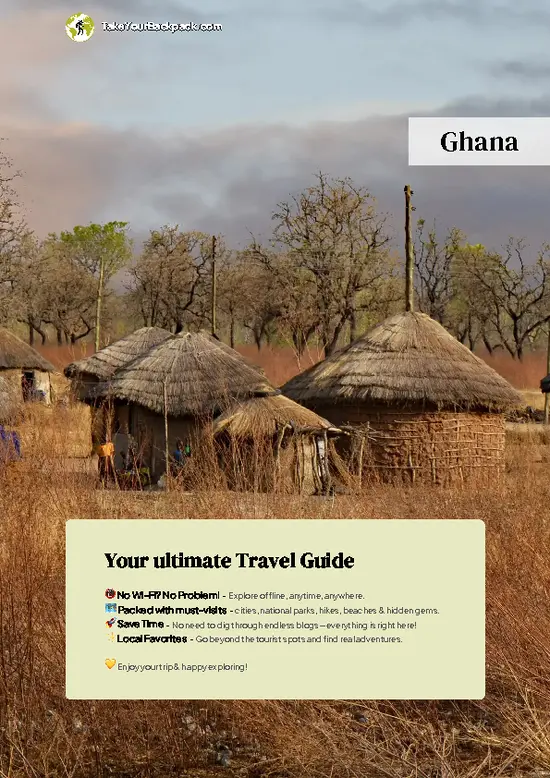
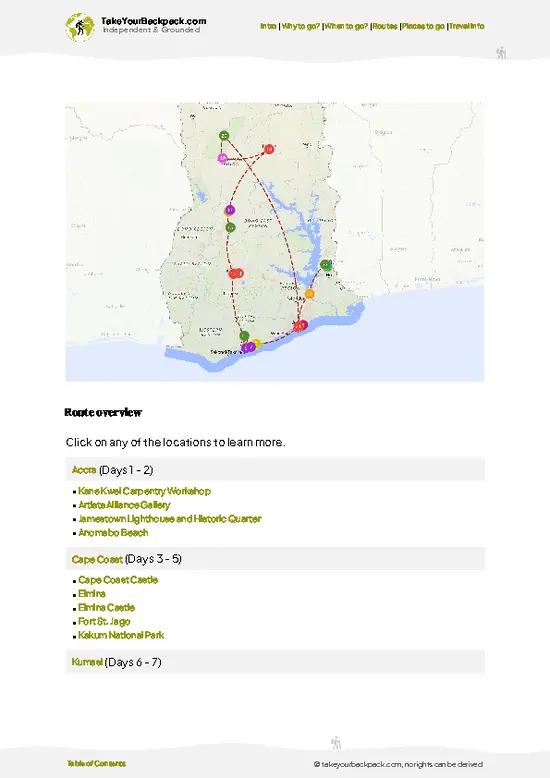
example page 0 from our offline Travel Guide for Ghana
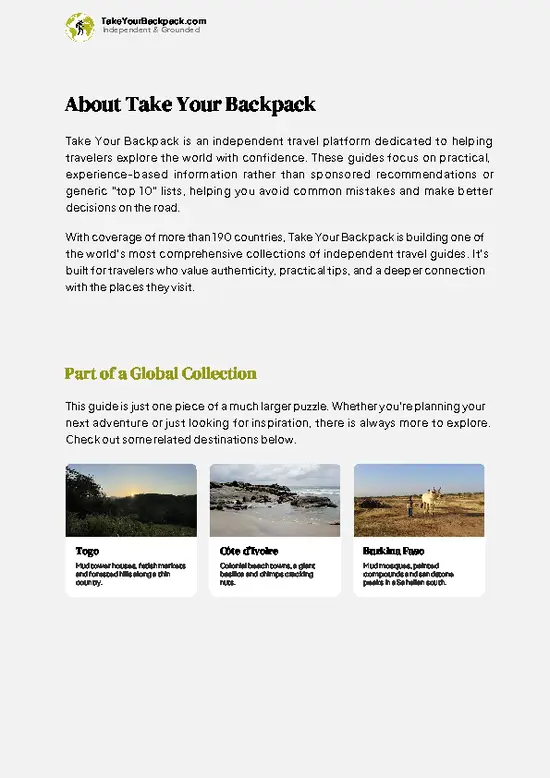
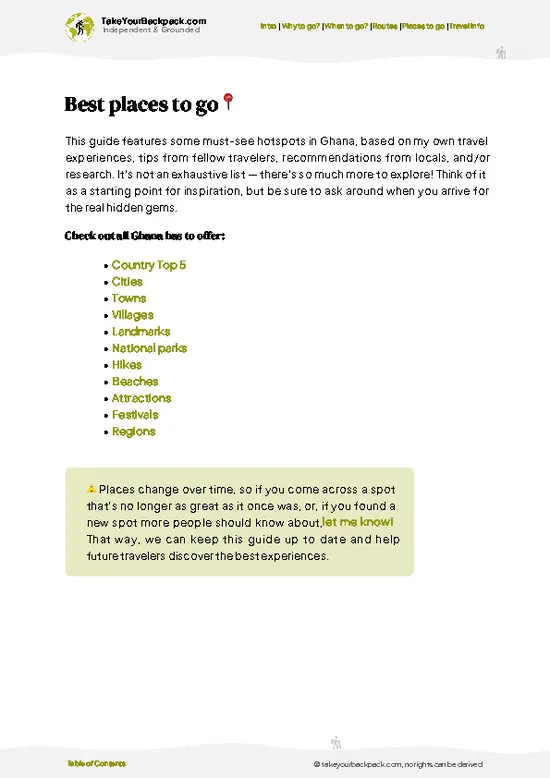
example page 1 from our offline Travel Guide for Ghana
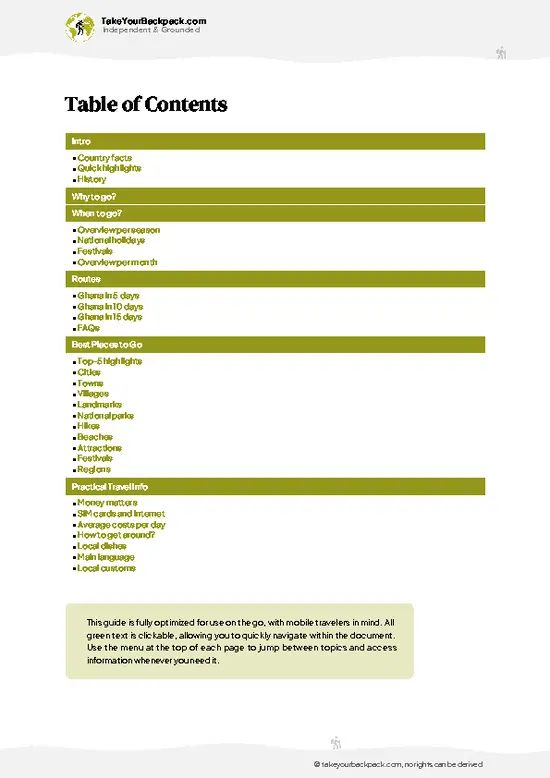
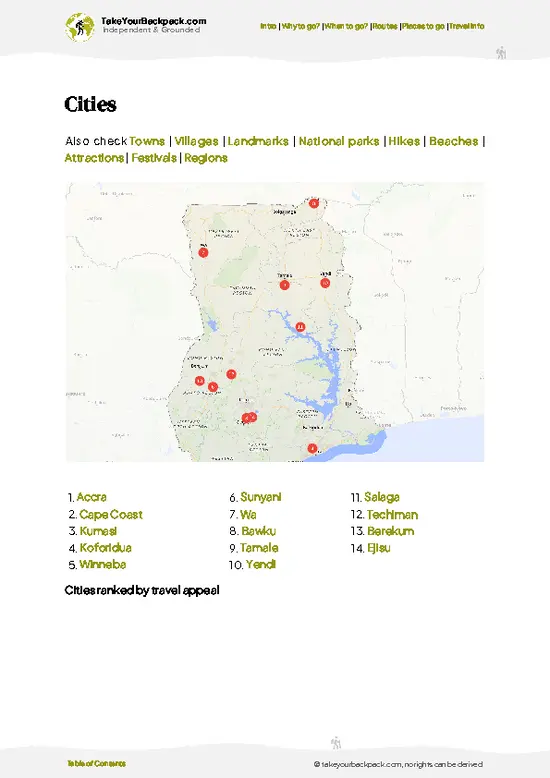
example page 2 from our offline Travel Guide for Ghana
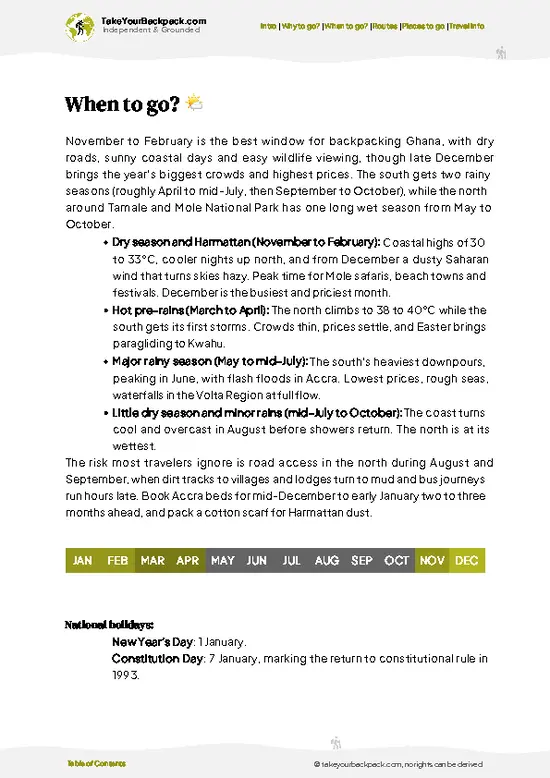
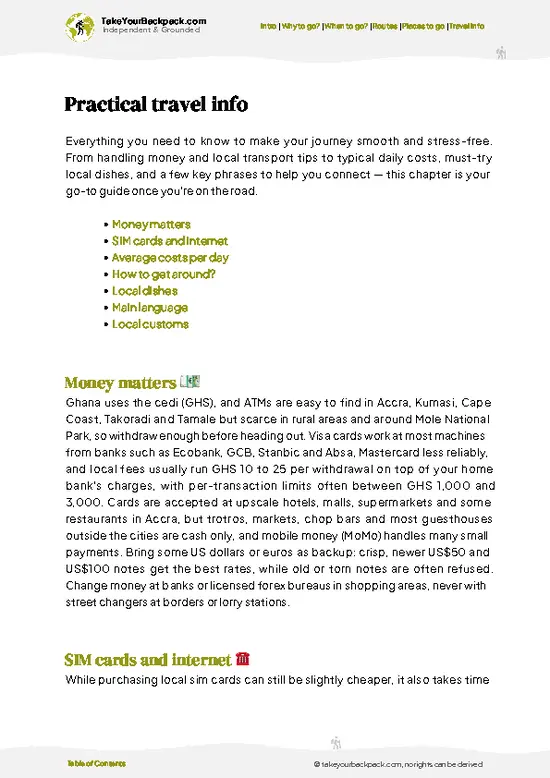
example page 3 from our offline Travel Guide for Ghana
example page 4 from our offline Travel Guide for Ghana
example page 5 from our offline Travel Guide for Ghana
example page 6 from our offline Travel Guide for Ghana
example page 7 from our offline Travel Guide for Ghana
The digital guide (424 pages) contains:
111 highlights, ranked by travel appeal
Optimized 5, 10 & 15-day travel routes
Cities, national parks, landmarks, beaches
How to get around
Offline-friendly for travel without Wi-Fi
👉 Click to see all 30+ guide features

📅 Plan smarter in minutes, not weeks
Month by month travel advice
Festivals & national holidays
Budget expectations

🗺️ Go to the right places, skip the overrated ones
Honest pros & cons of destinations
Top hikes, parks & viewpoints
Lesser-known places most travelers miss
Clear “worth it vs skip it” guidance

🛏️ Travel smoothly without rookie mistakes
Best areas to stay
Transport systems explained simply
Common scams & safety advice
SIM cards, money & practical tips

🌍 Understand the country, not just visit it
Culture & traditions
52 Essential phrases & customs
Festivals worth planning around
Traveler-friendly historical context
Insights that make places more meaningful

📱 Built for real travel conditions
Fully downloadable PDF
Works completely offline
Optimized for phone use
Useful in remote areas & buses
Everything in one place
Save weeks of stressful planning
Get instant access to your full guide. 30‑day money-back guarantee.


By proceeding you agree to our terms.
Sent to your inbox immediately after payment • 100% Secure Checkout
Best Backpacking Travel Advisor 2025 tourism awardBest Backpacking
Travel Advisor
2025
What others say about Take Your Backpack Guides:
⭐⭐⭐⭐⭐
Fantastic, amazing amount of information!
⭐⭐⭐⭐⭐
My goodness this is amazing, it's what I've been looking for hats off too you!
⭐⭐⭐⭐⭐
I think this is absolutely BRILLIANT
⭐⭐⭐⭐
Very complete and informative. It's still missing places, but I gotta to commend you
⭐⭐⭐⭐⭐
This is truly amazing, thank you, can't wait to explore it with my kids!
⭐⭐⭐⭐⭐
Awesome resource, thank you!
⭐⭐⭐⭐⭐
This is amazing! Can't wait to explore the ones I haven't seen
⭐⭐⭐⭐
I love this! Well done, great idea.
⭐⭐⭐⭐⭐
Thanks for taking the time to make this gem!
⭐⭐⭐⭐⭐
This might be the best website I've ever seen.
⭐⭐⭐⭐⭐
Congratulations, and thank you so much for your work; it's incredibly valuable.
⭐⭐⭐⭐
In all seriousness I think you did a great job pointing out the important spots
⭐⭐⭐⭐⭐
10/10 very good
⭐⭐⭐⭐⭐
As someone who's only just starting to visit regularly this is awesome, thank you.
⭐⭐⭐⭐
Thank you very much! I'm going to visit my dad, it's going to be very useful!
⭐⭐⭐⭐⭐
This is really cool! We'll be travelling for the first time and this definitely come in handy.
⭐⭐⭐⭐⭐
You are now our minister of culture, congratulations 👨‍💼
⭐⭐⭐⭐⭐
Just wanted to tell you that this is a pearl! Going to follow your recommendations.
⭐⭐⭐⭐⭐
This is so cool. I'll definitely be using the resource for my travels soon.
⭐⭐⭐⭐⭐
This is very impressive! Good work.
⭐⭐⭐⭐⭐
This is an amazing and informative site. Very well done!

🛏️ Where to stay?Best areas and accommodation options

Manhyia Palace Museum sits at the heart of Kumasi, a city that’s often overshadowed by Ghana’s coastal hotspots but packs a cultural punch that’s hard to beat. If you’re aiming to soak in the real vibe around the palace, forget the glossy tourist brochures that make it look like a quiet, polished museum stop. The truth? It’s in a bustling urban area where life spills into the streets, and that’s exactly where you want to be.

The best place to crash is in the neighborhoods just south and southeast of the palace. These areas are alive with local markets, street food stalls, and a steady hum of … read more 👉
Manhyia Palace Museum sits at the heart of Kumasi, a city that’s often overshadowed by Ghana’s coastal hotspots but packs a cultural punch that’s hard to beat. If you’re aiming to soak in the real vibe around the palace, forget the glossy tourist brochures that make it look like a quiet, polished museum stop. The truth? It’s in a bustling urban area where life spills into the streets, and that’s exactly where you want to be.

The best place to crash is in the neighborhoods just south and southeast of the palace. These areas are alive with local markets, street food stalls, and a steady hum of daily life that’s both safe and social. You’ll find plenty of fellow backpackers and solo travelers here, drawn by the mix of affordability and authenticity. It’s not about luxury or polished tourist traps; it’s about being where the city breathes and where you can strike up conversations with locals over a plate of waakye or a chilled bottle of palm wine.

Safety is solid—not because it’s a gated compound, but because the community keeps an eye out. The streets are active well into the evening, which means you’re never really alone. This is where you get the real Ghanaian experience: raw, vibrant, and unfiltered. If you want to understand the soul behind Manhyia Palace Museum, stay where the city’s pulse is strongest, not where the guidebooks tell you to.

👛 Costs (as of 10 October 2025)Typical daily expenses

As of the most recent estimates, the entrance fee for foreign visitors to the Manhyia Palace Museum in Kumasi, Ghana, ranges from 100 to 150 Ghanaian cedis (approximately €8 to €15). Additional costs may include optional guided tours, photography fees, and purchases from the museum's gift shop.

source: manhyiapalacemuseum.org
⚠️ Prices can change and everyone travels differently, so take this as a rough guide. Hope it helps you plan your adventure!

Other Ghanaian attractions near Manhyia Palace Museum

Explore more nearby:

  • Fort St. Jago—hilltop vantage, cannon placements, Elmina overlook| 182 km away
  • Elmina Castle—stone ramparts, slave dungeons, Atlantic coastline| 183 km away
  • Fort San Sebastian—red-brick towers, river mouth, trade history| 188 km away

💡 Not sure where to go next?
Create a personalized itinerary for Ghana including Manhyia Palace Museum and the places that fit your trip.

Generate my itinerary

👉 Discover all attractions

Or checkout all Ghana has to offer (think cities, towns, villages, national parks, hikes, beaches, festivals)
Country photo of Ghana

We 💚 feedbackIs it worth it?

Manhyia Palace Museum isn’t your typical shiny tourist spot—it’s a deep dive into Ashanti history that hits you with real stories, not just pretty displays. The royal artifacts and the palace’s vibe give you a raw sense of Ghana’s power and pride. But heads up: it can get crowded, especially with local school groups, which sometimes means less quiet reflection and more hustle. Still, if you want to feel the pulse of Ashanti culture beyond the usual, this place delivers.

✈️ When did I visit Ghana?
Ghana I visited in December 2024, starting in Accra following the coast, then up north to Mole National park to finish in the Volta Region.

✍️ Help improve this page!
The information on this page is based on my own backpacking experience in Ghana, supplemented with up-to-date research and feedback from other travelers. Travel details can change, so if you notice anything outdated or incomplete, feel free to let me know.


🙋‍♂️ Give feedback

👋 Meet the founderWho’s Behind Take Your Backpack?

Johan, backpacker and founder of TakeYourBackpackHi, I’m Johan (Netherlands 🇳🇱), the creator of TakeYourBackpack. Over the past decade, I’ve backpacked through 80+ countries across six continents, gaining extensive experience with independent travel, long-term trips, and overland routes.

This site is built on a combination of firsthand travel experience and carefully curated insights from other backpackers. Many guides are based on places I’ve personally visited, while others bring together tips, observations, and practical advice shared by trusted travelers I’ve met along the way.

The goal is to provide realistic, experience-driven guidance — not generic itineraries — so you can explore destinations with better context, clearer expectations, and more confidence.

Get full Ghana guide •
Instant download • 111 highlights • Full Offline guide