×

Guatemala🇬🇹 | landmarksEl Miradorremote basin, Preclassic pyramids, archaeological wilderness | things to do and best time to go

Explore Cerro de la CruzExplore Finca Filadelfia

Backpacking in El Mirador
🏆 Top pickunique site ranked #2
By Johan Kruseman 🇳🇱 | Updated June 3, 2026

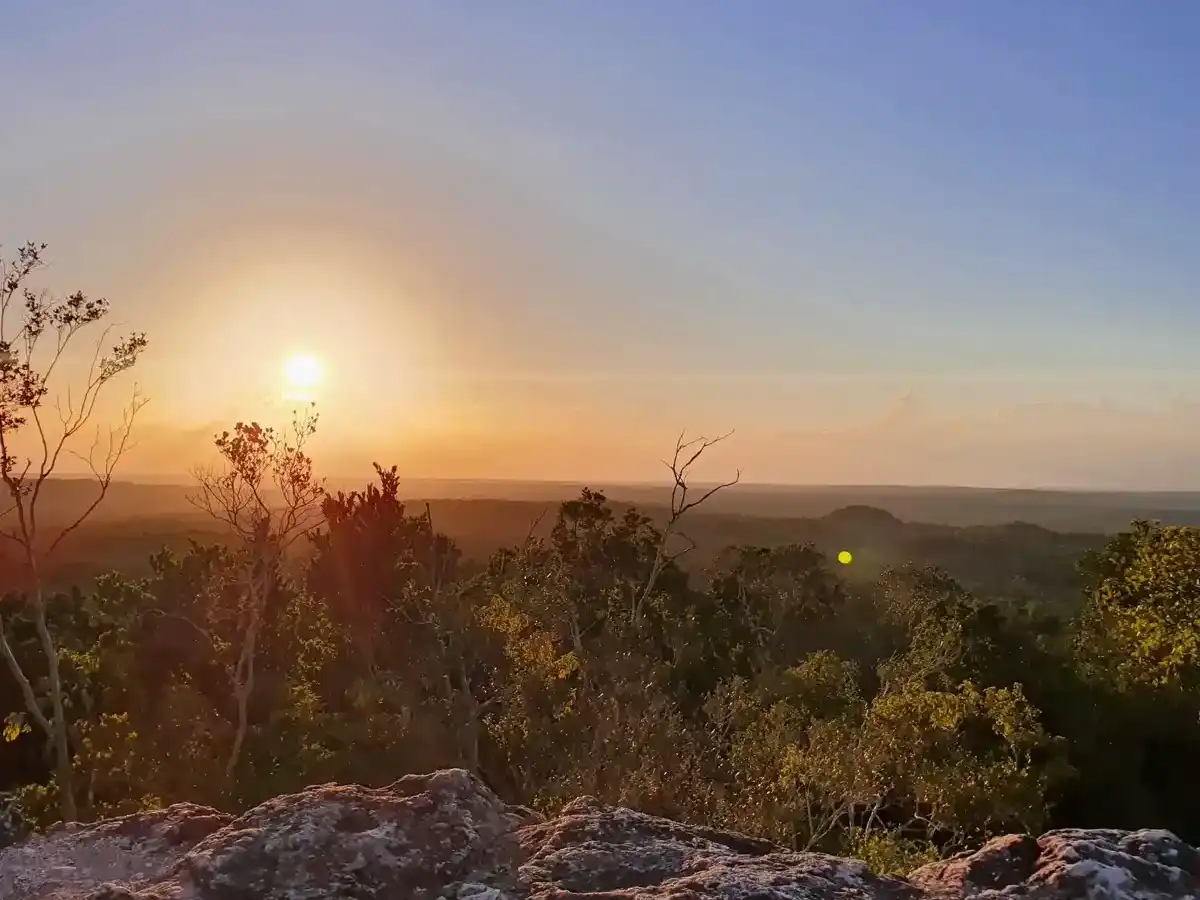
Your boots sink half a centimeter into warm mud with every step, and the only sound is your own breathing and a distant howl that might be a monkey or your imagination getting weird. Sweat runs into your eyes, your shirt is a lost cause, and then the trees break and you’re suddenly climbing a steep pyramid of stone that smells like hot limestone and wet leaves. This is El Mirador, buried deep in the Petén jungle of northern Guatemala, near the Mexican border and very far from anything resembling a road.

El Mirador is not the easy, bus-and-a-daypack kind of ruin. It’s expensive for Guatemala, brutally remote, and the multi-day hike or helicopter ride filters out casual visitors. But that’s the point. The scale of the ancient city is jaw-dropping, the lack of crowds feels almost illegal, and sunrise from La Danta—mist boiling over endless canopy—makes every blister feel like a fair trade.

Discover everything you want to know in the 📖 Guatemala Travel Guide.
Loading the map 🌍
CLICK TO FILTER
cities
towns
villages
landmarks
national parks
hikes
beaches
attractions
festivals
regions
SHOW COUNTRY’S BESTSHOW ALL

✨ Why go?
Ranked #2 unique site in Guatemala
The unique appeal for travelers

El Mirador isn’t just another ancient site; it’s a testament to the power of perseverance. Sure, the trek to this Mayan marvel is no walk in the park. You’re looking at a 3-5 day hike through dense jungle, but that’s part of the allure. The effort-to-reward ratio is off the charts. You’ll dodge the crowds that swarm more popular spots, and when you finally stand before the towering Temple of the Two-Headed Serpent, you’ll feel like you’ve uncovered a secret.

The cost is refreshingly low, especially considering the experience. You can camp under the stars, cook your meals, and soak in the raw beauty without breaking the bank. Plus, it fits seamlessly into a broader route through Guatemala. Pair it with a visit to Tikal or the cultural richness of Flores, and you’ve got a journey that’s both … read more 👉
El Mirador isn’t just another ancient site; it’s a testament to the power of perseverance. Sure, the trek to this Mayan marvel is no walk in the park. You’re looking at a 3-5 day hike through dense jungle, but that’s part of the allure. The effort-to-reward ratio is off the charts. You’ll dodge the crowds that swarm more popular spots, and when you finally stand before the towering Temple of the Two-Headed Serpent, you’ll feel like you’ve uncovered a secret.

The cost is refreshingly low, especially considering the experience. You can camp under the stars, cook your meals, and soak in the raw beauty without breaking the bank. Plus, it fits seamlessly into a broader route through Guatemala. Pair it with a visit to Tikal or the cultural richness of Flores, and you’ve got a journey that’s both epic and authentic.

What makes El Mirador truly special is its untamed spirit. You’re not just ticking off a box; you’re immersing yourself in history, nature, and the thrill of adventure. That’s the real magic.
Want to include El Mirador in your Guatemala route?
Create a personalized Guatemala itinerary that includes El Mirador and the places that fit your trip — based on your travel style, budget, and available time. Get your route in seconds.

Generate my trip

💡 HighlightsWhat this place is best known for

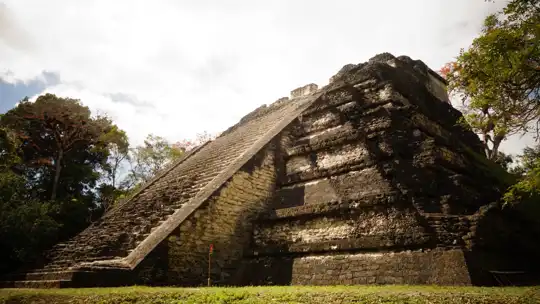
  • La Danta Pyramid — One of the biggest pyramids on Earth by volume, La Danta is the centerpiece of El Mirador. Climbing its broad terraces feels like standing on a vanished metropolis; the stonework and sheer scale are jaw-dropping because this was built in the Preclassic era, long before many better-known Maya sites.
  • El Tigre (Tigre Complex) — A massive companion pyramid visible across the main plaza, Tigre frames the city and helps you understand how the complexes were designed as visual neighbors. Its stepped faces and platform arrangements make it obvious this wasn’t a random settlement but a planned capital.
  • Triadic Complexes — El Mirador is full of classic “triadic” arrangements: one dominant structure flanked by two smaller ones on a single platform. These formations are an architectural
read more 👉
  • La Danta Pyramid — One of the biggest pyramids on Earth by volume, La Danta is the centerpiece of El Mirador. Climbing its broad terraces feels like standing on a vanished metropolis; the stonework and sheer scale are jaw-dropping because this was built in the Preclassic era, long before many better-known Maya sites.
  • El Tigre (Tigre Complex) — A massive companion pyramid visible across the main plaza, Tigre frames the city and helps you understand how the complexes were designed as visual neighbors. Its stepped faces and platform arrangements make it obvious this wasn’t a random settlement but a planned capital.
  • Triadic Complexes — El Mirador is full of classic “triadic” arrangements: one dominant structure flanked by two smaller ones on a single platform. These formations are an architectural signature of the Preclassic Maya and seeing several intact triads in one place is archaeologically rare and beautiful.
  • Vast Plazas and Stucco Facades — The enormous plazas are ringed by platforms and once had painted stucco faces and masks; fragments and restoration work hint at the colorful, ceremonial nature of the place. Walking these open spaces helps you picture mass gatherings centuries ago.
  • Sacbeob (Ancient Causeways) — Long, raised stone causeways radiate from the site, linking El Mirador to satellite centers and showing a surprising degree of engineering and planning. They’re a neat reminder that Maya urban life here was connected and organized across the landscape.
  • Preclassic Scale and Early Urbanism — What makes El Mirador stand out historically is its age: this was a major urban center well before the Classic Maya florescence. The sheer scale of construction at such an early date rewrites assumptions about when complex Maya states emerged.
  • Jungle Trek, Wildlife and Sunrise Views — Reaching El Mirador usually means a multi-day jungle trek, and that journey is part of the magic: howler monkeys, tropical birds, and a real sense of remoteness. Climbing a pyramid at dawn and watching the mist lift over the canopy is unbeatable — personal favorite.
Spotted a mistake or missing something? Contact us.

🌤️ When to go?Choosing the right time of year


  • Weather: The dry season from February to May is your best bet. Expect less mud and fewer leeches, which is a godsend in a jungle trek. The wet season (June to October) turns the trails into slippery nightmares, and heavy rains can shut down access entirely.

  • Temperature: Daytime temps hover around 28-32°C (82-90°F), but nights can drop to a cool 15-20°C (59-68°F). Pack layers because the jungle humidity can make it feel hotter, but mornings and evenings are refreshingly crisp.

  • Daylight Hours: Roughly 11-12 hours of daylight year-round, but the dry season offers clearer skies, making early starts and late finishes more enjoyable and safer on the trails.

  • Crowds: El Mirador isn’t exactly a tourist hotspot, but the dry season sees a noticeable uptick in visitors. If you want solitude,
read more 👉

  • Weather: The dry season from February to May is your best bet. Expect less mud and fewer leeches, which is a godsend in a jungle trek. The wet season (June to October) turns the trails into slippery nightmares, and heavy rains can shut down access entirely.

  • Temperature: Daytime temps hover around 28-32°C (82-90°F), but nights can drop to a cool 15-20°C (59-68°F). Pack layers because the jungle humidity can make it feel hotter, but mornings and evenings are refreshingly crisp.

  • Daylight Hours: Roughly 11-12 hours of daylight year-round, but the dry season offers clearer skies, making early starts and late finishes more enjoyable and safer on the trails.

  • Crowds: El Mirador isn’t exactly a tourist hotspot, but the dry season sees a noticeable uptick in visitors. If you want solitude, aim for the shoulder months of February or May—less company, more jungle sounds.

  • Seasonal Activities: The dry season is prime for exploring the massive pyramid and surrounding ruins without the hassle of rain. The wet season’s floods can make some areas inaccessible, so don’t bank on a full experience then.

  • Price Fluctuations: Guides and porters charge more during the dry season due to demand. In the wet months, prices dip but so does accessibility and comfort. It’s a classic case of you get what you pay for.


Pro-tip: Start your trek early in the dry season to dodge the crowds and the midday heat—nothing beats the jungle waking up around you with the sun on your back.


source: climatestotravel.comJANJanuary: good for travelingFEBFebruary: highly recommended for travelingMARMarch: excellent for travelingAPRApril: excellent for travelingMAYMay: highly recommended for travelingJUNJune: fair for travelingJULJuly: fair for travelingAUGAugust: fair for travelingSEPSeptember: below average for travelingOCTOctober: below average for travelingNOVNovember: good for travelingDECDecember: good for traveling
guatemala-unique-site-el-mirador
© Google | Philip Eisenknappl

✈️ The backpacker research shortcutGuatemala Travel Guide

An offline-friendly backpacking guide with optimized travel routes, ranked highlights, transport advice, and the best areas to stay.
example page 0 from our offline Travel Guide for Guatemala
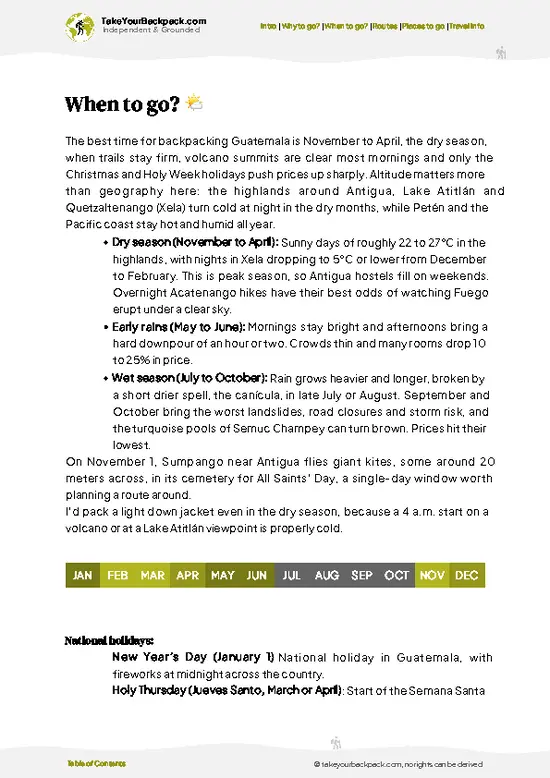
example page 1 from our offline Travel Guide for Guatemala
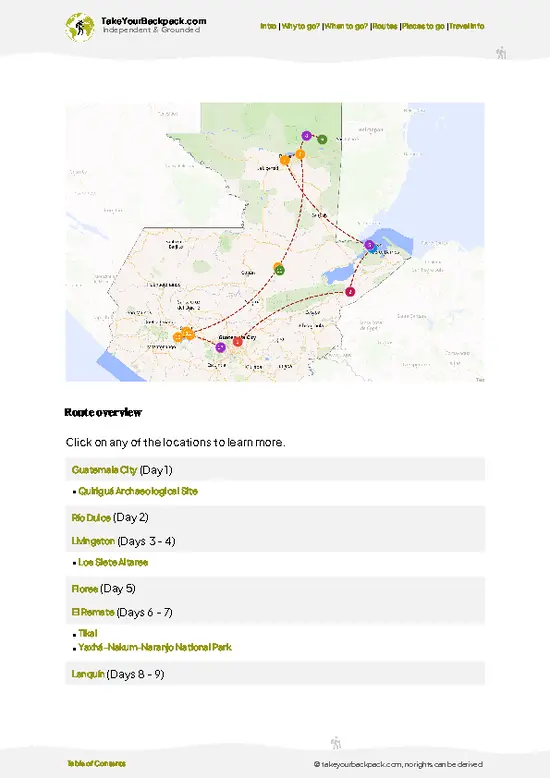
example page 2 from our offline Travel Guide for Guatemala
example page 3 from our offline Travel Guide for Guatemala
example page 4 from our offline Travel Guide for Guatemala
example page 5 from our offline Travel Guide for Guatemala
example page 6 from our offline Travel Guide for Guatemala
example page 7 from our offline Travel Guide for Guatemala
The digital guide (396 pages) contains:
100 highlights, ranked by travel appeal
Optimized 5, 10 & 15-day travel routes
Cities, national parks, landmarks, beaches
How to get around
Offline-friendly for travel without Wi-Fi
👉 Click to see all 30+ guide features

📅 Plan smarter in minutes, not weeks
Month by month travel advice
Festivals & national holidays
Budget expectations

🗺️ Go to the right places, skip the overrated ones
Honest pros & cons of destinations
Top hikes, parks & viewpoints
Lesser-known places most travelers miss
Clear “worth it vs skip it” guidance

🛏️ Travel smoothly without rookie mistakes
Best areas to stay
Transport systems explained simply
Common scams & safety advice
SIM cards, money & practical tips

🌍 Understand the country, not just visit it
Culture & traditions
52 Essential phrases & customs
Festivals worth planning around
Traveler-friendly historical context
Insights that make places more meaningful

📱 Built for real travel conditions
Fully downloadable PDF
Works completely offline
Optimized for phone use
Useful in remote areas & buses
Everything in one place
Save weeks of stressful planning
Get instant access to your full guide. 30‑day money-back guarantee.


By proceeding you agree to our terms.
Sent to your inbox immediately after payment • 100% Secure Checkout
Best Backpacking Travel Advisor 2025 tourism awardBest Backpacking
Travel Advisor
2025
What others say about Take Your Backpack Guides:
⭐⭐⭐⭐⭐
Fantastic, amazing amount of information!
⭐⭐⭐⭐⭐
My goodness this is amazing, it's what I've been looking for hats off too you!
⭐⭐⭐⭐⭐
I think this is absolutely BRILLIANT
⭐⭐⭐⭐
Very complete and informative. It's still missing places, but I gotta to commend you
⭐⭐⭐⭐⭐
This is truly amazing, thank you, can't wait to explore it with my kids!
⭐⭐⭐⭐⭐
Awesome resource, thank you!
⭐⭐⭐⭐⭐
This is amazing! Can't wait to explore the ones I haven't seen
⭐⭐⭐⭐
I love this! Well done, great idea.
⭐⭐⭐⭐⭐
Thanks for taking the time to make this gem!
⭐⭐⭐⭐⭐
This might be the best website I've ever seen.
⭐⭐⭐⭐⭐
Congratulations, and thank you so much for your work; it's incredibly valuable.
⭐⭐⭐⭐
In all seriousness I think you did a great job pointing out the important spots
⭐⭐⭐⭐⭐
10/10 very good
⭐⭐⭐⭐⭐
As someone who's only just starting to visit regularly this is awesome, thank you.
⭐⭐⭐⭐
Thank you very much! I'm going to visit my dad, it's going to be very useful!
⭐⭐⭐⭐⭐
This is really cool! We'll be travelling for the first time and this definitely come in handy.
⭐⭐⭐⭐⭐
You are now our minister of culture, congratulations 👨‍💼
⭐⭐⭐⭐⭐
Just wanted to tell you that this is a pearl! Going to follow your recommendations.
⭐⭐⭐⭐⭐
This is so cool. I'll definitely be using the resource for my travels soon.
⭐⭐⭐⭐⭐
This is very impressive! Good work.
⭐⭐⭐⭐⭐
This is an amazing and informative site. Very well done!

🛏️ Where to stay?How to pick the right area

Staying near El Mirador, the ancient Mayan city in Guatemala, is all about finding the right vibe. You want a spot that’s safe, social, and full of fellow adventurers.

Start in Flores, a charming island town that’s a hub for backpackers. It’s lively, with plenty of budget-friendly eateries and bars. The atmosphere is electric, especially in the evenings when travelers swap stories over cheap beers. Plus, it’s a solid base for arranging your trek to El Mirador. Just be prepared for the crowds; it can feel like a tourist magnet at times.

Then there’s Santa Elena, just across the bridge from Flores. … read more 👉
Staying near El Mirador, the ancient Mayan city in Guatemala, is all about finding the right vibe. You want a spot that’s safe, social, and full of fellow adventurers.

Start in Flores, a charming island town that’s a hub for backpackers. It’s lively, with plenty of budget-friendly eateries and bars. The atmosphere is electric, especially in the evenings when travelers swap stories over cheap beers. Plus, it’s a solid base for arranging your trek to El Mirador. Just be prepared for the crowds; it can feel like a tourist magnet at times.

Then there’s Santa Elena, just across the bridge from Flores. It’s quieter but still close enough to the action. You’ll find a mix of locals and travelers, which adds a unique flavor. The prices here are often lower, and you can snag some decent local food without breaking the bank.

If you’re feeling adventurous, consider the villages along the route to El Mirador. These spots are less frequented, offering a glimpse into local life. You might not find the same amenities, but the authenticity is unmatched. Just make sure to connect with other travelers for safety and tips.

In the end, it’s about balancing comfort with the thrill of discovery. Choose wisely, and you’ll find the real magic of Guatemala.

👛 Costs (as of 10 July 2025)Money, prices, and spending tips

Visiting El Mirador in Guatemala isn’t just a trek; it’s an investment in an experience that’s raw and rewarding. Here’s the breakdown of what you can expect to spend.
  • Entrance Fee: The entrance fee to El Mirador is around $3 to $5 USD. This small fee gives you access to one of the most significant archaeological sites of the Maya civilization. It’s a steal for the history you’ll encounter.
  • Guided Tours: Expect to pay between $50 to $100 USD for a guided tour. This usually includes a knowledgeable guide who can bring the ruins to life, plus the added benefit of navigating the often tricky trails. It’s worth it for the insights you’ll gain.
  • Transportation: Getting to the starting point in Carmelita can cost around $10 to $15 USD for a shared shuttle. If you opt for a private shuttle, it can run
read more 👉
Visiting El Mirador in Guatemala isn’t just a trek; it’s an investment in an experience that’s raw and rewarding. Here’s the breakdown of what you can expect to spend.
  • Entrance Fee: The entrance fee to El Mirador is around $3 to $5 USD. This small fee gives you access to one of the most significant archaeological sites of the Maya civilization. It’s a steal for the history you’ll encounter.
  • Guided Tours: Expect to pay between $50 to $100 USD for a guided tour. This usually includes a knowledgeable guide who can bring the ruins to life, plus the added benefit of navigating the often tricky trails. It’s worth it for the insights you’ll gain.
  • Transportation: Getting to the starting point in Carmelita can cost around $10 to $15 USD for a shared shuttle. If you opt for a private shuttle, it can run you about $50 USD. Factor in the cost of a horse or mule if you need help with the trek, which can add another $20 to $30 USD.
  • Accommodation: If you plan to stay overnight, budget for around $10 to $30 USD for basic lodging in nearby Carmelita. Options are limited, but you’ll find a few local spots that offer a bed and a meal.
  • Food: Meals in the area can range from $5 to $15 USD, depending on whether you’re going for street food or a sit-down meal. Local eateries serve hearty portions that will fuel your adventure.

The costs can add up, but the experience of standing among ancient ruins, surrounded by the jungle, is priceless. It’s not just about the money; it’s about the journey and the stories you’ll carry home.


source: visitguatemala.com
⚠️ Prices can change and everyone travels differently, so take this as a rough guide. Hope it helps you plan your adventure!

Other Guatemalan landmarks near El Mirador

Explore more nearby:

  • Tikal—towering temples, wildlife encounters, sunrise vistas
  • Acropolis Norte Yaxha—elevated ruins, jungle plateau, Maya stelae
  • Uaxactún—astronomical complex, forest village, ancient causeways

💡 Not sure where to go next?
Create a personalized itinerary for Guatemala including El Mirador and the places that fit your trip.

Generate my itinerary

👉 Discover all landmarks

Or checkout all Guatemala has to offer (think cities, towns, villages, national parks, hikes, beaches, festivals)
Country photo of Guatemala

We 💚 feedbackFinal thoughts on visiting El Mirador

El Mirador is a jaw-dropper. Standing before those ancient pyramids, you feel the weight of history in a way that Instagram can’t capture. But let’s be real: the trek to get there is no walk in the park. Expect sweat, bugs, and a few blisters. If you’re ready for the challenge, the reward is a connection to the past that’s worth every ounce of effort. Just don’t expect a cushy ride.

✈️ When did I visit Guatemala?
Guatemala I visited during my half year trip through South and Central America back in 2003

✍️ Help improve this page!
The information on this page is based on my own backpacking experience in Guatemala, supplemented with up-to-date research and feedback from other travelers. Travel details can change, so if you notice anything outdated or incomplete, feel free to let me know.


🙋‍♂️ Give feedback

👋 Meet the founderWho’s Behind Take Your Backpack?

Johan, backpacker and founder of TakeYourBackpackHi, I’m Johan (Netherlands 🇳🇱), the creator of TakeYourBackpack. Over the past decade, I’ve backpacked through 80+ countries across six continents, gaining extensive experience with independent travel, long-term trips, and overland routes.

This site is built on a combination of firsthand travel experience and carefully curated insights from other backpackers. Many guides are based on places I’ve personally visited, while others bring together tips, observations, and practical advice shared by trusted travelers I’ve met along the way.

The goal is to provide realistic, experience-driven guidance — not generic itineraries — so you can explore destinations with better context, clearer expectations, and more confidence.

Get full Guatemala guide •
Instant download • 100 highlights • Full Offline guide