v2.webp)
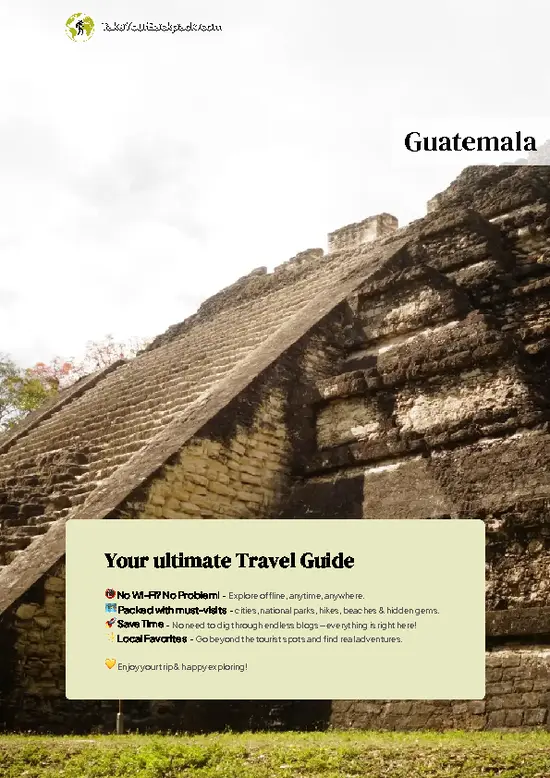
- Group E Astronomical Complex: The site's best known sight. A pyramid on the west faces three small temples on the east, aligned so the sun rises over them at the solstices and equinoxes. It is among the earliest known solar observatories of its kind in the Maya lowlands.
- Temple E-VII-sub: A restored early pyramid with stucco masks and stairways, built inside a later structure. It shows how the Maya layered new buildings over old ones.
- Group A: A cluster of palaces and temples on a ridge. Clambering through the courtyards, you see how elite households were organized and where the city's rulers lived.
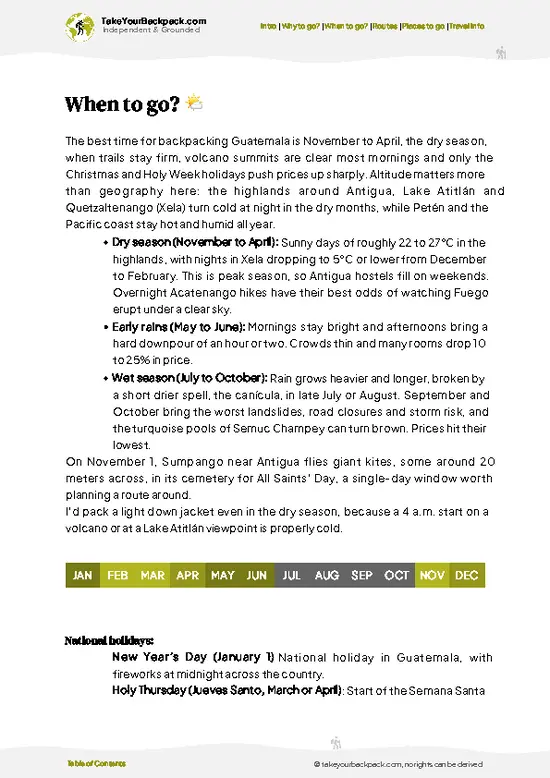
- Group B: A smaller complex close to Group A, with restored platforms and carved stelae. It is quiet, shady and good for photos of moss-covered stonework.
- Stelae of Uaxactún: Carved stone monuments
- Group E Astronomical Complex: The site's best known sight. A pyramid on the west faces three small temples on the east, aligned so the sun rises over them at the solstices and equinoxes. It is among the earliest known solar observatories of its kind in the Maya lowlands.
- Temple E-VII-sub: A restored early pyramid with stucco masks and stairways, built inside a later structure. It shows how the Maya layered new buildings over old ones.
- Group A: A cluster of palaces and temples on a ridge. Clambering through the courtyards, you see how elite households were organized and where the city's rulers lived.
- Group B: A smaller complex close to Group A, with restored platforms and carved stelae. It is quiet, shady and good for photos of moss-covered stonework.
- Stelae of Uaxactún: Carved stone monuments scattered through the plazas record dynastic dates, and some mention a conquest by Tikal in the fourth century.
- Village soccer field and plaza: Locals play beside the ancient structures, and the contrast of ball games and temple bases is the village at its most memorable.
- Maya Biosphere Reserve jungle trails: Guides can lead you through rainforest where spider monkeys, toucans and ocellated turkeys are regularly spotted.
Spotted a mistake or missing something? Contact us.


 Best Backpacking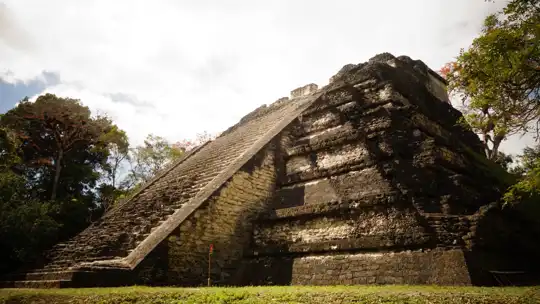
.jpg) Hi, I’m Johan (Netherlands 🇳🇱), the creator of TakeYourBackpack. Over the past 3 decades, I’ve backpacked through 90+ countries across six continents, gaining extensive experience with independent travel, long-term trips, and overland routes.
Hi, I’m Johan (Netherlands 🇳🇱), the creator of TakeYourBackpack. Over the past 3 decades, I’ve backpacked through 90+ countries across six continents, gaining extensive experience with independent travel, long-term trips, and overland routes.