v2.webp)
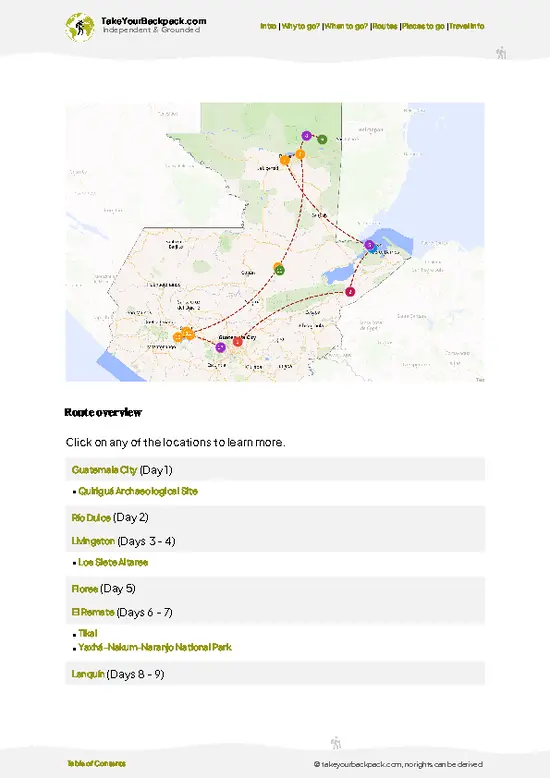
- Castillo de San Felipe de Lara: a 17th-century Spanish fort built to stop pirates raiding the lake. Walk the walls, peer into the cramped dungeon and swim off the grassy shore nearby. Entry costs a few dollars.
- Río Dulce gorge: a launch ride between limestone walls draped in vines, with herons and cormorants on the banks.
- Finca El Paraíso hot waterfall: warm spring water mixes with a cold stream below a waterfall, so you can soak in a naturally blended pool. Locals come on weekends.
- Biotopo Chocón Machacas: a protected mangrove reserve with canals where you can paddle quietly and, with luck, spot a manatee. The trails are short and humid.
- Livingston: reachable only by boat, this Garifuna town serves tapado, a coconut seafood stew, and plays punta drumming in the evenings.
- Siete Altares: a series
- Castillo de San Felipe de Lara: a 17th-century Spanish fort built to stop pirates raiding the lake. Walk the walls, peer into the cramped dungeon and swim off the grassy shore nearby. Entry costs a few dollars.
- Río Dulce gorge: a launch ride between limestone walls draped in vines, with herons and cormorants on the banks.
- Finca El Paraíso hot waterfall: warm spring water mixes with a cold stream below a waterfall, so you can soak in a naturally blended pool. Locals come on weekends.
- Biotopo Chocón Machacas: a protected mangrove reserve with canals where you can paddle quietly and, with luck, spot a manatee. The trails are short and humid.
- Livingston: reachable only by boat, this Garifuna town serves tapado, a coconut seafood stew, and plays punta drumming in the evenings.
- Siete Altares: a series of freshwater pools and small falls in the forest behind Livingston, best reached by walking the beach. The upper pools are the quietest.
- Cañón del Boquerón: near El Estor, you can float or swim between narrow canyon walls in clear river water. It is a lesser-known local favorite.
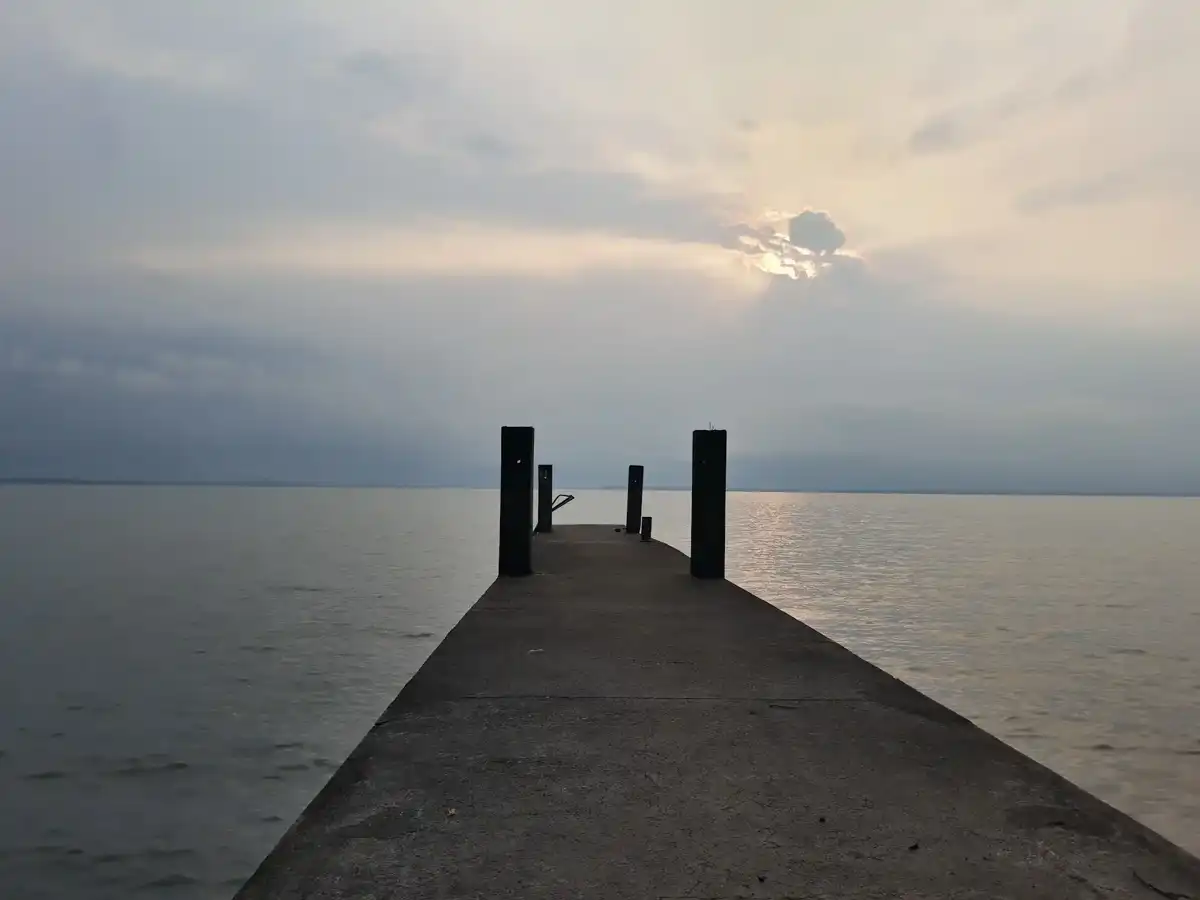
- El Estor lakefront: a laid-back town on the lake’s western end with a wooden pier, fishermen and mist rolling off the Sierra de las Minas at dawn.
- Playa Dorada: a calm sandy bay on the lake’s south shore, popular with local families and nearly empty on weekdays.
- Laguna Chocón Machacas lookout and Fronteras bridge views: watch fishing boats and sailboats beneath the long bridge at Fronteras, then take a lancha along the river for sunset light on the water.
Spotted a mistake or missing something? Contact us.


 Best Backpacking
.jpg) Hi, I’m Johan (Netherlands 🇳🇱), the creator of TakeYourBackpack. Over the past 3 decades, I’ve backpacked through 90+ countries across six continents, gaining extensive experience with independent travel, long-term trips, and overland routes.
Hi, I’m Johan (Netherlands 🇳🇱), the creator of TakeYourBackpack. Over the past 3 decades, I’ve backpacked through 90+ countries across six continents, gaining extensive experience with independent travel, long-term trips, and overland routes.