×

Guatemala🇬🇹 | attractionsMuseo de Santiago / Museo del Libro Antiguorare manuscripts, colonial printing press, early maps, literary heritage | things to do and best time to go

Explore Museo Regional del Sureste de Petén (DoloresExplore Centro Cultural Miguel Ángel Asturias (National Theater

Backpacking in Museo de Santiago / Museo del Libro Antiguo
👌 Worth visitingattraction ranked #12
By Johan Kruseman 🇳🇱 | Updated May 1, 2026

Here’s the curveball: Museo de Santiago and the Museo del Libro Antiguo are two museums in one, tucked inside the same colonial building right on Antigua’s main plaza—yet most travelers breeze past, assuming it’s just another dusty municipal stop. Wrong. This is where you can literally stand inches from the first book ever printed in Central America, and—if you’re lucky—have the place almost to yourself while the crowds outside jostle for volcano selfies. Antigua, Guatemala, is already a backpacker magnet, but this spot is the antidote to the city’s Instagram fatigue. The museums are cheap (sometimes free), rarely crowded, and deliver a punch of real history: think conquistador swords, ancient printing presses, and the kind of creaky wooden floors that make you feel like you’re trespassing in someone’s secret library. It’s not adrenaline, but it’s a genuine time machine—quiet, a bit eerie, and absolutely worth ducking into when the cobblestone chaos outside gets old.

Discover everything you want to know in the 📖 Guatemala Travel Guide.
Loading the map 🌍
CLICK TO FILTER
cities
towns
villages
landmarks
national parks
hikes
beaches
attractions
festivals
regions
SHOW COUNTRY’S BESTSHOW ALL

✨ Why go?
Ranked #12 attraction in Guatemala
What makes it a must-see attraction

The Museo de Santiago, also known as Museo del Libro Antiguo, isn’t your typical tourist checkbox. Sure, it’s not a sprawling, Instagram-ready palace, but that’s exactly why backpackers who care about depth make time for it. This place is a cultural vault—a rare peek into Guatemala’s colonial past through the lens of its oldest printed books and manuscripts. It’s not just about dusty pages; it’s about tracing the evolution of ideas that shaped a nation still wrestling with identity and history.

Expect crowds, yes. This museum sits in the heart of Santiago de Guatemala, a city that’s a crossroads for travelers heading through the country’s highlands and beyond. But the real magic is in the intimate scale and the way the exhibits force you to slow down and absorb. It’s a milestone stop on any … read more 👉
The Museo de Santiago, also known as Museo del Libro Antiguo, isn’t your typical tourist checkbox. Sure, it’s not a sprawling, Instagram-ready palace, but that’s exactly why backpackers who care about depth make time for it. This place is a cultural vault—a rare peek into Guatemala’s colonial past through the lens of its oldest printed books and manuscripts. It’s not just about dusty pages; it’s about tracing the evolution of ideas that shaped a nation still wrestling with identity and history.

Expect crowds, yes. This museum sits in the heart of Santiago de Guatemala, a city that’s a crossroads for travelers heading through the country’s highlands and beyond. But the real magic is in the intimate scale and the way the exhibits force you to slow down and absorb. It’s a milestone stop on any serious Guatemala route because it connects dots between colonial power, indigenous resilience, and the written word’s role in both oppression and liberation.

The effort-to-reward ratio here is high. You won’t need a guide or a fancy tour—just curiosity and a willingness to engage with history that’s raw and real. For backpackers, this museum is a quiet rebellion against surface-level travel, a place where you actually feel the weight of centuries in your hands.
Want to include Museo de Santiago / Museo del Libro Antiguo in your Guatemala route?
Create a personalized Guatemala itinerary that includes Museo de Santiago / Museo del Libro Antiguo and the places that fit your trip — based on your travel style, budget, and available time. Get your route in seconds.

Generate my trip

💡 HighlightsPlaces and moments you shouldn't skip

The First Printed Book in Central America
Let’s cut through the travel-blog fog: this is the real headliner. You’re looking at the actual 1663 printing of “Explicato Apologética,” the first book ever printed in Central America. It’s not just a dusty relic—it’s a physical link to the moment when ideas started traveling faster than horses in this part of the world. The book itself is surprisingly well-preserved, and you can get close enough to see the texture of the handmade paper and the uneven ink. If you’re a history nerd or just someone who likes to see the “firsts” that changed the game, this is the reason you walk through the door.


Colonial Printing Presses (My Personal Favorite)
Forget the Instagram shots of the courtyard—this is where the magic happens. The museum houses original colonial-era … read more 👉
The First Printed Book in Central America
Let’s cut through the travel-blog fog: this is the real headliner. You’re looking at the actual 1663 printing of “Explicato Apologética,” the first book ever printed in Central America. It’s not just a dusty relic—it’s a physical link to the moment when ideas started traveling faster than horses in this part of the world. The book itself is surprisingly well-preserved, and you can get close enough to see the texture of the handmade paper and the uneven ink. If you’re a history nerd or just someone who likes to see the “firsts” that changed the game, this is the reason you walk through the door.


Colonial Printing Presses (My Personal Favorite)
Forget the Instagram shots of the courtyard—this is where the magic happens. The museum houses original colonial-era printing presses, and you can see exactly how books were made when “manual labor” meant actual sweat and muscle. The presses are massive, all wood and iron, and the staff sometimes gives live demos. Watching a page come to life, letter by painstaking letter, is a reminder that every book was once a labor of love (and probably a few curse words). This is hands-on history, and it’s the kind of tactile experience you’ll remember long after your phone’s memory card is full.


Rare Manuscripts and Early Maps
If you’re expecting a snooze-fest of faded parchment, think again. The museum’s collection of rare manuscripts and early maps is a crash course in the ambitions and anxieties of colonial Guatemala. You’ll see hand-drawn maps that look more like treasure hunts than geography lessons, and manuscripts that reveal how people saw their world—sometimes literally, with monsters at the edges. It’s a window into a time when the unknown was terrifying and thrilling in equal measure.


Antigua’s Literary Underground
This isn’t just a museum about books—it’s a museum about the people who risked everything to make and share them. The exhibits dig into the stories of indigenous scribes, rebellious printers, and the church officials who tried (and often failed) to control the flow of information. You get the sense that every book here has a backstory full of drama, censorship, and the occasional act of quiet rebellion. It’s a reminder that the written word has always been a little bit dangerous.


The Building Itself: Layers of History
You’ll see plenty of “colonial charm” in Antigua, but the Museo de Santiago is the real deal. The building is a patchwork of centuries—earthquake scars, original stonework, and sunlit courtyards that feel more lived-in than curated. You’re not just looking at history; you’re walking through it. The creak of the floorboards and the cool, musty air are as much a part of the experience as the exhibits themselves. This is the kind of place where you can feel the past pressing in from all sides, and it’s a welcome antidote to the city’s more polished tourist traps.
Spotted a mistake or missing something? Contact us.

Things to do around Museo de Santiago / Museo del Libro Antiguo

Ratings based on Tripadvisor reviews. When you book through this link, you support our work at no extra cost to you.

🌤️ When to go?Best time to visit Museo de Santiago / Museo del Libro Antiguo


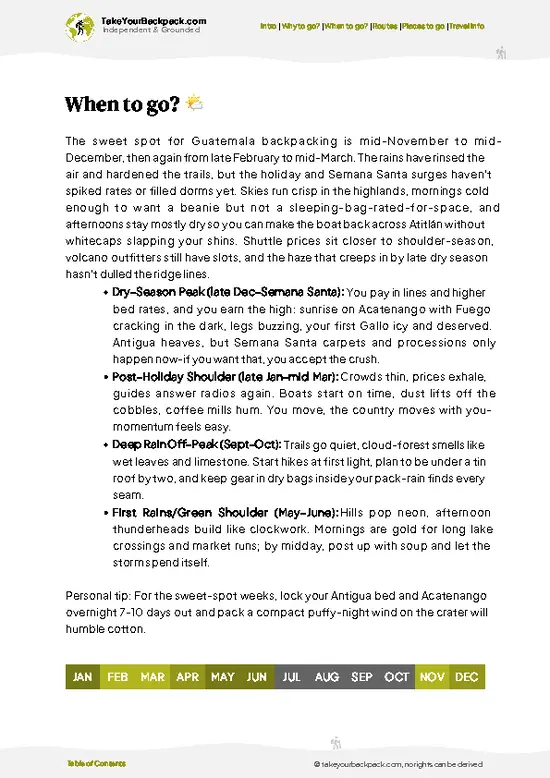
  • Topic: Weather and Temperature – Guatemala’s dry season from November to April offers the best weather for visiting Museo de Santiago. Expect daytime highs around 24-27°C (75-81°F), perfect for wandering without sweating buckets. The rainy season, May through October, brings frequent afternoon showers and humidity that can make museum visits less comfortable.

  • Topic: Daylight Hours – Daylight is fairly consistent year-round, roughly 11 to 12 hours daily. However, during the dry season, clearer skies mean more reliable natural light inside the museum, enhancing the experience of the exhibits.

  • Topic: Crowds – Peak tourist months are December through February, coinciding with dry weather and holiday travel. Expect more groups and less breathing room. Visiting in shoulder months like November
read more 👉

  • Topic: Weather and Temperature – Guatemala’s dry season from November to April offers the best weather for visiting Museo de Santiago. Expect daytime highs around 24-27°C (75-81°F), perfect for wandering without sweating buckets. The rainy season, May through October, brings frequent afternoon showers and humidity that can make museum visits less comfortable.

  • Topic: Daylight Hours – Daylight is fairly consistent year-round, roughly 11 to 12 hours daily. However, during the dry season, clearer skies mean more reliable natural light inside the museum, enhancing the experience of the exhibits.

  • Topic: Crowds – Peak tourist months are December through February, coinciding with dry weather and holiday travel. Expect more groups and less breathing room. Visiting in shoulder months like November or April means fewer crowds and a more intimate vibe.

  • Topic: Seasonal Activities – The museum occasionally hosts special exhibitions or cultural events aligned with Guatemalan holidays, especially around September’s Independence Day and December’s festivities. These add layers to the visit but can also draw bigger crowds.

  • Topic: Price Fluctuations – Entry fees remain stable year-round, but accommodation and transport costs spike during the high season (December to February). Planning your visit just outside these months can save you money without sacrificing the experience.


Pro-tip: Aim for late November or early April—dry, cool, and calm—when the museum feels like a quiet time capsule rather than a tourist hotspot.


source: climatestotravel.comJANJanuary: highly recommended for travelingFEBFebruary: highly recommended for travelingMARMarch: excellent for travelingAPRApril: excellent for travelingMAYMay: fair for travelingJUNJune: fair for travelingJULJuly: fair for travelingAUGAugust: fair for travelingSEPSeptember: good for travelingOCTOctober: fair for travelingNOVNovember: excellent for travelingDECDecember: good for traveling
when-to-go

✈️ The backpacker research shortcutGuatemala Travel Guide

An offline-friendly backpacking guide with optimized travel routes, ranked highlights, transport advice, and the best areas to stay.
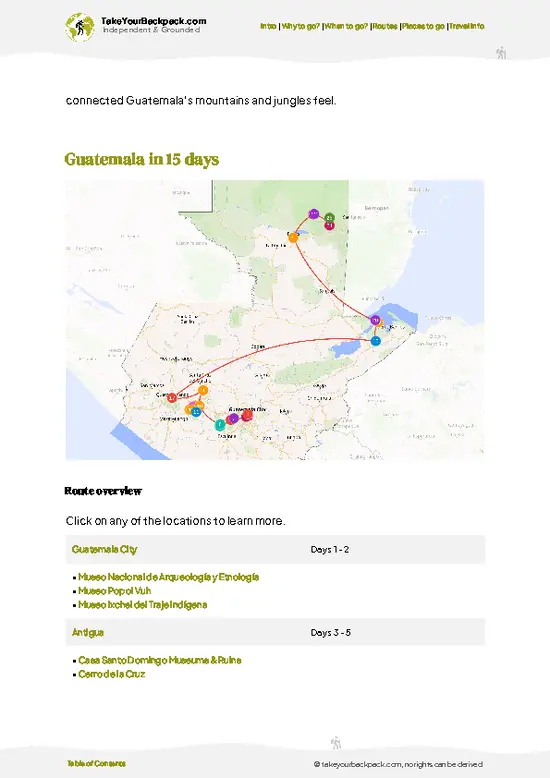
example page 0 from our offline Travel Guide for Guatemala
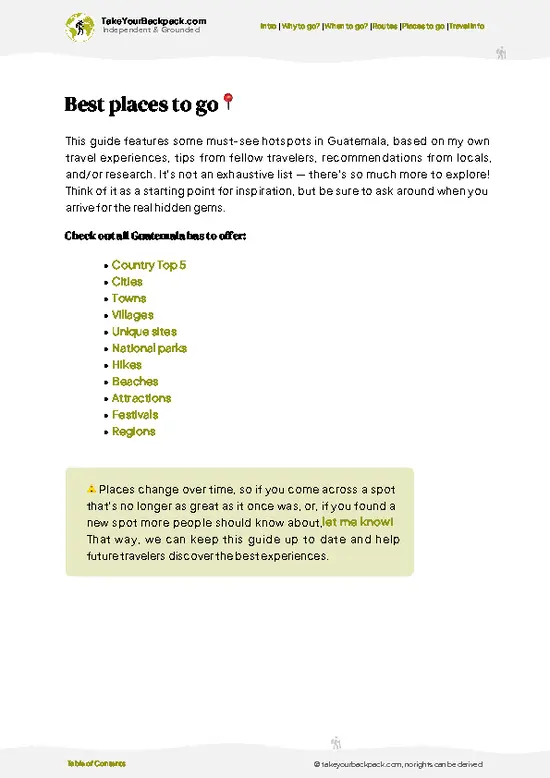
example page 1 from our offline Travel Guide for Guatemala
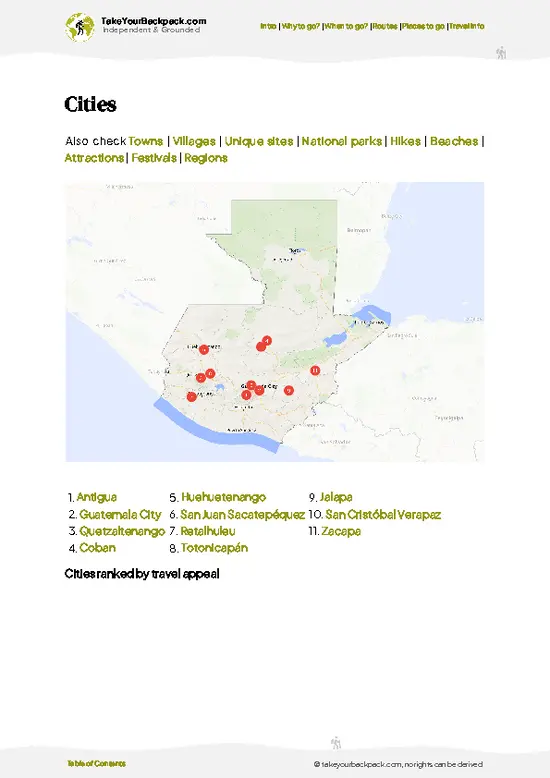
example page 2 from our offline Travel Guide for Guatemala
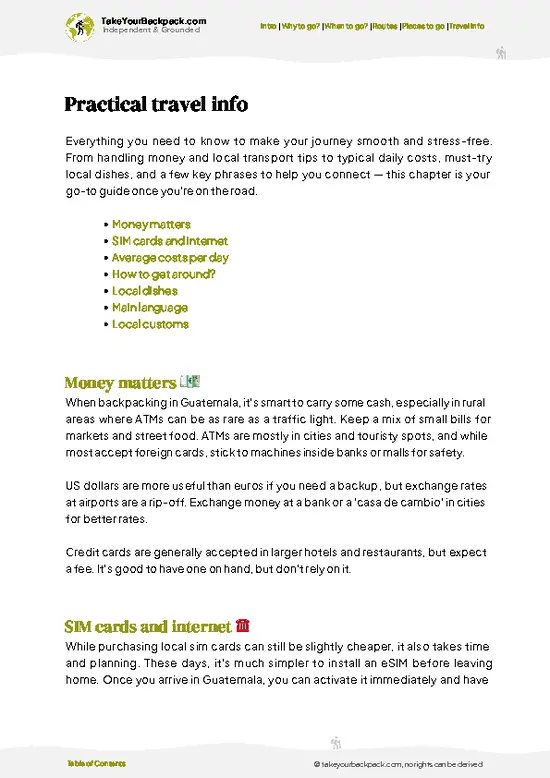
example page 3 from our offline Travel Guide for Guatemala
example page 4 from our offline Travel Guide for Guatemala
example page 5 from our offline Travel Guide for Guatemala
example page 6 from our offline Travel Guide for Guatemala
example page 7 from our offline Travel Guide for Guatemala
The digital guide (396 pages) contains:
100 highlights, ranked by travel appeal
Optimized 5, 10 & 15-day travel routes
Cities, national parks, landmarks, beaches
How to get around
Offline-friendly for travel without Wi-Fi
👉 Click to see all 30+ guide features

📅 Plan smarter in minutes, not weeks
Month by month travel advice
Festivals & national holidays
Budget expectations

🗺️ Go to the right places, skip the overrated ones
Honest pros & cons of destinations
Top hikes, parks & viewpoints
Lesser-known places most travelers miss
Clear “worth it vs skip it” guidance

🛏️ Travel smoothly without rookie mistakes
Best areas to stay
Transport systems explained simply
Common scams & safety advice
SIM cards, money & practical tips

🌍 Understand the country, not just visit it
Culture & traditions
52 Essential phrases & customs
Festivals worth planning around
Traveler-friendly historical context
Insights that make places more meaningful

📱 Built for real travel conditions
Fully downloadable PDF
Works completely offline
Optimized for phone use
Useful in remote areas & buses
Everything in one place
Save weeks of stressful planning
Get instant access to your full guide. 30‑day money-back guarantee.


By proceeding you agree to our terms.
Sent to your inbox immediately after payment • 100% Secure Checkout
Best Backpacking Travel Advisor 2025 tourism awardBest Backpacking
Travel Advisor
2025
What others say about Take Your Backpack Guides:
⭐⭐⭐⭐⭐
Fantastic, amazing amount of information!
⭐⭐⭐⭐⭐
My goodness this is amazing, it's what I've been looking for hats off too you!
⭐⭐⭐⭐⭐
I think this is absolutely BRILLIANT
⭐⭐⭐⭐
Very complete and informative. It's still missing places, but I gotta to commend you
⭐⭐⭐⭐⭐
This is truly amazing, thank you, can't wait to explore it with my kids!
⭐⭐⭐⭐⭐
Awesome resource, thank you!
⭐⭐⭐⭐⭐
This is amazing! Can't wait to explore the ones I haven't seen
⭐⭐⭐⭐
I love this! Well done, great idea.
⭐⭐⭐⭐⭐
Thanks for taking the time to make this gem!
⭐⭐⭐⭐⭐
This might be the best website I've ever seen.
⭐⭐⭐⭐⭐
Congratulations, and thank you so much for your work; it's incredibly valuable.
⭐⭐⭐⭐
In all seriousness I think you did a great job pointing out the important spots
⭐⭐⭐⭐⭐
10/10 very good
⭐⭐⭐⭐⭐
As someone who's only just starting to visit regularly this is awesome, thank you.
⭐⭐⭐⭐
Thank you very much! I'm going to visit my dad, it's going to be very useful!
⭐⭐⭐⭐⭐
This is really cool! We'll be travelling for the first time and this definitely come in handy.
⭐⭐⭐⭐⭐
You are now our minister of culture, congratulations 👨‍💼
⭐⭐⭐⭐⭐
Just wanted to tell you that this is a pearl! Going to follow your recommendations.
⭐⭐⭐⭐⭐
This is so cool. I'll definitely be using the resource for my travels soon.
⭐⭐⭐⭐⭐
This is very impressive! Good work.
⭐⭐⭐⭐⭐
This is an amazing and informative site. Very well done!

🛏️ Where to stay?Best areas and accommodation options

If you’re heading to the Museo de Santiago / Museo del Libro Antiguo in Guatemala, brace yourself: this isn’t a quiet, tucked-away museum where you’ll have the place to yourself. The area around it, especially in the historic center of Guatemala City, can be a bit of a madhouse. Crowds swarm during peak hours, and the streets buzz with a mix of locals, tourists, and street vendors. It’s not the kind of spot where you’ll find serene solitude, but that’s part of its raw charm.

For backpackers, the trick is to stay in zones that balance safety with social energy. The neighborhoods just north and … read more 👉
If you’re heading to the Museo de Santiago / Museo del Libro Antiguo in Guatemala, brace yourself: this isn’t a quiet, tucked-away museum where you’ll have the place to yourself. The area around it, especially in the historic center of Guatemala City, can be a bit of a madhouse. Crowds swarm during peak hours, and the streets buzz with a mix of locals, tourists, and street vendors. It’s not the kind of spot where you’ll find serene solitude, but that’s part of its raw charm.

For backpackers, the trick is to stay in zones that balance safety with social energy. The neighborhoods just north and west of the museum—think zones 1 and 4—are your best bets. These areas have a solid backpacker presence, so you’ll find plenty of fellow travelers to swap stories with, plus affordable eateries and local markets that don’t gouge your wallet. The vibe here is gritty but authentic, not sanitized for tourists, which means you get a real slice of city life.

Safety isn’t perfect anywhere in Guatemala City, but these zones have a stronger police presence and more foot traffic, which helps. Plus, being close to the museum means you can hit it early or late, dodging the worst of the crowds. If you want to soak in the city’s pulse without getting lost in tourist traps, this is where you want to be.

👛 Costs (as of 9 June 2025)Typical daily expenses

As of the most recent estimates, the Museo del Libro Antiguo in Antigua Guatemala charges an entrance fee of Q5.00 for nationals and Q30.00 for foreigners. Students with a valid ID can enter for free. The museum is open Tuesday to Friday from 9:00 AM to 4:00 PM, and on Saturday and Sunday from 9:00 AM to 12:00 PM and 2:00 PM to 4:00 PM. ([museosdeguatemala.org](https://museosdeguatemala.org/museos/detallemuseo/11?utm_source=openai))

source: museosdeguatemala.org
⚠️ Prices can change and everyone travels differently, so take this as a rough guide. Hope it helps you plan your adventure!

Other Guatemalan attractions near Museo de Santiago / Museo del Libro Antiguo

Explore more nearby:


💡 Not sure where to go next?
Create a personalized itinerary for Guatemala including Museo de Santiago / Museo del Libro Antiguo and the places that fit your trip.

Generate my itinerary

👉 Discover all attractions

Or checkout all Guatemala has to offer (think cities, towns, villages, national parks, hikes, beaches, festivals)
Country photo of Guatemala

We 💚 feedbackWhat to keep in mind

Museo de Santiago isn’t your flashy Instagram spot—expect a quiet, low-key vibe that’s a far cry from Guatemala’s tourist hotspots. The real draw here is the Museo del Libro Antiguo, where you’ll find centuries-old manuscripts that tell stories no guidebook mentions. It’s a slow burn, not a quick thrill, and if you’re after crowds or flashy exhibits, this isn’t it. But if you want to connect with Guatemala’s deep, dusty history in a way that feels personal and raw, this place delivers.

✈️ When did I visit Guatemala?
Guatemala I visited during my half year trip through South and Central America back in 2003

✍️ Help improve this page!
The information on this page is based on my own backpacking experience in Guatemala, supplemented with up-to-date research and feedback from other travelers. Travel details can change, so if you notice anything outdated or incomplete, feel free to let me know.


🙋‍♂️ Give feedback

👋 Meet the founderWho’s Behind Take Your Backpack?

Johan, backpacker and founder of TakeYourBackpackHi, I’m Johan (Netherlands 🇳🇱), the creator of TakeYourBackpack. Over the past decade, I’ve backpacked through 80+ countries across six continents, gaining extensive experience with independent travel, long-term trips, and overland routes.

This site is built on a combination of firsthand travel experience and carefully curated insights from other backpackers. Many guides are based on places I’ve personally visited, while others bring together tips, observations, and practical advice shared by trusted travelers I’ve met along the way.

The goal is to provide realistic, experience-driven guidance — not generic itineraries — so you can explore destinations with better context, clearer expectations, and more confidence.

Get full Guatemala guide •
Instant download • 100 highlights • Full Offline guide