×

Guatemala🇬🇹 | attractionsMuseo del Libro AntiguoColonial printing press, antique manuscripts, Ayuntamiento courtyard, Parque Central arcades | things to do and best time to go

Explore Museo Regional del Sureste de PeténExplore Centro Cultural Miguel Ángel Asturias

Backpacking in Museo del Libro Antiguo
👍 Recommendedattraction ranked #11
By Johan Kruseman 🇳🇱 | Updated October 22, 2026

Entry is cheap and the rooms are quiet, so you can study colonial manuscripts without a queue. The Museo del Libro Antiguo sits in Antigua Guatemala, in the highland valley west of Guatemala City, inside the Palacio del Ayuntamiento, the old city hall on the north side of Parque Central. You get a replica of the first printing press brought to Central America, thick vellum pages and a smell of old paper and wood. The collection is small, and labels are mostly in Spanish. When I asked the ticket seller whether the press still worked, she grinned and said it did, but only for demonstrations on request. Experienced travelers go early, ask politely, and carry Spanish basics instead of expecting a guide. Bring small bills for the ticket.

Discover everything you want to know in the 📖 Guatemala Travel Guide.


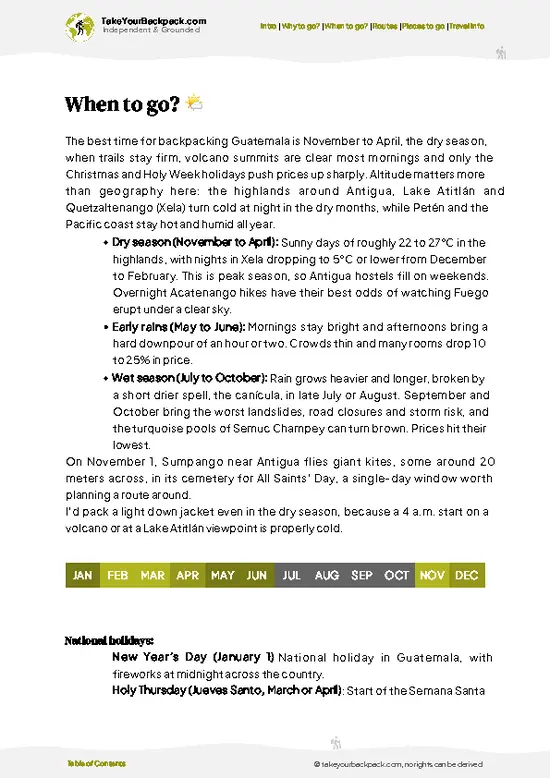
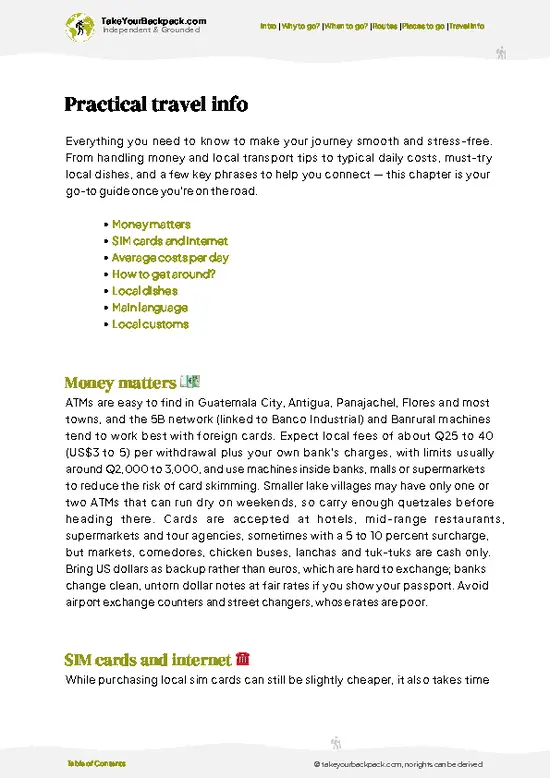
example page 0 from our offline Travel Guide for Guatemala
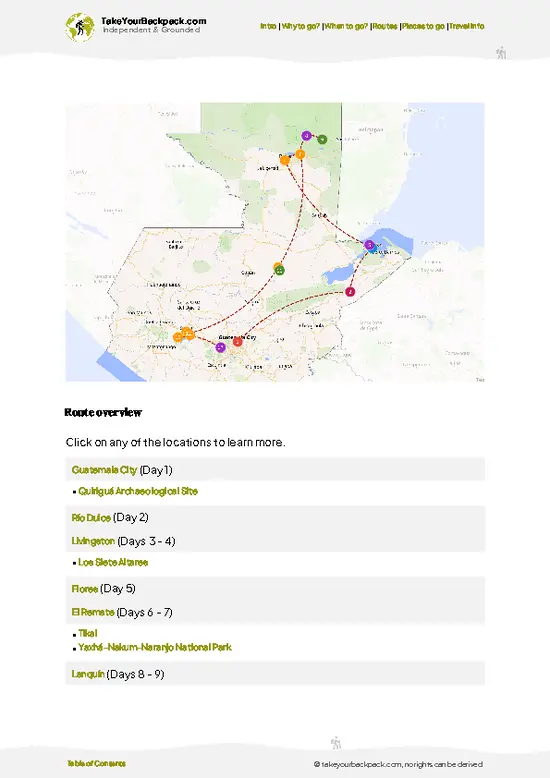
example page 1 from our offline Travel Guide for Guatemala
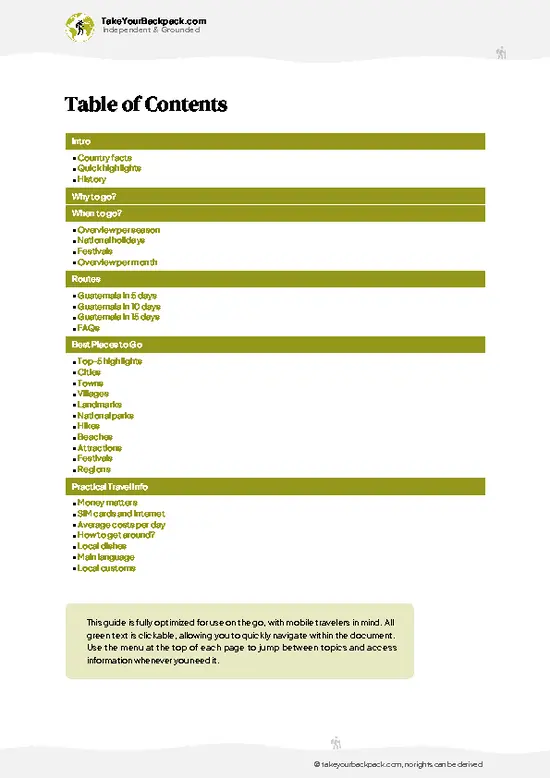
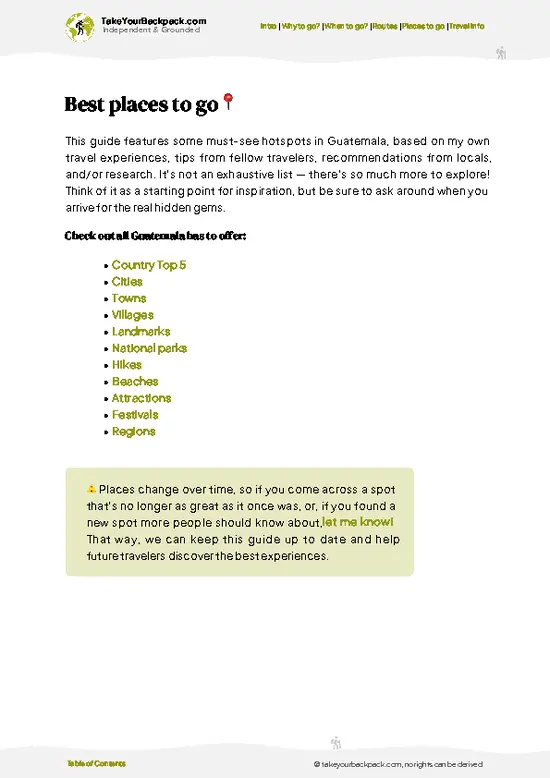
example page 2 from our offline Travel Guide for Guatemala
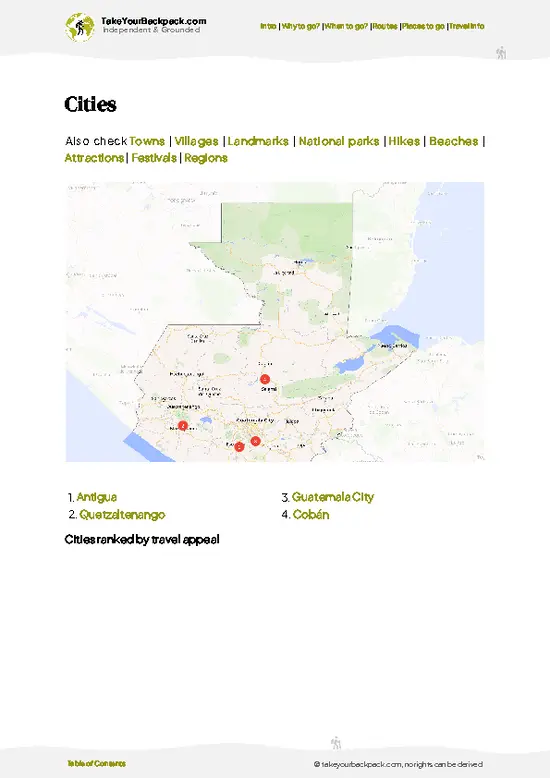
example page 3 from our offline Travel Guide for Guatemala
example page 4 from our offline Travel Guide for Guatemala
example page 5 from our offline Travel Guide for Guatemala
example page 6 from our offline Travel Guide for Guatemala
example page 7 from our offline Travel Guide for Guatemala
Loading the map 🌍
CLICK TO FILTER
cities
towns
villages
landmarks
national parks
hikes
beaches
attractions
festivals
regions
SHOW COUNTRY’S BESTSHOW ALL

✨ Why go?
Ranked #11 attraction in Guatemala
What sets this place apart

Museo del Libro Antiguo sits inside Antigua Guatemala's old colonial center, and it holds the story of how printing reached Central America. The museum is built around a replica of the press that Johann Gutenberg made famous, and a visit shows you how books were set, inked and pressed by hand. That replica Gutenberg press is the draw for anyone curious about how knowledge traveled in the colonial era.

The collection also includes antique books from the colonial period, many of them printed in Antigua when the city was the capital of the Spanish kingdom of Guatemala. Pages, bindings and type give you something concrete to look at, which makes the city's history easier to read than a plaque on a wall.

It works well as a short, quiet stop between the city's churches and ruins. Because it is … read more 👉
Museo del Libro Antiguo sits inside Antigua Guatemala's old colonial center, and it holds the story of how printing reached Central America. The museum is built around a replica of the press that Johann Gutenberg made famous, and a visit shows you how books were set, inked and pressed by hand. That replica Gutenberg press is the draw for anyone curious about how knowledge traveled in the colonial era.

The collection also includes antique books from the colonial period, many of them printed in Antigua when the city was the capital of the Spanish kingdom of Guatemala. Pages, bindings and type give you something concrete to look at, which makes the city's history easier to read than a plaque on a wall.

It works well as a short, quiet stop between the city's churches and ruins. Because it is small, you can see all of it in one unhurried visit and still have the rest of the day for walking the cobblestone streets. Go if you like history told through objects you can look at up close.

💡 HighlightsWhat this place is best known for

  1. The colonial printing press: The wooden press is the museum’s best-known piece, and it shows how books and royal decrees were produced by hand in the colony.
  2. Antique books and manuscripts: Glass cases hold old volumes, with heavy bindings, handwritten pages and early printed text from the colonial era.
  3. Type and printing tools: Small metal letters, ink tools and plates explain the labor behind every printed page.
  4. Palacio del Ayuntamiento courtyard: Arched corridors and thick stone walls give the building its own colonial character, and the courtyard is pleasant for a pause.
  5. Documents tied to colonial administration: Papers connected to the old Spanish capital show how the region was governed and recorded.
  6. Parque Central view from the arcades: Step outside and look across the fountain square, with
… read more 👉
  1. The colonial printing press: The wooden press is the museum’s best-known piece, and it shows how books and royal decrees were produced by hand in the colony.
  2. Antique books and manuscripts: Glass cases hold old volumes, with heavy bindings, handwritten pages and early printed text from the colonial era.
  3. Type and printing tools: Small metal letters, ink tools and plates explain the labor behind every printed page.
  4. Palacio del Ayuntamiento courtyard: Arched corridors and thick stone walls give the building its own colonial character, and the courtyard is pleasant for a pause.
  5. Documents tied to colonial administration: Papers connected to the old Spanish capital show how the region was governed and recorded.
  6. Parque Central view from the arcades: Step outside and look across the fountain square, with the cathedral ruins and the Palacio de los Capitanes close at hand.
Museo del Libro Antiguo takes about 30 to 45 minutes to see in full, or a little longer if you read every label.
Spotted a mistake or missing something? Contact us.

Things to do around Museo del Libro Antiguo

Ratings based on Tripadvisor reviews. When you book through this link, you support our work at no extra cost to you.

🌤️ When to go?Choosing the right time of year

  • Dry Season (November to April): Mornings are cool at 8 to 12°C (46 to 54°F) and afternoons reach 22 to 25°C (72 to 77°F) in Antigua's high valley. Sunny days make the cobbled walk to the museum easy. Around Semana Santa (March or April) crowds and room prices jump sharply.
  • Rainy Season (May to October): Afternoon downpours are common, with highs of 21 to 24°C (70 to 75°F). Mornings are usually dry, and prices drop by 20 to 30 percent.
  • December and January: Nights are the coldest, near 6 to 10°C (43 to 50°F), and the old stone rooms of the museum feel chilly. Holiday visitors fill the town.
  • Daylight: About 11 to 13 hours all year, so the museum's daytime opening hours are never limited by the sun.
Visit on a weekday morning in September or October for empty rooms and low prices.

source: climatestotravel.comJANJanuary: highly recommended for travelingFEBFebruary: highly recommended for travelingMARMarch: excellent for travelingAPRApril: excellent for travelingMAYMay: fair for travelingJUNJune: fair for travelingJULJuly: fair for travelingAUGAugust: fair for travelingSEPSeptember: good for travelingOCTOctober: fair for travelingNOVNovember: excellent for travelingDECDecember: good for traveling
when-to-go

✈️ The backpacker research shortcutGuatemala Travel Guide

An offline-friendly backpacking guide with optimized travel routes, ranked highlights, transport advice, and the best areas to stay.
example page 0 from our offline Travel Guide for Guatemala
example page 1 from our offline Travel Guide for Guatemala
example page 2 from our offline Travel Guide for Guatemala
example page 3 from our offline Travel Guide for Guatemala
example page 4 from our offline Travel Guide for Guatemala
example page 5 from our offline Travel Guide for Guatemala
example page 6 from our offline Travel Guide for Guatemala
example page 7 from our offline Travel Guide for Guatemala
The digital guide (272 pages) contains:
✅ 85 highlights, ranked by travel appeal
✅ Optimized 5, 10 & 15-day travel routes
✅ Cities, national parks, landmarks, beaches
✅ How to get around
✅ Offline-friendly for travel without Wi-Fi
👉 Click to see all 30+ guide features

📅 Plan smarter in minutes, not weeks
✅ Month by month travel advice
✅ Festivals & national holidays
✅ Budget expectations

🗺️ Go to the right places, skip the overrated ones
✅ Honest pros & cons of destinations
✅ Top hikes, parks & viewpoints
✅ Lesser-known places most travelers miss
✅ Clear “worth it vs skip it” guidance

🛏️ Travel smoothly without rookie mistakes
✅ Best areas to stay
✅ Transport systems explained simply
✅ Common scams & safety advice
✅ SIM cards, money & practical tips

🌍 Understand the country, not just visit it
✅ Culture & traditions
✅ 52 Essential phrases & customs
✅ Festivals worth planning around
✅ Traveler-friendly historical context
✅ Insights that make places more meaningful

📱 Built for real travel conditions
✅ Fully downloadable PDF
✅ Works completely offline
✅ Optimized for phone use
✅ Useful in remote areas & buses
✅ Everything in one place
Stop searching, start planning
Get instant access to your full guide. 30‑day money-back guarantee.
+ Add another guide for just

By proceeding you agree to our terms.
Sent to your inbox immediately after payment • 100% Secure Checkout
Best Backpacking Travel Advisor 2025 tourism awardBest Backpacking
Travel Advisor
2025
What others say about Take Your Backpack Guides:
⭐⭐⭐⭐⭐
Fantastic, amazing amount of information!
⭐⭐⭐⭐⭐
My goodness this is amazing, it's what I've been looking for hats off too you!
⭐⭐⭐⭐⭐
I think this is absolutely BRILLIANT
⭐⭐⭐⭐
Very complete and informative. It's still missing places, but I gotta to commend you
⭐⭐⭐⭐⭐
This is truly amazing, thank you, can't wait to explore it with my kids!
⭐⭐⭐⭐⭐
Awesome resource, thank you!
⭐⭐⭐⭐⭐
This is amazing! Can't wait to explore the ones I haven't seen
⭐⭐⭐⭐
I love this! Well done, great idea.
⭐⭐⭐⭐⭐
Thanks for taking the time to make this gem!
⭐⭐⭐⭐⭐
This might be the best website I've ever seen.
⭐⭐⭐⭐⭐
Congratulations, and thank you so much for your work; it's incredibly valuable.
⭐⭐⭐⭐
In all seriousness I think you did a great job pointing out the important spots
⭐⭐⭐⭐⭐
10/10 very good
⭐⭐⭐⭐⭐
As someone who's only just starting to visit regularly this is awesome, thank you.
⭐⭐⭐⭐
Thank you very much! I'm going to visit my dad, it's going to be very useful!
⭐⭐⭐⭐⭐
This is really cool! We'll be travelling for the first time and this definitely come in handy.
⭐⭐⭐⭐⭐
You are now our minister of culture, congratulations 👨‍💼
⭐⭐⭐⭐⭐
Just wanted to tell you that this is a pearl! Going to follow your recommendations.
⭐⭐⭐⭐⭐
This is so cool. I'll definitely be using the resource for my travels soon.
⭐⭐⭐⭐⭐
This is very impressive! Good work.
⭐⭐⭐⭐⭐
This is an amazing and informative site. Very well done!

🛏️ Where to stay?Where staying makes the most sense

The streets around Parque Central in Antigua put you within a ten-minute walk of the Museo del Libro Antiguo, and that is where most backpackers should sleep. The blocks just north and east of the park are safe, well lit and patrolled by tourist police, and they hold most of the town's dorm beds, rooftop terraces and communal kitchens. Social travelers do best here, since tour desks, language schools and cafes cluster within a few blocks and people fall into conversation easily.

The area near La Merced church, a bit north, is quieter and still walkable, with a calmer crowd and slightly cheaper … read more 👉
The streets around Parque Central in Antigua put you within a ten-minute walk of the Museo del Libro Antiguo, and that is where most backpackers should sleep. The blocks just north and east of the park are safe, well lit and patrolled by tourist police, and they hold most of the town's dorm beds, rooftop terraces and communal kitchens. Social travelers do best here, since tour desks, language schools and cafes cluster within a few blocks and people fall into conversation easily.

The area near La Merced church, a bit north, is quieter and still walkable, with a calmer crowd and slightly cheaper beds. San Pedro, on the southern side of town, is more residential and local, good for longer stays near language schools. Avoid wandering the outskirts and unlit streets late at night, and take a licensed taxi after dark if you stay far from the center.

👛 Costs (as of 22 October 2026)Typical daily expenses

Museo del Libro Antiguo costs a backpacker about US$24 to 46 a day in Antigua, with the museum itself taking only a small part of that. The sample total below uses high-season accommodation.
CategoryBudget RangeLocal Reality
Museum entryUS$0 to 1Entry is nominal, paid in quetzales, and sometimes free for small visits.
Dorm bed (high season)US$9 to 14Falls to US$7 to 10 in the rainy season.
MealsUS$8 to 14Market comedores serve set lunches for US$3 to 5, and restaurant dinners cost more.
Local transportUS$1 to 4The center is walkable. Tuk-tuks cost US$1 to 3 per ride.
Other sightsUS$3 to 8Nearby ruins and museums add small entry fees.
Coffee and snacksUS$3 to 5Cafes around the square charge tourist prices.
Total Daily BudgetUS$24 to 46Rounded up to cover small extras, so plan for about US$45.
⚠️ Prices can change and everyone travels differently, so take this as a rough guide. Hope it helps you plan your adventure!

FAQTraveler FAQ

Allow about 45 minutes to an hour at Museo del Libro Antiguo, since it is a small museum in Antigua's old colonial center. It sits close to Parque Central, so you can combine it with the nearby Palace of the Captains General and the cathedral ruins in a half day. Rooms hold early printing presses and old books from the first press in Central America.
Yes, Museo del Libro Antiguo is worth the entrance fee, which is nominal at roughly US$0 to 1. You see replicas of the first printing press brought to Guatemala in the 1600s and old colonial books in a historic building. It is short, so it works well as a stop between larger sights.
Museo del Libro Antiguo is on foot from Parque Central in Antigua, a walk of about 5 to 10 minutes. From Guatemala City, shuttles and chicken buses take roughly 1 to 1.5 hours, with shuttles costing about US$10 to 15 and buses about US$1 to 2. Inside Antigua, tuk-tuks cost US$1 to 3 if you prefer not to walk.
⚠️ Things can change over time, so always validate details locally before you go.

Other Guatemalan attractions near Museo del Libro Antiguo

Explore more nearby:

  • Casa Santo Domingo—Convent ruins, candlelit chapel, peacock lawns, crypt walkways| 1 km away
  • Museo Miraflores—Kaminaljuyú pottery, obsidian blades, mall-side mound, Zone 11| 21 km away
  • Kaminaljuyú—Earthen mounds, carved stelae, Zone 7 ruins, tomb finds| 22 km away

💡 Not sure where to go next?
Create a personalized itinerary for Guatemala including Museo del Libro Antiguo and the places that fit your trip.

Generate my itinerary

👉 Discover all attractions

Or checkout all Guatemala has to offer (think cities, towns, villages, national parks, hikes, beaches, festivals)
Country photo of Guatemala

We 💚 feedbackFinal thoughts on visiting Museo del Libro Antiguo

Museo del Libro Antiguo is best in the morning, when tour groups haven’t reached Parque Central and the old stone rooms stay calm. I would visit on a weekday in the dry months, then walk the plaza afterward. It’s small, so treat it as a short, smart pause.

✈️ When did I visit Guatemala?
Guatemala I visited during my half year trip through South and Central America back in 2003

✍️ Help improve this page!
The information on this page is based on my own backpacking experience in Guatemala, supplemented with up-to-date research and feedback from other travelers. Travel details can change, so if you notice anything outdated or incomplete, feel free to let me know.


🙋‍♂️ Give feedback

👋 Meet the founderWho’s Behind Take Your Backpack?

Johan, backpacker and founder of TakeYourBackpackHi, I’m Johan (Netherlands 🇳🇱), the creator of TakeYourBackpack. Over the past 3 decades, I’ve backpacked through 90+ countries across six continents, gaining extensive experience with independent travel, long-term trips, and overland routes.

This site is built on a combination of firsthand travel experience and carefully curated insights from other backpackers. Many guides are based on places I’ve personally visited, while others bring together tips, observations, and practical advice shared by trusted travelers I’ve met along the way.

The goal is to provide realistic, experience-driven guidance — not generic itineraries — so you can explore destinations with better context, clearer expectations, and more confidence.