v2.webp)
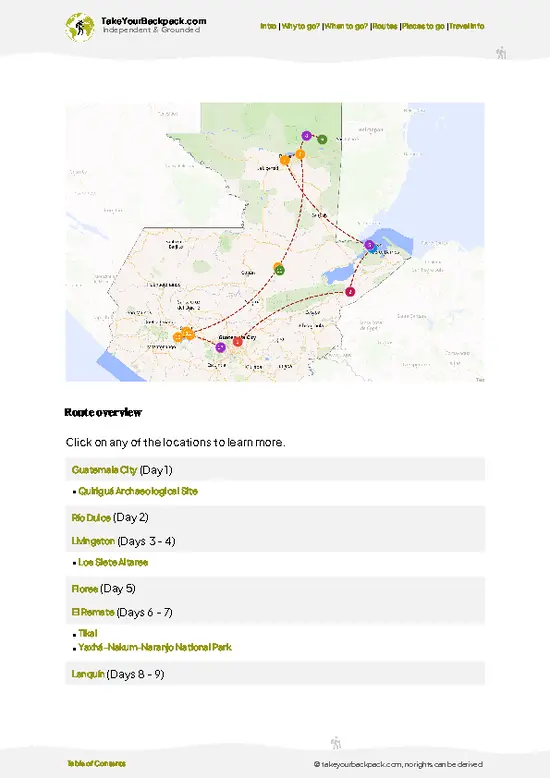
- Naive art galleries: Comalapa’s painters, many trained in the tradition of Andrés Curruchich, sell vivid village scenes in small studios around the plaza. Mornings are best, when owners are in. Browsing is free, paintings run roughly US$20 to 300, and 1 to 2 hours is plenty.
- Street murals: Walls near the center show Kaqchikel history, the civil war and daily life. Walk them in morning light. Free, about 1 hour.
- Cemetery: Tombs are painted in bright blues, pinks and yellows, and it is busiest around November 1. Entry is usually free or a small donation, 30 to 45 minutes.
- Central market: Tuesday and Friday are the main days, with produce, Kaqchikel textiles and street food. Go before noon. Snacks cost US$1 to 3, allow 1 hour.
- Iglesia de San Juan Bautista: The whitewashed church faces the plaza and
- Naive art galleries: Comalapa’s painters, many trained in the tradition of Andrés Curruchich, sell vivid village scenes in small studios around the plaza. Mornings are best, when owners are in. Browsing is free, paintings run roughly US$20 to 300, and 1 to 2 hours is plenty.
- Street murals: Walls near the center show Kaqchikel history, the civil war and daily life. Walk them in morning light. Free, about 1 hour.
- Cemetery: Tombs are painted in bright blues, pinks and yellows, and it is busiest around November 1. Entry is usually free or a small donation, 30 to 45 minutes.
- Central market: Tuesday and Friday are the main days, with produce, Kaqchikel textiles and street food. Go before noon. Snacks cost US$1 to 3, allow 1 hour.
- Iglesia de San Juan Bautista: The whitewashed church faces the plaza and mixes Catholic and Maya customs. Visit between services. Free, 15 to 20 minutes.
Spotted a mistake or missing something? Contact us.

Guatemalan Cooking Class & Market Tour

Coffee Tour Adventure Antigua Guatemala

Private Ground Transfer From Antigua To Guatemala City Airport

Antigua Coffee Tour by Local Producers

Experience: Organic Coffee, Avocados, Honey & More!

Street Food Tour Around Antigua

Nighthawk Birding Guided Tours in Antigua Guatemala

Cooking class and market tour/Pepian Workshop

Make your own Mayan Pepian - Cooking class


 Best Backpacking
.jpg) Hi, I’m Johan (Netherlands 🇳🇱), the creator of TakeYourBackpack. Over the past 3 decades, I’ve backpacked through 90+ countries across six continents, gaining extensive experience with independent travel, long-term trips, and overland routes.
Hi, I’m Johan (Netherlands 🇳🇱), the creator of TakeYourBackpack. Over the past 3 decades, I’ve backpacked through 90+ countries across six continents, gaining extensive experience with independent travel, long-term trips, and overland routes.