v2.webp)
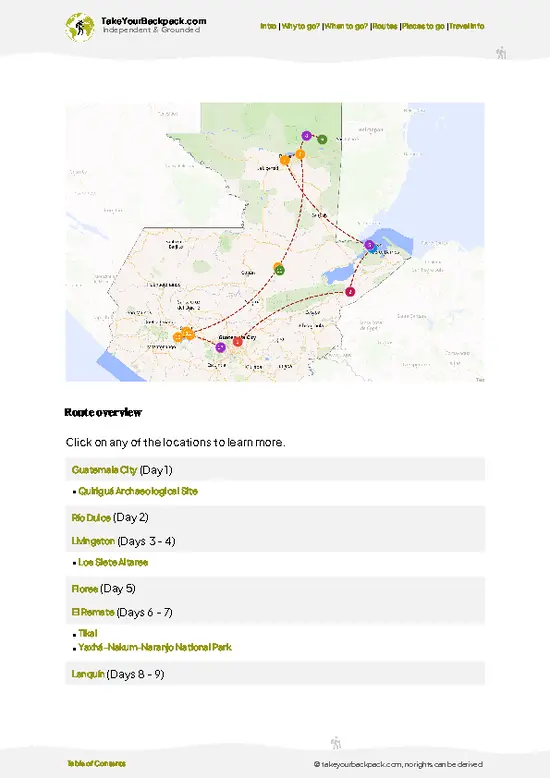
- Sololá Market: The town’s main draw, held Tuesdays and Fridays, with Friday the larger. Go by 7 a.m. for produce, textiles and ceremonial clothing. Entry is free, and 2 to 3 hours is plenty.
- Cathedral of Sololá: A colonial-era church on the main plaza, with a quiet interior and a busy front steps scene on market days. Free, 20 to 30 minutes, best in the morning.
- Municipalidad and Central Plaza: The civic heart, where Kaqchikel officials in traditional dress still gather and the town’s indigenous authority is visible. Free, 30 minutes, best mid-morning.
- Lake viewpoints on the Sololá rim: The roadside lookouts above Lake Atitlán show all three volcanoes on a clear morning. Free, 30 to 45 minutes, best before 10 a.m.
- Local comedores near the market: Stand-up kitchens serve caldo and tamales to market
- Sololá Market: The town’s main draw, held Tuesdays and Fridays, with Friday the larger. Go by 7 a.m. for produce, textiles and ceremonial clothing. Entry is free, and 2 to 3 hours is plenty.
- Cathedral of Sololá: A colonial-era church on the main plaza, with a quiet interior and a busy front steps scene on market days. Free, 20 to 30 minutes, best in the morning.
- Municipalidad and Central Plaza: The civic heart, where Kaqchikel officials in traditional dress still gather and the town’s indigenous authority is visible. Free, 30 minutes, best mid-morning.
- Lake viewpoints on the Sololá rim: The roadside lookouts above Lake Atitlán show all three volcanoes on a clear morning. Free, 30 to 45 minutes, best before 10 a.m.
- Local comedores near the market: Stand-up kitchens serve caldo and tamales to market crowds. Meals run about US$2 to 4, and 45 minutes is enough, ideally around 11 a.m.
Spotted a mistake or missing something? Contact us.

Lake Atitlan Villages Tour on ATV

PRIVATE SHUTTLE AIRPORT/ANTIGUA - LAKE ATITLAN or VICEVERSA

Lake Atitlán Sunset Tour

San Juan La Laguna ATV tour

Lake Atitlan: Mayan Ceremony at the Sacred Caves

Kayak and Hike Adventure Tour from Panajachel in Guatemala

Lake Atitlan Guided Tour by Boat from Panajachel

Lake Atitlán Motorcycle Adventure

Maya Cooking Class in Santa Cruz la Laguna


 Best Backpacking
.jpg) Hi, I’m Johan (Netherlands 🇳🇱), the creator of TakeYourBackpack. Over the past 3 decades, I’ve backpacked through 90+ countries across six continents, gaining extensive experience with independent travel, long-term trips, and overland routes.
Hi, I’m Johan (Netherlands 🇳🇱), the creator of TakeYourBackpack. Over the past 3 decades, I’ve backpacked through 90+ countries across six continents, gaining extensive experience with independent travel, long-term trips, and overland routes.