v2.webp)
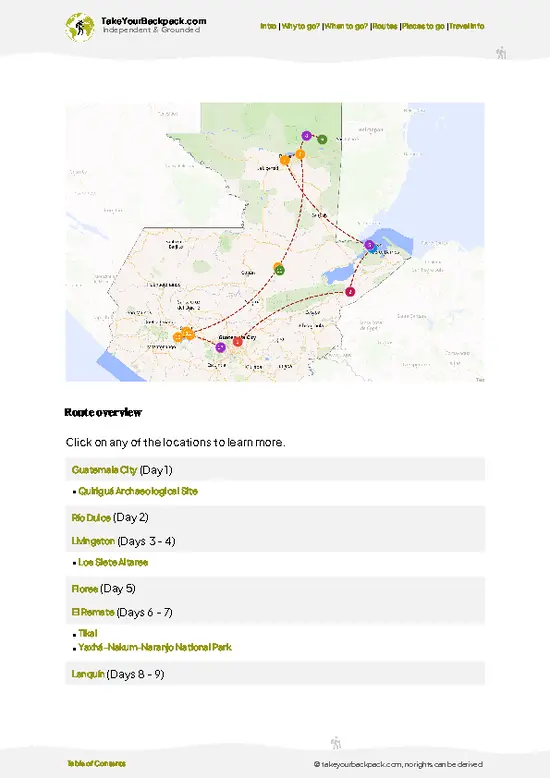
- Women's weaving cooperatives (Lema, Ixoq Ajkeem): Demonstrations show cotton being spun, dyed with plants like indigo and avocado pit, and woven by hand. Go in the morning when the dye pots are active. Visits are usually free or cost a few dollars, and take 45 to 60 minutes each.
- Street murals: Painted walls along the main lanes depict Maya life, weaving and local legends. They are free, and a slow walk takes about an hour. Early light is best for photos.
- Chocolate and coffee tours: Small family operations explain how cacao and coffee are grown on the hillside, then let you grind and taste. Expect US$6 to 15 and about 1.5 to 2 hours. Mornings are best.
- Mirador Kaqasiiwaan: A short but steep walk up gives wide views over the lake and the three volcanoes. Entry is about US$2 to 3 and it takes around
- Women's weaving cooperatives (Lema, Ixoq Ajkeem): Demonstrations show cotton being spun, dyed with plants like indigo and avocado pit, and woven by hand. Go in the morning when the dye pots are active. Visits are usually free or cost a few dollars, and take 45 to 60 minutes each.
- Street murals: Painted walls along the main lanes depict Maya life, weaving and local legends. They are free, and a slow walk takes about an hour. Early light is best for photos.
- Chocolate and coffee tours: Small family operations explain how cacao and coffee are grown on the hillside, then let you grind and taste. Expect US$6 to 15 and about 1.5 to 2 hours. Mornings are best.
- Mirador Kaqasiiwaan: A short but steep walk up gives wide views over the lake and the three volcanoes. Entry is about US$2 to 3 and it takes around 1.5 hours round trip. Go early before clouds roll in.
- Painting galleries: San Juan has a long tradition of Tz'utujil naive art, with colorful scenes of village life sold in small studios. Browsing is free and takes about an hour. Mornings are quieter, and artists often chat.
Spotted a mistake or missing something? Contact us.

Short tour hike to the Indian's nose Mountain

Coffee, Chocolate and Textile Tour in Lake Atitlan

San Juan La Laguna ATV tour

Mayan Nose Sunrise Hiking

Lake Atitlan Cultural Tour Exploring Mayan Villages

5-Hour Private Birdwatching Experience in San Juan La Laguna

Horseback Riding Tour in San Pedro La Laguna

Sunrise Tour in Indian Nose Hike and Views of Lake Atitlan

Hiking Mayan Face Indian Nose


 Best Backpacking
.jpg) Hi, I’m Johan (Netherlands 🇳🇱), the creator of TakeYourBackpack. Over the past 3 decades, I’ve backpacked through 90+ countries across six continents, gaining extensive experience with independent travel, long-term trips, and overland routes.
Hi, I’m Johan (Netherlands 🇳🇱), the creator of TakeYourBackpack. Over the past 3 decades, I’ve backpacked through 90+ countries across six continents, gaining extensive experience with independent travel, long-term trips, and overland routes.