v2.webp)
- Iglesia Parroquial Santiago Apóstol: A colonial church from the 16th century with carved wooden saints dressed in local cloth and a memorial to Father Stanley Rother, the American priest killed here in 1981. Free, a donation is welcome. Go in the morning, allow 30 to 45 minutes.
- Maximón shrine (Cofradía): The effigy of Maximón, a revered figure mixing Maya and Catholic belief, is moved between family-run houses each year. Guides lead you there, and photos usually cost extra. Expect US$1 to 3 for entry plus a small offering of cigarettes or liquor. Allow 30 minutes.
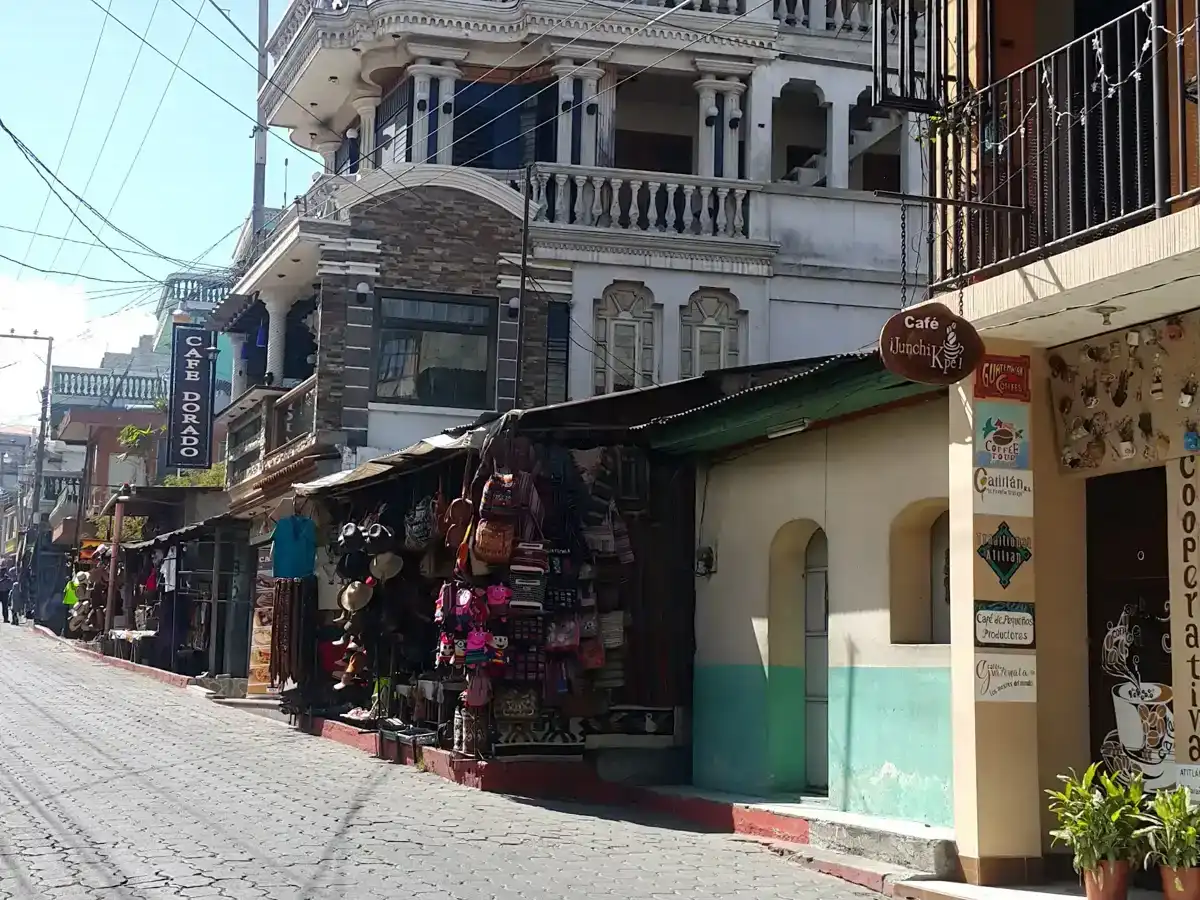
- Santiago Atitlán market: Fruit, fish, corn, secondhand clothing and textiles spill along the main street. Friday and Sunday are the busiest days, and mornings are best. Free, allow one to two hours.
- Painting and craft shops: Local
- Iglesia Parroquial Santiago Apóstol: A colonial church from the 16th century with carved wooden saints dressed in local cloth and a memorial to Father Stanley Rother, the American priest killed here in 1981. Free, a donation is welcome. Go in the morning, allow 30 to 45 minutes.
- Maximón shrine (Cofradía): The effigy of Maximón, a revered figure mixing Maya and Catholic belief, is moved between family-run houses each year. Guides lead you there, and photos usually cost extra. Expect US$1 to 3 for entry plus a small offering of cigarettes or liquor. Allow 30 minutes.
- Santiago Atitlán market: Fruit, fish, corn, secondhand clothing and textiles spill along the main street. Friday and Sunday are the busiest days, and mornings are best. Free, allow one to two hours.
- Painting and craft shops: Local weavers and painters sell embroidered birds, cloth and naive-style paintings of village life. Browsing is free, and pieces run roughly US$5 to 60. Go mid-morning and allow an hour.
- Peace Park (Parque de la Paz): A quiet memorial near the lakeshore for victims of the 1990 army massacre. Free and best visited in the afternoon for 20 to 30 minutes.
Spotted a mistake or missing something? Contact us.

Short tour hike to the Indian's nose Mountain

Coffee, Chocolate and Textile Tour in Lake Atitlan

San Juan La Laguna ATV tour

Mayan Nose Sunrise Hiking

Lake Atitlan Cultural Tour Exploring Mayan Villages

5-Hour Private Birdwatching Experience in San Juan La Laguna

Horseback Riding Tour in San Pedro La Laguna

Sunrise Tour in Indian Nose Hike and Views of Lake Atitlan

Hiking Mayan Face Indian Nose

 Best Backpacking
.jpg) Hi, I’m Johan (Netherlands 🇳🇱), the creator of TakeYourBackpack. Over the past 3 decades, I’ve backpacked through 90+ countries across six continents, gaining extensive experience with independent travel, long-term trips, and overland routes.
Hi, I’m Johan (Netherlands 🇳🇱), the creator of TakeYourBackpack. Over the past 3 decades, I’ve backpacked through 90+ countries across six continents, gaining extensive experience with independent travel, long-term trips, and overland routes.