×

Guatemala🇬🇹 | citiesTotonicapánartisan workshops, pine-clad hills, indigenous councils | things to do and best time to go

Explore RetalhuleuExplore Jalapa

Backpacking in Totonicapán
👌 Worth visitingcity ranked #10
By Johan Kruseman 🇳🇱 | Updated May 30, 2026

Most people skip Totonicapán online because it “has no sights,” but for backpackers it’s one of the purest, least-performed K’iche’ Maya towns you can still just walk through without being sold something every ten steps. It sits in Guatemala’s western highlands, between Quetzaltenango and the Pan-American Highway, and feels more like a working provincial capital than a postcard. You get a solid central plaza, a photogenic white church, a few low-key markets, and almost zero nightlife. It’s cheap, safe by highland standards, and very light on other foreigners, which is either lonely or gold depending on your Spanish and mood. Compared with Xela, Totonicapán is quieter, more conservative, and better for observing daily life than “doing” big-ticket attractions.

Discover everything you want to know in the 📖 Guatemala Travel Guide.
Loading the map 🌍
CLICK TO FILTER
cities
towns
villages
landmarks
national parks
hikes
beaches
attractions
festivals
regions
SHOW COUNTRY’S BESTSHOW ALL

✨ Why go?
Ranked #10 city in Guatemala
The unique appeal for travelers

Totonicapán is a strategic stop for backpackers weaving through Guatemala. It offers a unique blend of affordability and authenticity that’s hard to find elsewhere. The hostel scene is solid, with options that cater to both social butterflies and solo travelers looking for a quiet corner. You’ll find delicious local food at prices that won’t dent your budget, making it easy to fuel up for the day ahead.

The city’s walkability is a major plus. You can explore vibrant markets and local culture without needing a taxi, which saves both time and money. Plus, it serves as a basecamp for day trips to nearby highlights, allowing you to maximize your experience without the hassle of constant packing and unpacking.

While nightlife isn’t wild, there are cozy spots to unwind after a day of exploration. … read more 👉
Totonicapán is a strategic stop for backpackers weaving through Guatemala. It offers a unique blend of affordability and authenticity that’s hard to find elsewhere. The hostel scene is solid, with options that cater to both social butterflies and solo travelers looking for a quiet corner. You’ll find delicious local food at prices that won’t dent your budget, making it easy to fuel up for the day ahead.

The city’s walkability is a major plus. You can explore vibrant markets and local culture without needing a taxi, which saves both time and money. Plus, it serves as a basecamp for day trips to nearby highlights, allowing you to maximize your experience without the hassle of constant packing and unpacking.

While nightlife isn’t wild, there are cozy spots to unwind after a day of exploration. If you’re looking for a place that balances comfort and value, Totonicapán is worth considering, especially if you’re on a longer journey through the region.
Want to include Totonicapán in your Guatemala route?
Create a personalized Guatemala itinerary that includes Totonicapán and the places that fit your trip — based on your travel style, budget, and available time. Get your route in seconds.

Generate my trip

💡 HighlightsDon't-miss highlights and experiences

  1. Parque Central (Plaza Central) — The literal heart of Totonicapán: people-watching, street food stalls, local sellers, and daily life unfolding around benches and the municipal façade. Great for getting a quick, honest feel for the town and its rhythms.
  2. Mercado Municipal de Totonicapán — A busy covered market full of fresh produce, cooked food, and stalls stacked with handwoven textiles and traditional traje. This is where you’ll see Kʼicheʼ vendors, try local snacks, and buy authentic fabrics at local prices.
  3. Weaving workshops and cooperatives — Small, family-run talleres and women’s cooperatives inside the town where backstrap-loom weaving is still practiced. Visiting one lets you see the process up close and buy directly from the makers, which supports the local economy and keeps traditions
read more 👉
  1. Parque Central (Plaza Central) — The literal heart of Totonicapán: people-watching, street food stalls, local sellers, and daily life unfolding around benches and the municipal façade. Great for getting a quick, honest feel for the town and its rhythms.
  2. Mercado Municipal de Totonicapán — A busy covered market full of fresh produce, cooked food, and stalls stacked with handwoven textiles and traditional traje. This is where you’ll see Kʼicheʼ vendors, try local snacks, and buy authentic fabrics at local prices.
  3. Weaving workshops and cooperatives — Small, family-run talleres and women’s cooperatives inside the town where backstrap-loom weaving is still practiced. Visiting one lets you see the process up close and buy directly from the makers, which supports the local economy and keeps traditions alive.
  4. Palacio Municipal (Municipal Palace) — The town’s municipal building and civic center next to the central park. It’s an anchor for local political and cultural life, and the square around it is a good vantage point to observe public events and everyday interactions.
  5. Main Parish Church (Iglesia Parroquial) — The principal church by the central plaza where religious festivals and community gatherings take place. Visiting during a service or feast day gives insight into local faith practices and communal identity.
Nearby day-trip highlights outside the city include Quetzaltenango (Xela) for city culture and markets, Fuentes Georginas hot springs for a steep soak, and the sacred Laguna Chicabal crater lake in cloud forest — Laguna Chicabal is my personal favorite.
Spotted a mistake or missing something? Contact us.

Things to do near Totonicapán

Ratings based on Tripadvisor reviews. When you book through this link, you support our work at no extra cost to you.

🏘️ NeighborhoodsNeighborhood guide to Totonicapán

Totonicapán is a vibrant hub where indigenous culture meets backpacker practicality. Here’s how to navigate its neighborhoods for the best experience.

Centro Histórico: This is the heart of Totonicapán. You’ll find local markets, street food, and a lively atmosphere. It’s walkable, making it easy to explore on foot. Prices here are reasonable, and you can soak in the local vibe. Perfect for short stays, but if you want to dive deeper into the culture, consider extending your visit.

La Plaza: A bit quieter than the Centro, La Plaza offers a more relaxed vibe. It’s still close enough to the action, but you can enjoy a peaceful evening with fewer crowds. Accommodations are slightly pricier, but the comfort level is higher. Ideal for longer stays if you prefer a balance of activity and tranquility. … read more 👉
Totonicapán is a vibrant hub where indigenous culture meets backpacker practicality. Here’s how to navigate its neighborhoods for the best experience.

Centro Histórico: This is the heart of Totonicapán. You’ll find local markets, street food, and a lively atmosphere. It’s walkable, making it easy to explore on foot. Prices here are reasonable, and you can soak in the local vibe. Perfect for short stays, but if you want to dive deeper into the culture, consider extending your visit.

La Plaza: A bit quieter than the Centro, La Plaza offers a more relaxed vibe. It’s still close enough to the action, but you can enjoy a peaceful evening with fewer crowds. Accommodations are slightly pricier, but the comfort level is higher. Ideal for longer stays if you prefer a balance of activity and tranquility.

El Calvario: This area is known for its local charm and authenticity. It’s less touristy, which means you’ll experience the real Totonicapán. Walkability is decent, but be prepared for some uphill treks. Costs are lower here, making it a great choice for budget travelers. Best suited for those looking to immerse themselves in the community for a while.

Los Altos: A residential neighborhood with a laid-back vibe. It’s a bit farther from the main attractions, so transport access is key. Prices are very budget-friendly, but nightlife is minimal. This area is perfect for longer stays if you want to escape the hustle and truly relax.

⌛️ 1 dayHow to make the most of one day

Totonicapán, Guatemala, is a vibrant tapestry of indigenous culture and history, where the echoes of ancient traditions blend seamlessly with daily life. This city, often overlooked by travelers, offers a rich experience that’s both authentic and engaging.

Start your morning at the bustling local market, Mercado de Totonicapán. The air is filled with the scent of fresh tortillas and spices. Grab a traditional breakfast of huevos revueltos (scrambled eggs) with black beans and a steaming cup of local coffee. As you wander through the stalls, take in the colorful textiles and handcrafted goods. This market is a treasure trove of local culture, and you might even strike up a conversation with a vendor about their craft.

In the afternoon, head to the nearby Parque Central. This is the heart … read more 👉
Totonicapán, Guatemala, is a vibrant tapestry of indigenous culture and history, where the echoes of ancient traditions blend seamlessly with daily life. This city, often overlooked by travelers, offers a rich experience that’s both authentic and engaging.

Start your morning at the bustling local market, Mercado de Totonicapán. The air is filled with the scent of fresh tortillas and spices. Grab a traditional breakfast of huevos revueltos (scrambled eggs) with black beans and a steaming cup of local coffee. As you wander through the stalls, take in the colorful textiles and handcrafted goods. This market is a treasure trove of local culture, and you might even strike up a conversation with a vendor about their craft.

In the afternoon, head to the nearby Parque Central. This is the heart of the city, where locals gather to chat and relax. Take a moment to appreciate the colonial architecture surrounding the park, particularly the Church of San Juan Bautista, with its striking façade. If you’re feeling adventurous, venture to the lesser-known neighborhood of Chichicastenango, just a short bus ride away. Here, you’ll find the stunning Church of Santo Tomás, where ancient rituals still take place. It’s a glimpse into a world that feels untouched by time.

As evening falls, return to Totonicapán and find a cozy spot for dinner. Try a local eatery like Restaurante La Casa de la Abuela, where you can savor traditional dishes like pepián, a rich meat stew. The warmth of the food mirrors the hospitality of the locals, making it a perfect end to your day.

Totonicapán isn’t just a stop on the map; it’s a chance to immerse yourself in a culture that thrives on community and tradition. Embrace the experience, and you’ll leave with stories that linger long after you’ve returned home.
Turn your Totonicapán visit into an Guatemala adventure
Build a complete Guatemala route with Totonicapán, hidden gems, must-see destinations, and realistic travel times included.

Generate my trip

🌤️ When to go?Seasonal considerations and timing


  • Weather: The dry season from November to April is your best bet. Expect clear skies and minimal rain, perfect for hiking and exploring without soggy boots or canceled plans.

  • Temperature: Daytime highs hover around 20-22°C (68-72°F), while nights dip to 8-10°C (46-50°F). It’s cool but comfortable—layering is key, especially in the early mornings and evenings.

  • Daylight Hours: Roughly 11 to 12 hours of daylight year-round, with slightly longer days in the dry season. This gives you ample time to cover trails and markets without rushing.

  • Crowds: Peak tourist flow aligns with the dry season and local festivals, especially Semana Santa (Holy Week). If you want fewer people, aim for shoulder months like November or April.

  • Seasonal Activities: The dry months host traditional markets and
read more 👉

  • Weather: The dry season from November to April is your best bet. Expect clear skies and minimal rain, perfect for hiking and exploring without soggy boots or canceled plans.

  • Temperature: Daytime highs hover around 20-22°C (68-72°F), while nights dip to 8-10°C (46-50°F). It’s cool but comfortable—layering is key, especially in the early mornings and evenings.

  • Daylight Hours: Roughly 11 to 12 hours of daylight year-round, with slightly longer days in the dry season. This gives you ample time to cover trails and markets without rushing.

  • Crowds: Peak tourist flow aligns with the dry season and local festivals, especially Semana Santa (Holy Week). If you want fewer people, aim for shoulder months like November or April.

  • Seasonal Activities: The dry months host traditional markets and cultural events, offering authentic experiences. The rainy season, while less convenient, paints the landscape lush and green if you don’t mind mud.

  • Price Fluctuations: Accommodation and transport costs spike during the dry season and festivals. Traveling just before or after these peaks can save you a decent chunk of cash without sacrificing much.


Pro-tip: Time your visit for late November or early April to balance weather, crowd size, and cost—this sweet spot lets you enjoy Totonicapán’s soul without the premium price or the mud.


source: climatestotravel.comJANJanuary: excellent for travelingFEBFebruary: excellent for travelingMARMarch: excellent for travelingAPRApril: highly recommended for travelingMAYMay: fair for travelingJUNJune: fair for travelingJULJuly: fair for travelingAUGAugust: fair for travelingSEPSeptember: fair for travelingOCTOctober: fair for travelingNOVNovember: highly recommended for travelingDECDecember: excellent for traveling
when-to-go

✈️ The backpacker research shortcutGuatemala Travel Guide

An offline-friendly backpacking guide with optimized travel routes, ranked highlights, transport advice, and the best areas to stay.
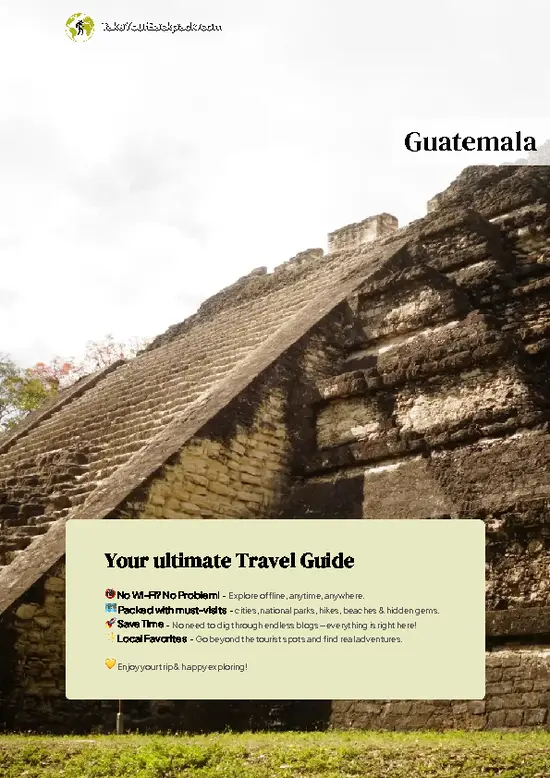
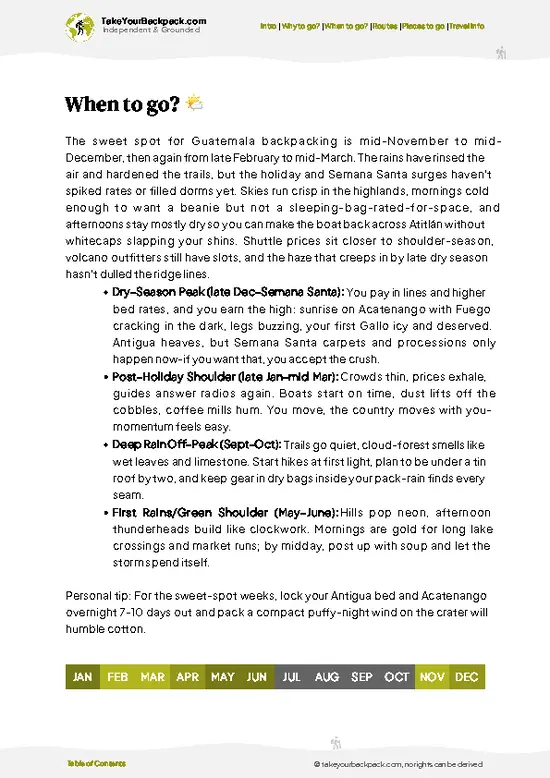
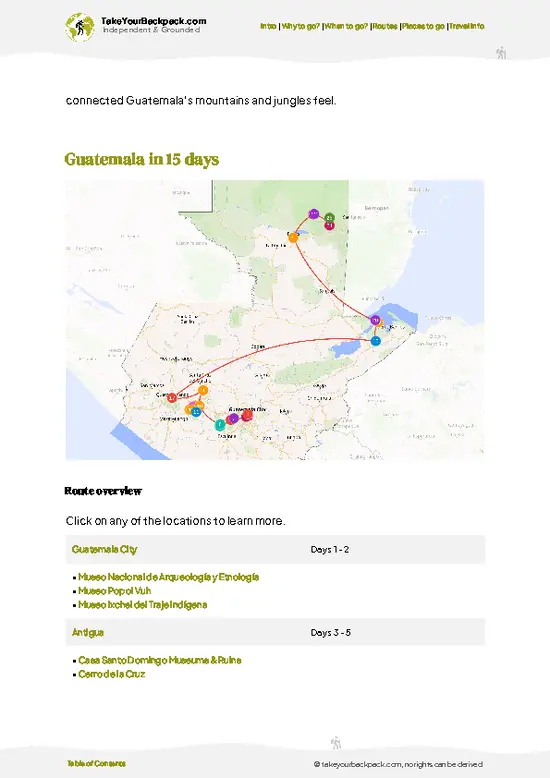
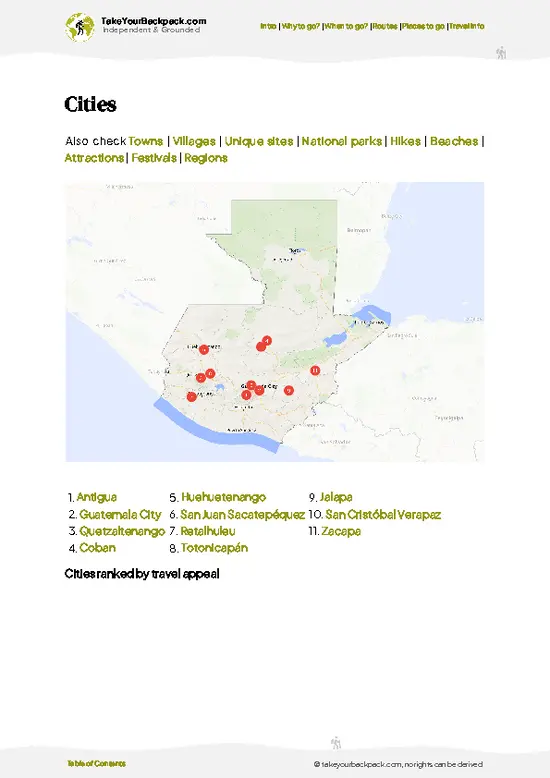
example page 0 from our offline Travel Guide for Guatemalaexample page 1 from our offline Travel Guide for Guatemalaexample page 2 from our offline Travel Guide for Guatemalaexample page 3 from our offline Travel Guide for Guatemalaexample page 4 from our offline Travel Guide for Guatemalaexample page 5 from our offline Travel Guide for Guatemalaexample page 6 from our offline Travel Guide for Guatemalaexample page 7 from our offline Travel Guide for Guatemala
The digital guide (396 pages) contains:
100 highlights, ranked by travel appeal
Optimized 5, 10 & 15-day travel routes
Cities, national parks, landmarks, beaches
How to get around
Offline-friendly for travel without Wi-Fi
👉 Click to see all 30+ guide features

📅 Plan smarter in minutes, not weeks
Month by month travel advice
Festivals & national holidays
Budget expectations

🗺️ Go to the right places, skip the overrated ones
Honest pros & cons of destinations
Top hikes, parks & viewpoints
Lesser-known places most travelers miss
Clear “worth it vs skip it” guidance

🛏️ Travel smoothly without rookie mistakes
Best areas to stay
Transport systems explained simply
Common scams & safety advice
SIM cards, money & practical tips

🌍 Understand the country, not just visit it
Culture & traditions
52 Essential phrases & customs
Festivals worth planning around
Traveler-friendly historical context
Insights that make places more meaningful

📱 Built for real travel conditions
Fully downloadable PDF
Works completely offline
Optimized for phone use
Useful in remote areas & buses
Everything in one place
Save weeks of stressful planning
Get instant access to your full guide. 30‑day money-back guarantee.


By proceeding you agree to our terms.
Sent to your inbox immediately after payment • 100% Secure Checkout
Best Backpacking Travel Advisor 2025 tourism awardBest Backpacking
Travel Advisor
2025
What others say about Take Your Backpack Guides:
⭐⭐⭐⭐⭐
Fantastic, amazing amount of information!
⭐⭐⭐⭐⭐
My goodness this is amazing, it's what I've been looking for hats off too you!
⭐⭐⭐⭐⭐
I think this is absolutely BRILLIANT
⭐⭐⭐⭐
Very complete and informative. It's still missing places, but I gotta to commend you
⭐⭐⭐⭐⭐
This is truly amazing, thank you, can't wait to explore it with my kids!
⭐⭐⭐⭐⭐
Awesome resource, thank you!
⭐⭐⭐⭐⭐
This is amazing! Can't wait to explore the ones I haven't seen
⭐⭐⭐⭐
I love this! Well done, great idea.
⭐⭐⭐⭐⭐
Thanks for taking the time to make this gem!
⭐⭐⭐⭐⭐
This might be the best website I've ever seen.
⭐⭐⭐⭐⭐
Congratulations, and thank you so much for your work; it's incredibly valuable.
⭐⭐⭐⭐
In all seriousness I think you did a great job pointing out the important spots
⭐⭐⭐⭐⭐
10/10 very good
⭐⭐⭐⭐⭐
As someone who's only just starting to visit regularly this is awesome, thank you.
⭐⭐⭐⭐
Thank you very much! I'm going to visit my dad, it's going to be very useful!
⭐⭐⭐⭐⭐
This is really cool! We'll be travelling for the first time and this definitely come in handy.
⭐⭐⭐⭐⭐
You are now our minister of culture, congratulations 👨‍💼
⭐⭐⭐⭐⭐
Just wanted to tell you that this is a pearl! Going to follow your recommendations.
⭐⭐⭐⭐⭐
This is so cool. I'll definitely be using the resource for my travels soon.
⭐⭐⭐⭐⭐
This is very impressive! Good work.
⭐⭐⭐⭐⭐
This is an amazing and informative site. Very well done!

🛏️ Where to stay?Best areas to stay in Guatemala

In Totonicapán, the sweet spot for backpackers is the area around the central park and the adjacent streets. This zone strikes a rare balance: it’s safe enough to wander after dark, yet lively enough to meet fellow travelers and locals without feeling like a tourist trap. You’ll find a handful of hostels here, catering to budget travelers and solo adventurers who want to keep costs low without sacrificing social opportunities. The vibe is relaxed but engaging—think local markets spilling into plazas, street vendors with fresh snacks, and a steady hum of community life.

Compared to the quieter … read more 👉
In Totonicapán, the sweet spot for backpackers is the area around the central park and the adjacent streets. This zone strikes a rare balance: it’s safe enough to wander after dark, yet lively enough to meet fellow travelers and locals without feeling like a tourist trap. You’ll find a handful of hostels here, catering to budget travelers and solo adventurers who want to keep costs low without sacrificing social opportunities. The vibe is relaxed but engaging—think local markets spilling into plazas, street vendors with fresh snacks, and a steady hum of community life.

Compared to the quieter residential neighborhoods on the outskirts, this central area offers more interaction and easier access to buses and local transport, which is a huge time-saver. On the flip side, it’s less polished than the more commercial zones, but that’s part of the charm—it’s authentic, not sanitized. For backpackers, this means trading a bit of comfort for immersion and connection, a trade-off that pays dividends in memorable experiences.

🚌 Getting aroundHow to get from A to B

Totonicapán moves at a pace that’s part old-school rhythm, part spontaneous pulse. It’s not a city where everything clicks like clockwork, but neither is it a free-for-all chaos. You’ll find a blend of fixed schedules and flexible, on-the-fly decisions, especially when it comes to getting around. The locals know the dance well—waiting for the right moment, catching a ride when it appears, and making the most of every quetzal spent. For you, the savvy traveler, this means mastering the trade-offs between time, money, and comfort is your ticket to unlocking the city’s real character without burning your budget or your patience.


  • Walking: The most straightforward and cost-free way to explore Totonicapán’s compact center. It’s slow but immersive—perfect for soaking in street life, markets,
read more 👉
Totonicapán moves at a pace that’s part old-school rhythm, part spontaneous pulse. It’s not a city where everything clicks like clockwork, but neither is it a free-for-all chaos. You’ll find a blend of fixed schedules and flexible, on-the-fly decisions, especially when it comes to getting around. The locals know the dance well—waiting for the right moment, catching a ride when it appears, and making the most of every quetzal spent. For you, the savvy traveler, this means mastering the trade-offs between time, money, and comfort is your ticket to unlocking the city’s real character without burning your budget or your patience.


  • Walking: The most straightforward and cost-free way to explore Totonicapán’s compact center. It’s slow but immersive—perfect for soaking in street life, markets, and local chatter. No schedule, no cost, but expect some uneven sidewalks and occasional steep stretches.


  • Chicken Buses: These repurposed school buses are the backbone of local transit. They run frequently from early morning (around 5:30 AM) until early evening (about 6 PM). Fares hover around 2-3 quetzales. They’re cheap and authentic but can be cramped and noisy, so comfort is minimal. Speed depends on traffic and stops, but they’re reliable for short to medium distances.


  • Colectivos: Shared vans that fill up before leaving, usually heading to nearby towns or key points within Totonicapán. They operate roughly from 6 AM to 7 PM, costing about 5-10 quetzales depending on distance. Faster and more comfortable than chicken buses, but you sacrifice some flexibility since they leave only when full.


  • Mototaxis: Small, three-wheeled vehicles perfect for short hops or when you’re pressed for time. They’re available throughout the day and night, with fares negotiable but generally between 10-20 quetzales. They offer speed and door-to-door convenience but at a higher cost and less safety than larger vehicles.


Understanding these options means you’re not just moving through Totonicapán—you’re playing the system smart. Walk when you want to absorb the city’s soul, hop on a chicken bus to save money and meet locals, or grab a mototaxi when time is tight and comfort matters. Each choice is a deliberate trade-off, and mastering them turns transit from a chore into a strategic advantage.

👛 Costs (as of 9 July 2025)Money, prices, and spending tips

Backpacking in Totonicapán, Guatemala, offers a clear trade-off between cost and comfort, with prices that reflect its status as a smaller, less tourist-heavy city. Here’s how your daily budget breaks down:
  • Dorm Accommodation (High Season): Expect to pay around $8 to $12 per night. High season sees a slight bump due to demand, but it’s still very affordable compared to bigger cities.
  • Dorm Accommodation (Off-Season): Prices drop to about $5 to $8. Off-season travelers can snag quieter, cheaper stays with fewer crowds.
  • Meals: Street food and local eateries dominate here. Budget $3 to $6 per day if you stick to traditional dishes like tamales or atol. Eating at slightly nicer spots or having occasional snacks will push this up.
  • Local Transport: Buses and tuk-tuks are the norm. A typical ride
read more 👉
Backpacking in Totonicapán, Guatemala, offers a clear trade-off between cost and comfort, with prices that reflect its status as a smaller, less tourist-heavy city. Here’s how your daily budget breaks down:
  • Dorm Accommodation (High Season): Expect to pay around $8 to $12 per night. High season sees a slight bump due to demand, but it’s still very affordable compared to bigger cities.
  • Dorm Accommodation (Off-Season): Prices drop to about $5 to $8. Off-season travelers can snag quieter, cheaper stays with fewer crowds.
  • Meals: Street food and local eateries dominate here. Budget $3 to $6 per day if you stick to traditional dishes like tamales or atol. Eating at slightly nicer spots or having occasional snacks will push this up.
  • Local Transport: Buses and tuk-tuks are the norm. A typical ride costs $0.25 to $0.50, so budgeting $1 to $2 daily covers most short trips.
  • City Transport Pass: Totonicapán doesn’t have a formal city transport pass system, so individual fares apply. This keeps your transport spending flexible but requires a bit more attention to daily costs.
  • Basic Activities/Entry Fees: Cultural sites and local markets usually charge minimal or no entry fees. Budget $1 to $3 for occasional museum visits or guided tours.
  • Miscellaneous Expenses: This includes bottled water, occasional coffee, or small souvenirs. Around $2 to $4 daily is a safe estimate.

All told, a realistic daily budget for backpacking in Totonicapán ranges from about $12 on a shoestring to $25 if you lean toward a bit more comfort or activity. The city’s low cost of living means you’re not sacrificing much comfort for affordability, but the trade-off is in fewer tourist amenities and less nightlife buzz. Knowing this lets you plan exactly where to save and where to splurge, turning your logistics into a strategic win.


source: visitguatemala.com
⚠️ Prices can change and everyone travels differently, so take this as a rough guide. Hope it helps you plan your adventure!

🚌 Day tripsBest day trips from Totonicapán

Totonicapán is a backpacker’s dream base for day trips, offering a mix of culture, nature, and adventure without breaking the bank. Here are some standout options that will enrich your experience.

Chichicastenango Market
Just an hour away, Chichicastenango is a sensory overload of colors, sounds, and smells. The market is a vibrant showcase of indigenous culture, where you can haggle for textiles, masks, and local crafts. Arrive early to catch the locals setting up and enjoy the lively atmosphere. A budget of around $10 should cover transport and a few snacks. Avoid the mistake of visiting on a non-market day; it’s a ghost town then.


Lake Atitlán
A two-hour journey will take you to the stunning Lake Atitlán, surrounded by volcanoes and charming villages. Spend your day exploring places … read more 👉
Totonicapán is a backpacker’s dream base for day trips, offering a mix of culture, nature, and adventure without breaking the bank. Here are some standout options that will enrich your experience.

Chichicastenango Market
Just an hour away, Chichicastenango is a sensory overload of colors, sounds, and smells. The market is a vibrant showcase of indigenous culture, where you can haggle for textiles, masks, and local crafts. Arrive early to catch the locals setting up and enjoy the lively atmosphere. A budget of around $10 should cover transport and a few snacks. Avoid the mistake of visiting on a non-market day; it’s a ghost town then.


Lake Atitlán
A two-hour journey will take you to the stunning Lake Atitlán, surrounded by volcanoes and charming villages. Spend your day exploring places like San Juan La Laguna, known for its art and coffee cooperatives. You can swim, hike, or just soak in the views. Expect to spend about $15 on transport and lunch. The best time to visit is during the dry season, from November to April, when the skies are clearer. Don’t forget to check the boat schedules; they can be sporadic.


Quetzaltenango
Only an hour away, Quetzaltenango (or Xela) offers a blend of history and modernity. Explore the hot springs in Fuentes Georginas or take a walking tour of the city’s colonial architecture. A day here will cost around $12, including transport and a meal. The best time to visit is during the dry season, but be wary of the altitude; acclimatize before hiking.
👉 Explore Quetzaltenango

Tajumulco Volcano
For the adventurous, a day trip to Tajumulco, the highest peak in Central America, is a must. It’s about a two-hour drive to the base, followed by a challenging hike. The views from the summit are worth every ounce of effort. Budget around $20 for transport and snacks. The best time to hike is during the dry season, but don’t underestimate the cold at the top; layers are essential.
👉 Explore Tajumulco Volcano
Want to know what more Guatemala offers?
The Guatemala Travel Guide describes 100 highlights, from cities to national parks, from beaches to hikes

Get the Travel Guide -

🍲 FoodWhat to Eat & Drink

In Totonicapán, food is a vibrant tapestry of flavors that tells the story of its people. You can’t miss trying pepian, a rich, spicy stew made with chicken or beef, served with rice and tortillas. The kak’ik, a traditional turkey soup, is another must-try, bursting with herbs and spices that warm you from the inside out.

Backpackers often find their meals at bustling markets where the air is thick with the scent of grilled meats and fresh produce. Street vendors serve up tacos de chicharrón—crispy pork rinds tucked into soft tortillas, topped with fresh salsa. It’s casual, communal, and oh-so-satisfying.

When it comes to drinks, don’t overlook the local atol de elote, a sweet corn drink that’s perfect for cooling down after a day of exploring. You might also stumble upon a lively cantinaread more 👉
In Totonicapán, food is a vibrant tapestry of flavors that tells the story of its people. You can’t miss trying pepian, a rich, spicy stew made with chicken or beef, served with rice and tortillas. The kak’ik, a traditional turkey soup, is another must-try, bursting with herbs and spices that warm you from the inside out.

Backpackers often find their meals at bustling markets where the air is thick with the scent of grilled meats and fresh produce. Street vendors serve up tacos de chicharrón—crispy pork rinds tucked into soft tortillas, topped with fresh salsa. It’s casual, communal, and oh-so-satisfying.

When it comes to drinks, don’t overlook the local atol de elote, a sweet corn drink that’s perfect for cooling down after a day of exploring. You might also stumble upon a lively cantina where locals gather to sip on Gallo, the national beer, while sharing stories and laughter.

Etiquette here is relaxed; don’t be surprised if you’re invited to share a meal or a drink. Embrace the warmth of the community, and let the flavors of Totonicapán linger long after your visit.

🛡️ SafetySafety Tips and Common Scams in Totonicapán

Totonicapán is generally safe, but staying aware can enhance your experience. The bustling market is vibrant, but keep an eye on your belongings—pickpockets can be crafty in crowded areas. If you’re solo, avoid wandering too far from the main streets after dark; stick to well-lit paths and stay near locals.

Common scams are rare, but be cautious of overly friendly strangers offering unsolicited help. They might expect a tip or lead you to a shop where prices are inflated.

Annoyances can include persistent vendors, especially in the market. A polite but firm “no, gracias” usually does the trick. Carry yourself confidently, and don’t hesitate to ask locals for directions or advice; they’re often more than willing to help. This approach not only keeps you safe but also enriches your journey.

Other Guatemalan cities near Totonicapán

Explore more nearby:

  • Quetzaltenango—volcanic basin, student life, municipal markets| 19 km away
  • Huehuetenango—trade crossroads, mountain access, regional cuisine| 46 km away
  • Retalhuleu—lowland heat, theme parks, sugarcane fields| 56 km away

💡 Not sure where to go next?
Create a personalized itinerary for Guatemala including Totonicapán and the places that fit your trip.

Generate my itinerary

👉 Discover all cities

Or checkout all Guatemala has to offer (think cities, towns, villages, national parks, hikes, beaches, festivals)
Country photo of Guatemala

We 💚 feedbackParting advice and final tips

Totonicapán is a treasure for those craving authentic Guatemalan culture. The vibrant local markets and traditional textiles are a feast for the senses, offering a genuine glimpse into daily life. But be ready for the altitude; it can hit hard if you’re not acclimated. Embrace the challenge, and you’ll find the rewards—just don’t forget to take it slow and savor the experience.

✈️ When did I visit Guatemala?
Guatemala I visited during my half year trip through South and Central America back in 2003

✍️ Help improve this page!
The information on this page is based on my own backpacking experience in Guatemala, supplemented with up-to-date research and feedback from other travelers. Travel details can change, so if you notice anything outdated or incomplete, feel free to let me know.


🙋‍♂️ Give feedback

👋 Meet the founderWho’s Behind Take Your Backpack?

Johan, backpacker and founder of TakeYourBackpackHi, I’m Johan (Netherlands 🇳🇱), the creator of TakeYourBackpack. Over the past decade, I’ve backpacked through 80+ countries across six continents, gaining extensive experience with independent travel, long-term trips, and overland routes.

This site is built on a combination of firsthand travel experience and carefully curated insights from other backpackers. Many guides are based on places I’ve personally visited, while others bring together tips, observations, and practical advice shared by trusted travelers I’ve met along the way.

The goal is to provide realistic, experience-driven guidance — not generic itineraries — so you can explore destinations with better context, clearer expectations, and more confidence.

Get full Guatemala guide •
Instant download • 100 highlights • Full Offline guide