
×

Guinea-Bissau🇬🇼 | beachesPraia de OrangoHippo country, pirogue creeks, tidal mudflats, lantern evenings | things to do and best time to go

Explore Praia de BubaqueExplore Praia de Rubane

Backpacking in Praia de Orango
🌟 Highlightbeach ranked #2
By Johan Kruseman 🇳🇱 | Updated October 22, 2026

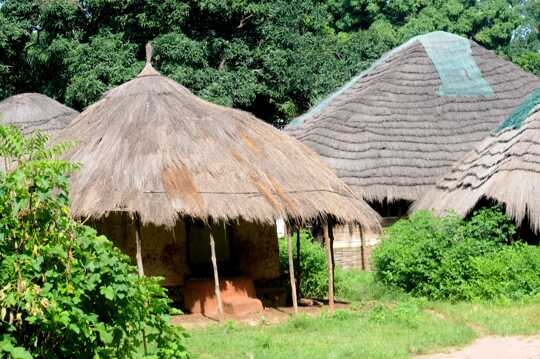
The pirogue grinds onto the sand and your boots sink into warm, gray-gold mud before the beach firms up. Salt, woodsmoke and drying fish drift from somewhere behind the palms, and the only engine you hear is the one you just left. Praia de Orango sits on Orango island in the Bijagós archipelago of Guinea-Bissau, southwest of Bissau across open water. Be realistic: getting here costs more than mainland beaches, there is no nightlife, no surf scene, and electricity and cold drinks are patchy. Swimming is pleasant at high tide, but tides drain the shallows far out, so timing matters. The reward is emptiness, mangrove edges, wading birds, and a national park where even the hippos have opinions about the sea. Food and beds are simple, mostly village or lodge style. Bring cash. At low tide, hippo tracks sometimes cross the same sand you walk on.

Discover everything you want to know in the 📖 Guinea-Bissau Travel Guide.


example page 0 from our offline Travel Guide for Guinea-Bissau
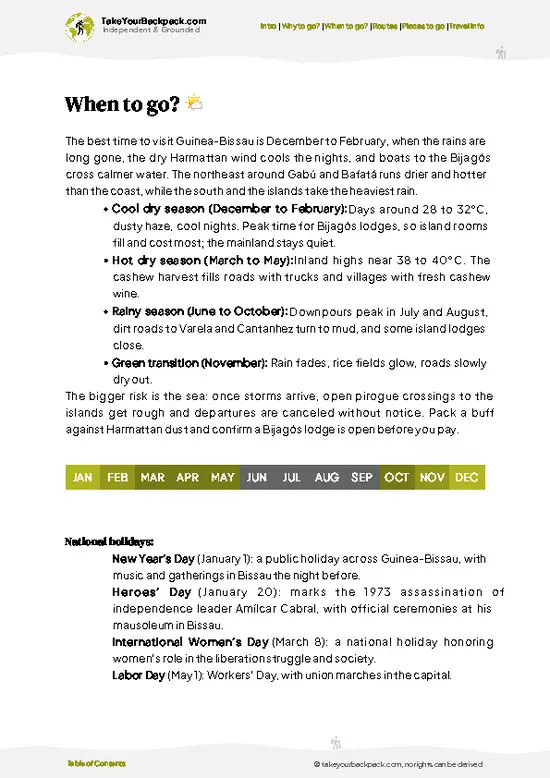
example page 1 from our offline Travel Guide for Guinea-Bissau
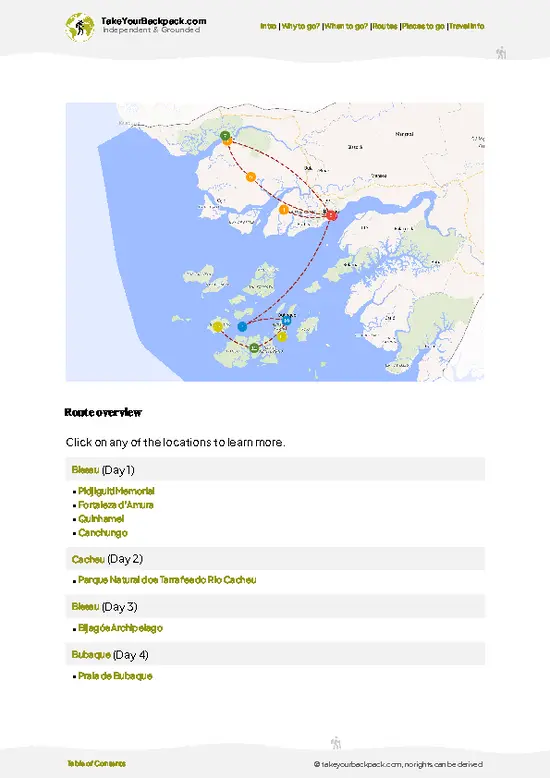
example page 2 from our offline Travel Guide for Guinea-Bissau
example page 3 from our offline Travel Guide for Guinea-Bissau
example page 4 from our offline Travel Guide for Guinea-Bissau
example page 5 from our offline Travel Guide for Guinea-Bissau
example page 6 from our offline Travel Guide for Guinea-Bissau
example page 7 from our offline Travel Guide for Guinea-Bissau
Loading the map 🌍
CLICK TO FILTER
cities
towns
national parks
beaches
attractions
festivals
regions
SHOW COUNTRY’S BESTSHOW ALL

✨ Why go?
Ranked #2 beach in Guinea-Bissau
What makes this beach worth visiting

Praia de Orango earns its stop because almost nobody else is there, and the island holds one of the strangest animal stories in West Africa: hippos that move between lagoons and the salt water. That alone separates it from every other beach on the Guinea-Bissau coast. You are not passing through on a coastal route here. You came by boat, and the boat decides the rhythm of your days.

The second reason is culture. Orango belongs to the Bijagós, a matrilineal society, and the island is home to Eticoga’s sacred sites and the legacy of the island’s queens. Guides from the national park community can arrange visits with the right respect, so you see more than sand. Fees and ceremonies are handled locally, and a respectful attitude goes a long way.

Last, it is a quiet place to stop and recover. … read more 👉
Praia de Orango earns its stop because almost nobody else is there, and the island holds one of the strangest animal stories in West Africa: hippos that move between lagoons and the salt water. That alone separates it from every other beach on the Guinea-Bissau coast. You are not passing through on a coastal route here. You came by boat, and the boat decides the rhythm of your days.

The second reason is culture. Orango belongs to the Bijagós, a matrilineal society, and the island is home to Eticoga’s sacred sites and the legacy of the island’s queens. Guides from the national park community can arrange visits with the right respect, so you see more than sand. Fees and ceremonies are handled locally, and a respectful attitude goes a long way.

Last, it is a quiet place to stop and recover. Sleeping is basic, evenings are dark and loud with insects and frogs, and the mangrove coast gives you birdlife at dawn without needing a tour. Travelers who like to slow down will find the island a welcome pause.

💡 HighlightsEssential experiences to have while visiting Praia de Orango

  1. Hippo watching in Orango Islands National Park: The island’s saltwater hippos are the reason most people come. A local guide takes you to the waterways and lagoons at the right tide, and you watch from a distance on foot or by boat. Sightings are never guaranteed, but the setting is part of the appeal.
  2. Eticoga sacred sites: This village area holds the sacred grounds tied to the island’s queens, including Okinka Pampa Kanyimpa. Visits go through local guides and some places are closed to outsiders. Ask permission, follow instructions, and leave offerings only if you are told to.
  3. Mangrove pirogue trips: Dugout canoes slip between mangrove roots where the creeks narrow and the mud smells of salt and rot. Herons, egrets, waders and sometimes dolphins show up. Go near high tide so the boat can reach
… read more 👉
  1. Hippo watching in Orango Islands National Park: The island’s saltwater hippos are the reason most people come. A local guide takes you to the waterways and lagoons at the right tide, and you watch from a distance on foot or by boat. Sightings are never guaranteed, but the setting is part of the appeal.
  2. Eticoga sacred sites: This village area holds the sacred grounds tied to the island’s queens, including Okinka Pampa Kanyimpa. Visits go through local guides and some places are closed to outsiders. Ask permission, follow instructions, and leave offerings only if you are told to.
  3. Mangrove pirogue trips: Dugout canoes slip between mangrove roots where the creeks narrow and the mud smells of salt and rot. Herons, egrets, waders and sometimes dolphins show up. Go near high tide so the boat can reach the interior channels.
  4. Beach walks at low tide: The sand flats are wide, textured with crab holes, bird prints and the occasional hippo track. Shorebirds feed along the waterline, and in nesting season you may see turtle tracks. Wear sandals you do not mind getting muddy.
  5. Village evenings on the island: After sunset, there is little electricity and no tourist scene, so evenings mean grilled fish, rice and conversation by lantern light. Locals sometimes talk about fishing and island customs if you ask politely. The sky is dark enough for serious stargazing.
Start with the hippo trip, since it depends on tides and daylight and the guides plan the rest of your stay around it.
Spotted a mistake or missing something? Contact us.

🌤️ When to go?Best time to visit Praia de Orango

  • Dry Season (November to May): Praia de Orango is easiest to reach and enjoy from December to April, with almost no rain, daytime highs around 30 to 34°C (86 to 93°F) and nights near 20 to 23°C (68 to 73°F). Sea breezes take the edge off the afternoons, and the boat crossings from Bubaque are calmer.
  • Hot Build-Up (April to May): Humidity climbs and the heat sits closer to 35°C (95°F) by midday. Beach walks work best early or late, and the first storms can roll in by late May.
  • Rainy Season (June to October): Heavy downpours, rough water and muddy forest tracks are normal, with 27 to 31°C (81 to 88°F) and thick humidity. Some lodges on Orango close, and boat transfers get scarce.
  • Wildlife and Crowds: The Orango Islands National Park sees few visitors at any time. Saltwater hippos and nesting turtles
… read more 👉
  • Dry Season (November to May): Praia de Orango is easiest to reach and enjoy from December to April, with almost no rain, daytime highs around 30 to 34°C (86 to 93°F) and nights near 20 to 23°C (68 to 73°F). Sea breezes take the edge off the afternoons, and the boat crossings from Bubaque are calmer.
  • Hot Build-Up (April to May): Humidity climbs and the heat sits closer to 35°C (95°F) by midday. Beach walks work best early or late, and the first storms can roll in by late May.
  • Rainy Season (June to October): Heavy downpours, rough water and muddy forest tracks are normal, with 27 to 31°C (81 to 88°F) and thick humidity. Some lodges on Orango close, and boat transfers get scarce.
  • Wildlife and Crowds: The Orango Islands National Park sees few visitors at any time. Saltwater hippos and nesting turtles are the draw, and prices rise a little for chartered boats in peak months. Daylight stays steady at about 11 to 13 hours all year.
Book your boat and park guide a few days ahead in January or February, when the few available lodgings fill first.


source: climatestotravel.comJANJanuary: excellent for travelingFEBFebruary: excellent for travelingMARMarch: excellent for travelingAPRApril: excellent for travelingMAYMay: highly recommended for travelingJUNJune: fair for travelingJULJuly: below average for travelingAUGAugust: below average for travelingSEPSeptember: fair for travelingOCTOctober: fair for travelingNOVNovember: highly recommended for travelingDECDecember: excellent for traveling
when-to-go

✈️ The backpacker research shortcutGuinea-Bissau Travel Guide

An offline-friendly backpacking guide with optimized travel routes, ranked highlights, transport advice, and the best areas to stay.
example page 0 from our offline Travel Guide for Guinea-Bissau
example page 1 from our offline Travel Guide for Guinea-Bissau
example page 2 from our offline Travel Guide for Guinea-Bissau
example page 3 from our offline Travel Guide for Guinea-Bissau
example page 4 from our offline Travel Guide for Guinea-Bissau
example page 5 from our offline Travel Guide for Guinea-Bissau
example page 6 from our offline Travel Guide for Guinea-Bissau
example page 7 from our offline Travel Guide for Guinea-Bissau
The digital guide (214 pages) contains:
✅ 48 highlights, ranked by travel appeal
✅ Optimized 2, 3 & 5-day travel routes
✅ Cities, national parks, landmarks, beaches
✅ How to get around
✅ Offline-friendly for travel without Wi-Fi
👉 Click to see all 30+ guide features

📅 Plan smarter in minutes, not weeks
✅ Month by month travel advice
✅ Festivals & national holidays
✅ Budget expectations

🗺️ Go to the right places, skip the overrated ones
✅ Honest pros & cons of destinations
✅ Top hikes, parks & viewpoints
✅ Lesser-known places most travelers miss
✅ Clear “worth it vs skip it” guidance

🛏️ Travel smoothly without rookie mistakes
✅ Best areas to stay
✅ Transport systems explained simply
✅ Common scams & safety advice
✅ SIM cards, money & practical tips

🌍 Understand the country, not just visit it
✅ Culture & traditions
✅ 52 Essential phrases & customs
✅ Festivals worth planning around
✅ Traveler-friendly historical context
✅ Insights that make places more meaningful

📱 Built for real travel conditions
✅ Fully downloadable PDF
✅ Works completely offline
✅ Optimized for phone use
✅ Useful in remote areas & buses
✅ Everything in one place
Stop searching, start planning
Get instant access to your full guide. 30‑day money-back guarantee.
+ Add another guide for just

By proceeding you agree to our terms.
Sent to your inbox immediately after payment • 100% Secure Checkout
Best Backpacking Travel Advisor 2025 tourism awardBest Backpacking
Travel Advisor
2025
What others say about Take Your Backpack Guides:
⭐⭐⭐⭐⭐
Fantastic, amazing amount of information!
⭐⭐⭐⭐⭐
My goodness this is amazing, it's what I've been looking for hats off too you!
⭐⭐⭐⭐⭐
I think this is absolutely BRILLIANT
⭐⭐⭐⭐
Very complete and informative. It's still missing places, but I gotta to commend you
⭐⭐⭐⭐⭐
This is truly amazing, thank you, can't wait to explore it with my kids!
⭐⭐⭐⭐⭐
Awesome resource, thank you!
⭐⭐⭐⭐⭐
This is amazing! Can't wait to explore the ones I haven't seen
⭐⭐⭐⭐
I love this! Well done, great idea.
⭐⭐⭐⭐⭐
Thanks for taking the time to make this gem!
⭐⭐⭐⭐⭐
This might be the best website I've ever seen.
⭐⭐⭐⭐⭐
Congratulations, and thank you so much for your work; it's incredibly valuable.
⭐⭐⭐⭐
In all seriousness I think you did a great job pointing out the important spots
⭐⭐⭐⭐⭐
10/10 very good
⭐⭐⭐⭐⭐
As someone who's only just starting to visit regularly this is awesome, thank you.
⭐⭐⭐⭐
Thank you very much! I'm going to visit my dad, it's going to be very useful!
⭐⭐⭐⭐⭐
This is really cool! We'll be travelling for the first time and this definitely come in handy.
⭐⭐⭐⭐⭐
You are now our minister of culture, congratulations 👨‍💼
⭐⭐⭐⭐⭐
Just wanted to tell you that this is a pearl! Going to follow your recommendations.
⭐⭐⭐⭐⭐
This is so cool. I'll definitely be using the resource for my travels soon.
⭐⭐⭐⭐⭐
This is very impressive! Good work.
⭐⭐⭐⭐⭐
This is an amazing and informative site. Very well done!

🛏️ Where to stay?Best areas and accommodation options

The best base for Praia de Orango is Eticoga, the main village on Orango Grande, with Bubaque as the realistic backup on the way in. Eticoga has the community-run guesthouses and the park’s visitor setup, so you can arrange guides for the saltwater hippos and the sacred sites without extra transfers. Expect simple rooms with mosquito nets, shared bathrooms, limited electricity and meals cooked by the family, usually fish and rice. Budget about €10 to 25 per person for a night with food, depending on the setup. It is not a party scene. The social side comes from sharing a table with other travelers, … read more 👉
The best base for Praia de Orango is Eticoga, the main village on Orango Grande, with Bubaque as the realistic backup on the way in. Eticoga has the community-run guesthouses and the park’s visitor setup, so you can arrange guides for the saltwater hippos and the sacred sites without extra transfers. Expect simple rooms with mosquito nets, shared bathrooms, limited electricity and meals cooked by the family, usually fish and rice. Budget about €10 to 25 per person for a night with food, depending on the setup. It is not a party scene. The social side comes from sharing a table with other travelers, park rangers and researchers, and from evenings spent in village company.

Another option is to stay in the villages closer to the beach on the island’s coast, such as Anor or Imbone, if your guide can arrange it. Beds are even more basic, and you pay for the boat and the sense of remoteness rather than comfort.

Bubaque, the main hub of the Bijagós archipelago, has far more beds and a better chance of meeting other backpackers. It works if you want to arrive by ferry and then hire a boat to Orango, but the crossing needs a full morning. Bring cash, since there are no ATMs on Orango, and plan on camping-level comfort.

🛡️ SafetySafety Tips and Common Scams in Praia de Orango

Praia de Orango is a quiet, wild beach where the main risks are heat, tides and distance from help. The Bijagós tides are large, and the flats can stretch out a long way at low water, so check tide times with your guide before walking far and before swimming. Currents run strongly through the channels between islands, so swim near the village shore and avoid crossing open channels. The beaches here are not lifeguarded and there are no flags.

Saltwater hippos and crocodiles live around the island, so keep to guided routes near mangroves and river mouths rather than wandering alone at dusk. Sharks and rays are present but rarely cause trouble. Shuffle your feet in shallow water.

The sun is intense. Cover up between late morning and mid-afternoon and carry more water than seems sensible. Theft … read more 👉
Praia de Orango is a quiet, wild beach where the main risks are heat, tides and distance from help. The Bijagós tides are large, and the flats can stretch out a long way at low water, so check tide times with your guide before walking far and before swimming. Currents run strongly through the channels between islands, so swim near the village shore and avoid crossing open channels. The beaches here are not lifeguarded and there are no flags.

Saltwater hippos and crocodiles live around the island, so keep to guided routes near mangroves and river mouths rather than wandering alone at dusk. Sharks and rays are present but rarely cause trouble. Shuffle your feet in shallow water.

The sun is intense. Cover up between late morning and mid-afternoon and carry more water than seems sensible. Theft is rare, but leave valuables with your host, and respect sacred forest and ceremonial sites, where entry rules are enforced by the community. Medical care is limited, so bring a good first-aid kit and any malaria prevention.

FAQTraveler FAQ

Reaching Praia de Orango takes a boat from Bissau, usually via Bubaque. The ferry from Bissau to Bubaque runs a few times a week and takes roughly 3 to 5 hours, costing about €10 to 20. From Bubaque, a chartered motorboat to Orango takes around 2 to 3 hours and costs roughly €100 to 200 per boat, so share it with others if you can.
Praia de Orango is better for walking, wildlife watching and quiet swims than for surfing or serious snorkeling. Swimming is fine in calm conditions near the village shore, but strong currents and big tides call for local advice. There is no surf scene or gear rental, and visibility is often cloudy because of sediment. The main attractions are saltwater hippos, turtles and birdlife, seen on guided trips.
Praia de Orango has no entrance fee for the beach itself, but visiting Orango Island means paying a park fee. Orango Islands National Park charges roughly €5 to 15 per visitor, plus a guide at about €10 to 25 a day for the hippo and turtle outings. You pay in cash, so bring enough from Bissau, as there are no ATMs on the island.
⚠️ Things can change over time, so always validate details locally before you go.

Other Bissau-Guinean beaches near Praia de Orango

Explore more nearby:

  • Praia de Bubaque—palm-backed sands, island village, local markets, ferry arrival| 40 km away
  • Praia de Rubane—quiet coves, eco-lodges, forest edge, calm waters| 45 km away
  • Varela Beach—long open shore, casuarina trees, sand dunes, border proximity| 122 km away

💡 Not sure where to go next?
Create a personalized itinerary for Guinea-Bissau including Praia de Orango and the places that fit your trip.

Generate my itinerary

👉 Discover all beaches

Or checkout all Guinea-Bissau has to offer (think cities, towns, villages, national parks, hikes, beaches, festivals)
Country photo of Guinea-Bissau

We 💚 feedbackWhat to keep in mind

Praia de Orango is worth two or three nights, not a rushed single afternoon. That gives you one tide-timed hippo outing, a day for Eticoga and the mangroves, and a spare day in case weather or boats change plans. I would carry extra cash, a headlamp, insect repellent and snacks, and skip any tight onward schedule.

✍️ Help improve this page!
The information on this page is based on in-depth research, insights shared by experienced travelers, and feedback from the local travel community in Guinea-Bissau. While every effort is made to keep the information accurate and current, conditions can change — so if you spot anything incorrect or outdated, please get in touch.


🙋‍♂️ Give feedback

👋 Meet the founderWho’s Behind Take Your Backpack?

Johan, backpacker and founder of TakeYourBackpackHi, I’m Johan (Netherlands 🇳🇱), the creator of TakeYourBackpack. Over the past 3 decades, I’ve backpacked through 90+ countries across six continents, gaining extensive experience with independent travel, long-term trips, and overland routes.

This site is built on a combination of firsthand travel experience and carefully curated insights from other backpackers. Many guides are based on places I’ve personally visited, while others bring together tips, observations, and practical advice shared by trusted travelers I’ve met along the way.

The goal is to provide realistic, experience-driven guidance — not generic itineraries — so you can explore destinations with better context, clearer expectations, and more confidence.