v2.webp)
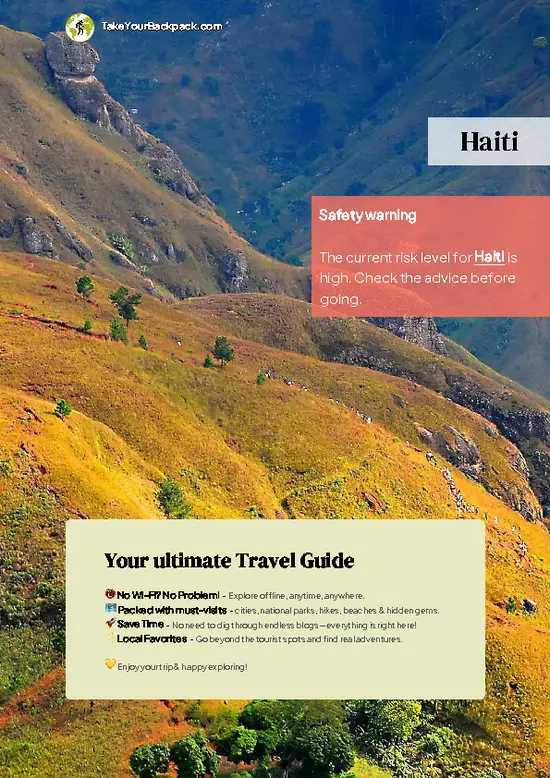
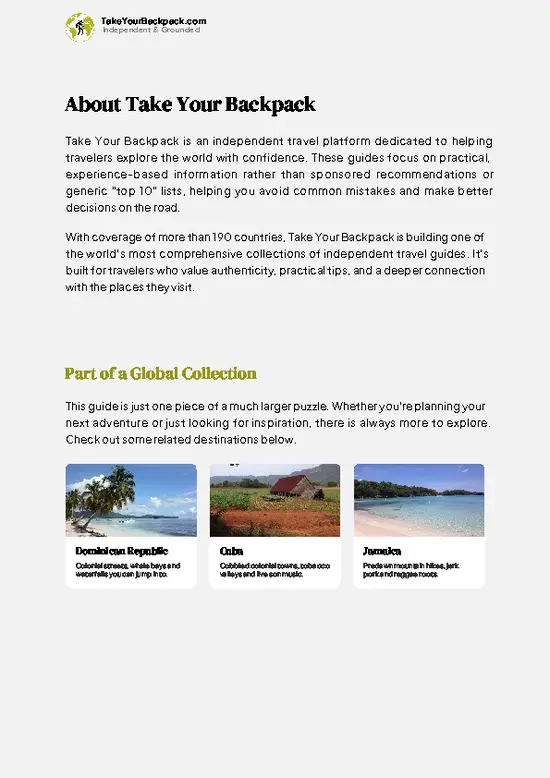
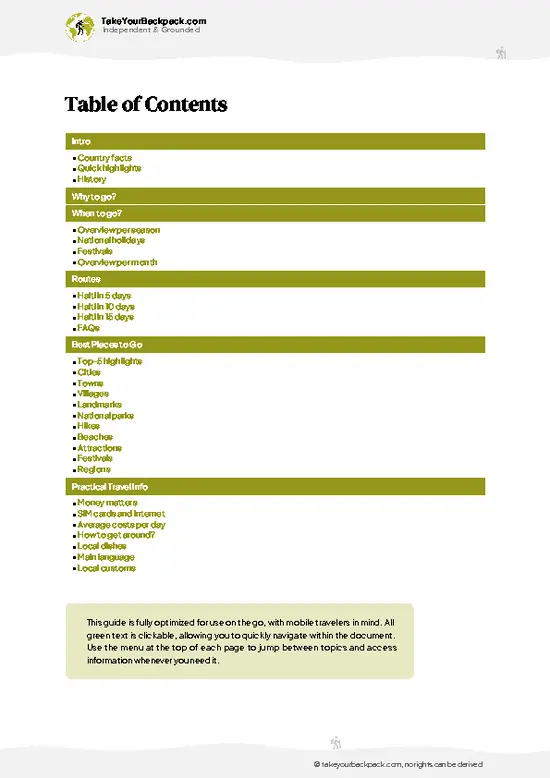
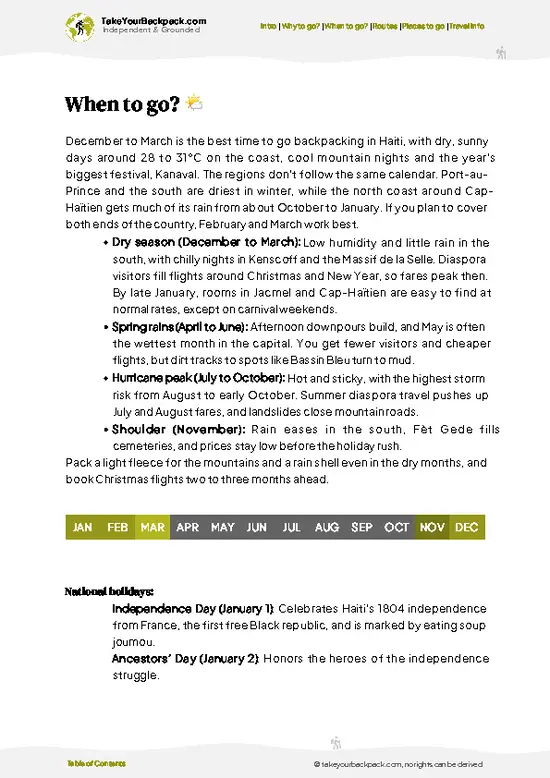
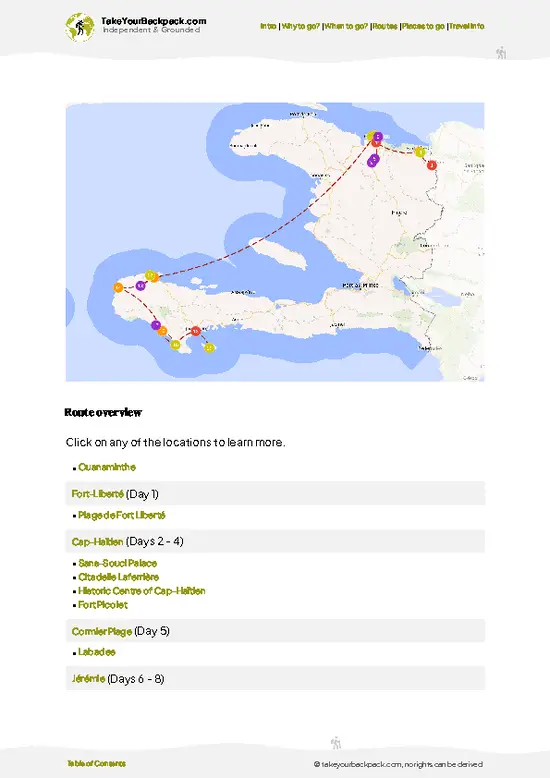
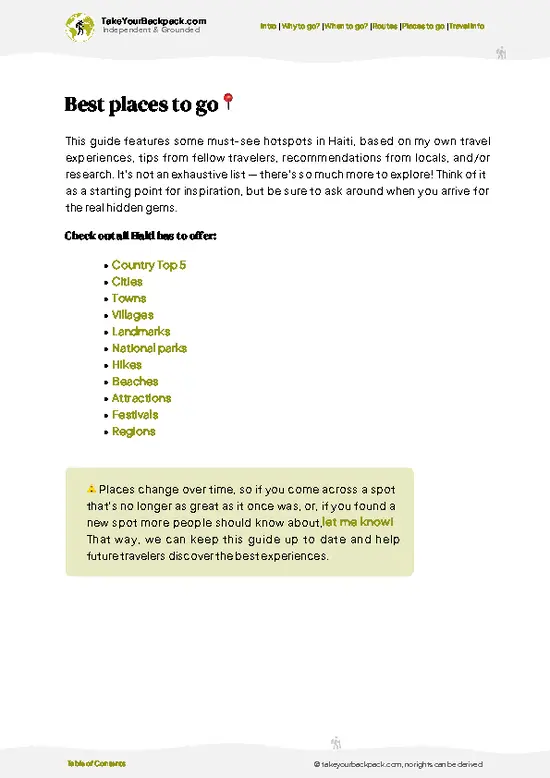
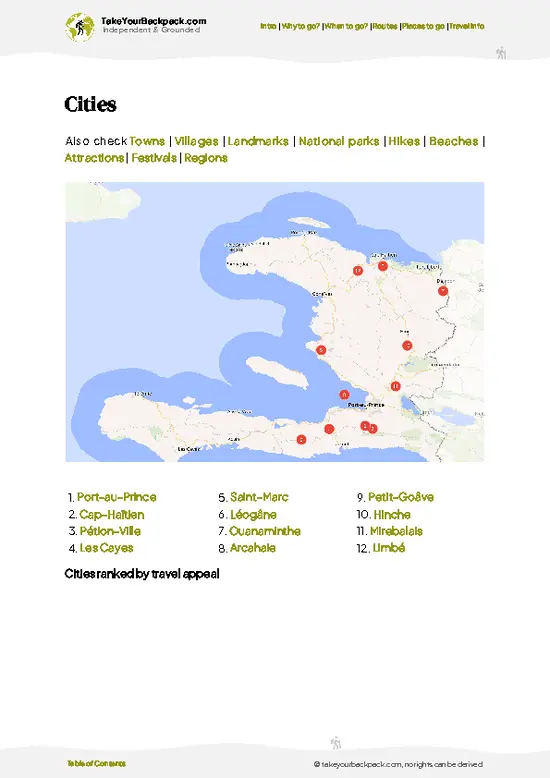
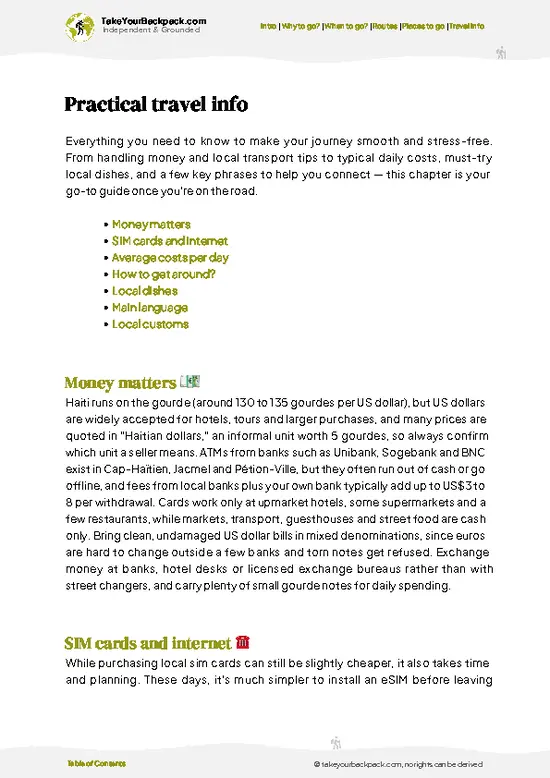
- Grand Cimetière of Port-au-Prince: The best-known gathering ground, where tombs become altars. Devotees crowd around the cross of Baron Samedi, the lord of the cemetery, to leave candles, cigarettes and offerings.
- Baron Samedi’s Cross: Painted black, it is the focal point for dancers in top hats, dark glasses and purple. Watching a possessed devotee greet the crowd here is the festival at its most intense.
- Rara and Drum Processions: Bands with drums, bamboo trumpets and tin horns move through the streets between graves. The rhythm is loud, hypnotic and easy to follow, even if you cannot dance.
- Rum Steeped with Hot Peppers: The Gede spirits are offered clairin infused with chilies, and some devotees splash it on their bodies. Do not sip casually. Accept a small taste only if it is offered by someone
- Grand Cimetière of Port-au-Prince: The best-known gathering ground, where tombs become altars. Devotees crowd around the cross of Baron Samedi, the lord of the cemetery, to leave candles, cigarettes and offerings.
- Baron Samedi’s Cross: Painted black, it is the focal point for dancers in top hats, dark glasses and purple. Watching a possessed devotee greet the crowd here is the festival at its most intense.
- Rara and Drum Processions: Bands with drums, bamboo trumpets and tin horns move through the streets between graves. The rhythm is loud, hypnotic and easy to follow, even if you cannot dance.
- Rum Steeped with Hot Peppers: The Gede spirits are offered clairin infused with chilies, and some devotees splash it on their bodies. Do not sip casually. Accept a small taste only if it is offered by someone you have been talking with.
- Gede Costumes and Bawdy Dance: The spirits are known for suggestive dancing, jokes and swaggering walks, performed in black frock coats, hats and white face powder. It is satire aimed at death itself, and the crowd roars with laughter.
Spotted a mistake or missing something? Contact us.
 Best Backpacking
.jpg) Hi, I’m Johan (Netherlands 🇳🇱), the creator of TakeYourBackpack. Over the past 3 decades, I’ve backpacked through 90+ countries across six continents, gaining extensive experience with independent travel, long-term trips, and overland routes.
Hi, I’m Johan (Netherlands 🇳🇱), the creator of TakeYourBackpack. Over the past 3 decades, I’ve backpacked through 90+ countries across six continents, gaining extensive experience with independent travel, long-term trips, and overland routes.