×

Haiti🇭🇹 | best festivalsExplore the 8 Best festivals in Haiti

Haiti’s festivals are a vibrant reflection of its rich culture, blending tradition and community spirit. From the bustling streets of Port-au-Prince to the serene landscapes of Jacmel, each region offers unique celebrations that cater to different travel styles and budgets. Timing is crucial; festivals often align with the carnival season or local harvests, impacting everything from crowd sizes to accommodation costs. Choosing the right festival can transform your experience, enhancing cultural immersion while ensuring safety and ease of travel. For backpackers, understanding these nuances is key to navigating Haiti’s dynamic festival scene without breaking the bank or losing energy on logistical challenges.

By Johan Kruseman 🇳🇱 | Updated September 5, 2026
Explore the best regions in Haiti

Why go?Why These festival Stand Out

Festivals in Haiti are a vibrant reflection of the country’s rich cultural tapestry, shaped by its historical struggles and resilient spirit. Unlike many other nations, Haitian festivals are deeply rooted in Vodou traditions, blending African heritage with colonial influences. This unique cultural fusion creates an atmosphere that is both authentic and immersive, offering travelers a chance to experience the soul of Haiti in a way that few other countries can replicate.

Timing is crucial. Many festivals align with the agricultural calendar, celebrating harvests and community bonds. However, this also means that peak festival times can draw large crowds, which may dilute the intimate experience some travelers seek. The climatic conditions can also be a factor; the rainy season can disrupt … read more 👉
Festivals in Haiti are a vibrant reflection of the country’s rich cultural tapestry, shaped by its historical struggles and resilient spirit. Unlike many other nations, Haitian festivals are deeply rooted in Vodou traditions, blending African heritage with colonial influences. This unique cultural fusion creates an atmosphere that is both authentic and immersive, offering travelers a chance to experience the soul of Haiti in a way that few other countries can replicate.

Timing is crucial. Many festivals align with the agricultural calendar, celebrating harvests and community bonds. However, this also means that peak festival times can draw large crowds, which may dilute the intimate experience some travelers seek. The climatic conditions can also be a factor; the rainy season can disrupt plans, making certain areas less accessible.

Travelers should weigh the trade-offs between cost and immersion. While some festivals may require a higher budget for accommodations and transportation, the depth of cultural engagement often justifies the expense. Conversely, opting for less popular festivals can lead to a more personal experience, but may come with logistical challenges. Understanding these nuances is essential for maximizing both energy and budget, ensuring that the moments that truly matter are preserved amidst the vibrant chaos of Haitian celebrations.
How the List Was Created
The list of best festivals in Haiti is created based on energy, traditions, crowd experience, activities, and overall excitement. If you feel a festival is missing in this list, please let us know.

When to go?When to Plan Your Trip

Seasonality and Festivals


Haiti’s festival scene is deeply tied to its seasons. The dry season, from November to April, is prime time for festivals. Expect vibrant celebrations, lively crowds, and a palpable energy. However, this is also when costs can spike. Accommodations fill up quickly, and prices rise as tourists flock to the festivities.

The rainy season, from May to October, brings a different atmosphere. While fewer festivals occur, the ones that do often feel more authentic. Crowds are lighter, and costs can drop significantly. However, be prepared for sudden downpours that can disrupt plans.

Shoulder seasons, particularly late April and early May, offer a mix of both worlds. Some festivals still take place, but with fewer tourists around. This can lead to a more intimate experience, … read more 👉

Seasonality and Festivals


Haiti’s festival scene is deeply tied to its seasons. The dry season, from November to April, is prime time for festivals. Expect vibrant celebrations, lively crowds, and a palpable energy. However, this is also when costs can spike. Accommodations fill up quickly, and prices rise as tourists flock to the festivities.

The rainy season, from May to October, brings a different atmosphere. While fewer festivals occur, the ones that do often feel more authentic. Crowds are lighter, and costs can drop significantly. However, be prepared for sudden downpours that can disrupt plans.

Shoulder seasons, particularly late April and early May, offer a mix of both worlds. Some festivals still take place, but with fewer tourists around. This can lead to a more intimate experience, allowing for deeper connections with locals.

Consider the trade-offs carefully. Peak periods mean high energy but also high costs and crowds. Quieter times can offer authenticity but may lack the same vibrancy. Understanding these dynamics is key to planning a trip that balances budget, experience, and the true spirit of Haiti’s rich cultural tapestry.

festival hoppingPlanning Your Route Efficiently

To efficiently combine multiple festivals across Haiti, start by clustering events regionally. Focus on the North, South, and West to minimize travel time. For instance, begin in Port-au-Prince, where many major festivals kick off, then move north to Cap-Haïtien for Carnival and other local celebrations. This routing not only saves time but also allows for a deeper dive into the cultural nuances of each area.

Plan for at least two to three days per major festival. This pacing helps absorb the atmosphere without feeling rushed. Crowds can be overwhelming, especially during peak events, so consider timing your visits to avoid the busiest days. Early arrivals often yield a more authentic experience.

A common mistake is underestimating travel times between locations. Roads can be unpredictable,read more 👉
To efficiently combine multiple festivals across Haiti, start by clustering events regionally. Focus on the North, South, and West to minimize travel time. For instance, begin in Port-au-Prince, where many major festivals kick off, then move north to Cap-Haïtien for Carnival and other local celebrations. This routing not only saves time but also allows for a deeper dive into the cultural nuances of each area.

Plan for at least two to three days per major festival. This pacing helps absorb the atmosphere without feeling rushed. Crowds can be overwhelming, especially during peak events, so consider timing your visits to avoid the busiest days. Early arrivals often yield a more authentic experience.

A common mistake is underestimating travel times between locations. Roads can be unpredictable, so factor in extra time for transit. Balancing speed with depth is crucial; rushing through festivals can lead to missing the essence of the experience. Prioritize comfort over budget when it comes to accommodations and transport, as fatigue can sap the joy from these vibrant events.

Flexibility is key. Be prepared to adjust plans based on local happenings or unexpected delays. This adaptability will enhance the overall experience, allowing for spontaneous moments that often become the highlights of any trip.

The ListTop festivals of Haiti

1 Carnival

costumed parades, street bands, papier-mâché artistry

Join crowds moving through city streets as music, elaborate floats, and masked performers create a charged atmosphere unique to Haiti’s pre-Lenten celebration.

2 Rara Festival

processional music, bamboo instruments, rural roads

Follow musicians and dancers as they wind through villages and fields, blending spiritual rituals with improvisational street performances during Lent.

3 Fête Gede

cemetery gatherings, ancestral rituals, spirit offerings

Observe families honoring the dead with drumming, dance, and Vodou ceremonies that fill graveyards and city squares in early November.

4 Port-au-Prince International Jazz Festival

live jazz, global musicians, urban venues

Hear jazz performed by artists from Haiti and abroad, with concerts staged in city theaters and outdoor spaces that draw music lovers each winter.

5 Jacmel Film Festival

seaside screenings, international filmmakers, local cinema

Watch films in open-air venues, meet directors, and discover emerging Haitian talent in a relaxed coastal setting that attracts cinephiles from across the region.

6 Fête Champêtre

country fairs, communal feasts, rural games

Spend a day in the countryside enjoying traditional foods, music, and friendly competitions that bring together neighboring villages for annual festivities.

7 Fête Patronale de Saint-Louis du Nord

pilgrimage site, folk dances, religious icons

Take part in a spiritual gathering where pilgrims, musicians, and artisans converge to honor Saint Louis with processions and lively cultural displays.

8 Fête Patronale de Saint-Marc

church processions, street vendors, local crafts

Join residents for religious ceremonies, open-air markets, and music-filled evenings that celebrate the town’s patron saint each August.

Loading the map 🌍

Expert viewExpert Commentary on festivals

Energy & Timing

Haiti’s festival scene is a whirlwind of color, sound, and culture. You’ll want to hit at least three to five festivals to truly grasp the vibrancy of Haitian life. Timing is crucial; many festivals align with religious or agricultural calendars. For instance, Carnival, typically in February, is a massive celebration that draws crowds from all over. But don’t overlook smaller, local festivals that might not be on the tourist radar. They often offer a more authentic experience, but they can also be less organized. Expect to navigate crowds and potential logistical hiccups.

Cultural Context

Understanding the cultural backdrop is essential. Festivals often reflect Haiti’s rich history, blending African traditions with Catholic influences. You’ll see this in the music, dance, … read more 👉

Energy & Timing

Haiti’s festival scene is a whirlwind of color, sound, and culture. You’ll want to hit at least three to five festivals to truly grasp the vibrancy of Haitian life. Timing is crucial; many festivals align with religious or agricultural calendars. For instance, Carnival, typically in February, is a massive celebration that draws crowds from all over. But don’t overlook smaller, local festivals that might not be on the tourist radar. They often offer a more authentic experience, but they can also be less organized. Expect to navigate crowds and potential logistical hiccups.

Cultural Context

Understanding the cultural backdrop is essential. Festivals often reflect Haiti’s rich history, blending African traditions with Catholic influences. You’ll see this in the music, dance, and food. Each festival has its own flavor, so immerse yourself in the local customs. However, be prepared for cultural nuances. Some events may have strict dress codes or etiquette that, if ignored, could lead to uncomfortable situations. Respect is key; engage with locals, but do so with an awareness of their traditions.

Crowd Management

Crowds can be overwhelming, especially at major events like Carnival. Plan your attendance strategically. Arrive early to snag a good spot, and consider staying a bit longer to avoid the rush. If you’re not a fan of large crowds, seek out smaller festivals or events that happen on the fringes of the main celebrations. These can be just as enriching but with far less chaos. Remember, the energy of the crowd can be exhilarating, but it can also drain your stamina quickly.

Budget & Comfort Considerations

Festivals can range from free to pricey, depending on the event and location. Street festivals often have no entry fee, but you’ll want to budget for food, drinks, and souvenirs. For larger events, ticket prices can vary widely. Accommodations can also spike during festival seasons, so book early to avoid inflated prices. If you’re on a tighter budget, consider staying in less touristy areas. Just be aware that infrastructure can be hit or miss, so don’t expect luxury.

Safety & Cultural Considerations

Safety is paramount. While many festivals are safe, it’s wise to stay alert, especially in crowded areas. Petty crime can occur, so keep your belongings secure and avoid flashy displays of wealth. Also, be mindful of local customs. Some festivals may have rituals that seem foreign or even strange. Approach them with an open mind, but also a respectful distance if you’re unsure. Engaging with locals can enhance your experience, but always prioritize your safety and comfort.

Planning & Prioritizing

When planning your festival itinerary, prioritize based on your interests. Are you drawn to music, food, or cultural rituals? Each festival will offer a different slice of Haitian life. Don’t try to cram too much into your schedule; allow time for spontaneity. You might stumble upon an impromptu celebration that’s not in any guidebook. Flexibility can lead to the most rewarding experiences.

In the end, Haiti’s festivals are a celebration of resilience and joy. They’re not just events; they’re a window into the soul of a nation. Approach them with respect, curiosity, and a sense of adventure, and you’ll walk away with memories that resonate long after the music fades.

✈️ The backpacker research shortcutHaiti Travel Guide

An offline-friendly backpacking guide with optimized travel routes, ranked highlights, transport advice, and the best areas to stay.
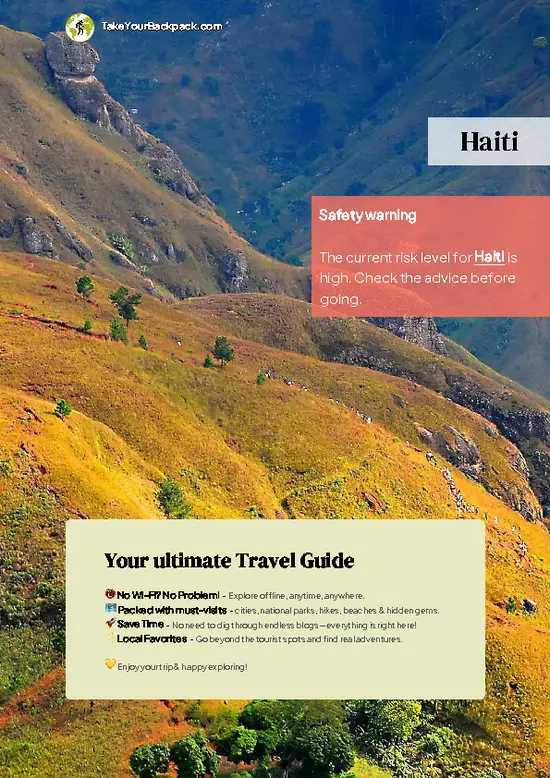
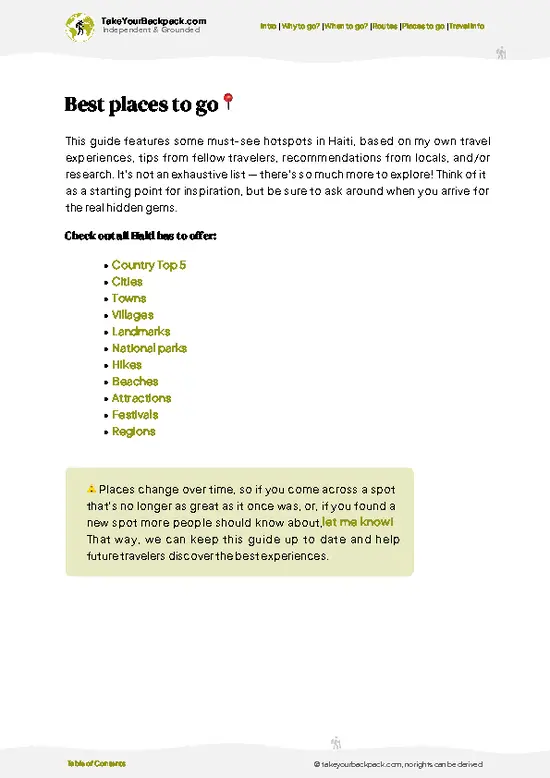
example page 0 from our offline Travel Guide for Haiti
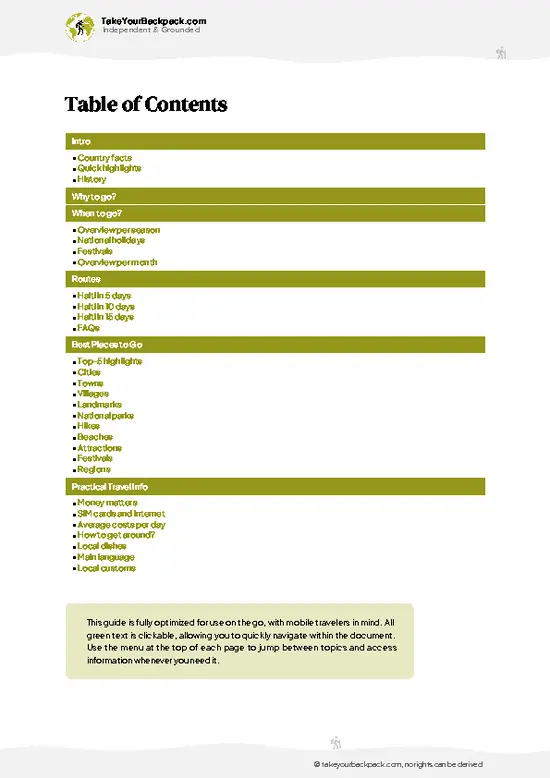
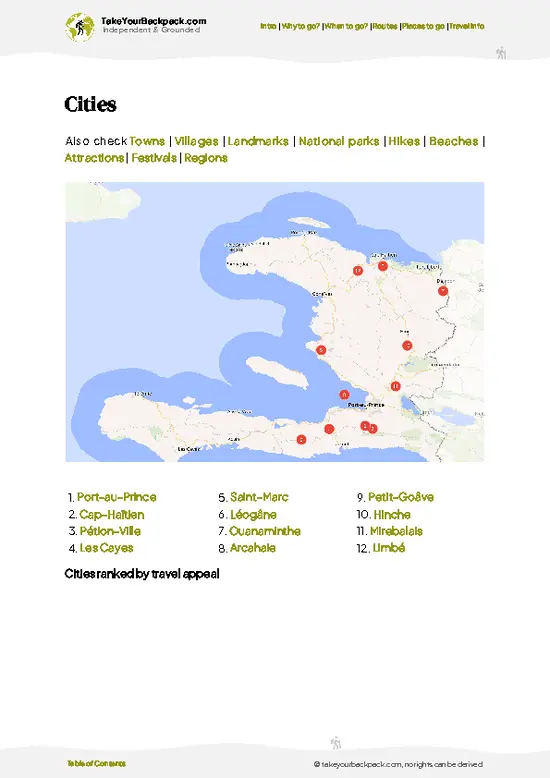
example page 1 from our offline Travel Guide for Haiti
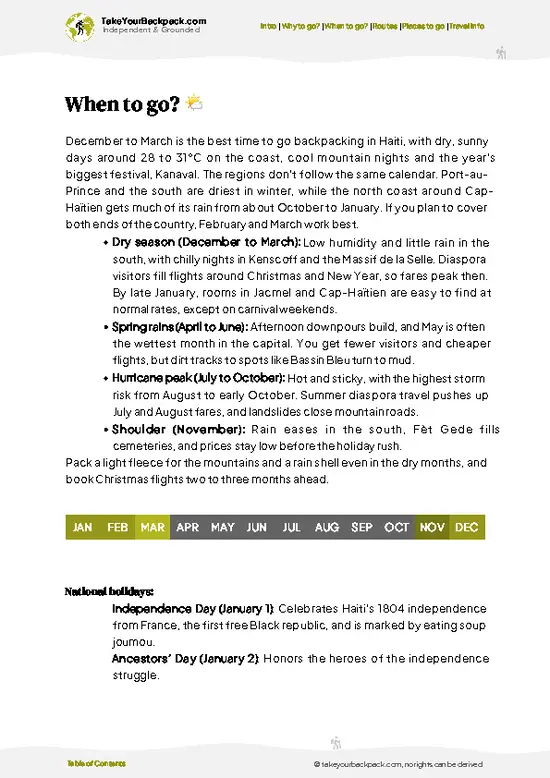
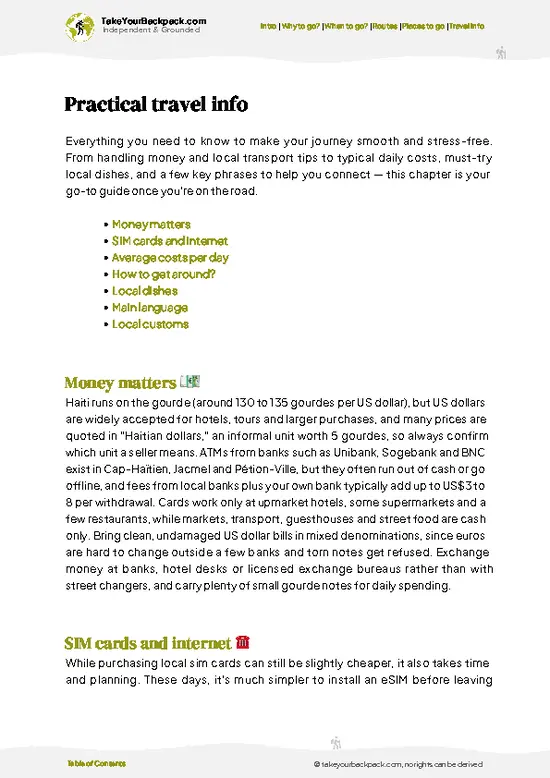
example page 2 from our offline Travel Guide for Haiti
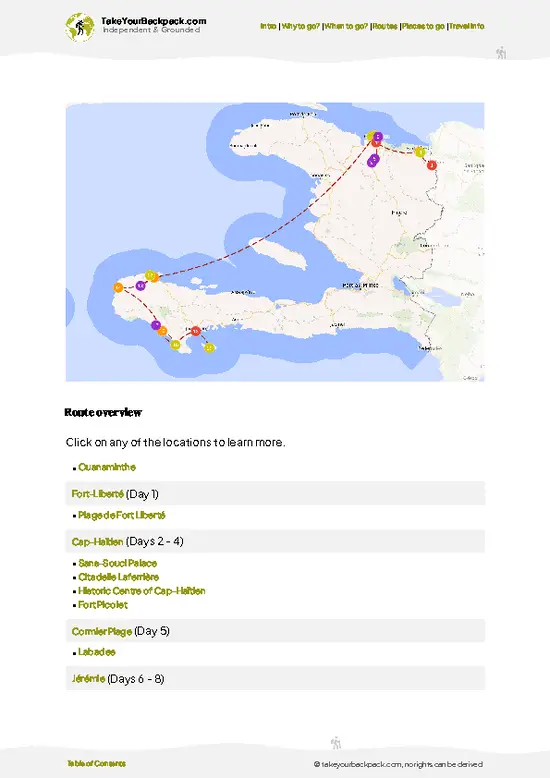
example page 3 from our offline Travel Guide for Haiti
example page 4 from our offline Travel Guide for Haiti
example page 5 from our offline Travel Guide for Haiti
example page 6 from our offline Travel Guide for Haiti
example page 7 from our offline Travel Guide for Haiti
The digital guide (361 pages) contains:
98 highlights, ranked by travel appeal
Optimized 5, 10 & 15-day travel routes
Cities, national parks, landmarks, beaches
How to get around
Offline-friendly for travel without Wi-Fi
👉 Click to see all 30+ guide features

📅 Plan smarter in minutes, not weeks
Month by month travel advice
Festivals & national holidays
Budget expectations

🗺️ Go to the right places, skip the overrated ones
Honest pros & cons of destinations
Top hikes, parks & viewpoints
Lesser-known places most travelers miss
Clear “worth it vs skip it” guidance

🛏️ Travel smoothly without rookie mistakes
Best areas to stay
Transport systems explained simply
Common scams & safety advice
SIM cards, money & practical tips

🌍 Understand the country, not just visit it
Culture & traditions
52 Essential phrases & customs
Festivals worth planning around
Traveler-friendly historical context
Insights that make places more meaningful

📱 Built for real travel conditions
Fully downloadable PDF
Works completely offline
Optimized for phone use
Useful in remote areas & buses
Everything in one place
Save weeks of stressful planning
Get instant access to your full guide. 30‑day money-back guarantee.
+ Add another guide for just US$7.80

By proceeding you agree to our terms.
Sent to your inbox immediately after payment • 100% Secure Checkout
Best Backpacking Travel Advisor 2025 tourism awardBest Backpacking
Travel Advisor
2025
What others say about Take Your Backpack Guides:
⭐⭐⭐⭐⭐
Fantastic, amazing amount of information!
⭐⭐⭐⭐⭐
My goodness this is amazing, it's what I've been looking for hats off too you!
⭐⭐⭐⭐⭐
I think this is absolutely BRILLIANT
⭐⭐⭐⭐
Very complete and informative. It's still missing places, but I gotta to commend you
⭐⭐⭐⭐⭐
This is truly amazing, thank you, can't wait to explore it with my kids!
⭐⭐⭐⭐⭐
Awesome resource, thank you!
⭐⭐⭐⭐⭐
This is amazing! Can't wait to explore the ones I haven't seen
⭐⭐⭐⭐
I love this! Well done, great idea.
⭐⭐⭐⭐⭐
Thanks for taking the time to make this gem!
⭐⭐⭐⭐⭐
This might be the best website I've ever seen.
⭐⭐⭐⭐⭐
Congratulations, and thank you so much for your work; it's incredibly valuable.
⭐⭐⭐⭐
In all seriousness I think you did a great job pointing out the important spots
⭐⭐⭐⭐⭐
10/10 very good
⭐⭐⭐⭐⭐
As someone who's only just starting to visit regularly this is awesome, thank you.
⭐⭐⭐⭐
Thank you very much! I'm going to visit my dad, it's going to be very useful!
⭐⭐⭐⭐⭐
This is really cool! We'll be travelling for the first time and this definitely come in handy.
⭐⭐⭐⭐⭐
You are now our minister of culture, congratulations 👨‍💼
⭐⭐⭐⭐⭐
Just wanted to tell you that this is a pearl! Going to follow your recommendations.
⭐⭐⭐⭐⭐
This is so cool. I'll definitely be using the resource for my travels soon.
⭐⭐⭐⭐⭐
This is very impressive! Good work.
⭐⭐⭐⭐⭐
This is an amazing and informative site. Very well done!

🛏️ Where to stay?Accommodation Highlights

Yes—Haiti has hostels, guesthouses and budget hotels, though options are more limited than in major backpacking countries; most budget accommodation clusters around Port‑au‑Prince, Cap‑Haïtien and the coastal town of Jacmel.
In Port‑au‑Prince the best choices cluster in Pétion‑Ville (more amenities, nightlife, relatively safer but pricier) and Delmas (cheaper, closer to services, mixed safety), while downtown is cheaper but riskier after dark; in the north, Cap‑Haïtien offers budget stays near the waterfront and town center for easy access to the Citadelle and nearby beaches, and Jacmel has small guesthouses close to art venues and beaches with a quieter, walkable feel.
Expect basic facilities, … read more 👉
Yes—Haiti has hostels, guesthouses and budget hotels, though options are more limited than in major backpacking countries; most budget accommodation clusters around Port‑au‑Prince, Cap‑Haïtien and the coastal town of Jacmel.
In Port‑au‑Prince the best choices cluster in Pétion‑Ville (more amenities, nightlife, relatively safer but pricier) and Delmas (cheaper, closer to services, mixed safety), while downtown is cheaper but riskier after dark; in the north, Cap‑Haïtien offers budget stays near the waterfront and town center for easy access to the Citadelle and nearby beaches, and Jacmel has small guesthouses close to art venues and beaches with a quieter, walkable feel.
Expect basic facilities, intermittent hot water and power, few true dorm-style hostels, and prioritize places with secure compounds or arranged transport since safety and limited reliable transit are the main constraints outside tourist centers.

If you enjoy meeting fellow travelers, consider choosing hostels with high ratings for atmosphere. On the other hand, if you prefer having your own space, a hotel might be a better option.

HaitiSee More of Haiti

👋 Meet the founderWho’s Behind Take Your Backpack?

Johan, backpacker and founder of TakeYourBackpackHi, I’m Johan (Netherlands 🇳🇱), the creator of TakeYourBackpack. Over the past decade, I’ve backpacked through 80+ countries across six continents, gaining extensive experience with independent travel, long-term trips, and overland routes.

This site is built on a combination of firsthand travel experience and carefully curated insights from other backpackers. Many guides are based on places I’ve personally visited, while others bring together tips, observations, and practical advice shared by trusted travelers I’ve met along the way.

The goal is to provide realistic, experience-driven guidance — not generic itineraries — so you can explore destinations with better context, clearer expectations, and more confidence.

Get full Haiti guide •
Instant download • 98 highlights • Full Offline guide