
×

Haiti🇭🇹 | landmarksFort Picoletcoastal fort, weathered battlements, Atlantic horizon | things to do and best time to go

Explore Palace of Sans SouciExplore Catedrale Notre Dame

Backpacking in Fort Picolet
👌 Worth visitingunique site ranked #8
By Johan Kruseman 🇳🇱 | Updated June 9, 2026

Most people only realize after they leave that Fort Picolet is one of the few big-ticket sights in Haiti where you can still wander without feeling herded or hustled every five seconds. It sits on a rocky headland at the mouth of the bay by Cap-Haïtien, guarding the approach like a stone exclamation point. As a backpacker destination, it’s raw and dramatic: Atlantic swells smashing against cliffs, crumbling French-era walls, zero safety rails, and almost no crowds. That freedom is the upside; the downside is rough access, minimal signage, and you’ll probably need a moto or boat plus some negotiation skills. It’s cheap, wildly photogenic in a shipwreck-movie way, and historically important, but don’t expect polished museums or comfort—this is pure, exposed Haiti.

Discover everything you want to know in the 📖 Haiti Travel Guide.
Safety warning

The current risk level for Haiti is high. Check the advice before going.


Get your Haiti guide
99 ranked highlights, routes & tips, works offline (371 pages)
Loading the map 🌍
CLICK TO FILTER
cities
towns
villages
landmarks
national parks
hikes
beaches
attractions
festivals
SHOW COUNTRY’S BESTSHOW ALL

✨ Why go?
Ranked #8 unique site in Haiti
What makes it a must-see unique site

Fort Picolet in Haiti isn’t just another stop on your backpacking route; it’s a raw slice of history that demands your attention. Sure, you’ll encounter crowds—tourists snapping selfies and locals hustling for a sale—but don’t let that deter you. The real magic lies in its stories. This fort, built in the 18th century, stands as a testament to resilience and ingenuity.

The cost? Minimal. A small entry fee gets you access to a site that feels like stepping back in time. You’ll find unique architecture and panoramic views that make the climb worth every step.

What’s more, Fort Picolet fits seamlessly into a broader route through Haiti. Pair it with a visit to nearby beaches or local markets for a full day of exploration. It’s not just about the fort; it’s about the experience. Make time … read more 👉
Fort Picolet in Haiti isn’t just another stop on your backpacking route; it’s a raw slice of history that demands your attention. Sure, you’ll encounter crowds—tourists snapping selfies and locals hustling for a sale—but don’t let that deter you. The real magic lies in its stories. This fort, built in the 18th century, stands as a testament to resilience and ingenuity.

The cost? Minimal. A small entry fee gets you access to a site that feels like stepping back in time. You’ll find unique architecture and panoramic views that make the climb worth every step.

What’s more, Fort Picolet fits seamlessly into a broader route through Haiti. Pair it with a visit to nearby beaches or local markets for a full day of exploration. It’s not just about the fort; it’s about the experience. Make time for it, and you’ll walk away with a deeper understanding of Haiti’s spirit.
Want to include Fort Picolet in your Haiti route?
Create a personalized Haiti itinerary that includes Fort Picolet and the places that fit your trip — based on your travel style, budget, and available time. Get your route in seconds.

Generate my trip

💡 HighlightsDon't-miss highlights and experiences

  • Ramparts and Sea Views — Weather-beaten stone walls that drop straight to the sea give one of the clearest panoramic views you’ll find on this coast. Bring a windbreaker and stay for sunset; the light turns the rocks into something cinematic.
  • Main Bastion and Cannon Emplacements — Rows of old cannon ports and firing platforms still hug the fort’s highest points, showing exactly why this spot was chosen for defense. Up close you get a good sense of military geometry — lines, angles and sight-lines — that made the place strategic.
  • Vaulted Magazines and Tunnels — Low, cool chambers and short tunnels dug into the fort’s core are atmospheric and echo with history. They’re great for exploring slowly; the acoustics make every whisper feel theatrical.
  • Colonial Quarters and Masonry Details — Crumbling
read more 👉
  • Ramparts and Sea Views — Weather-beaten stone walls that drop straight to the sea give one of the clearest panoramic views you’ll find on this coast. Bring a windbreaker and stay for sunset; the light turns the rocks into something cinematic.
  • Main Bastion and Cannon Emplacements — Rows of old cannon ports and firing platforms still hug the fort’s highest points, showing exactly why this spot was chosen for defense. Up close you get a good sense of military geometry — lines, angles and sight-lines — that made the place strategic.
  • Vaulted Magazines and Tunnels — Low, cool chambers and short tunnels dug into the fort’s core are atmospheric and echo with history. They’re great for exploring slowly; the acoustics make every whisper feel theatrical.
  • Colonial Quarters and Masonry Details — Crumbling living spaces, archways and carved stonework reveal the human side of the fort: where officers slept, stored goods, and ran the place day-to-day. Small details like worn steps and patched walls tell real stories more than any plaque can.
  • Local Ceremonial Spot — Parts of the fort are still used by nearby communities for gatherings and ritual events, which gives the site living cultural value rather than just being an empty ruin. If there’s a ceremony while you’re there, watch respectfully — it’s an authentic tie to local traditions.
  • Wildlife on the Walls — The crags and niches are home to seabirds, lizards and hardy coastal plants, turning the fortress into a surprising little ecosystem. Birdwatchers and nature lovers will enjoy the contrast between stone and life.
  • Photographic Vantages and Night Atmosphere — From morning mists to starlit silhouettes, the fort offers dramatic compositions for photographers and storytellers. At night the place feels almost cinematic, so bring a headlamp and patience if you want atmospheric shots.
Spotted a mistake or missing something? Contact us.

🌤️ When to go?Weather, crowds, and seasonal trade-offs


  • Weather: Haiti’s rainy season runs from April to November, with heavy downpours that can turn trails around Fort Picolet into mudslides. The dry season, December to March, offers clearer skies and less humidity—ideal for hiking and exploring.

  • Temperature: Expect daytime highs around 28-32°C (82-90°F) in the dry season, cooling off to 20-24°C (68-75°F) at night. The rainy season is warmer but stickier, making physical exertion tougher.

  • Daylight Hours: Haiti enjoys roughly 11-12 hours of daylight year-round, but the dry season’s clearer mornings and evenings give you more reliable light for trekking and photography.

  • Crowds: Fort Picolet isn’t a tourist magnet, but local visitors peak during holidays and weekends, especially in December and early January. Weekdays in the dry season are
read more 👉

  • Weather: Haiti’s rainy season runs from April to November, with heavy downpours that can turn trails around Fort Picolet into mudslides. The dry season, December to March, offers clearer skies and less humidity—ideal for hiking and exploring.

  • Temperature: Expect daytime highs around 28-32°C (82-90°F) in the dry season, cooling off to 20-24°C (68-75°F) at night. The rainy season is warmer but stickier, making physical exertion tougher.

  • Daylight Hours: Haiti enjoys roughly 11-12 hours of daylight year-round, but the dry season’s clearer mornings and evenings give you more reliable light for trekking and photography.

  • Crowds: Fort Picolet isn’t a tourist magnet, but local visitors peak during holidays and weekends, especially in December and early January. Weekdays in the dry season are your best bet for solitude.

  • Seasonal Activities: The dry season aligns with local festivals and cultural events, adding layers to your visit beyond the fort’s history. The rainy season sees fewer activities but lush green landscapes.

  • Price Fluctuations: Accommodation and guide fees spike slightly during the dry season’s peak months (December to March), but the trade-off is worth it for better conditions and fewer disruptions.


Pro-tip: Aim for late January to early March—dry, cool, and quiet—when Fort Picolet reveals its raw, unfiltered character without the hassle of crowds or weather headaches.


source: climatestotravel.comJANJanuary: excellent for travelingFEBFebruary: excellent for travelingMARMarch: excellent for travelingAPRApril: fair for travelingMAYMay: fair for travelingJUNJune: fair for travelingJULJuly: fair for travelingAUGAugust: fair for travelingSEPSeptember: fair for travelingOCTOctober: fair for travelingNOVNovember: fair for travelingDECDecember: highly recommended for traveling
when-to-go

✈️ The backpacker research shortcutHaiti Travel Guide

An offline-friendly backpacking guide with optimized travel routes, ranked highlights, transport advice, and the best areas to stay.
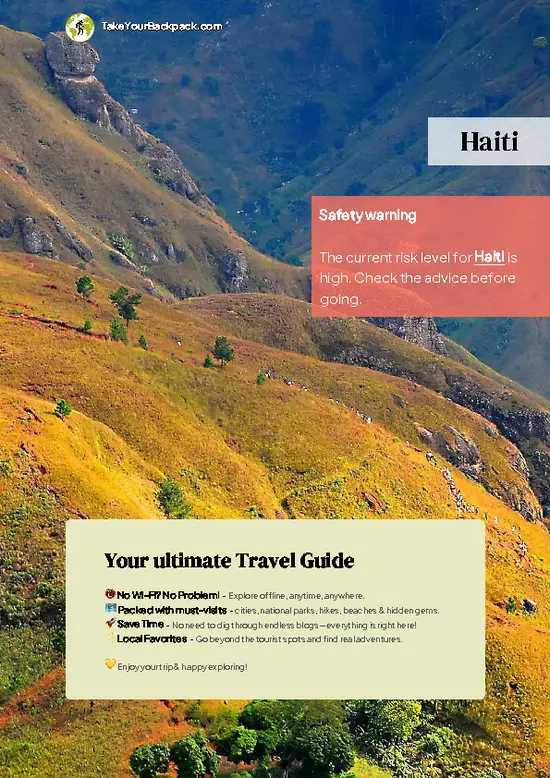
example page 0 from our offline Travel Guide for Haiti
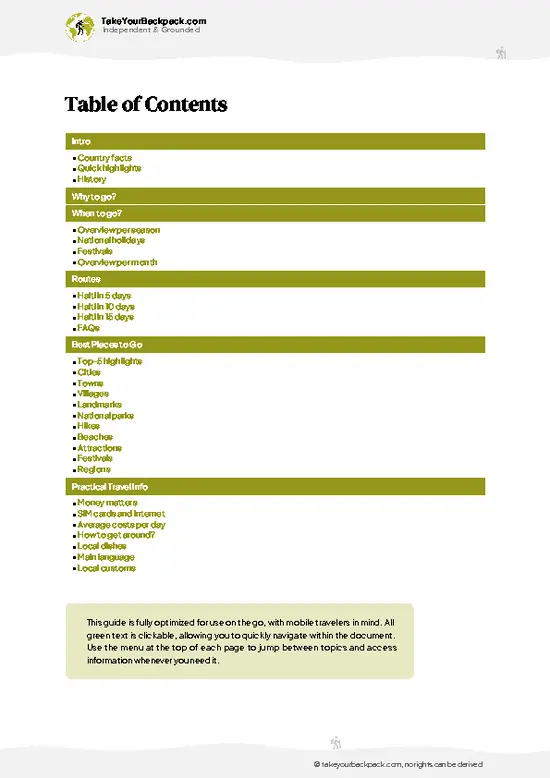
example page 1 from our offline Travel Guide for Haiti
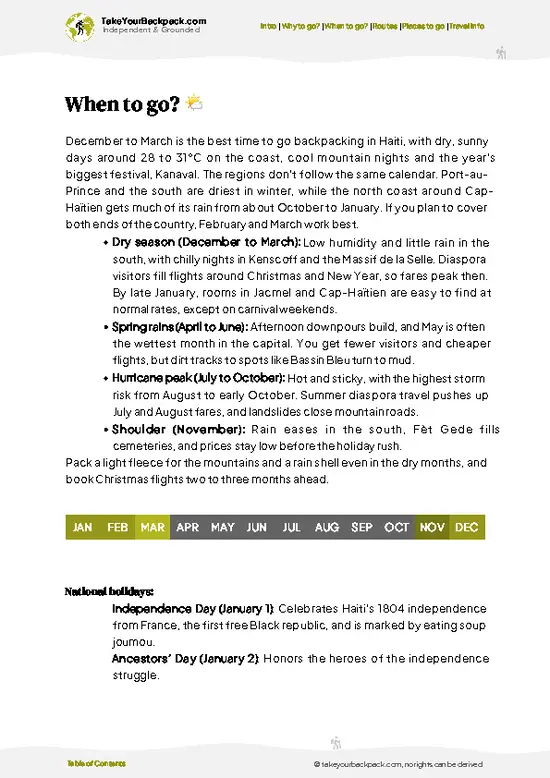
example page 2 from our offline Travel Guide for Haiti
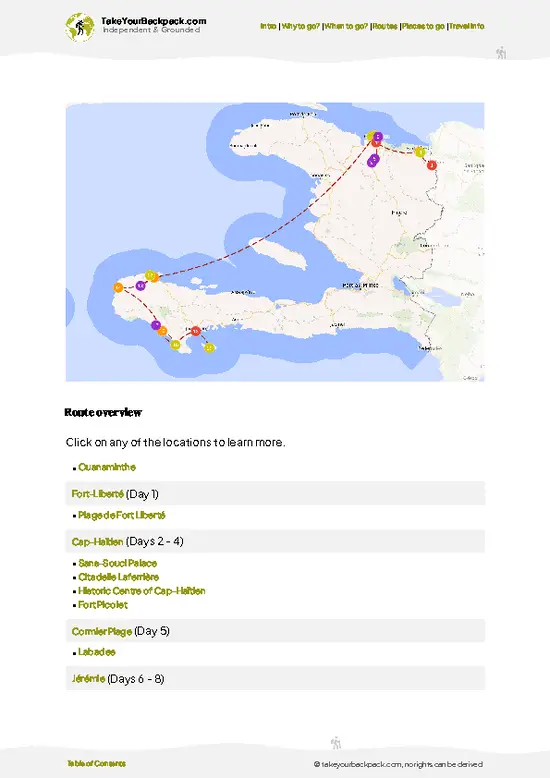
example page 3 from our offline Travel Guide for Haiti
example page 4 from our offline Travel Guide for Haiti
example page 5 from our offline Travel Guide for Haiti
example page 6 from our offline Travel Guide for Haiti
example page 7 from our offline Travel Guide for Haiti
The digital guide (371 pages) contains:
99 highlights, ranked by travel appeal
Optimized 5, 10 & 15-day travel routes
Cities, national parks, landmarks, beaches
How to get around
Offline-friendly for travel without Wi-Fi
👉 Click to see all 30+ guide features

📅 Plan smarter in minutes, not weeks
Month by month travel advice
Festivals & national holidays
Budget expectations

🗺️ Go to the right places, skip the overrated ones
Honest pros & cons of destinations
Top hikes, parks & viewpoints
Lesser-known places most travelers miss
Clear “worth it vs skip it” guidance

🛏️ Travel smoothly without rookie mistakes
Best areas to stay
Transport systems explained simply
Common scams & safety advice
SIM cards, money & practical tips

🌍 Understand the country, not just visit it
Culture & traditions
52 Essential phrases & customs
Festivals worth planning around
Traveler-friendly historical context
Insights that make places more meaningful

📱 Built for real travel conditions
Fully downloadable PDF
Works completely offline
Optimized for phone use
Useful in remote areas & buses
Everything in one place
Save weeks of stressful planning
Get instant access to your full guide. 30‑day money-back guarantee.


By proceeding you agree to our terms.
Sent to your inbox immediately after payment • 100% Secure Checkout
Best Backpacking Travel Advisor 2025 tourism awardBest Backpacking
Travel Advisor
2025
What others say about Take Your Backpack Guides:
⭐⭐⭐⭐⭐
Fantastic, amazing amount of information!
⭐⭐⭐⭐⭐
My goodness this is amazing, it's what I've been looking for hats off too you!
⭐⭐⭐⭐⭐
I think this is absolutely BRILLIANT
⭐⭐⭐⭐
Very complete and informative. It's still missing places, but I gotta to commend you
⭐⭐⭐⭐⭐
This is truly amazing, thank you, can't wait to explore it with my kids!
⭐⭐⭐⭐⭐
Awesome resource, thank you!
⭐⭐⭐⭐⭐
This is amazing! Can't wait to explore the ones I haven't seen
⭐⭐⭐⭐
I love this! Well done, great idea.
⭐⭐⭐⭐⭐
Thanks for taking the time to make this gem!
⭐⭐⭐⭐⭐
This might be the best website I've ever seen.
⭐⭐⭐⭐⭐
Congratulations, and thank you so much for your work; it's incredibly valuable.
⭐⭐⭐⭐
In all seriousness I think you did a great job pointing out the important spots
⭐⭐⭐⭐⭐
10/10 very good
⭐⭐⭐⭐⭐
As someone who's only just starting to visit regularly this is awesome, thank you.
⭐⭐⭐⭐
Thank you very much! I'm going to visit my dad, it's going to be very useful!
⭐⭐⭐⭐⭐
This is really cool! We'll be travelling for the first time and this definitely come in handy.
⭐⭐⭐⭐⭐
You are now our minister of culture, congratulations 👨‍💼
⭐⭐⭐⭐⭐
Just wanted to tell you that this is a pearl! Going to follow your recommendations.
⭐⭐⭐⭐⭐
This is so cool. I'll definitely be using the resource for my travels soon.
⭐⭐⭐⭐⭐
This is very impressive! Good work.
⭐⭐⭐⭐⭐
This is an amazing and informative site. Very well done!

🛏️ Where to stay?Best areas and accommodation options

When it comes to staying near Fort Picolet in Haiti, you need to navigate the balance between safety and social vibes. The area around Jacmel is a solid choice. It’s lively, with a mix of locals and travelers. You’ll find guesthouses that are welcoming and often buzzing with backpackers swapping stories over a meal.

Another option is Port-au-Prince, particularly the neighborhoods that cater to tourists. While it can be chaotic, there are pockets where you’ll feel secure. Look for places near the waterfront; they often have a communal atmosphere, perfect for meeting fellow adventurers.

Don’t … read more 👉
When it comes to staying near Fort Picolet in Haiti, you need to navigate the balance between safety and social vibes. The area around Jacmel is a solid choice. It’s lively, with a mix of locals and travelers. You’ll find guesthouses that are welcoming and often buzzing with backpackers swapping stories over a meal.

Another option is Port-au-Prince, particularly the neighborhoods that cater to tourists. While it can be chaotic, there are pockets where you’ll feel secure. Look for places near the waterfront; they often have a communal atmosphere, perfect for meeting fellow adventurers.

Don’t overlook the smaller towns like Leogane. They offer a more laid-back vibe, with friendly locals and fewer tourists. You might not find the flashiest accommodations, but you’ll get a genuine taste of Haitian life.

Just remember, wherever you choose, keep your wits about you. The real magic of Haiti lies in its people and culture, not just the sights. Embrace the experience, and you’ll find it’s worth every step.

👛 Costs (as of 22 January 2026)Travel costs and budget guide for Fort Picolet

Visiting Fort Picolet in Haiti is a unique experience, but it comes with its own set of costs. Here’s a breakdown of what you can expect.
  • Entrance Fee: Expect to pay around $5 to $10 USD. This fee grants you access to the site and helps maintain the area. It’s a small price for a piece of history.
  • Transportation: Getting to Fort Picolet can vary widely. A local taxi might cost you between $20 to $40 USD, depending on your starting point. If you’re feeling adventurous, consider public transport for about $2 to $5 USD, but be prepared for a less comfortable ride.
  • Guided Tours: Hiring a local guide can enhance your visit. Prices typically range from $15 to $30 USD. A knowledgeable guide will provide insights that you won’t find in any brochure, making it worth the investment.
  • Food and Drink: If you
read more 👉
Visiting Fort Picolet in Haiti is a unique experience, but it comes with its own set of costs. Here’s a breakdown of what you can expect.
  • Entrance Fee: Expect to pay around $5 to $10 USD. This fee grants you access to the site and helps maintain the area. It’s a small price for a piece of history.
  • Transportation: Getting to Fort Picolet can vary widely. A local taxi might cost you between $20 to $40 USD, depending on your starting point. If you’re feeling adventurous, consider public transport for about $2 to $5 USD, but be prepared for a less comfortable ride.
  • Guided Tours: Hiring a local guide can enhance your visit. Prices typically range from $15 to $30 USD. A knowledgeable guide will provide insights that you won’t find in any brochure, making it worth the investment.
  • Food and Drink: If you plan to grab a bite nearby, budget around $10 to $20 USD for a meal. Local eateries offer authentic Haitian cuisine that’s both delicious and affordable. Don’t skip the chance to try some local specialties.
  • Souvenirs: If you want to take a piece of Haiti home, set aside $5 to $15 USD for local crafts. Supporting local artisans not only gives you a unique memento but also helps the community.

Be prepared for crowds, especially during peak tourist seasons. The experience is rich, but the hustle can detract from the tranquility you might expect. Embrace the chaos; it’s part of the real magic of Haiti.
⚠️ Prices can change and everyone travels differently, so take this as a rough guide. Hope it helps you plan your adventure!

Other Haitian landmarks near Fort Picolet

Explore more nearby:


💡 Not sure where to go next?
Create a personalized itinerary for Haiti including Fort Picolet and the places that fit your trip.

Generate my itinerary

👉 Discover all landmarks

Or checkout all Haiti has to offer (think cities, towns, villages, national parks, hikes, beaches, festivals)
Country photo of Haiti

We 💚 feedbackWhat to keep in mind

Fort Picolet is a raw slice of Haiti that’s often overlooked. Expect crowds, especially on weekends, but don’t let that deter you. The real magic lies in the local vibe—music spilling from nearby homes, laughter echoing off the walls. The best surprise? The food stalls serving up the most authentic griot you’ll ever taste. Just a heads-up: watch your belongings. It’s a lively place, but keep your wits about you, and you’ll leave with stories worth sharing.

✍️ Help improve this page!
The information on this page is based on in-depth research, insights shared by experienced travelers, and feedback from the local travel community in Haiti. While every effort is made to keep the information accurate and current, conditions can change — so if you spot anything incorrect or outdated, please get in touch.


🙋‍♂️ Give feedback

👋 Meet the founderWho’s Behind Take Your Backpack?

Johan, backpacker and founder of TakeYourBackpackHi, I’m Johan (Netherlands 🇳🇱), the creator of TakeYourBackpack. Over the past decade, I’ve backpacked through 80+ countries across six continents, gaining extensive experience with independent travel, long-term trips, and overland routes.

This site is built on a combination of firsthand travel experience and carefully curated insights from other backpackers. Many guides are based on places I’ve personally visited, while others bring together tips, observations, and practical advice shared by trusted travelers I’ve met along the way.

The goal is to provide realistic, experience-driven guidance — not generic itineraries — so you can explore destinations with better context, clearer expectations, and more confidence.

Get full Haiti guide •
Instant download • 99 highlights • Full Offline guide