×

Haiti🇭🇹 | regionsÎle-à-VacheAbaka Bay, car-free dirt tracks, Kay Kok landing, wooden boat builders | things to do and best time to go

Explore Île de la GonâveExplore Île de la Tortue

Backpacking in Île-à-Vache
🏆 Top pickregion ranked #2
By Johan Kruseman 🇳🇱 | Updated October 20, 2026

Beaches with almost no one on them are the reason to come to Île-à-Vache, and Abaka Bay is the proof: a long curve of pale sand backed by palms, with no jet skis and no hawkers. What gets overlooked is that the island has no cars. You walk dirt tracks between fishing hamlets, past goats and small farms, and that is how you meet people instead of just photographing them. It lies in the Caribbean Sea off Haiti’s southern coast, a short boat ride from Les Cayes. Be plain about the downsides: facilities are thin, power is patchy, and nightlife is a beer on a terrace. Skip it if you need polish. Go if you want quiet water, simple fish dinners and long walks that end with a swim. The ride over in a wooden boat, with Les Cayes shrinking behind you, is the first good moment.

Discover everything you want to know in the 📖 Haiti Travel Guide.
Safety warning

The current risk level for Haiti is high. Check the advice before going.


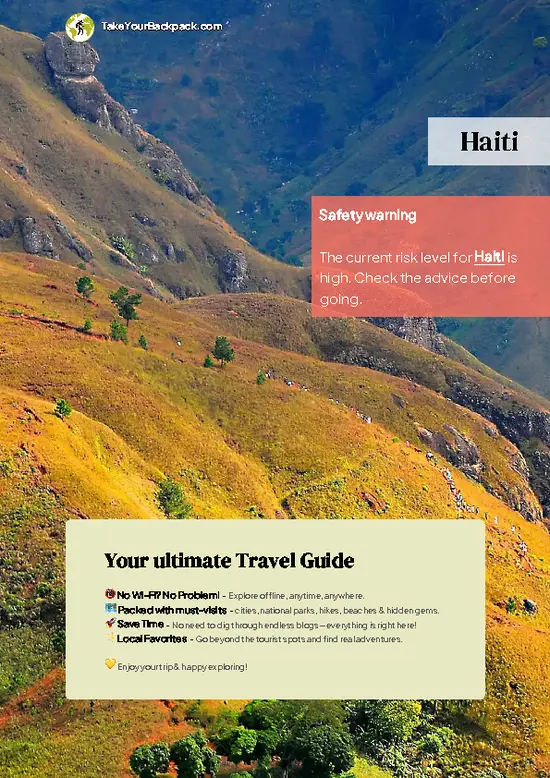
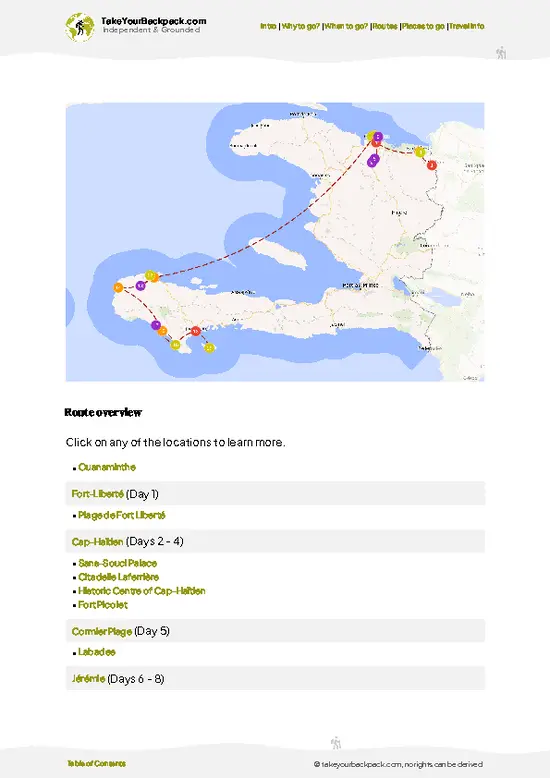
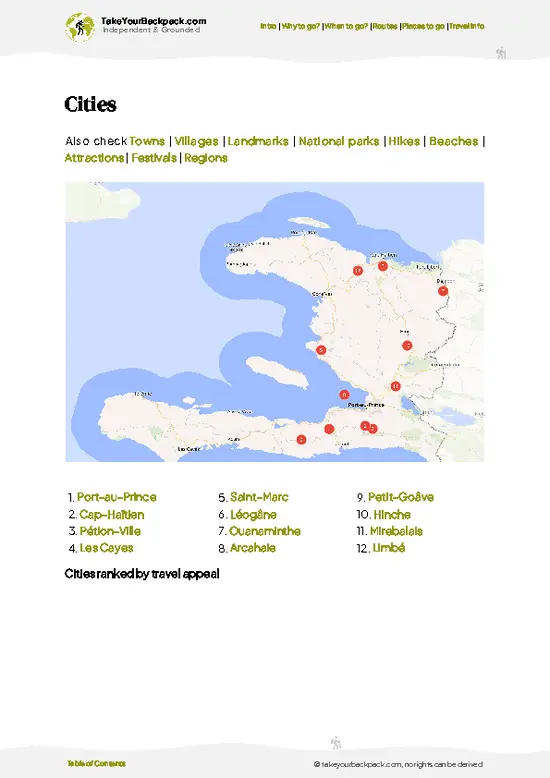
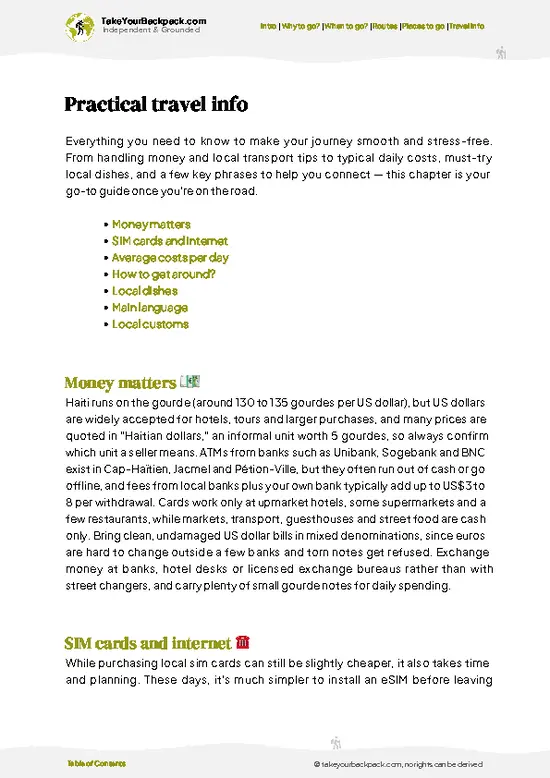
example page 0 from our offline Travel Guide for Haiti
example page 1 from our offline Travel Guide for Haiti
example page 2 from our offline Travel Guide for Haiti
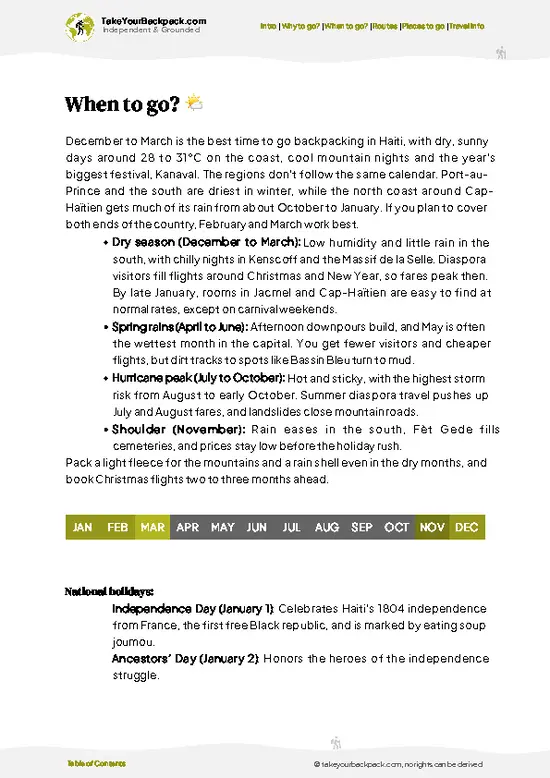
example page 3 from our offline Travel Guide for Haiti
example page 4 from our offline Travel Guide for Haiti
example page 5 from our offline Travel Guide for Haiti
example page 6 from our offline Travel Guide for Haiti
example page 7 from our offline Travel Guide for Haiti
Loading the map 🌍
CLICK TO FILTER
cities
towns
villages
landmarks
national parks
hikes
beaches
attractions
festivals
regions
SHOW COUNTRY’S BESTSHOW ALL

✨ Why go?
Ranked #2 region in Haiti
What makes it a must-see region

Île-à-Vache gives you a whole trip on one island you can cross on foot, which means you unpack once and stop thinking about connections. The island is only a few kilometers wide, so a morning at Abaka Bay and an afternoon walking to a fishing village fit into the same day without a single taxi negotiation. That is the real appeal for slow travelers: no bus schedules, no checkpoints, just paths that link beach, farm and harbor.
The second reason is how easily nature and local life overlap. Fishermen launch wooden boats from the same shores where you swim, and the tracks between hamlets pass gardens, schoolyards and small shops selling cold drinks. Nothing is staged for visitors, so a conversation at a pier is usually just a conversation.
The third is the base-camp setup at Port Morgan, where … read more 👉
Île-à-Vache gives you a whole trip on one island you can cross on foot, which means you unpack once and stop thinking about connections. The island is only a few kilometers wide, so a morning at Abaka Bay and an afternoon walking to a fishing village fit into the same day without a single taxi negotiation. That is the real appeal for slow travelers: no bus schedules, no checkpoints, just paths that link beach, farm and harbor.
The second reason is how easily nature and local life overlap. Fishermen launch wooden boats from the same shores where you swim, and the tracks between hamlets pass gardens, schoolyards and small shops selling cold drinks. Nothing is staged for visitors, so a conversation at a pier is usually just a conversation.
The third is the base-camp setup at Port Morgan, where a small cluster of rooms, a restaurant and a dock make planning simple. From there you can hire a boat for the day, walk across the ridge, or do nothing at all, and every option costs little effort. Few places in Haiti let you keep logistics this light.

💡 HighlightsPlaces and moments you shouldn't skip

  1. Abaka Bay: The island’s signature beach, a wide crescent of soft sand with calm, shallow water and palms leaning over the shore. Go early, when fishermen are still pulling nets and you have the sand to yourself.
  2. Port Morgan: A small harbor-side settlement named for the pirate legend, with a dock, a restaurant and a view over moored boats. Sit on the terrace for a grilled fish lunch and watch pirogues come and go.
  3. Kay Kok: The main village and landing point, where the ferry boats arrive. Its little streets hold shops, fish sellers and kids heading to school, and it is the best place to get a feel for daily island life.
  4. The cross-island track: A dirt path running between the coasts, past goats, gardens and hand-built houses. It is a lesser-known walk that locals use every day, and the views open
… read more 👉
  1. Abaka Bay: The island’s signature beach, a wide crescent of soft sand with calm, shallow water and palms leaning over the shore. Go early, when fishermen are still pulling nets and you have the sand to yourself.
  2. Port Morgan: A small harbor-side settlement named for the pirate legend, with a dock, a restaurant and a view over moored boats. Sit on the terrace for a grilled fish lunch and watch pirogues come and go.
  3. Kay Kok: The main village and landing point, where the ferry boats arrive. Its little streets hold shops, fish sellers and kids heading to school, and it is the best place to get a feel for daily island life.
  4. The cross-island track: A dirt path running between the coasts, past goats, gardens and hand-built houses. It is a lesser-known walk that locals use every day, and the views open up unexpectedly over both shorelines.
  5. Madame Bernard: A quiet hamlet away from the main landing, where boats are still built and repaired by hand. Few visitors reach it, so the welcome is curious rather than commercial.
  6. Fishing boats at the shoreline: Along the north coast near Kay Kok, wooden sailing boats are hauled up and launched through the day. Come in the morning to watch crews unload and ask to buy a fresh catch.
  7. The boat crossing from Les Cayes: The trip itself counts. A wooden boat carries you across open water, with the coast of mainland Haiti receding and the island’s green hills rising ahead.
Île-à-Vache can be covered properly in two to three days, since every sight is a short walk or a quick boat hop from the next.
Spotted a mistake or missing something? Contact us.

⌛️ 5 daysSeeing the highlights in 5 days

Walking sets the pace here, with long pauses at midday when the sun is hardest and the shade of a terrace or a palm is worth more than any sight. Boats connect the island to the mainland, and on the island itself you travel by foot, with the occasional motorbike hire for longer stretches.
Day 1: Kay Kok: Arrive by the morning boat from Les Cayes so you reach the island with daylight to spare. Kay Kok is the landing point, so spend the first hours walking its lanes, eating a simple lunch and getting your bearings. Walk on to your lodging once the heat eases.
Days 2 and 3: Abaka Bay and Port Morgan: Spend one morning at Abaka Bay, swimming before the sun gets strong, then retreat inland for lunch. On the next day, settle into Port Morgan, where the dock and restaurant make an easy base. Hire a … read more 👉
Walking sets the pace here, with long pauses at midday when the sun is hardest and the shade of a terrace or a palm is worth more than any sight. Boats connect the island to the mainland, and on the island itself you travel by foot, with the occasional motorbike hire for longer stretches.
Day 1: Kay Kok: Arrive by the morning boat from Les Cayes so you reach the island with daylight to spare. Kay Kok is the landing point, so spend the first hours walking its lanes, eating a simple lunch and getting your bearings. Walk on to your lodging once the heat eases.
Days 2 and 3: Abaka Bay and Port Morgan: Spend one morning at Abaka Bay, swimming before the sun gets strong, then retreat inland for lunch. On the next day, settle into Port Morgan, where the dock and restaurant make an easy base. Hire a local boat for a loop of the coastline if the sea is calm, because the shore looks different from the water.
Day 4: Madame Bernard: This is the detour, and it adds more than it costs. Take the cross-island track on foot, leaving early, and reach Madame Bernard to see boat-building and a village that sees few visitors. Return the same way by late afternoon, since the island stays on one network of paths and you lose nothing.
Day 5: Return to the mainland: Take a morning boat back to Les Cayes, leaving enough margin for onward transport.
If you only keep one day, make it Day 4. The walk, the quiet village and the sense of having gone somewhere few people reach make it the day that justifies the whole trip.

🌤️ When to go?Seasonal considerations and timing

  • Dry Season (December to March): Île-à-Vache is at its most comfortable, with highs of 28 to 31°C (82 to 88°F), lows near 21 to 23°C (70 to 73°F), little rain and calm seas for boat crossings. Expect the most visitors and the highest prices, especially around Christmas and Carnival.
  • Shoulder Months (April to June): Showers build in the afternoons and heat climbs to 31 to 33°C (88 to 91°F). Beaches stay quiet, rooms are easier to get and rates often soften.
  • Hot and Hurricane Season (July to October): Highs reach 32 to 34°C (90 to 93°F) with sticky humidity, heavy downpours and a real risk of tropical storms from August to October. Boats can be canceled for days, though the island is nearly empty.
  • Late Autumn (November): Rains fade, the hills turn green and prices have not yet jumped. Daylight runs
… read more 👉
  • Dry Season (December to March): Île-à-Vache is at its most comfortable, with highs of 28 to 31°C (82 to 88°F), lows near 21 to 23°C (70 to 73°F), little rain and calm seas for boat crossings. Expect the most visitors and the highest prices, especially around Christmas and Carnival.
  • Shoulder Months (April to June): Showers build in the afternoons and heat climbs to 31 to 33°C (88 to 91°F). Beaches stay quiet, rooms are easier to get and rates often soften.
  • Hot and Hurricane Season (July to October): Highs reach 32 to 34°C (90 to 93°F) with sticky humidity, heavy downpours and a real risk of tropical storms from August to October. Boats can be canceled for days, though the island is nearly empty.
  • Late Autumn (November): Rains fade, the hills turn green and prices have not yet jumped. Daylight runs about 11 to 13 hours across the year, shortest in December.
Book a return boat with a buffer day if you travel between August and October, since sea conditions decide when you leave.


source: climatestotravel.comJANJanuary: excellent for travelingFEBFebruary: excellent for travelingMARMarch: highly recommended for travelingAPRApril: fair for travelingMAYMay: fair for travelingJUNJune: below average for travelingJULJuly: below average for travelingAUGAugust: below average for travelingSEPSeptember: below average for travelingOCTOctober: fair for travelingNOVNovember: highly recommended for travelingDECDecember: excellent for traveling
haiti-region-ile-a-vache
© Google | Karl Arthur

✈️ The backpacker research shortcutHaiti Travel Guide

An offline-friendly backpacking guide with optimized travel routes, ranked highlights, transport advice, and the best areas to stay.
example page 0 from our offline Travel Guide for Haiti
example page 1 from our offline Travel Guide for Haiti
example page 2 from our offline Travel Guide for Haiti
example page 3 from our offline Travel Guide for Haiti
example page 4 from our offline Travel Guide for Haiti
example page 5 from our offline Travel Guide for Haiti
example page 6 from our offline Travel Guide for Haiti
example page 7 from our offline Travel Guide for Haiti
The digital guide (332 pages) contains:
✅ 89 highlights, ranked by travel appeal
✅ Optimized 5, 10 & 15-day travel routes
✅ Cities, national parks, landmarks, beaches
✅ How to get around
✅ Offline-friendly for travel without Wi-Fi
👉 Click to see all 30+ guide features

📅 Plan smarter in minutes, not weeks
✅ Month by month travel advice
✅ Festivals & national holidays
✅ Budget expectations

🗺️ Go to the right places, skip the overrated ones
✅ Honest pros & cons of destinations
✅ Top hikes, parks & viewpoints
✅ Lesser-known places most travelers miss
✅ Clear “worth it vs skip it” guidance

🛏️ Travel smoothly without rookie mistakes
✅ Best areas to stay
✅ Transport systems explained simply
✅ Common scams & safety advice
✅ SIM cards, money & practical tips

🌍 Understand the country, not just visit it
✅ Culture & traditions
✅ 52 Essential phrases & customs
✅ Festivals worth planning around
✅ Traveler-friendly historical context
✅ Insights that make places more meaningful

📱 Built for real travel conditions
✅ Fully downloadable PDF
✅ Works completely offline
✅ Optimized for phone use
✅ Useful in remote areas & buses
✅ Everything in one place
Stop searching, start planning
Get instant access to your full guide. 30‑day money-back guarantee.
+ Add another guide for just

By proceeding you agree to our terms.
Sent to your inbox immediately after payment • 100% Secure Checkout
Best Backpacking Travel Advisor 2025 tourism awardBest Backpacking
Travel Advisor
2025
What others say about Take Your Backpack Guides:
⭐⭐⭐⭐⭐
Fantastic, amazing amount of information!
⭐⭐⭐⭐⭐
My goodness this is amazing, it's what I've been looking for hats off too you!
⭐⭐⭐⭐⭐
I think this is absolutely BRILLIANT
⭐⭐⭐⭐
Very complete and informative. It's still missing places, but I gotta to commend you
⭐⭐⭐⭐⭐
This is truly amazing, thank you, can't wait to explore it with my kids!
⭐⭐⭐⭐⭐
Awesome resource, thank you!
⭐⭐⭐⭐⭐
This is amazing! Can't wait to explore the ones I haven't seen
⭐⭐⭐⭐
I love this! Well done, great idea.
⭐⭐⭐⭐⭐
Thanks for taking the time to make this gem!
⭐⭐⭐⭐⭐
This might be the best website I've ever seen.
⭐⭐⭐⭐⭐
Congratulations, and thank you so much for your work; it's incredibly valuable.
⭐⭐⭐⭐
In all seriousness I think you did a great job pointing out the important spots
⭐⭐⭐⭐⭐
10/10 very good
⭐⭐⭐⭐⭐
As someone who's only just starting to visit regularly this is awesome, thank you.
⭐⭐⭐⭐
Thank you very much! I'm going to visit my dad, it's going to be very useful!
⭐⭐⭐⭐⭐
This is really cool! We'll be travelling for the first time and this definitely come in handy.
⭐⭐⭐⭐⭐
You are now our minister of culture, congratulations 👨‍💼
⭐⭐⭐⭐⭐
Just wanted to tell you that this is a pearl! Going to follow your recommendations.
⭐⭐⭐⭐⭐
This is so cool. I'll definitely be using the resource for my travels soon.
⭐⭐⭐⭐⭐
This is very impressive! Good work.
⭐⭐⭐⭐⭐
This is an amazing and informative site. Very well done!

🛏️ Where to stay?Choosing the right base

Île-à-Vache has two main areas for backpackers, and Madame Bernard is the better one for most. It sits near the ferry landing on the northeast side, so you arrive, walk to a room and be on the sand within minutes. Rooms and homestays in this village run about US$20 to 50 a night, and you share the beach with fishermen mending nets, a handful of other travelers and locals who quickly learn your name. It suits solo travelers because evenings revolve around a few open-air bars and beachfront tables where conversation starts easily.
Port Morgan, along the western shore, is quieter and more spread out, … read more 👉
Île-à-Vache has two main areas for backpackers, and Madame Bernard is the better one for most. It sits near the ferry landing on the northeast side, so you arrive, walk to a room and be on the sand within minutes. Rooms and homestays in this village run about US$20 to 50 a night, and you share the beach with fishermen mending nets, a handful of other travelers and locals who quickly learn your name. It suits solo travelers because evenings revolve around a few open-air bars and beachfront tables where conversation starts easily.
Port Morgan, along the western shore, is quieter and more spread out, with a sheltered bay and calm water. It feels more like a getaway than a social base, so it works if you want a book, a swim and sunsets over the water. Expect slightly higher prices, around US$30 to 70.
Bois Lacroix and the villages inland are the choice for travelers who want to meet families and see daily island life, with simple homestays and fewer facilities. Staying here means more walking and less nightlife.
Les Cayes, on the mainland, is a practical overnight stop before or after the crossing. Choose it only if you miss the last boat, since the island itself has the better atmosphere.

🚌 Getting aroundHow to get around Île-à-Vache

Walking is the easiest way to get around Île-à-Vache, because the island is only about 14 km (9 miles) long and 5 km (3 miles) wide, has no cars to speak of, and its main paths link the villages and beaches directly. Boats connect you to the mainland and to the far corners. Expect rough, sandy and sometimes muddy tracks, goats in the lane, and no schedules to trust, so build slack into every plan.
  • Walking: Free, and the best use of your time on the island. The main dirt track runs from the Port Morgan side through Kakok and on toward Madame Bernard and the eastern beaches, with palms, small farms and kids waving from yards along the way. Allow 1.5 to 3 hours for each of the longer stretches, carry water, and start early before the heat builds. You arrive at empty sand with a cold coconut for
… read more 👉
Walking is the easiest way to get around Île-à-Vache, because the island is only about 14 km (9 miles) long and 5 km (3 miles) wide, has no cars to speak of, and its main paths link the villages and beaches directly. Boats connect you to the mainland and to the far corners. Expect rough, sandy and sometimes muddy tracks, goats in the lane, and no schedules to trust, so build slack into every plan.
  • Walking: Free, and the best use of your time on the island. The main dirt track runs from the Port Morgan side through Kakok and on toward Madame Bernard and the eastern beaches, with palms, small farms and kids waving from yards along the way. Allow 1.5 to 3 hours for each of the longer stretches, carry water, and start early before the heat builds. You arrive at empty sand with a cold coconut for a dollar or two.
  • Motorbike taxi: Typically US$2 to 8 depending on distance, and agree the price before you climb on. A few bikes work the island tracks and save your legs on the hilly, rutted sections with the bag on your back. The ride is bumpy and dusty. Skip it for short hops you can walk, take it when you have luggage or the sun is high.
  • Local boat from Les Cayes: The shared public boats leave from the Les Cayes waterfront and take roughly 30 to 60 minutes for about US$2 to 5 per person, usually departing when full, so mornings are the safest bet. They are crowded with sacks of produce and market traders, and you get a view of the whole coast and a feel for island life before you step ashore. Rough seas can delay or cancel crossings.
  • Chartered boat or hired pirogue: Expect US$30 to 100 for a private run to a distant beach, a nearby islet or back to the mainland, depending on boat size and distance. Splitting the cost among four or five people makes it sensible. It is the only practical way to reach remote coves and the sheltered bays on the far side, and you get them without a crowd and with time to swim.

The overland leg to Les Cayes from Port-au-Prince is long and subject to security conditions, so confirm the current road situation with your host or a trusted local before you set out, then book your onward boat with whoever is hosting you so the pickup time is fixed and nobody is waiting on the dock.

🍲 FoodWhat to Eat & Drink

Seafood is the island's backbone. Fishermen land lobster, red snapper and conch each morning, and cooks char them over wood fire and serve them with a squeeze of lime, hot sos pwa (bean sauce) and a heap of rice. Expect smoky edges, sweet flesh and plenty of garlic. Fried plantains come on the side, crisp and salty, and a few spoonfuls of fiery pikliz cut through the richness with a sharp, vinegary burn.
For drinks, look for fresh coconut water cracked open at the beach, sweet fruit juices from mango or soursop, and strong local clairin, a raw cane spirit sipped in small shots. Rum-based punches appear at beach bars in the evening.
Backpackers eat at family-run beachfront tables, small roadside kitchens and village stalls selling fried snacks, bread and coffee. Meals cost about US$4 to 12, with … read more 👉
Seafood is the island's backbone. Fishermen land lobster, red snapper and conch each morning, and cooks char them over wood fire and serve them with a squeeze of lime, hot sos pwa (bean sauce) and a heap of rice. Expect smoky edges, sweet flesh and plenty of garlic. Fried plantains come on the side, crisp and salty, and a few spoonfuls of fiery pikliz cut through the richness with a sharp, vinegary burn.
For drinks, look for fresh coconut water cracked open at the beach, sweet fruit juices from mango or soursop, and strong local clairin, a raw cane spirit sipped in small shots. Rum-based punches appear at beach bars in the evening.
Backpackers eat at family-run beachfront tables, small roadside kitchens and village stalls selling fried snacks, bread and coffee. Meals cost about US$4 to 12, with lobster pushing higher, around US$15 to 25. Ask for the catch of the day and agree on a price first.
Times are slow. Cooking starts when you order, so expect a wait of 30 to 60 minutes, and order dinner early in the afternoon. Greet people before sitting down, and keep small bills ready since change is scarce. Seafood is usually priced by size, so confirm before it is grilled.

🛡️ SafetyTraveler Safety Guide

When you hit Île-à-Vache beach, you’re in for a treat, but let’s keep it real. The swimming conditions are generally friendly, with gentle waves that won’t have you wrestling with the ocean. Just keep an eye on the currents; they can surprise you, especially if you wander too far from the shore.

As for marine life, you might spot a ray gliding by, but sharks are more of a myth here than a menace. Jellyfish can pop up, so a quick glance at the water before diving in is wise.

Weather-wise, the sun can be relentless, so slather on that sunscreen and take breaks in the shade. Locals know the best swimming spots, often marked by flags, so follow their lead. Theft isn’t rampant, but keep your valuables close. Enjoy the beach, but stay aware; it’s all part of the adventure.

FAQFrequently asked questions about Île-à-Vache

Two to three days is enough for Île-à-Vache if you want beaches, village walks and a boat trip, while four to five days suits a slower stay. The island is roughly 11 km (7 miles) long, so you can walk from Madame Bernard to the quieter coves in a morning. Add a day if you want to include a fishing boat outing or nearby Les Cayes on the mainland.
Walking is the main way to get around Île-à-Vache, since the island has few vehicles and the villages sit 20 minutes to 2 hours apart on foot. Motorcycle taxis cover the hilly tracks for about US$2 to 6 a ride, and local fishermen run boats to farther beaches for roughly US$10 to 30. To reach the island you take a shared boat from Les Cayes, about 30 to 45 minutes and US$2 to 5.
Île-à-Vache is known for its quiet beaches, clear turquoise water and a car-free feel that is rare in Haiti. Madame Bernard and Port Morgan are the main villages, and fresh grilled lobster at US$15 to 25 is the signature meal. Fishing communities, small homestays and the 30 to 45 minute boat ride from Les Cayes also shape the experience.
⚠️ Things can change over time, so always validate details locally before you go.

Expanding your trip beyond this stop

Île-à-Vache isn’t the only highlight in Haiti. Explore all what Haiti has to offer.
Country photo of Haiti

We 💚 feedbackParting advice and final tips

Give Île-à-Vache three nights. One night feels rushed and you only see the beach; three lets you walk to a village and still have a full day to do nothing. I would bring cash in small bills, a headlamp for patchy power and a good book, then leave the schedule empty.

✍️ Help improve this page!
The information on this page is based on in-depth research, insights shared by experienced travelers, and feedback from the local travel community in Haiti. While every effort is made to keep the information accurate and current, conditions can change — so if you spot anything incorrect or outdated, please get in touch.


🙋‍♂️ Give feedback

👋 Meet the founderWho’s Behind Take Your Backpack?

Johan, backpacker and founder of TakeYourBackpackHi, I’m Johan (Netherlands 🇳🇱), the creator of TakeYourBackpack. Over the past 3 decades, I’ve backpacked through 90+ countries across six continents, gaining extensive experience with independent travel, long-term trips, and overland routes.

This site is built on a combination of firsthand travel experience and carefully curated insights from other backpackers. Many guides are based on places I’ve personally visited, while others bring together tips, observations, and practical advice shared by trusted travelers I’ve met along the way.

The goal is to provide realistic, experience-driven guidance — not generic itineraries — so you can explore destinations with better context, clearer expectations, and more confidence.