

×

Haiti🇭🇹 | townsLascahobasriver crossing, crossroads market, rural plateau | things to do and best time to go

Explore Fort-LibertéExplore Thomonde

Backpacking in Lascahobas
👌 Worth visitingtown ranked #15
By Johan Kruseman 🇳🇱 | Updated June 9, 2026

Most travelers only realize after leaving that Lascahobas is where Haiti’s Central Plateau finally slows down enough for you to actually breathe it in. Lascahobas sits inland in the Centre department, east of Mirebalais and on the road toward the Dominican border, a small, river-side town that feels more like a long pause than a destination headline. For backpackers, it works best as a low-key base for rural walks, river swims, and market days rather than nightlife or big sights. The dusty main street, morning charcoal smoke, and the sound of motos are the backdrop; the real draw is how quickly you step from town into farmland and low hills, where kids shout bonjou and old men play dominoes in the shade. Transport is simple but not plush: tap-taps and shared minibuses from Mirebalais or Hinche, then your feet; once you’re here, you mostly walk, with motos filling the gaps. It’s cheaper and calmer than Port-au-Prince or Mirebalais, but also more basic: limited guesthouses, no classic hostel scene, and you’re unlikely to bump into many other foreigners unless an NGO group is in town. That makes evenings quiet and a bit lonely if you crave bars, but ideal if you want to hear crickets, not speakers, and trade big-city tension for a place where the night smells like wood smoke and wet earth instead of exhaust. Safety feels better than in the capital, though you still move with normal Haitian street sense—daylight travel, low profile, and local advice—making Lascahobas a practical, grounded stopover for crossing the plateau rather than a showpiece in itself.

Discover everything you want to know in the 📖 Haiti Travel Guide.
Safety warning

The current risk level for Haiti is high. Check the advice before going.


Get your Haiti guide
99 ranked highlights, routes & tips, works offline (371 pages)
Loading the map 🌍
CLICK TO FILTER
cities
towns
villages
landmarks
national parks
hikes
beaches
attractions
festivals
SHOW COUNTRY’S BESTSHOW ALL

✨ Why go?
Ranked #15 town in Haiti
What sets this place apart

Lascahobas is a strategic stop for backpackers exploring Haiti. Its proximity to hikes like the nearby La Visite National Park makes it a natural base for those craving adventure. The walkable streets invite you to wander, with small-scale hostels and guesthouses offering a cozy, intimate vibe. You’ll find local food stalls serving up hearty meals that reflect the region’s flavors, perfect for refueling after a day of exploration. The atmosphere is friendly and social, ideal for solo travelers or small groups looking to connect. Most backpackers stay a few days, soaking in the culture and scenery before moving on. If you’re after a laid-back experience with a touch of adventure, Lascahobas is your spot.
Want to include Lascahobas in your Haiti route?
Create a personalized Haiti itinerary that includes Lascahobas and the places that fit your trip — based on your travel style, budget, and available time. Get your route in seconds.

Generate my trip

💡 HighlightsDon't-miss highlights and experiences

  • Marché de Lascahobas (Central Market) — The town’s heartbeat: fresh produce, roasted coffee, grilled street food, and a riot of color and bargaining. Best place to meet locals, taste snacks, and watch everyday commerce up close.
  • Place Centrale / Mairie (Town Hall and Plaza) — Small square where civic life happens: vendors, political posters, and people-watching. Handy spot to get directions, catch a ride, or sit with a soda and absorb local rhythms.
  • Paroisse catholique de Lascahobas (the main Catholic church) — A focal point for festivals and Sunday services; visiting during Mass gives real insight into community life, music, and local devotion.
  • Rivière Lascahobas banks and the town bridge — Simple riverside scenes: kids swimming, women washing clothes, fishermen casting nets. Quiet,
read more 👉
  • Marché de Lascahobas (Central Market) — The town’s heartbeat: fresh produce, roasted coffee, grilled street food, and a riot of color and bargaining. Best place to meet locals, taste snacks, and watch everyday commerce up close.
  • Place Centrale / Mairie (Town Hall and Plaza) — Small square where civic life happens: vendors, political posters, and people-watching. Handy spot to get directions, catch a ride, or sit with a soda and absorb local rhythms.
  • Paroisse catholique de Lascahobas (the main Catholic church) — A focal point for festivals and Sunday services; visiting during Mass gives real insight into community life, music, and local devotion.
  • Rivière Lascahobas banks and the town bridge — Simple riverside scenes: kids swimming, women washing clothes, fishermen casting nets. Quiet, photogenic, and a good place to cool off or watch daily routines.
  • Local peristyle and Vodou community spaces — Respectfully arranged visits (ask a local first) can reveal living vodou practices, drumming, and communal rituals that are integral to Lascahobas culture.
  • Artisans’ stretch (carpenters, blacksmiths, tailors along the main road) — Open workshops where you can watch skills passed down generations: wooden tools, repaired machetes, handmade furniture, and fast-turnaround tailoring.
  • Main road food stalls and bakery — Tiny shops turning out fresh bread, fritters, and fried plantains. Cheap, tasty, and a great way to fuel a day of wandering while chatting with stall owners.
  • Local secondary school grounds — With permission, visiting a lycée or école offers a snapshot of youth life, schoolyard games, and community priorities; often where festivals and fairs also happen.
  • Cemetery on the hill — Haitian cemeteries are full of color, carved crosses, and personal memorials; they tell family histories and local stories if you take the time to look and ask about names and dates.
  • Weekly agricultural and livestock market — A short stroll from the center on market day brings live goats, rice sellers, and farmers trading seeds and tools—great for seeing the rural economy that supports Lascahobas.
Nearby day trips worth considering: Lake Péligre (the reservoir on the Artibonite), the broader Artibonite Valley for rice fields and waterworks, and the historic towns of Mirebalais or Hinche, all reachable as full-day outings from Lascahobas.
Spotted a mistake or missing something? Contact us.

🏘️ NeighborhoodsNeighborhood guide to Lascahobas

Lascahobas is a vibrant town that offers a unique blend of culture and adventure, perfect for backpackers seeking authentic experiences.

Centre Ville: This is the heart of Lascahobas. The streets buzz with local vendors selling fresh produce and street food. It’s walkable, making it easy to explore. Nightlife is low-key, with a few bars where locals gather. Great for short stays; you can soak in the local vibe without feeling rushed.

Bord de Mer: If you’re after a quieter atmosphere, this area is your go-to. It’s a bit removed from the hustle, offering serene views of the water. Perfect for longer stays, as you can unwind and enjoy the slower pace. Transport options are limited, so plan ahead.

Marché: This neighborhood is a sensory overload—bright colors, loud chatter, and the scent of … read more 👉
Lascahobas is a vibrant town that offers a unique blend of culture and adventure, perfect for backpackers seeking authentic experiences.

Centre Ville: This is the heart of Lascahobas. The streets buzz with local vendors selling fresh produce and street food. It’s walkable, making it easy to explore. Nightlife is low-key, with a few bars where locals gather. Great for short stays; you can soak in the local vibe without feeling rushed.

Bord de Mer: If you’re after a quieter atmosphere, this area is your go-to. It’s a bit removed from the hustle, offering serene views of the water. Perfect for longer stays, as you can unwind and enjoy the slower pace. Transport options are limited, so plan ahead.

Marché: This neighborhood is a sensory overload—bright colors, loud chatter, and the scent of spices fill the air. It’s ideal for budget travelers looking to experience local life. Walkability is decent, but be prepared for crowds. Great for short visits to grab souvenirs and snacks.

Haut de Lascahobas: A bit more upscale, this area has better accommodations and dining options. It’s less walkable, but taxis are readily available. Perfect for those wanting a mix of comfort and local charm, making it suitable for both short and longer stays.

⌛️ 1 daySeeing the highlights in 24 hours

Lascahobas, Haiti, is a vibrant tapestry of life, where the rhythm of daily activities pulses through the streets. The air is thick with the scent of fresh bread from local bakeries, mingling with the earthy aroma of nearby coffee plantations. This town offers a glimpse into authentic Haitian culture, away from the typical tourist trail.

Start your morning at the bustling market in the heart of Lascahobas. Vendors shout their wares, and the colors of fruits and vegetables pop against the backdrop of the sun-drenched streets. Grab a warm, flaky paté, a local pastry filled with spiced meat, and wash it down with a cup of rich Haitian coffee. This is the fuel you need for a day of exploration.

In the afternoon, wander through the neighborhoods of La Plaine and Ti Rivière. Here, you’ll find … read more 👉
Lascahobas, Haiti, is a vibrant tapestry of life, where the rhythm of daily activities pulses through the streets. The air is thick with the scent of fresh bread from local bakeries, mingling with the earthy aroma of nearby coffee plantations. This town offers a glimpse into authentic Haitian culture, away from the typical tourist trail.

Start your morning at the bustling market in the heart of Lascahobas. Vendors shout their wares, and the colors of fruits and vegetables pop against the backdrop of the sun-drenched streets. Grab a warm, flaky paté, a local pastry filled with spiced meat, and wash it down with a cup of rich Haitian coffee. This is the fuel you need for a day of exploration.

In the afternoon, wander through the neighborhoods of La Plaine and Ti Rivière. Here, you’ll find the stunning Church of St. Joseph, a local landmark with intricate woodwork and a peaceful courtyard. Take a moment to soak in the atmosphere; the sounds of children playing and the distant laughter of families create a warm, inviting ambiance.

As evening approaches, head to a local eatery like Le Relais, where you can savor traditional dishes like griot (fried pork) and pikliz (spicy pickled vegetables). The sun sets, casting a golden hue over the town, making it the perfect backdrop for a leisurely stroll. Engage with locals, share stories, and let the spirit of Lascahobas wrap around you like a warm embrace.
Turn your Lascahobas visit into an Haiti adventure
Build a complete Haiti route with Lascahobas, hidden gems, must-see destinations, and realistic travel times included.

Generate my trip

🌤️ When to go?Seasonal considerations and timing


  • Topic: Weather – The dry season from November to March is your best bet. Expect clear skies and less humidity, making the dusty streets and vibrant market scenes easier to navigate without the oppressive sweat.

  • Topic: Temperature – Daytime highs hover around 28-32°C (82-90°F) during the dry months, cooling to a comfortable 20-24°C (68-75°F) at night. The wet season heats up both temperature and humidity, turning the air thick and sticky.

  • Topic: Daylight Hours – Lascahobas enjoys roughly 11 to 12 hours of daylight year-round, but the dry season’s consistent sun means you can plan hikes or market visits without worrying about sudden downpours cutting your day short.

  • Topic: Crowds – This town isn’t a tourist hotspot, so crowds are minimal year-round. However, local festivals in December
read more 👉

  • Topic: Weather – The dry season from November to March is your best bet. Expect clear skies and less humidity, making the dusty streets and vibrant market scenes easier to navigate without the oppressive sweat.

  • Topic: Temperature – Daytime highs hover around 28-32°C (82-90°F) during the dry months, cooling to a comfortable 20-24°C (68-75°F) at night. The wet season heats up both temperature and humidity, turning the air thick and sticky.

  • Topic: Daylight Hours – Lascahobas enjoys roughly 11 to 12 hours of daylight year-round, but the dry season’s consistent sun means you can plan hikes or market visits without worrying about sudden downpours cutting your day short.

  • Topic: Crowds – This town isn’t a tourist hotspot, so crowds are minimal year-round. However, local festivals in December and January bring a lively buzz, offering a chance to witness authentic culture without overwhelming tourist throngs.

  • Topic: Seasonal Activities – Dry months are ideal for trekking nearby hills and exploring rural life. The wet season, while lush, often makes trails muddy and roads tricky, turning simple walks into slogging adventures.

  • Topic: Price Fluctuations – Prices for lodging and transport remain fairly stable, but the dry season sees a slight uptick due to local demand during festivals and holidays. Booking ahead can lock in better rates.


Pro-tip: Aim for late November or early March—when the air is crisp, the light is golden, and the town hums with local life but without the sticky heat or muddy trails.


source: climatestotravel.comJANJanuary: excellent for travelingFEBFebruary: excellent for travelingMARMarch: highly recommended for travelingAPRApril: fair for travelingMAYMay: fair for travelingJUNJune: fair for travelingJULJuly: fair for travelingAUGAugust: fair for travelingSEPSeptember: below average for travelingOCTOctober: fair for travelingNOVNovember: highly recommended for travelingDECDecember: excellent for traveling
when-to-go

✈️ The backpacker research shortcutHaiti Travel Guide

An offline-friendly backpacking guide with optimized travel routes, ranked highlights, transport advice, and the best areas to stay.
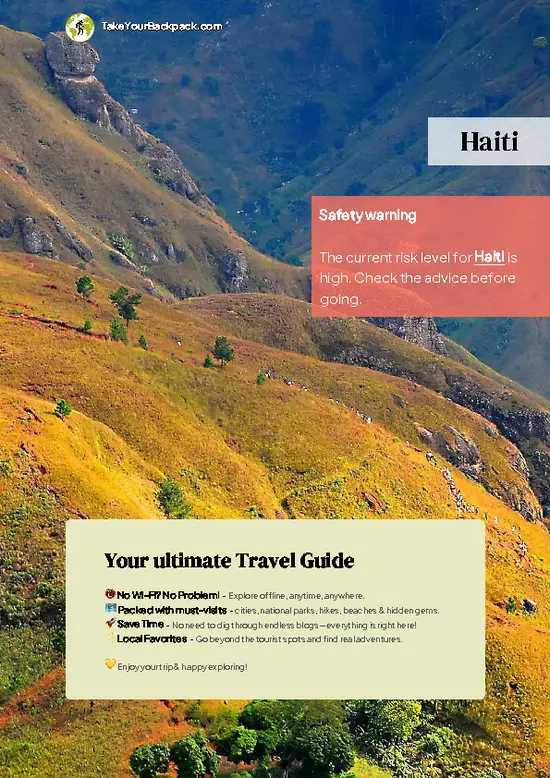
example page 0 from our offline Travel Guide for Haiti
example page 1 from our offline Travel Guide for Haiti
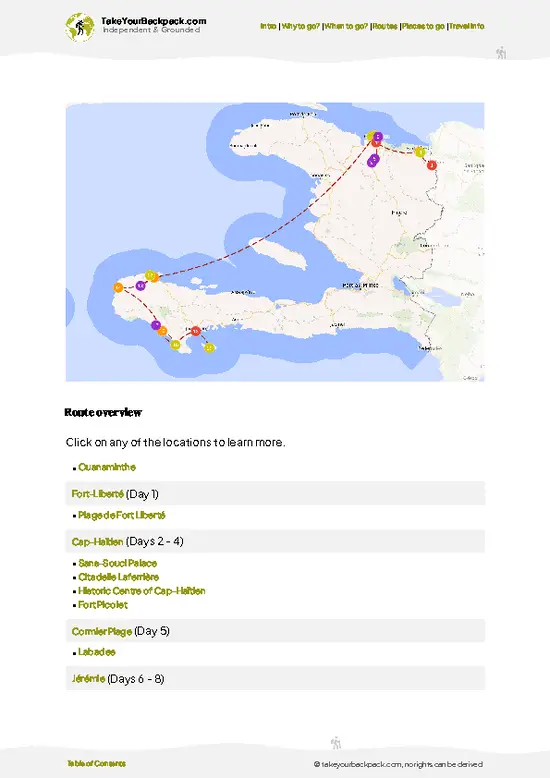
example page 2 from our offline Travel Guide for Haiti
example page 3 from our offline Travel Guide for Haiti
example page 4 from our offline Travel Guide for Haiti
example page 5 from our offline Travel Guide for Haiti
example page 6 from our offline Travel Guide for Haiti
example page 7 from our offline Travel Guide for Haiti
The digital guide (371 pages) contains:
99 highlights, ranked by travel appeal
Optimized 5, 10 & 15-day travel routes
Cities, national parks, landmarks, beaches
How to get around
Offline-friendly for travel without Wi-Fi
👉 Click to see all 30+ guide features

📅 Plan smarter in minutes, not weeks
Month by month travel advice
Festivals & national holidays
Budget expectations

🗺️ Go to the right places, skip the overrated ones
Honest pros & cons of destinations
Top hikes, parks & viewpoints
Lesser-known places most travelers miss
Clear “worth it vs skip it” guidance

🛏️ Travel smoothly without rookie mistakes
Best areas to stay
Transport systems explained simply
Common scams & safety advice
SIM cards, money & practical tips

🌍 Understand the country, not just visit it
Culture & traditions
52 Essential phrases & customs
Festivals worth planning around
Traveler-friendly historical context
Insights that make places more meaningful

📱 Built for real travel conditions
Fully downloadable PDF
Works completely offline
Optimized for phone use
Useful in remote areas & buses
Everything in one place
Save weeks of stressful planning
Get instant access to your full guide. 30‑day money-back guarantee.


By proceeding you agree to our terms.
Sent to your inbox immediately after payment • 100% Secure Checkout
Best Backpacking Travel Advisor 2025 tourism awardBest Backpacking
Travel Advisor
2025
What others say about Take Your Backpack Guides:
⭐⭐⭐⭐⭐
Fantastic, amazing amount of information!
⭐⭐⭐⭐⭐
My goodness this is amazing, it's what I've been looking for hats off too you!
⭐⭐⭐⭐⭐
I think this is absolutely BRILLIANT
⭐⭐⭐⭐
Very complete and informative. It's still missing places, but I gotta to commend you
⭐⭐⭐⭐⭐
This is truly amazing, thank you, can't wait to explore it with my kids!
⭐⭐⭐⭐⭐
Awesome resource, thank you!
⭐⭐⭐⭐⭐
This is amazing! Can't wait to explore the ones I haven't seen
⭐⭐⭐⭐
I love this! Well done, great idea.
⭐⭐⭐⭐⭐
Thanks for taking the time to make this gem!
⭐⭐⭐⭐⭐
This might be the best website I've ever seen.
⭐⭐⭐⭐⭐
Congratulations, and thank you so much for your work; it's incredibly valuable.
⭐⭐⭐⭐
In all seriousness I think you did a great job pointing out the important spots
⭐⭐⭐⭐⭐
10/10 very good
⭐⭐⭐⭐⭐
As someone who's only just starting to visit regularly this is awesome, thank you.
⭐⭐⭐⭐
Thank you very much! I'm going to visit my dad, it's going to be very useful!
⭐⭐⭐⭐⭐
This is really cool! We'll be travelling for the first time and this definitely come in handy.
⭐⭐⭐⭐⭐
You are now our minister of culture, congratulations 👨‍💼
⭐⭐⭐⭐⭐
Just wanted to tell you that this is a pearl! Going to follow your recommendations.
⭐⭐⭐⭐⭐
This is so cool. I'll definitely be using the resource for my travels soon.
⭐⭐⭐⭐⭐
This is very impressive! Good work.
⭐⭐⭐⭐⭐
This is an amazing and informative site. Very well done!

🛏️ Where to stay?Best areas to stay in Haiti

In Lascahobas, the best spot for backpackers is the central market area. It’s where the town pulses with life—vendors shouting, the scent of fresh produce mingling with dust and diesel. Staying here means you’re in the thick of it, close to local eateries and the informal social hubs where travelers and locals swap stories. Safety-wise, this area benefits from constant foot traffic and a watchful community, making it a practical choice after dark. Hostels are sparse but tend to cluster near this zone, offering basic but clean accommodations that encourage mingling over luxury. Compared to quieter, … read more 👉
In Lascahobas, the best spot for backpackers is the central market area. It’s where the town pulses with life—vendors shouting, the scent of fresh produce mingling with dust and diesel. Staying here means you’re in the thick of it, close to local eateries and the informal social hubs where travelers and locals swap stories. Safety-wise, this area benefits from constant foot traffic and a watchful community, making it a practical choice after dark. Hostels are sparse but tend to cluster near this zone, offering basic but clean accommodations that encourage mingling over luxury. Compared to quieter, residential neighborhoods, the market area keeps you connected and energized, perfect for solo travelers craving interaction without sacrificing a sense of security. It’s gritty, yes, but that’s part of the authentic rhythm you want.

🚌 Getting aroundHow to get from A to B

Lascahobas moves at its own rhythm—less a clockwork town and more a pulse you feel underfoot. The sun hits the dusty streets with a fierce clarity by mid-morning, and the air carries a mix of earth, cooking fires, and the faint hum of distant markets. Here, schedules bend to the flow of daily life rather than the other way around. You’ll find that patience isn’t just a virtue; it’s your best tool. The town’s transit options reflect this laid-back, improvisational vibe, where knowing when to move is as much about reading the mood as checking a timetable.


  • Walking: The most reliable way to get around—everything worth seeing is within a 20-minute stroll. The streets are uneven, so sturdy shoes are a must, but walking lets you soak in the smells of fresh bread and the chatter of locals without
read more 👉
Lascahobas moves at its own rhythm—less a clockwork town and more a pulse you feel underfoot. The sun hits the dusty streets with a fierce clarity by mid-morning, and the air carries a mix of earth, cooking fires, and the faint hum of distant markets. Here, schedules bend to the flow of daily life rather than the other way around. You’ll find that patience isn’t just a virtue; it’s your best tool. The town’s transit options reflect this laid-back, improvisational vibe, where knowing when to move is as much about reading the mood as checking a timetable.


  • Walking: The most reliable way to get around—everything worth seeing is within a 20-minute stroll. The streets are uneven, so sturdy shoes are a must, but walking lets you soak in the smells of fresh bread and the chatter of locals without missing a beat.

  • Tap-taps (shared minibuses): These are the lifeblood of local transit, running roughly from dawn until dusk. They don’t follow strict schedules; they leave when full, so timing is flexible but unpredictable. Fares are dirt cheap, usually under $1, but expect a bumpy, crowded ride with frequent stops.

  • Motorcycle taxis (moto-taxis): Faster and more nimble, moto-taxis zip through narrow alleys and crowded streets. They’re perfect for short hops or when you’re running late. Negotiate fares upfront—typically $1 to $3 depending on distance—and hold tight during sharp turns.

  • Private car hires: For longer trips outside town or when comfort matters, private cars can be arranged through guesthouses. They’re pricier but offer air conditioning and a smoother ride, ideal if you’re carrying heavy gear or traveling in a group.

👛 Costs (as of 24 January 2026)Travel costs and budget guide for Lascahobas

Backpacking in Lascahobas, Haiti, is a raw, unfiltered experience where every dollar stretches into a day of discovery, but knowing the local cost rhythm keeps you moving smoothly without surprises.
  • Dorm Accommodation: Options here are sparse and basic, often family-run guesthouses rather than formal hostels. Expect to pay around $5 to $10 USD per night. The rooms are simple—think a bed, a fan, and a mosquito net—but clean enough to rest after a day in the sun.
  • Meals: Street food and local eateries dominate. A hearty plate of rice, beans, and fried fish or chicken will set you back about $2 to $4 USD. Fresh fruit and street snacks are even cheaper, around $0.50 to $1.50. Meals are straightforward but flavorful, with the scent of spices and charcoal filling the air.
  • Local Transport: Transport
read more 👉
Backpacking in Lascahobas, Haiti, is a raw, unfiltered experience where every dollar stretches into a day of discovery, but knowing the local cost rhythm keeps you moving smoothly without surprises.
  • Dorm Accommodation: Options here are sparse and basic, often family-run guesthouses rather than formal hostels. Expect to pay around $5 to $10 USD per night. The rooms are simple—think a bed, a fan, and a mosquito net—but clean enough to rest after a day in the sun.
  • Meals: Street food and local eateries dominate. A hearty plate of rice, beans, and fried fish or chicken will set you back about $2 to $4 USD. Fresh fruit and street snacks are even cheaper, around $0.50 to $1.50. Meals are straightforward but flavorful, with the scent of spices and charcoal filling the air.
  • Local Transport: Transport is mostly by tap-tap (colorful shared trucks) or motorcycle taxis. A typical ride within town costs about $0.25 to $0.75 USD. Longer trips to nearby villages or markets might run $1 to $3 USD. The rides are bumpy and lively, a sensory immersion in local life.
  • Basic Activities/Entry Fees: Lascahobas is more about soaking in the atmosphere than formal attractions. Visiting local markets or community events is free, but small donations or tips of $1 to $3 USD might be expected if you join guided walks or cultural exchanges arranged locally.
  • Miscellaneous Expenses: Bottled water, snacks, or phone credit for local SIM cards typically cost $1 to $3 USD daily. Keep some small bills handy for unexpected needs like a quick repair or a spontaneous coffee.

A realistic daily budget for backpacking in Lascahobas ranges from about $10 to $20 USD. This covers basic lodging, filling meals, local rides, and a few small extras, letting you dive into the town’s rhythm without breaking the bank.
⚠️ Prices can change and everyone travels differently, so take this as a rough guide. Hope it helps you plan your adventure!

🚌 Day tripsExploring the surroundings

Lascahobas is a fantastic base for exploring the heart of Haiti. With its vibrant local culture and proximity to stunning landscapes, you can dive into authentic experiences without the tourist traps. Here are some day trips that truly deliver.

1. The Waterfall Hike to Bassin Bleu
This trek is a feast for the senses. The trail winds through lush greenery, with the scent of damp earth and wildflowers filling the air. After about an hour of hiking, you’ll be rewarded with the sight of turquoise waters cascading into natural pools. Bring a picnic and enjoy a refreshing dip. Aim for the dry season (November to March) to avoid muddy trails. Expect to spend around $10 for transportation and snacks. A common mistake? Underestimating the hike’s difficulty; wear sturdy shoes.
👉 Explore Bassin read more 👉
Lascahobas is a fantastic base for exploring the heart of Haiti. With its vibrant local culture and proximity to stunning landscapes, you can dive into authentic experiences without the tourist traps. Here are some day trips that truly deliver.

1. The Waterfall Hike to Bassin Bleu
This trek is a feast for the senses. The trail winds through lush greenery, with the scent of damp earth and wildflowers filling the air. After about an hour of hiking, you’ll be rewarded with the sight of turquoise waters cascading into natural pools. Bring a picnic and enjoy a refreshing dip. Aim for the dry season (November to March) to avoid muddy trails. Expect to spend around $10 for transportation and snacks. A common mistake? Underestimating the hike’s difficulty; wear sturdy shoes.
👉 Explore Bassin Bleu

2. Exploring the Citadelle Laferrière
A UNESCO World Heritage site, this fortress is a testament to Haiti’s rich history. The drive takes about two hours, but the views of rolling hills and distant mountains make it worthwhile. Entry is around $5, and you can hire a local guide for a few extra dollars to enrich your experience. The best time to visit is early morning to beat the heat. Many first-timers miss the chance to explore the surrounding trails, which offer stunning vistas.
👉 Explore Citadelle Laferrière

3. Market Day in Mirebalais
Just a short ride from Lascahobas, Mirebalais comes alive on market days (Tuesdays and Fridays). The vibrant colors of fruits and vegetables, the sounds of bargaining, and the aroma of street food create an electric atmosphere. Plan to spend a few hours here, and budget around $5 for transport and snacks. The best time to visit is early morning when the market is bustling. A rookie mistake? Not trying the local delicacies—don’t miss the griot!
👉 Explore Mirebalais

Each of these trips offers a unique glimpse into Haiti’s soul, making your base in Lascahobas all the more rewarding.
Want to know what more Haiti offers?
The Haiti Travel Guide describes 99 highlights, from cities to national parks, from beaches to hikes

Get the Travel Guide -

🛡️ SafetySafety Tips and Common Scams in Lascahobas

Lascahobas has a welcoming vibe, but staying aware is key. Stick to well-lit areas after dark; the streets can get quiet, and it’s easy to lose your bearings. Solo travelers should blend in—avoid flashy gear and keep your phone tucked away.

Watch for the occasional friendly local who might offer unsolicited help; it’s often a setup for a small fee. Bargaining is part of the culture, so don’t hesitate to negotiate prices at markets.

Overall, trust your instincts, engage with locals, and embrace the rhythm of the town. The more you connect, the smoother your experience will be.

Other Haitian towns near Lascahobas

Explore more nearby:

  • Belladère—border town, customs post, transit hub| 13 km away
  • Thomonde—agricultural center, sugarcane fields, rural crossroads| 21 km away
  • Saut-d’Eau—waterfall, pilgrimage site, rural festival| 23 km away

💡 Not sure where to go next?
Create a personalized itinerary for Haiti including Lascahobas and the places that fit your trip.

Generate my itinerary

👉 Discover all towns

Or checkout all Haiti has to offer (think cities, towns, villages, national parks, hikes, beaches, festivals)
Country photo of Haiti

We 💚 feedbackParting advice and final tips

Lascahobas pulses with a raw, authentic energy. The scent of fresh bread wafts through the streets, mingling with laughter and music. Don’t miss the local market—it’s a sensory overload of colors and flavors. Just be mindful of your belongings; the vibe is friendly, but distractions abound. Embrace the chaos; it’s part of the charm.

✍️ Help improve this page!
The information on this page is based on in-depth research, insights shared by experienced travelers, and feedback from the local travel community in Haiti. While every effort is made to keep the information accurate and current, conditions can change — so if you spot anything incorrect or outdated, please get in touch.


🙋‍♂️ Give feedback

👋 Meet the founderWho’s Behind Take Your Backpack?

Johan, backpacker and founder of TakeYourBackpackHi, I’m Johan (Netherlands 🇳🇱), the creator of TakeYourBackpack. Over the past decade, I’ve backpacked through 80+ countries across six continents, gaining extensive experience with independent travel, long-term trips, and overland routes.

This site is built on a combination of firsthand travel experience and carefully curated insights from other backpackers. Many guides are based on places I’ve personally visited, while others bring together tips, observations, and practical advice shared by trusted travelers I’ve met along the way.

The goal is to provide realistic, experience-driven guidance — not generic itineraries — so you can explore destinations with better context, clearer expectations, and more confidence.

Get full Haiti guide •
Instant download • 99 highlights • Full Offline guide