×

Haiti🇭🇹 | attractionsMusée du Panthéon National HaïtienRevolutionary relics, memorials, Presidential Palace area, security checkpoint | things to do and best time to go

Explore Gingerbread Houses of Pacot and TurgeauExplore Artisan Village of Noailles

Backpacking in Musée du Panthéon National Haïtien
👌 Worth visitingattraction ranked #11
By Johan Kruseman 🇳🇱 | Updated October 20, 2026

The museum’s most famous object is the rusted anchor of the Santa María, Columbus’s flagship, recovered from the north coast and displayed in the main hall. The Musée du Panthéon National Haïtien sits on the Champ de Mars plaza in Port-au-Prince, Haiti’s capital, in a low modern building opposite the National Palace site. Skip it if you want interactive displays or long wall texts. Go if you want the actual shackles, the bell, and the personal effects of Toussaint Louverture, Dessalines, Christophe and Pétion, which make the revolution concrete in a way no book does. It is compact, quiet, and usually uncrowded. Check opening hours and the current situation downtown before you go.

Discover everything you want to know in the 📖 Haiti Travel Guide.
Safety warning

The current risk level for Haiti is high. Check the advice before going.


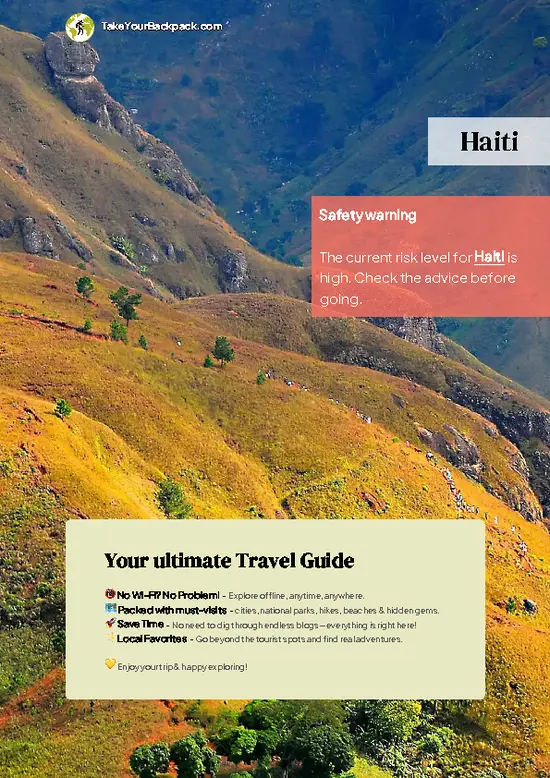
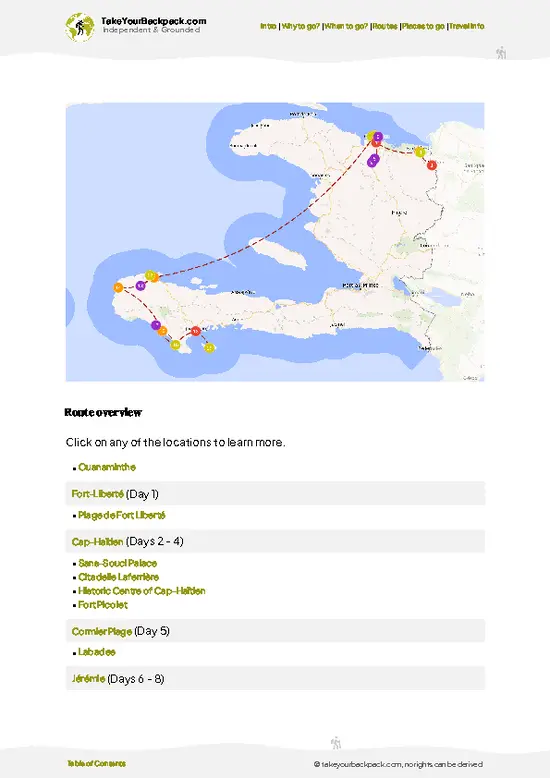
example page 0 from our offline Travel Guide for Haiti
example page 1 from our offline Travel Guide for Haiti
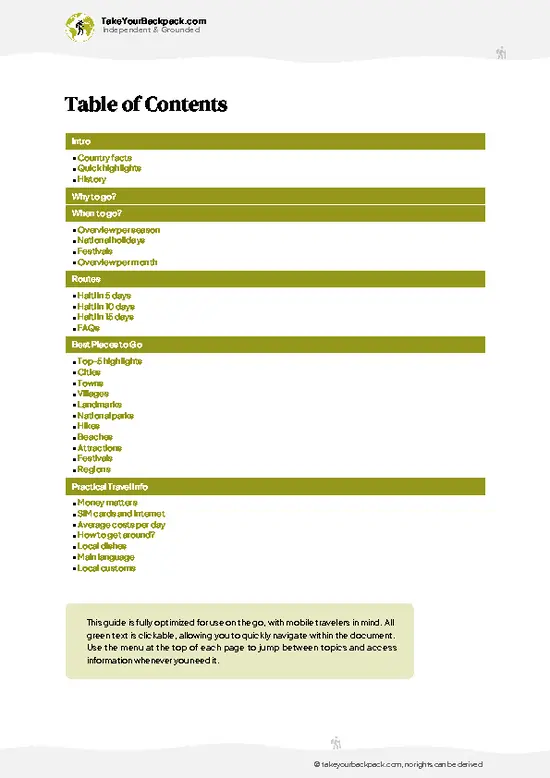
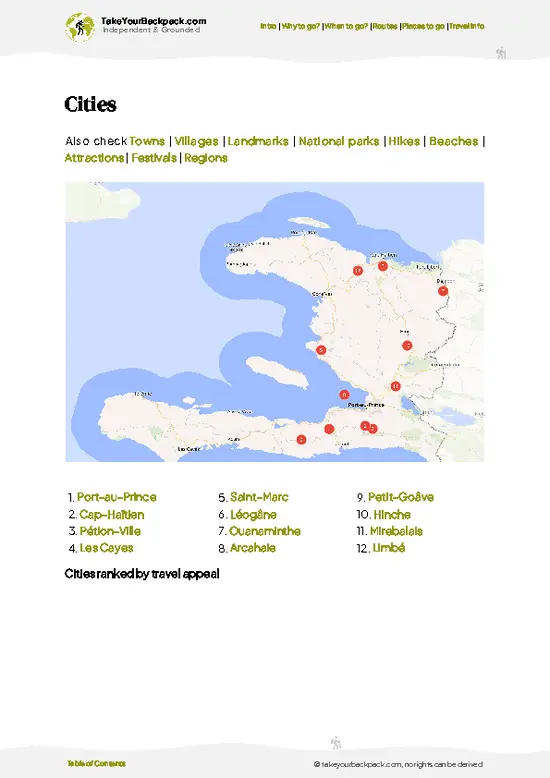
example page 2 from our offline Travel Guide for Haiti
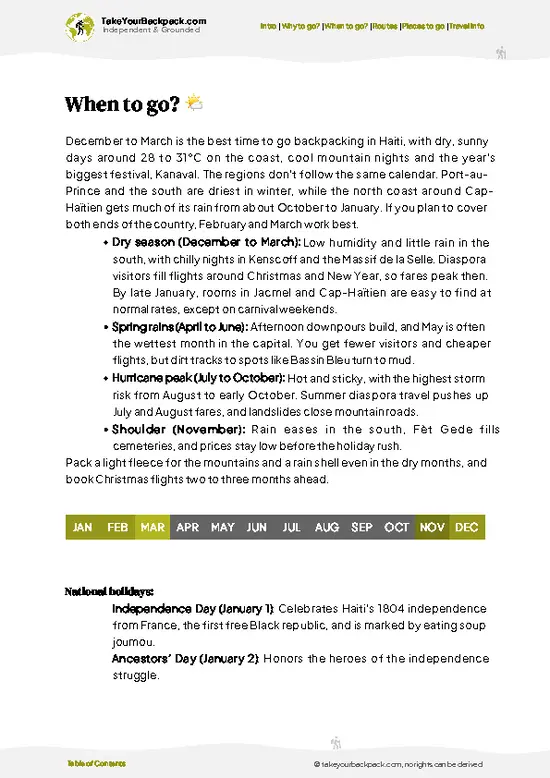
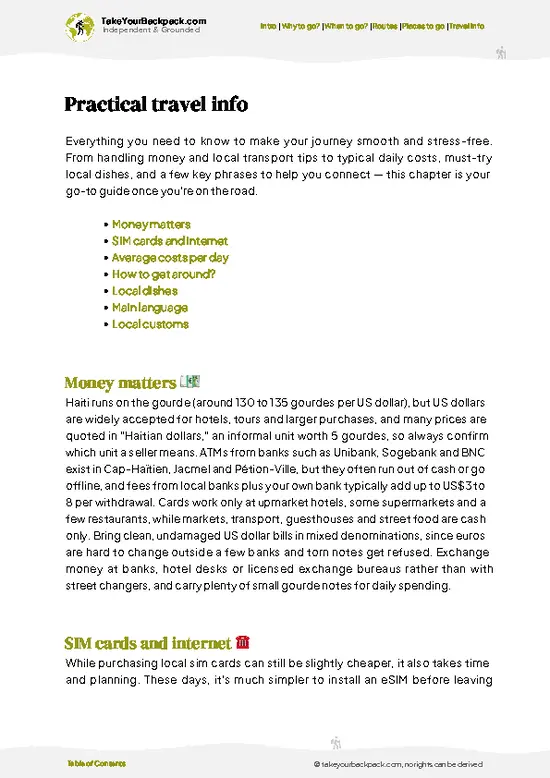
example page 3 from our offline Travel Guide for Haiti
example page 4 from our offline Travel Guide for Haiti
example page 5 from our offline Travel Guide for Haiti
example page 6 from our offline Travel Guide for Haiti
example page 7 from our offline Travel Guide for Haiti
Loading the map 🌍
CLICK TO FILTER
cities
towns
villages
landmarks
national parks
hikes
beaches
attractions
festivals
regions
SHOW COUNTRY’S BESTSHOW ALL

✨ Why go?
Ranked #11 attraction in Haiti
Reasons people choose to visit here

Musée du Panthéon National Haïtien is the single best place in the capital to understand how enslaved people built the first Black republic. The collection is small enough to absorb in one visit, and the objects do the talking. Toussaint Louverture’s pistol and the Santa María anchor are here, along with the Dessalines-era artifacts and the iron manacle of the revolution’s era. For a backpacker, that matters because everything you later see, from the Citadelle in the north to Jacmel’s old houses, makes more sense after this hour. The museum also sits on the Champ de Mars, so you get a walkable look at the monuments and the post-earthquake rebuilding of central Port-au-Prince at the same time.

💡 HighlightsDon't-miss highlights and experiences

  1. The Santa María anchor: Recovered from the north coast and long attributed to Columbus’s flagship, it is the museum’s best-known object and sits in the main hall.
  2. Toussaint Louverture’s pistol: A small, worn weapon tied to the revolution’s greatest strategist, and an easy way to picture the man.
  3. The Dessalines and Christophe displays: Personal effects and regalia of the leaders who declared independence and ruled the north.
  4. Slavery-era shackles: Iron restraints presented plainly, without drama, which makes them heavier.
  5. The Pétion section: Objects from the southern president who backed Bolívar, a detail many visitors never hear about.
  6. The Champ de Mars monuments outside: Statues of the founding heroes, including the Marron Inconnu, the Unknown Maroon, a bronze figure blowing a conch shell, steps
… read more 👉
  1. The Santa María anchor: Recovered from the north coast and long attributed to Columbus’s flagship, it is the museum’s best-known object and sits in the main hall.
  2. Toussaint Louverture’s pistol: A small, worn weapon tied to the revolution’s greatest strategist, and an easy way to picture the man.
  3. The Dessalines and Christophe displays: Personal effects and regalia of the leaders who declared independence and ruled the north.
  4. Slavery-era shackles: Iron restraints presented plainly, without drama, which makes them heavier.
  5. The Pétion section: Objects from the southern president who backed Bolívar, a detail many visitors never hear about.
  6. The Champ de Mars monuments outside: Statues of the founding heroes, including the Marron Inconnu, the Unknown Maroon, a bronze figure blowing a conch shell, steps away.
Musée du Panthéon National Haïtien takes about an hour to see properly, or ninety minutes with the plaza.
Spotted a mistake or missing something? Contact us.

🌤️ When to go?When to go for the best experience

  • Cooler Dry Months (November to March): Port-au-Prince sits around 22 to 31°C (72 to 88°F), with low humidity and little rain. Mornings are best for walking the Champ de Mars, where the museum stands. Hotel prices and flight fares rise around Christmas and Carnival.
  • Hot Shoulder (April to June): Expect 24 to 34°C (75 to 93°F) and afternoon downpours from May. Galleries get stuffy by midday, so arrive at opening.
  • Summer and Hurricane Season (July to October): Highs reach 33 to 35°C (91 to 95°F), with heavy showers and storm risk peaking August to October. Flights are cheaper, and you will often have the halls to yourself.
Daylight runs roughly 11 to 13 hours across the year, so plan visits for the morning and confirm opening days locally, since schedules can shift.

source: climatestotravel.comJANJanuary: highly recommended for travelingFEBFebruary: excellent for travelingMARMarch: highly recommended for travelingAPRApril: fair for travelingMAYMay: fair for travelingJUNJune: below average for travelingJULJuly: below average for travelingAUGAugust: below average for travelingSEPSeptember: below average for travelingOCTOctober: fair for travelingNOVNovember: highly recommended for travelingDECDecember: excellent for traveling
when-to-go

✈️ The backpacker research shortcutHaiti Travel Guide

An offline-friendly backpacking guide with optimized travel routes, ranked highlights, transport advice, and the best areas to stay.
example page 0 from our offline Travel Guide for Haiti
example page 1 from our offline Travel Guide for Haiti
example page 2 from our offline Travel Guide for Haiti
example page 3 from our offline Travel Guide for Haiti
example page 4 from our offline Travel Guide for Haiti
example page 5 from our offline Travel Guide for Haiti
example page 6 from our offline Travel Guide for Haiti
example page 7 from our offline Travel Guide for Haiti
The digital guide (332 pages) contains:
✅ 89 highlights, ranked by travel appeal
✅ Optimized 5, 10 & 15-day travel routes
✅ Cities, national parks, landmarks, beaches
✅ How to get around
✅ Offline-friendly for travel without Wi-Fi
👉 Click to see all 30+ guide features

📅 Plan smarter in minutes, not weeks
✅ Month by month travel advice
✅ Festivals & national holidays
✅ Budget expectations

🗺️ Go to the right places, skip the overrated ones
✅ Honest pros & cons of destinations
✅ Top hikes, parks & viewpoints
✅ Lesser-known places most travelers miss
✅ Clear “worth it vs skip it” guidance

🛏️ Travel smoothly without rookie mistakes
✅ Best areas to stay
✅ Transport systems explained simply
✅ Common scams & safety advice
✅ SIM cards, money & practical tips

🌍 Understand the country, not just visit it
✅ Culture & traditions
✅ 52 Essential phrases & customs
✅ Festivals worth planning around
✅ Traveler-friendly historical context
✅ Insights that make places more meaningful

📱 Built for real travel conditions
✅ Fully downloadable PDF
✅ Works completely offline
✅ Optimized for phone use
✅ Useful in remote areas & buses
✅ Everything in one place
Stop searching, start planning
Get instant access to your full guide. 30‑day money-back guarantee.
+ Add another guide for just

By proceeding you agree to our terms.
Sent to your inbox immediately after payment • 100% Secure Checkout
Best Backpacking Travel Advisor 2025 tourism awardBest Backpacking
Travel Advisor
2025
What others say about Take Your Backpack Guides:
⭐⭐⭐⭐⭐
Fantastic, amazing amount of information!
⭐⭐⭐⭐⭐
My goodness this is amazing, it's what I've been looking for hats off too you!
⭐⭐⭐⭐⭐
I think this is absolutely BRILLIANT
⭐⭐⭐⭐
Very complete and informative. It's still missing places, but I gotta to commend you
⭐⭐⭐⭐⭐
This is truly amazing, thank you, can't wait to explore it with my kids!
⭐⭐⭐⭐⭐
Awesome resource, thank you!
⭐⭐⭐⭐⭐
This is amazing! Can't wait to explore the ones I haven't seen
⭐⭐⭐⭐
I love this! Well done, great idea.
⭐⭐⭐⭐⭐
Thanks for taking the time to make this gem!
⭐⭐⭐⭐⭐
This might be the best website I've ever seen.
⭐⭐⭐⭐⭐
Congratulations, and thank you so much for your work; it's incredibly valuable.
⭐⭐⭐⭐
In all seriousness I think you did a great job pointing out the important spots
⭐⭐⭐⭐⭐
10/10 very good
⭐⭐⭐⭐⭐
As someone who's only just starting to visit regularly this is awesome, thank you.
⭐⭐⭐⭐
Thank you very much! I'm going to visit my dad, it's going to be very useful!
⭐⭐⭐⭐⭐
This is really cool! We'll be travelling for the first time and this definitely come in handy.
⭐⭐⭐⭐⭐
You are now our minister of culture, congratulations 👨‍💼
⭐⭐⭐⭐⭐
Just wanted to tell you that this is a pearl! Going to follow your recommendations.
⭐⭐⭐⭐⭐
This is so cool. I'll definitely be using the resource for my travels soon.
⭐⭐⭐⭐⭐
This is very impressive! Good work.
⭐⭐⭐⭐⭐
This is an amazing and informative site. Very well done!

🛏️ Where to stay?Choosing the right base

Pétion-Ville is the area most backpackers choose, and it sits in the hills above the museum's downtown neighborhood. It has the widest range of guesthouses and small hotels, plus restaurants, ATMs and cafés where you can meet other travelers and aid workers. Nights are calmer and more walkable here than in the center. Expect to spend roughly US$40 to 90 for a private room, since true dorm hostels are rare in Haiti. The Champ de Mars area has a few hotels within walking distance of the museum, but the surrounding streets are busy and it is best to avoid walking around after dark. Whichever area … read more 👉
Pétion-Ville is the area most backpackers choose, and it sits in the hills above the museum's downtown neighborhood. It has the widest range of guesthouses and small hotels, plus restaurants, ATMs and cafés where you can meet other travelers and aid workers. Nights are calmer and more walkable here than in the center. Expect to spend roughly US$40 to 90 for a private room, since true dorm hostels are rare in Haiti. The Champ de Mars area has a few hotels within walking distance of the museum, but the surrounding streets are busy and it is best to avoid walking around after dark. Whichever area you pick, book ahead through a trusted local contact, arrange airport pickup, and take a vetted driver for the short hop down to the museum rather than walking between districts. Check current security advice before you travel, as conditions in the capital change quickly.

👛 Costs (as of 20 October 2026)Money, prices, and spending tips

Musée du Panthéon National Haïtien costs about US$56 to 113 per day for a backpacker in Port-au-Prince, with the museum itself a small part of that.
CategoryBudget RangeLocal Reality
Museum EntryUS$3 to 8Paid in cash at the door; foreign visitors usually pay more than Haitians
Guide or DonationUS$0 to 10Staff may walk you through the exhibits; a tip is customary
Accommodation (High Season)US$35 to 60Guesthouses and basic hotels in Pétion-Ville; dorms are scarce
FoodUS$8 to 15Street plates and local restaurants are cheapest; cafés cost more
Local TransportUS$10 to 20A private driver for the day is the safest option; tap-taps are cheaper but crowded
Total Daily BudgetUS$56 to 113Roughly US$60 to 95 for most travelers
⚠️ Prices can change and everyone travels differently, so take this as a rough guide. Hope it helps you plan your adventure!

FAQCommon questions from travelers

Musée du Panthéon National Haïtien needs about 1.5 to 2 hours. That covers the artifacts from the Taíno era, the independence-era relics and the displays on the nation's founders. Add another hour if you stroll the Champ de Mars plaza beside it.
Musée du Panthéon National Haïtien is worth the fee, which is roughly US$3 to 8. It holds the anchor said to be from Columbus's Santa Maria and the chains of enslaved people, plus items tied to Toussaint Louverture and Dessalines. It is the best single-stop overview of Haitian history in the capital.
Musée du Panthéon National Haïtien stands on the Champ de Mars in central Port-au-Prince. From Pétion-Ville it is roughly 20 to 40 minutes by car depending on traffic, and a private driver costs about US$15 to 30 round trip. Tap-taps run cheaper but are crowded and not advised for first-timers.
⚠️ Things can change over time, so always validate details locally before you go.

Other Haitian attractions near Musée du Panthéon National Haïtien

Explore more nearby:


💡 Not sure where to go next?
Create a personalized itinerary for Haiti including Musée du Panthéon National Haïtien and the places that fit your trip.

Generate my itinerary

👉 Discover all attractions

Or checkout all Haiti has to offer (think cities, towns, villages, national parks, hikes, beaches, festivals)
Country photo of Haiti

We 💚 feedbackIs it worth it?

Musée du Panthéon National Haïtien is best in the morning, when the Champ de Mars is calmer and the halls are cool and nearly empty. I would arrive right at opening, read the labels slowly, and bring a small notebook, since the stories behind the objects are the point.

✍️ Help improve this page!
The information on this page is based on in-depth research, insights shared by experienced travelers, and feedback from the local travel community in Haiti. While every effort is made to keep the information accurate and current, conditions can change — so if you spot anything incorrect or outdated, please get in touch.


🙋‍♂️ Give feedback

👋 Meet the founderWho’s Behind Take Your Backpack?

Johan, backpacker and founder of TakeYourBackpackHi, I’m Johan (Netherlands 🇳🇱), the creator of TakeYourBackpack. Over the past 3 decades, I’ve backpacked through 90+ countries across six continents, gaining extensive experience with independent travel, long-term trips, and overland routes.

This site is built on a combination of firsthand travel experience and carefully curated insights from other backpackers. Many guides are based on places I’ve personally visited, while others bring together tips, observations, and practical advice shared by trusted travelers I’ve met along the way.

The goal is to provide realistic, experience-driven guidance — not generic itineraries — so you can explore destinations with better context, clearer expectations, and more confidence.