The Ironwork Architecture
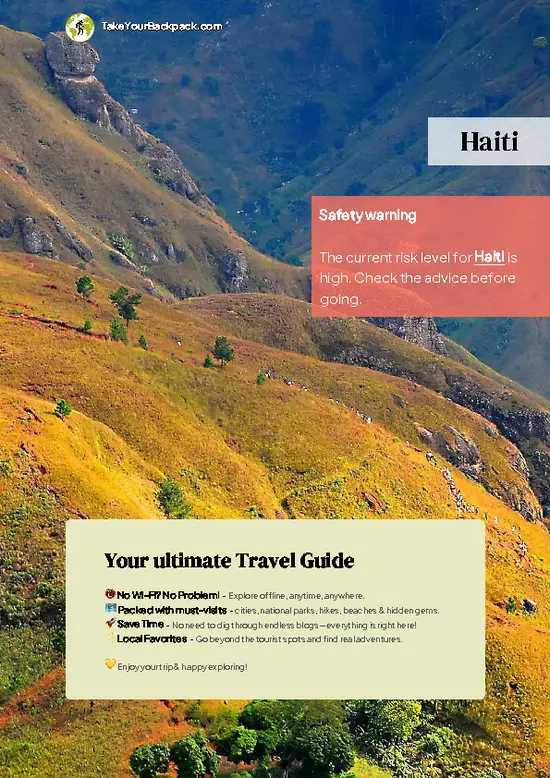
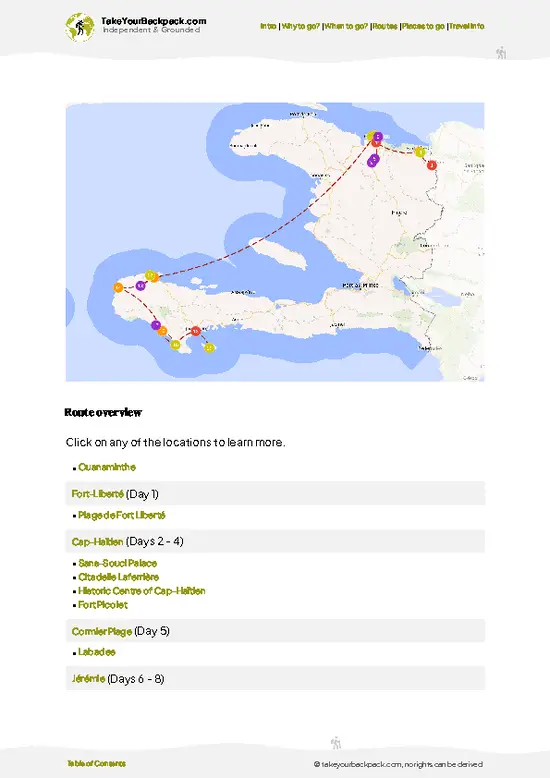
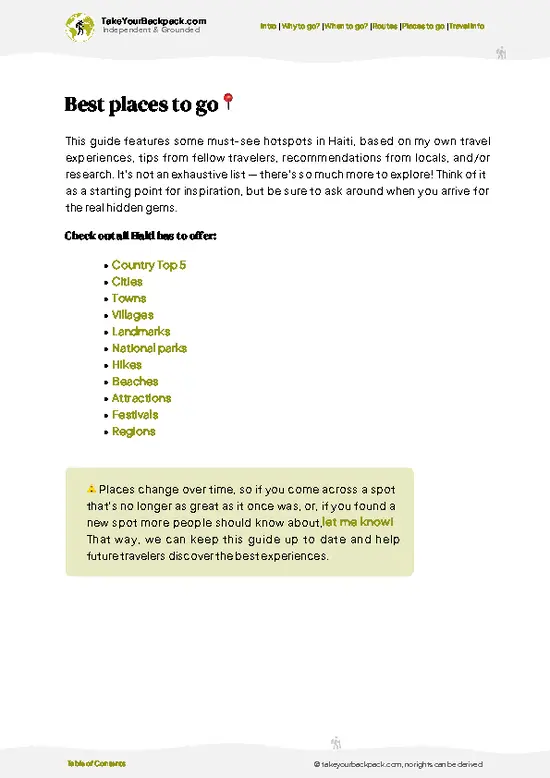
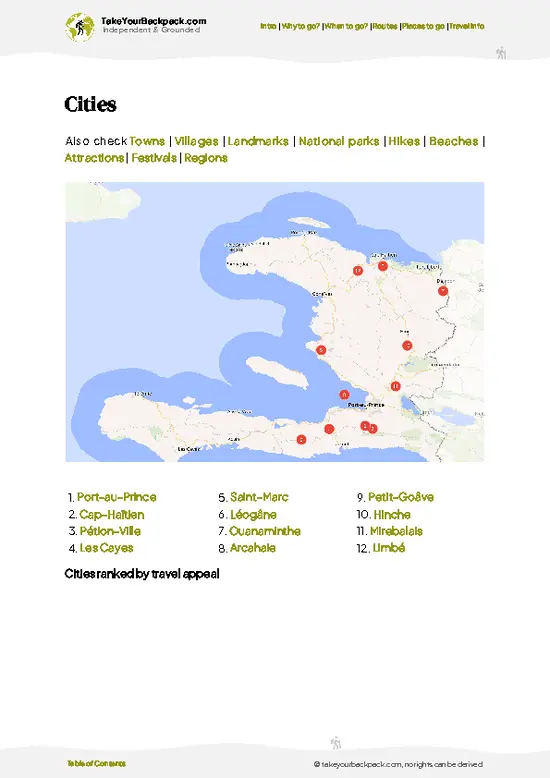
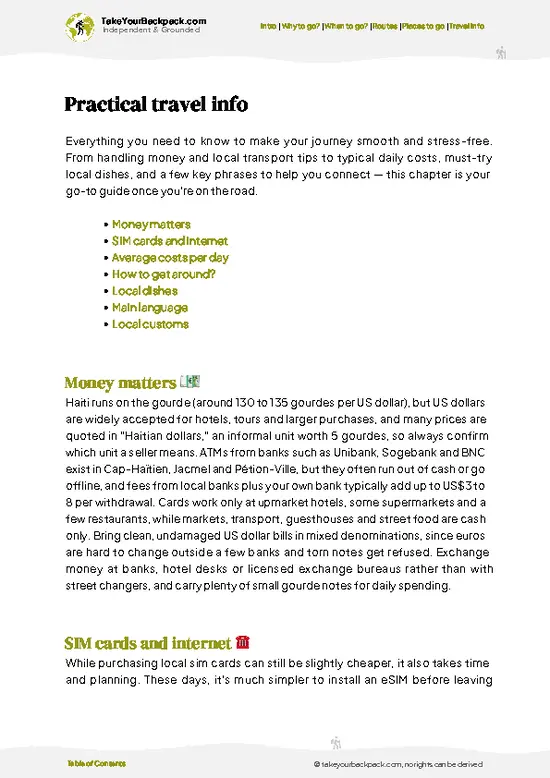
Forget the Instagram filters—nothing prepares you for the raw, industrial beauty of the Iron Market’s bones. The cast-iron arches and filigree, shipped from Paris in the 1890s, are battered but defiant, a survivor’s badge after fires, earthquakes, and political chaos. This isn’t just a market; it’s a living relic that hums with history. Stand under the clock tower and you’ll feel the pulse of Port-au-Prince—loud, hot, and unvarnished. If you’re looking for a sanitized, airbrushed experience, you’re in the wrong place. But if you want to see Haiti’s resilience hammered into metal, this is it.
The Vodou Stalls
Here’s where the market drops its tourist mask. The Vodou section is not a sideshow—it’s a working supply depot for practitioners. You’ll see bottles of rum, … read more 👉
Forget the Instagram filters—nothing prepares you for the raw, industrial beauty of the Iron Market’s bones. The cast-iron arches and filigree, shipped from Paris in the 1890s, are battered but defiant, a survivor’s badge after fires, earthquakes, and political chaos. This isn’t just a market; it’s a living relic that hums with history. Stand under the clock tower and you’ll feel the pulse of Port-au-Prince—loud, hot, and unvarnished. If you’re looking for a sanitized, airbrushed experience, you’re in the wrong place. But if you want to see Haiti’s resilience hammered into metal, this is it.
The Vodou Stalls
Here’s where the market drops its tourist mask. The Vodou section is not a sideshow—it’s a working supply depot for practitioners. You’ll see bottles of rum, … read more 👉
The Ironwork Architecture
Forget the Instagram filters—nothing prepares you for the raw, industrial beauty of the Iron Market’s bones. The cast-iron arches and filigree, shipped from Paris in the 1890s, are battered but defiant, a survivor’s badge after fires, earthquakes, and political chaos. This isn’t just a market; it’s a living relic that hums with history. Stand under the clock tower and you’ll feel the pulse of Port-au-Prince—loud, hot, and unvarnished. If you’re looking for a sanitized, airbrushed experience, you’re in the wrong place. But if you want to see Haiti’s resilience hammered into metal, this is it.
The Vodou Stalls
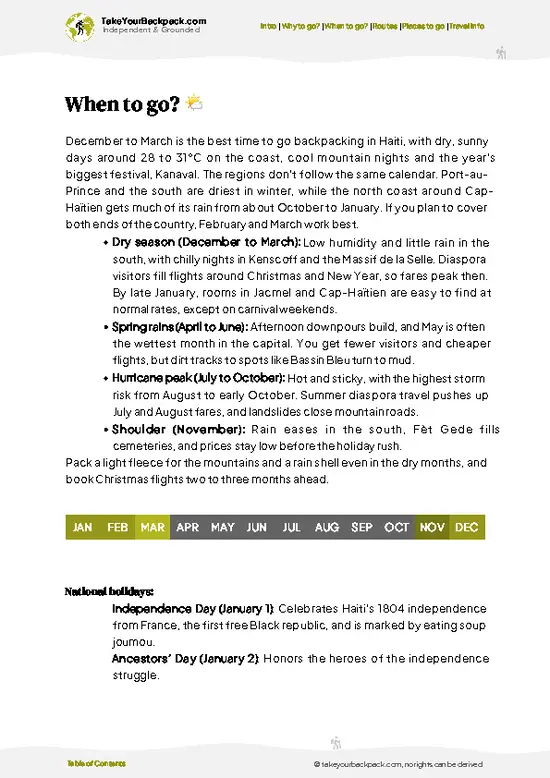
Here’s where the market drops its tourist mask. The Vodou section is not a sideshow—it’s a working supply depot for practitioners. You’ll see bottles of rum, candles, hand-carved figures, and bundles of herbs, all stacked in a glorious, chaotic jumble. The sellers are serious about their craft, and if you’re respectful, you might get a quick explanation of what’s what. Don’t expect a performance; this is real spiritual commerce, not a photo op. The energy is electric, a little mysterious, and absolutely authentic.
The Spices and Medicinals
The scent hits you before you see the stalls: a wild, dizzying blend of cinnamon, clove, dried orange peel, and things you can’t quite name. Vendors scoop up handfuls of roots and powders, each with a story—remedies for everything from heartbreak to headaches. This is the Haitian pharmacy, and it’s as much about tradition as it is about commerce. If you want to understand how people actually live here, linger and listen. The entertainment is in the banter, the haggling, and the pride with which each seller claims their cure is the best.
The Iron Market Food Court (Street Food)
You can’t say you’ve been to the Iron Market if you haven’t eaten here. Skip the guidebook’s warnings about “street food danger” and go straight for the griyo (fried pork), akra (malanga fritters), or a bowl of spicy soup joumou. The flavors are bold, the portions generous, and the cooks are masters of their craft. Pull up a plastic chair, wipe your brow, and dig in. This is where locals refuel and gossip, and where you’ll get a crash course in Haitian hospitality—loud, fast, and full of flavor.
The Tailors and Textile Sellers
Rows of tailors hunched over ancient sewing machines, fabric stalls stacked with riotous prints—this is the Iron Market’s fashion district. You can buy a ready-made shirt or commission something custom, and the turnaround is often same-day. The entertainment here is in the spectacle: the whir of machines, the flash of scissors, the parade of customers modeling their new threads. It’s a reminder that style in Haiti is personal, creative, and proudly on display.
The Chaos (Yes, Really)
Let’s be honest: the Iron Market is not for the faint of heart. It’s crowded, noisy, and occasionally overwhelming. But that’s the point. The chaos is the show. Vendors shout, radios blare, and the air is thick with possibility. If you want a market that feels alive—messy, unpredictable, and utterly unscripted—this is the real deal. The Iron Market doesn’t care about your comfort zone. It wants you to wake up, pay attention, and join the dance.
Forget the Instagram filters—nothing prepares you for the raw, industrial beauty of the Iron Market’s bones. The cast-iron arches and filigree, shipped from Paris in the 1890s, are battered but defiant, a survivor’s badge after fires, earthquakes, and political chaos. This isn’t just a market; it’s a living relic that hums with history. Stand under the clock tower and you’ll feel the pulse of Port-au-Prince—loud, hot, and unvarnished. If you’re looking for a sanitized, airbrushed experience, you’re in the wrong place. But if you want to see Haiti’s resilience hammered into metal, this is it.
The Vodou Stalls
Here’s where the market drops its tourist mask. The Vodou section is not a sideshow—it’s a working supply depot for practitioners. You’ll see bottles of rum, candles, hand-carved figures, and bundles of herbs, all stacked in a glorious, chaotic jumble. The sellers are serious about their craft, and if you’re respectful, you might get a quick explanation of what’s what. Don’t expect a performance; this is real spiritual commerce, not a photo op. The energy is electric, a little mysterious, and absolutely authentic.
The Spices and Medicinals
The scent hits you before you see the stalls: a wild, dizzying blend of cinnamon, clove, dried orange peel, and things you can’t quite name. Vendors scoop up handfuls of roots and powders, each with a story—remedies for everything from heartbreak to headaches. This is the Haitian pharmacy, and it’s as much about tradition as it is about commerce. If you want to understand how people actually live here, linger and listen. The entertainment is in the banter, the haggling, and the pride with which each seller claims their cure is the best.
The Iron Market Food Court (Street Food)
You can’t say you’ve been to the Iron Market if you haven’t eaten here. Skip the guidebook’s warnings about “street food danger” and go straight for the griyo (fried pork), akra (malanga fritters), or a bowl of spicy soup joumou. The flavors are bold, the portions generous, and the cooks are masters of their craft. Pull up a plastic chair, wipe your brow, and dig in. This is where locals refuel and gossip, and where you’ll get a crash course in Haitian hospitality—loud, fast, and full of flavor.
The Tailors and Textile Sellers
Rows of tailors hunched over ancient sewing machines, fabric stalls stacked with riotous prints—this is the Iron Market’s fashion district. You can buy a ready-made shirt or commission something custom, and the turnaround is often same-day. The entertainment here is in the spectacle: the whir of machines, the flash of scissors, the parade of customers modeling their new threads. It’s a reminder that style in Haiti is personal, creative, and proudly on display.
The Chaos (Yes, Really)
Let’s be honest: the Iron Market is not for the faint of heart. It’s crowded, noisy, and occasionally overwhelming. But that’s the point. The chaos is the show. Vendors shout, radios blare, and the air is thick with possibility. If you want a market that feels alive—messy, unpredictable, and utterly unscripted—this is the real deal. The Iron Market doesn’t care about your comfort zone. It wants you to wake up, pay attention, and join the dance.
Spotted a mistake or missing something? Contact us.
v2.webp)

Best Backpacking
Hi, I’m Johan (Netherlands 🇳🇱), the creator of TakeYourBackpack. Over the past decade, I’ve backpacked through 80+ countries across six continents, gaining extensive experience with independent travel, long-term trips, and overland routes.