×

Honduras🇭🇳 | attractionsFortaleza de San Fernando de OmoaCoral-stone ramparts, moat, powder vaults, bay cannons | things to do and best time to go

Explore Museo de ComayaguaExplore Museo Garífuna de Honduras

Backpacking in Fortaleza de San Fernando de Omoa
👍 Recommendedattraction ranked #7
By Johan Kruseman 🇳🇱 | Updated October 23, 2026

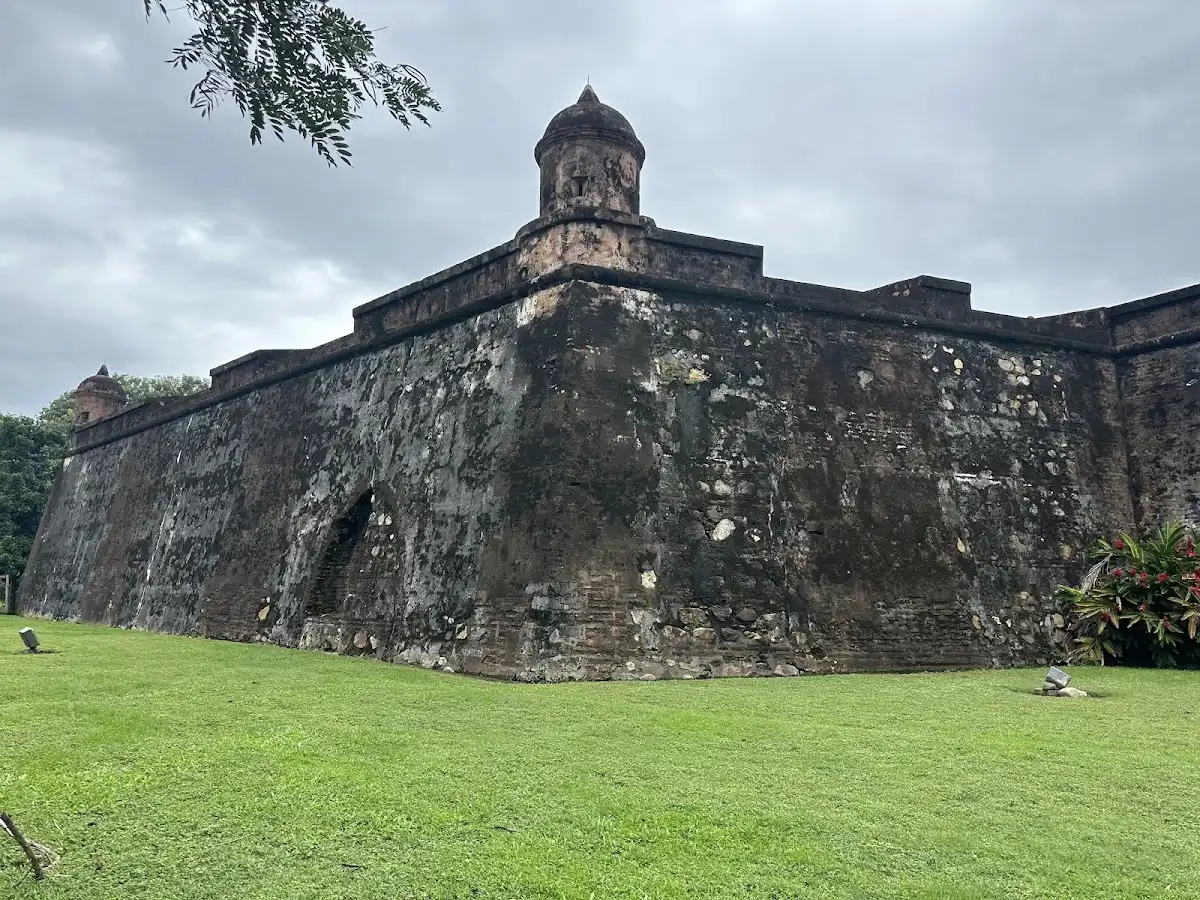
Fortaleza de San Fernando de Omoa is rarely crowded, and the low entry fee means you can wander the whole fort without a ticket line or a tour group. It sits on the Caribbean coast in the northwest of Honduras, a short ride from the town of Omoa. Skip the dusty souvenir stalls outside; the fort itself is what matters. My mistake was arriving without water and with the gates still shut for a lunch break, so I walked the sea wall in circles and learned to check hours first. Inside, the thick coral-stone walls, the moat and the cannons still pointing at the bay make the trip worthwhile, along with the dark, low-ceilinged powder rooms.

Discover everything you want to know in the 📖 Honduras Travel Guide.


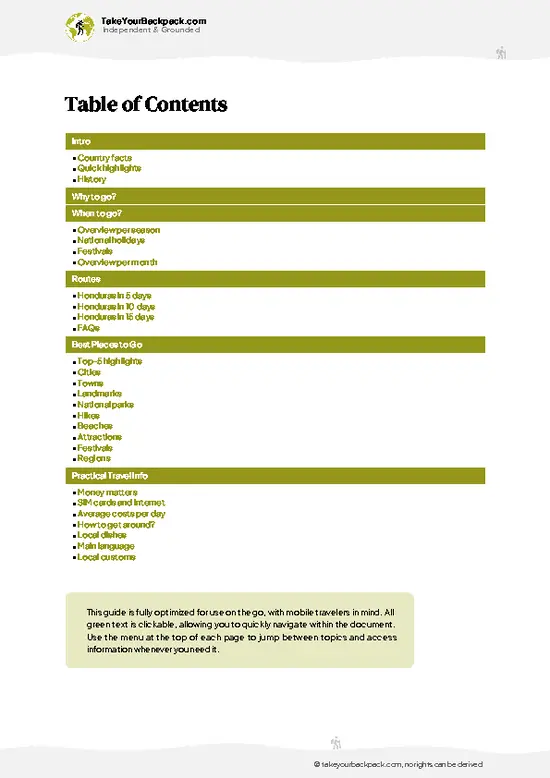
example page 0 from our offline Travel Guide for Honduras
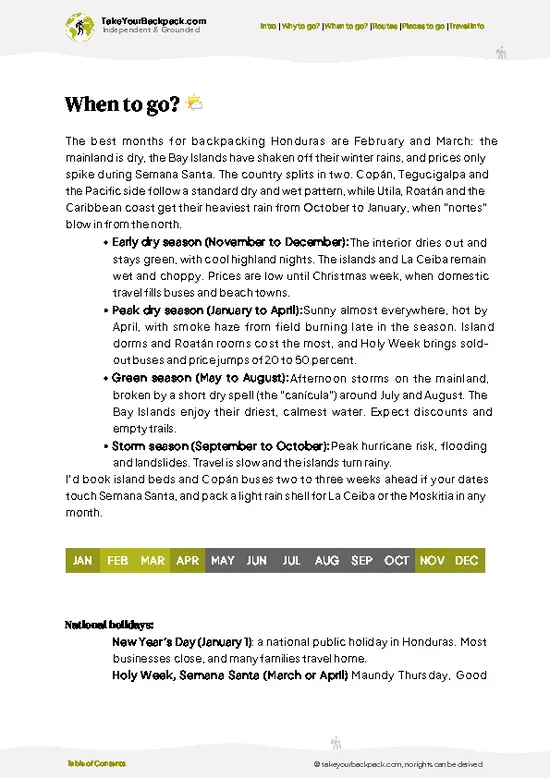
example page 1 from our offline Travel Guide for Honduras
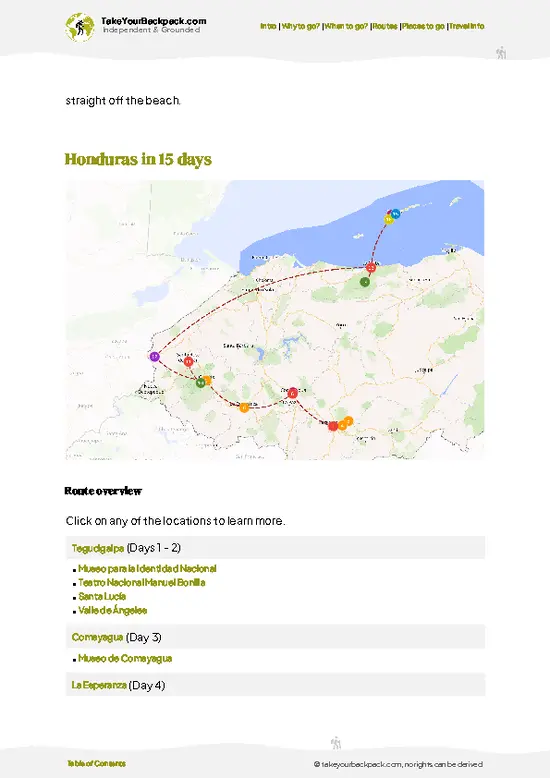
example page 2 from our offline Travel Guide for Honduras
example page 3 from our offline Travel Guide for Honduras
example page 4 from our offline Travel Guide for Honduras
example page 5 from our offline Travel Guide for Honduras
example page 6 from our offline Travel Guide for Honduras
example page 7 from our offline Travel Guide for Honduras
Loading the map 🌍
CLICK TO FILTER
cities
towns
landmarks
national parks
hikes
beaches
attractions
festivals
regions
SHOW COUNTRY’S BESTSHOW ALL

✨ Why go?
Ranked #7 attraction in Honduras
The unique appeal for travelers

Fortaleza de San Fernando de Omoa is one of the best-preserved Spanish colonial forts in Central America, and that alone justifies a detour from the beach crowd. Few places in Honduras let you walk this much original military architecture with almost nobody around.

The fort took roughly two decades to build in the 1700s, and the scale shows: thick walls, a moat, and a layout designed to guard the cargo of silver and goods moving through the bay. Standing on the ramparts, you see exactly why the Spanish picked this spot, with the open Caribbean in front of you and the jungle hills behind.

It also fits neatly into a northern coast route. Pair it with the Garifuna communities and the Omoa beaches nearby, and you get history and sea in a single easy afternoon, without the cost or crowds of the Copán or Bay Islands circuits.

💡 HighlightsMust-see experiences and standout moments

  1. The Main Ramparts: Walk the top of the coral-stone walls, where the old cannons still face the bay and the Caribbean opens out in front of you.
  2. The Moat and Drawbridge Entrance: Crossing the moat gives you the clearest sense of how heavily the Spanish defended the place.
  3. The Underground Powder Rooms: Low vaulted chambers that kept gunpowder and supplies, cool, dark and very atmospheric.
  4. The Dungeon Cells: Small, stark rooms once used for prisoners, including political detainees in the fort’s later life.
  5. The Cannon Batteries: Rows of aged guns with sweeping sea views, the best spot for photos.
  6. The Small Museum: Displays of colonial weapons, maps and artifacts that explain the fort’s role in guarding the coast.
  7. The Courtyard and Barracks: Open grounds with the old living quarters, useful for picturing
… read more 👉
  1. The Main Ramparts: Walk the top of the coral-stone walls, where the old cannons still face the bay and the Caribbean opens out in front of you.
  2. The Moat and Drawbridge Entrance: Crossing the moat gives you the clearest sense of how heavily the Spanish defended the place.
  3. The Underground Powder Rooms: Low vaulted chambers that kept gunpowder and supplies, cool, dark and very atmospheric.
  4. The Dungeon Cells: Small, stark rooms once used for prisoners, including political detainees in the fort’s later life.
  5. The Cannon Batteries: Rows of aged guns with sweeping sea views, the best spot for photos.
  6. The Small Museum: Displays of colonial weapons, maps and artifacts that explain the fort’s role in guarding the coast.
  7. The Courtyard and Barracks: Open grounds with the old living quarters, useful for picturing daily garrison life.
All of it takes about one to two hours at an unhurried pace.
Spotted a mistake or missing something? Contact us.

Things to do near Fortaleza de San Fernando de Omoa

Ratings based on Tripadvisor reviews. When you book through this link, you support our work at no extra cost to you.

🌤️ When to go?Weather, crowds, and seasonal trade-offs

  • February to April: Driest stretch on the Caribbean coast, with highs of 30 to 33°C (86 to 91°F) and little rain. Walking the exposed ramparts is easiest now, though midday sun on the stone is fierce. Holy Week brings Honduran families to the beaches and pushes up room rates.
  • May to October: Hot and humid, 31 to 34°C (88 to 93°F), with downpours that often arrive in the afternoon. Mornings are usually clear, the grassy moat turns green, and the fort is nearly empty. Rooms are cheapest.
  • November to January: Northern fronts bring wetter, cooler spells, with highs around 27 to 30°C (81 to 86°F). Sunlight lasts roughly 11 to 13 hours across the year. Local holidays around Christmas fill the coast, so beds tighten.
Arrive when the gates open, since the stone walls hold heat by noon and the sea breeze is best early.

source: climatestotravel.comJANJanuary: excellent for travelingFEBFebruary: excellent for travelingMARMarch: excellent for travelingAPRApril: highly recommended for travelingMAYMay: fair for travelingJUNJune: fair for travelingJULJuly: fair for travelingAUGAugust: fair for travelingSEPSeptember: fair for travelingOCTOctober: fair for travelingNOVNovember: highly recommended for travelingDECDecember: excellent for traveling
honduras-attraction-fortaleza-de-san-fernando-de-omoa
© Google |

✈️ The backpacker research shortcutHonduras Travel Guide

An offline-friendly backpacking guide with optimized travel routes, ranked highlights, transport advice, and the best areas to stay.
example page 0 from our offline Travel Guide for Honduras
example page 1 from our offline Travel Guide for Honduras
example page 2 from our offline Travel Guide for Honduras
example page 3 from our offline Travel Guide for Honduras
example page 4 from our offline Travel Guide for Honduras
example page 5 from our offline Travel Guide for Honduras
example page 6 from our offline Travel Guide for Honduras
example page 7 from our offline Travel Guide for Honduras
The digital guide (255 pages) contains:
✅ 70 highlights, ranked by travel appeal
✅ Optimized 5, 10 & 15-day travel routes
✅ Cities, national parks, landmarks, beaches
✅ How to get around
✅ Offline-friendly for travel without Wi-Fi
👉 Click to see all 30+ guide features

📅 Plan smarter in minutes, not weeks
✅ Month by month travel advice
✅ Festivals & national holidays
✅ Budget expectations

🗺️ Go to the right places, skip the overrated ones
✅ Honest pros & cons of destinations
✅ Top hikes, parks & viewpoints
✅ Lesser-known places most travelers miss
✅ Clear “worth it vs skip it” guidance

🛏️ Travel smoothly without rookie mistakes
✅ Best areas to stay
✅ Transport systems explained simply
✅ Common scams & safety advice
✅ SIM cards, money & practical tips

🌍 Understand the country, not just visit it
✅ Culture & traditions
✅ 52 Essential phrases & customs
✅ Festivals worth planning around
✅ Traveler-friendly historical context
✅ Insights that make places more meaningful

📱 Built for real travel conditions
✅ Fully downloadable PDF
✅ Works completely offline
✅ Optimized for phone use
✅ Useful in remote areas & buses
✅ Everything in one place
Stop searching, start planning
Get instant access to your full guide. 30‑day money-back guarantee.
+ Add another guide for just

By proceeding you agree to our terms.
Sent to your inbox immediately after payment • 100% Secure Checkout
Best Backpacking Travel Advisor 2025 tourism awardBest Backpacking
Travel Advisor
2025
What others say about Take Your Backpack Guides:
⭐⭐⭐⭐⭐
Fantastic, amazing amount of information!
⭐⭐⭐⭐⭐
My goodness this is amazing, it's what I've been looking for hats off too you!
⭐⭐⭐⭐⭐
I think this is absolutely BRILLIANT
⭐⭐⭐⭐
Very complete and informative. It's still missing places, but I gotta to commend you
⭐⭐⭐⭐⭐
This is truly amazing, thank you, can't wait to explore it with my kids!
⭐⭐⭐⭐⭐
Awesome resource, thank you!
⭐⭐⭐⭐⭐
This is amazing! Can't wait to explore the ones I haven't seen
⭐⭐⭐⭐
I love this! Well done, great idea.
⭐⭐⭐⭐⭐
Thanks for taking the time to make this gem!
⭐⭐⭐⭐⭐
This might be the best website I've ever seen.
⭐⭐⭐⭐⭐
Congratulations, and thank you so much for your work; it's incredibly valuable.
⭐⭐⭐⭐
In all seriousness I think you did a great job pointing out the important spots
⭐⭐⭐⭐⭐
10/10 very good
⭐⭐⭐⭐⭐
As someone who's only just starting to visit regularly this is awesome, thank you.
⭐⭐⭐⭐
Thank you very much! I'm going to visit my dad, it's going to be very useful!
⭐⭐⭐⭐⭐
This is really cool! We'll be travelling for the first time and this definitely come in handy.
⭐⭐⭐⭐⭐
You are now our minister of culture, congratulations 👨‍💼
⭐⭐⭐⭐⭐
Just wanted to tell you that this is a pearl! Going to follow your recommendations.
⭐⭐⭐⭐⭐
This is so cool. I'll definitely be using the resource for my travels soon.
⭐⭐⭐⭐⭐
This is very impressive! Good work.
⭐⭐⭐⭐⭐
This is an amazing and informative site. Very well done!

🛏️ Where to stay?Choosing the right base

Omoa village itself is the best place to sleep, because the fort sits a short walk from the center and the beachfront. Most backpackers stay along the main street running to the pier and the sandy waterfront strip. Here you will find the small hostels and guesthouses, plus the few simple seafood restaurants where travelers end up sharing tables. The sea is a couple of minutes away on foot, and the pace is calm enough that solo travelers feel comfortable walking around after dark on the lit main stretch, though taking a taxi late is wise. The beach to the east of the pier is quieter and has a few … read more 👉
Omoa village itself is the best place to sleep, because the fort sits a short walk from the center and the beachfront. Most backpackers stay along the main street running to the pier and the sandy waterfront strip. Here you will find the small hostels and guesthouses, plus the few simple seafood restaurants where travelers end up sharing tables. The sea is a couple of minutes away on foot, and the pace is calm enough that solo travelers feel comfortable walking around after dark on the lit main stretch, though taking a taxi late is wise. The beach to the east of the pier is quieter and has a few places with hammocks and sea views, good if you want to read rather than socialize. Puerto Cortés, about 15 to 20 minutes away by road, is a working port with little for visitors, so skip it. San Pedro Sula has more choice and nightlife, but staying in Omoa puts you at the fort early, before tour groups.

👛 Costs (as of 23 October 2026)Travel costs and budget guide for Fortaleza de San Fernando de Omoa

Fortaleza de San Fernando de Omoa costs a backpacker roughly US$26 to 51 a day, with the entry fee only a small part of that. Prices below are rounded estimates, and you pay in Honduran lempiras.
CategoryBudget RangeLocal Reality
Fort entryUS$4 to 8Foreign visitors pay more than Hondurans; a small museum is inside the walls.
Dorm bed (high season)US$9 to 15Hostels and guesthouses cluster in Omoa village; private rooms run US$25 to 40.
MealsUS$8 to 15Baleadas cost US$1 to 2; a fried fish plate on the beach is US$6 to 10.
Local transportUS$2 to 5Colectivos and short taxi rides within Omoa; bus from Puerto Cortés is under US$2.
ExtrasUS$3 to 8Drinks, a beach chair or a guide at the fort if you want one.
Total Daily BudgetUS$26 to 51Midpoint of about US$39 for a comfortable budget day with a dorm bed.
⚠️ Prices can change and everyone travels differently, so take this as a rough guide. Hope it helps you plan your adventure!

FAQTraveler FAQ

Two to three hours is enough for Fortaleza de San Fernando de Omoa, covering the ramparts, the moat, the dungeons and the small museum. The Spanish built it between 1759 and 1775 to guard the Caribbean coast. Add an afternoon on the beach in Omoa village and you have a relaxed half day, or stay overnight to catch the early quiet.
Yes for most backpackers, since Fortaleza de San Fernando de Omoa charges only about US$4 to 8 for foreigners. You get a large 18th-century coastal fortress with thick walls, cannon positions and a moat, and few crowds outside holidays. History lovers will get the most from it, while others may be done in about an hour.
Fortaleza de San Fernando de Omoa is a short walk from the center of Omoa village. From San Pedro Sula, take a bus to Puerto Cortés (about 1 hour, US$2 to 4) and change to a local bus or taxi for the 15 to 20 minute run to Omoa. Direct buses and colectivos also run along the coast road, and a taxi from San Pedro Sula costs roughly US$40 to 60.
⚠️ Things can change over time, so always validate details locally before you go.

Other Honduran attractions near Fortaleza de San Fernando de Omoa

Explore more nearby:


💡 Not sure where to go next?
Create a personalized itinerary for Honduras including Fortaleza de San Fernando de Omoa and the places that fit your trip.

Generate my itinerary

👉 Discover all attractions

Or checkout all Honduras has to offer (think cities, towns, villages, national parks, hikes, beaches, festivals)
Country photo of Honduras

We 💚 feedbackParting advice and final tips

Fortaleza de San Fernando de Omoa is best in the early morning, soon after opening, when the stone is still cool and the bay is calm. Go in the dry months if you can, bring water and a hat, and leave the afternoon for the beach.

✈️ When did I visit Honduras?
Honduras I visited during my half year trip through South and Central America back in 2003

✍️ Help improve this page!
The information on this page is based on my own backpacking experience in Honduras, supplemented with up-to-date research and feedback from other travelers. Travel details can change, so if you notice anything outdated or incomplete, feel free to let me know.


🙋‍♂️ Give feedback

👋 Meet the founderWho’s Behind Take Your Backpack?

Johan, backpacker and founder of TakeYourBackpackHi, I’m Johan (Netherlands 🇳🇱), the creator of TakeYourBackpack. Over the past 3 decades, I’ve backpacked through 90+ countries across six continents, gaining extensive experience with independent travel, long-term trips, and overland routes.

This site is built on a combination of firsthand travel experience and carefully curated insights from other backpackers. Many guides are based on places I’ve personally visited, while others bring together tips, observations, and practical advice shared by trusted travelers I’ve met along the way.

The goal is to provide realistic, experience-driven guidance — not generic itineraries — so you can explore destinations with better context, clearer expectations, and more confidence.