v2.webp)
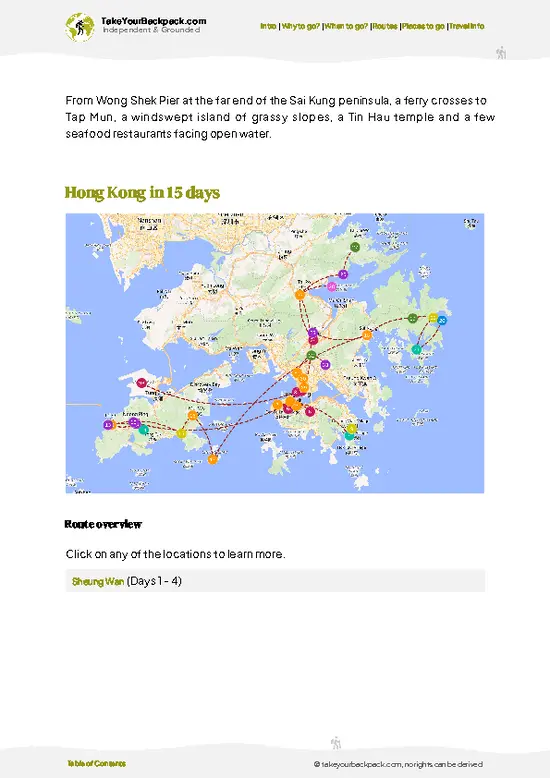
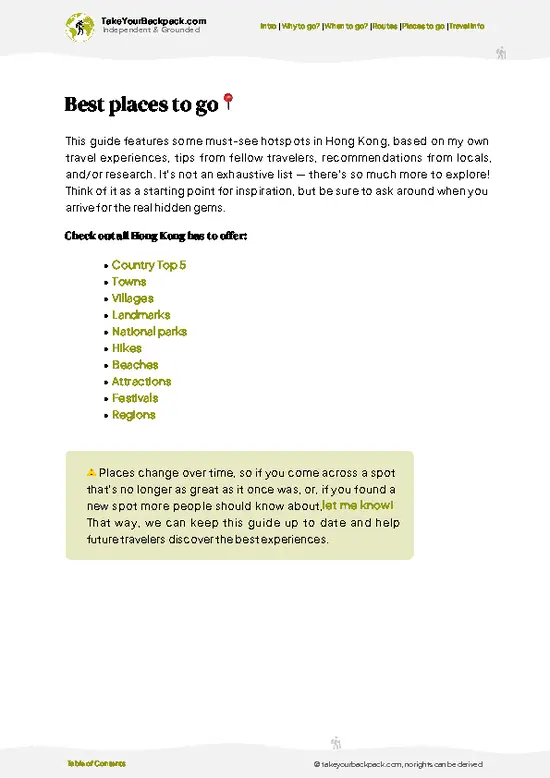
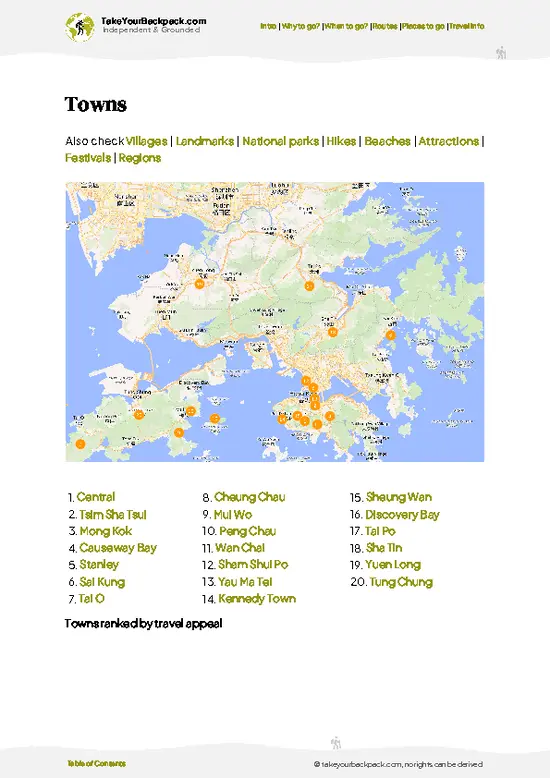
The Hong Kong Story (Permanent Exhibition)
Forget the sanitized, bite-sized history you get in most city museums. This is an all-out, multi-sensory epic that sprawls across thousands of years, from prehistoric Hong Kong (think: life-sized dioramas of ancient villages) to the handover in 1997. You’ll walk through a full-scale street from the colonial era, dodge rickshaws, and peer into recreated shops that smell faintly of incense and old wood. It’s not just a timeline—it’s a time machine, and it’s the closest you’ll get to walking through Hong Kong’s DNA without a DeLorean.
Life-Size Street Scenes
This isn’t your average “look but don’t touch” museum. The highlight is a painstakingly recreated street from the 1880s, complete with a pawn shop, herbal medicine store, and a Cantonese opera theatre. … read more 👉
Forget the sanitized, bite-sized history you get in most city museums. This is an all-out, multi-sensory epic that sprawls across thousands of years, from prehistoric Hong Kong (think: life-sized dioramas of ancient villages) to the handover in 1997. You’ll walk through a full-scale street from the colonial era, dodge rickshaws, and peer into recreated shops that smell faintly of incense and old wood. It’s not just a timeline—it’s a time machine, and it’s the closest you’ll get to walking through Hong Kong’s DNA without a DeLorean.
Life-Size Street Scenes
This isn’t your average “look but don’t touch” museum. The highlight is a painstakingly recreated street from the 1880s, complete with a pawn shop, herbal medicine store, and a Cantonese opera theatre. … read more 👉
The Hong Kong Story (Permanent Exhibition)
Forget the sanitized, bite-sized history you get in most city museums. This is an all-out, multi-sensory epic that sprawls across thousands of years, from prehistoric Hong Kong (think: life-sized dioramas of ancient villages) to the handover in 1997. You’ll walk through a full-scale street from the colonial era, dodge rickshaws, and peer into recreated shops that smell faintly of incense and old wood. It’s not just a timeline—it’s a time machine, and it’s the closest you’ll get to walking through Hong Kong’s DNA without a DeLorean.
Life-Size Street Scenes
This isn’t your average “look but don’t touch” museum. The highlight is a painstakingly recreated street from the 1880s, complete with a pawn shop, herbal medicine store, and a Cantonese opera theatre. The detail is obsessive: faded shop signs, creaky wooden floors, and the kind of clutter that only comes from real life, not a set designer’s imagination. It’s immersive enough that you’ll forget you’re in a museum—until a school group barrels past you, selfie sticks in hand.
Opium Wars and Colonial Rule Galleries
Most museums gloss over the ugly bits. Not here. The Opium Wars section pulls no punches, with artifacts, propaganda posters, and blunt explanations of how Hong Kong became a British colony. The colonial galleries don’t romanticize empire—they lay out the grit, the commerce, and the culture clash. If you want the real story, not the Instagram version, this is where you get it.
Folk Culture and Festivals
Hong Kong’s soul isn’t just skyscrapers and finance. The museum’s folk culture galleries are a riot of color and sound—giant papier-mâché lions, dragon boats, and festival costumes that look like they’re ready to leap off their mannequins. There’s a tactile, lived-in quality here: you’ll see wedding sedan chairs, ancestral altars, and the tools of vanished trades. It’s a crash course in the city’s traditions, minus the tourist-trap price tag.
War and Japanese Occupation Gallery
This section hits hard. The Japanese occupation of Hong Kong (1941-1945) is presented with raw honesty—photos, personal stories, and artifacts that don’t sugarcoat the suffering or the resilience. It’s sobering, but essential. If you want to understand the city’s edge, its skepticism, and its pride, you need to spend time here.
Temporary Exhibitions
Here’s the wildcard. The museum’s rotating exhibitions are often where you’ll find the weird, the wonderful, and the hyper-local: everything from pop culture retrospectives to deep dives into Hong Kong’s food history. These are the shows that locals actually come for, and they’re rarely crowded. If you want to see what Hong Kong cares about right now, check what’s on before you go.
Forget the sanitized, bite-sized history you get in most city museums. This is an all-out, multi-sensory epic that sprawls across thousands of years, from prehistoric Hong Kong (think: life-sized dioramas of ancient villages) to the handover in 1997. You’ll walk through a full-scale street from the colonial era, dodge rickshaws, and peer into recreated shops that smell faintly of incense and old wood. It’s not just a timeline—it’s a time machine, and it’s the closest you’ll get to walking through Hong Kong’s DNA without a DeLorean.
Life-Size Street Scenes
This isn’t your average “look but don’t touch” museum. The highlight is a painstakingly recreated street from the 1880s, complete with a pawn shop, herbal medicine store, and a Cantonese opera theatre. The detail is obsessive: faded shop signs, creaky wooden floors, and the kind of clutter that only comes from real life, not a set designer’s imagination. It’s immersive enough that you’ll forget you’re in a museum—until a school group barrels past you, selfie sticks in hand.
Opium Wars and Colonial Rule Galleries
Most museums gloss over the ugly bits. Not here. The Opium Wars section pulls no punches, with artifacts, propaganda posters, and blunt explanations of how Hong Kong became a British colony. The colonial galleries don’t romanticize empire—they lay out the grit, the commerce, and the culture clash. If you want the real story, not the Instagram version, this is where you get it.
Folk Culture and Festivals
Hong Kong’s soul isn’t just skyscrapers and finance. The museum’s folk culture galleries are a riot of color and sound—giant papier-mâché lions, dragon boats, and festival costumes that look like they’re ready to leap off their mannequins. There’s a tactile, lived-in quality here: you’ll see wedding sedan chairs, ancestral altars, and the tools of vanished trades. It’s a crash course in the city’s traditions, minus the tourist-trap price tag.
War and Japanese Occupation Gallery
This section hits hard. The Japanese occupation of Hong Kong (1941-1945) is presented with raw honesty—photos, personal stories, and artifacts that don’t sugarcoat the suffering or the resilience. It’s sobering, but essential. If you want to understand the city’s edge, its skepticism, and its pride, you need to spend time here.
Temporary Exhibitions
Here’s the wildcard. The museum’s rotating exhibitions are often where you’ll find the weird, the wonderful, and the hyper-local: everything from pop culture retrospectives to deep dives into Hong Kong’s food history. These are the shows that locals actually come for, and they’re rarely crowded. If you want to see what Hong Kong cares about right now, check what’s on before you go.
Spotted a mistake or missing something? Contact us.

Aqua Luna: Symphony of Lights Cruise in Hong Kong

Big Bus Hong Kong Panoramic Night Tour by Open-Top Bus

Hong Kong Tour: Sunset Peak Tram & Victoria Harbour Night Cruise

Hong Kong Victoria Harbour Sightseeing Cruise Tour

Deluxe Hong Kong City Tour using Mercedes-Benz V-Class Car+ Guide

Hong Kong Private Tour: Central Citywalk, Tram & Dinner Cruise

Private Night Harbour Boat Cruise in Hong Kong (15 people max)

Splendid Night of Delights

Hong Kong Skyline and Waterfront Private Photoshoot


 Best Backpacking
.jpg) Hi, I’m Johan (Netherlands 🇳🇱), the creator of TakeYourBackpack. Over the past 3 decades, I’ve backpacked through 90+ countries across six continents, gaining extensive experience with independent travel, long-term trips, and overland routes.
Hi, I’m Johan (Netherlands 🇳🇱), the creator of TakeYourBackpack. Over the past 3 decades, I’ve backpacked through 90+ countries across six continents, gaining extensive experience with independent travel, long-term trips, and overland routes.