×

Hong Kong🇭🇰 | attractionsHong Kong Palace Museumimperial relics, West Kowloon, Chinese dynasties | things to do and best time to go

Explore Hong Kong Museum of HistoryExplore M+ Museum

Backpacking in Hong Kong Palace Museum
🌟 Highlightattraction ranked #8
By Johan Kruseman 🇳🇱 | Updated September 4, 2026

A blast of cold air hits your skin as you step from Kowloon’s humidity into the museum’s echoing atrium. The hush is immediate—just the soft shuffle of sneakers on polished floors, the faint scent of lacquer and old paper, and the low hum of Cantonese drifting from a nearby gallery. You’re not in Beijing, but the imperial dragon glinting under LED lights is real enough to make your pulse jump.

The Hong Kong Palace Museum sits at the western tip of the West Kowloon Cultural District, a stone’s throw from Victoria Harbour’s chaos but a world apart in mood. Here’s the straight talk: this isn’t a backpacker’s bargain. Entry isn’t cheap, and you’ll share the space with selfie-stick battalions on weekends. But if you want to see Qing vases and Ming scrolls without the Beijing crowds, this is your shot. The curation is sharp, the architecture bold, and the air of reverence is genuine—more contemplative than the Star Ferry, less frantic than Mong Kok. If you crave a hit of dynastic drama and real artifacts, not just Instagram backdrops, this place delivers.

Discover everything you want to know in the 📖 Hong Kong Travel Guide.
Loading the map 🌍
CLICK TO FILTER
towns
landmarks
national parks
hikes
beaches
attractions
festivals
regions
SHOW COUNTRY’S BESTSHOW ALL

✨ Why go?
Ranked #8 attraction in Hong Kong
Reasons people choose to visit here

The Hong Kong Palace Museum isn’t just another shiny new attraction crowding your itinerary—it’s a bold statement of cultural pride and historical depth that demands your attention. Sure, it’s busy, and yes, the entry isn’t dirt cheap, but that’s part of what separates the casual tourist from the backpacker who’s here to dig deeper. This museum houses a staggering collection of Chinese imperial artifacts, many on loan from Beijing’s Forbidden City, giving you a front-row seat to centuries of dynastic drama and artistic mastery. It’s not just about looking at old stuff; it’s about feeling the pulse of a civilization that shaped East Asia. For backpackers threading through Hong Kong on a country route, this museum is a major milestone—a place where history meets modernity in a way that’s both … read more 👉
The Hong Kong Palace Museum isn’t just another shiny new attraction crowding your itinerary—it’s a bold statement of cultural pride and historical depth that demands your attention. Sure, it’s busy, and yes, the entry isn’t dirt cheap, but that’s part of what separates the casual tourist from the backpacker who’s here to dig deeper. This museum houses a staggering collection of Chinese imperial artifacts, many on loan from Beijing’s Forbidden City, giving you a front-row seat to centuries of dynastic drama and artistic mastery. It’s not just about looking at old stuff; it’s about feeling the pulse of a civilization that shaped East Asia. For backpackers threading through Hong Kong on a country route, this museum is a major milestone—a place where history meets modernity in a way that’s both humbling and electrifying. The effort to navigate the crowds and the price tag pays off with an experience that’s rich, layered, and far from the usual tourist fluff. If you want to understand Hong Kong beyond the skyline, this is where you start.
Want to include Hong Kong Palace Museum in your Hong Kong route?
Create a personalized Hong Kong itinerary that includes Hong Kong Palace Museum and the places that fit your trip — based on your travel style, budget, and available time. Get your route in seconds.

Generate my trip

💡 HighlightsMust-see experiences and standout moments

Gallery 1: Grand Ceremonies
This is the showstopper. If you want to see what imperial China looked like at its most theatrical, this gallery is your front-row seat. Think dragon robes, ritual bronzes, and ceremonial objects that once set the stage for power moves in the Forbidden City. The curation is sharp—no dusty relics here, but a sense of drama that makes you feel the weight of history. Yes, you’ll be sharing the space with selfie sticks and tour groups, but the sheer scale and craftsmanship of these artifacts cut through the noise. If you only have time for one gallery, make it this one.


Gallery 3: Art and Culture of the Palace Museum
This is where the museum flexes its creative muscle. You get a crash course in Chinese art, from calligraphy that looks like it was painted yesterday … read more 👉
Gallery 1: Grand Ceremonies
This is the showstopper. If you want to see what imperial China looked like at its most theatrical, this gallery is your front-row seat. Think dragon robes, ritual bronzes, and ceremonial objects that once set the stage for power moves in the Forbidden City. The curation is sharp—no dusty relics here, but a sense of drama that makes you feel the weight of history. Yes, you’ll be sharing the space with selfie sticks and tour groups, but the sheer scale and craftsmanship of these artifacts cut through the noise. If you only have time for one gallery, make it this one.


Gallery 3: Art and Culture of the Palace Museum
This is where the museum flexes its creative muscle. You get a crash course in Chinese art, from calligraphy that looks like it was painted yesterday to ceramics that would make any minimalist designer jealous. The lighting is museum-grade perfect, and the layout lets you get close enough to see brushstrokes and glaze details. It’s not just a parade of old things; it’s a reminder that style and innovation didn’t start with the West. The crowd thins out here, so you can actually breathe and linger.


Special Exhibitions (Gallery 8)
Here’s the wildcard. The Palace Museum rotates blockbuster exhibitions—sometimes it’s rare loans from Beijing, sometimes it’s contemporary artists riffing on tradition. You never know exactly what you’ll get, but the curation is consistently ambitious. If you’re lucky, you’ll catch something that’s only in town for a few months and will never be back. This is where the museum stops being a history lesson and becomes a conversation with the present.


Harbour Views from the Roof Terrace
Forget the gift shop. The real bonus is the rooftop terrace, where you get a panoramic sweep of Victoria Harbour and the West Kowloon skyline. It’s a rare moment of calm in a city that never shuts up. You’ll see locals taking a breather, not just tourists. Bring a coffee, snag a bench, and watch the ferries and container ships glide by. This is Hong Kong in widescreen—no filter needed.


Interactive Digital Installations
This isn’t your grandma’s museum. Scattered throughout the galleries are digital touchscreens and immersive projections that let you zoom in on details, reconstruct ancient palaces, or even try your hand at virtual calligraphy. It’s not just a gimmick; it’s a clever way to bridge the gap between centuries-old artifacts and the TikTok generation. Even the most museum-averse kid (or adult) will find something to poke, swipe, or marvel at.


The Building Itself
Let’s be blunt: the architecture is divisive. Some call it a concrete box, others see a bold statement. But step inside and you’ll notice the way light pours through the atrium, the clever nods to traditional Chinese rooflines, and the way the building frames the city outside. It’s a physical reminder that Hong Kong is always remixing old and new, East and West. Even if you’re not an architecture nerd, you’ll feel the energy.
Spotted a mistake or missing something? Contact us.

Things to do around Hong Kong Palace Museum

Ratings based on Tripadvisor reviews. When you book through this link, you support our work at no extra cost to you.

🌤️ When to go?Best time to visit Hong Kong Palace Museum


  • Topic: Weather – Hong Kong’s subtropical climate means summers (June to August) are hot and sticky, often hitting 28-33°C (82-91°F) with heavy rain and typhoons. Winters (December to February) are mild and dry, around 14-20°C (57-68°F), making it easier to explore without sweating buckets or dodging storms.

  • Topic: Temperature – If you hate sweating through your shirt, avoid July and August. March to May offers pleasant 18-26°C (64-79°F) days, perfect for wandering the museum without overheating or freezing.

  • Topic: Daylight Hours – From March to September, you get 12 to 14 hours of daylight, giving you more time to soak in the exhibits and nearby sights. Winter days shrink to about 10 hours, so plan accordingly if you want to squeeze in other activities.

  • Topic: Crowds – Weekends and
read more 👉

  • Topic: Weather – Hong Kong’s subtropical climate means summers (June to August) are hot and sticky, often hitting 28-33°C (82-91°F) with heavy rain and typhoons. Winters (December to February) are mild and dry, around 14-20°C (57-68°F), making it easier to explore without sweating buckets or dodging storms.

  • Topic: Temperature – If you hate sweating through your shirt, avoid July and August. March to May offers pleasant 18-26°C (64-79°F) days, perfect for wandering the museum without overheating or freezing.

  • Topic: Daylight Hours – From March to September, you get 12 to 14 hours of daylight, giving you more time to soak in the exhibits and nearby sights. Winter days shrink to about 10 hours, so plan accordingly if you want to squeeze in other activities.

  • Topic: Crowds – Weekends and public holidays, especially around Chinese New Year (January/February) and National Day (October 1), pack the museum with locals and tourists alike. Midweek visits in shoulder seasons like April or November offer a quieter, more intimate experience.

  • Topic: Seasonal Activities – The museum occasionally hosts special exhibitions and cultural events aligned with traditional festivals like Mid-Autumn (September/October) or Dragon Boat Festival (June), which can add layers of local flavor but also bump up visitor numbers.

  • Topic: Price Fluctuations – Entry fees are generally stable, but accommodation and flights spike during peak holiday seasons (Chinese New Year, summer break). Booking outside these windows can save you a chunk of cash to spend on street food or souvenirs instead.


Pro-tip: Aim for late spring (April-May) or late autumn (October-November) to dodge the heat, crowds, and inflated prices while catching the museum at its most accessible and enjoyable.


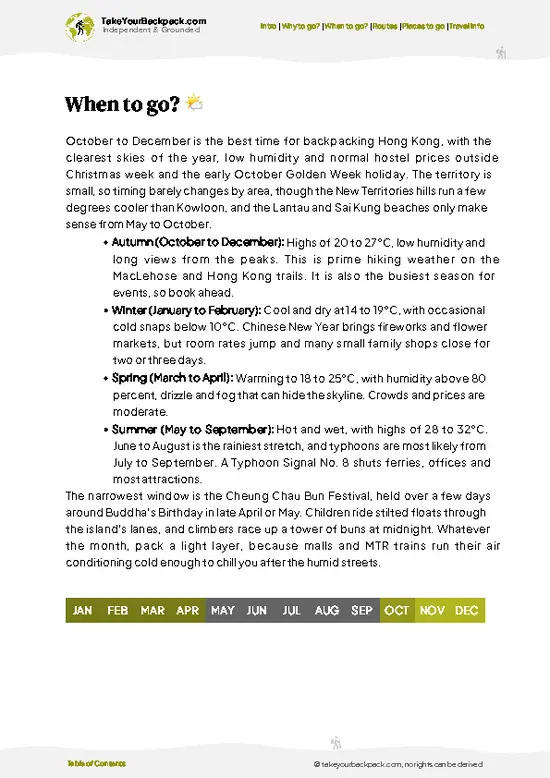
source: climatestotravel.comJANJanuary: good for travelingFEBFebruary: good for travelingMARMarch: highly recommended for travelingAPRApril: excellent for travelingMAYMay: excellent for travelingJUNJune: good for travelingJULJuly: fair for travelingAUGAugust: fair for travelingSEPSeptember: highly recommended for travelingOCTOctober: highly recommended for travelingNOVNovember: excellent for travelingDECDecember: highly recommended for traveling
when-to-go

✈️ The backpacker research shortcutHong Kong Travel Guide

An offline-friendly backpacking guide with optimized travel routes, ranked highlights, transport advice, and the best areas to stay.
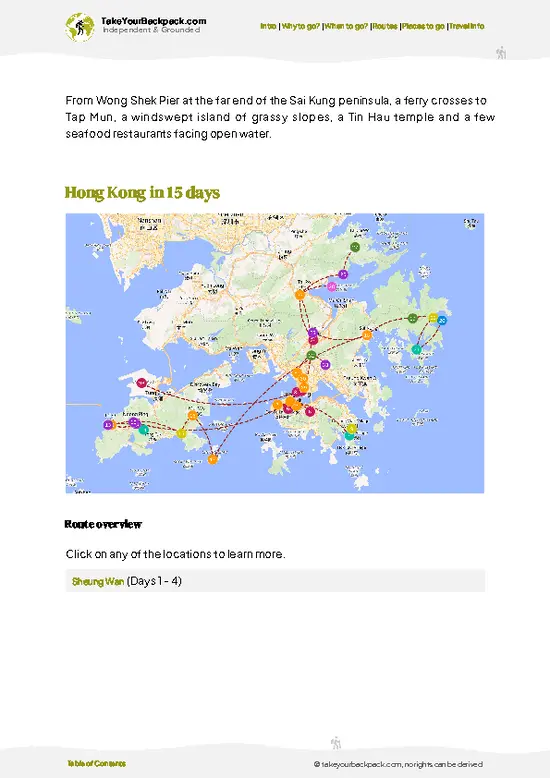
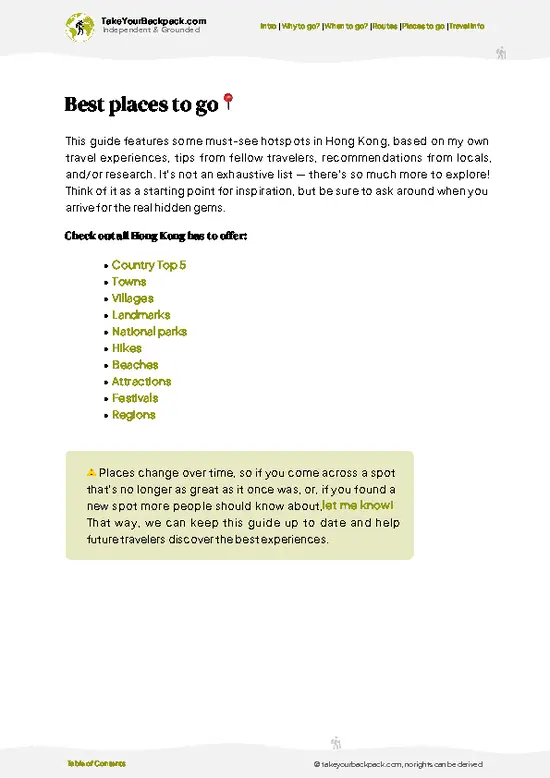
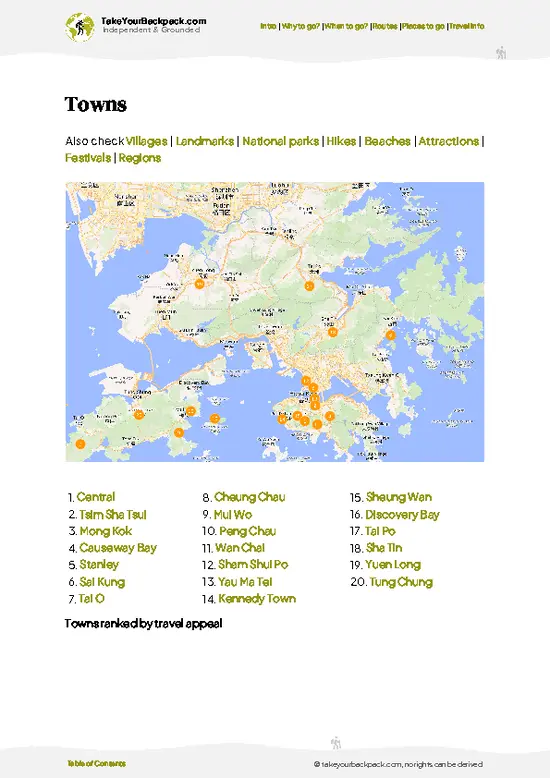
example page 0 from our offline Travel Guide for Hong Kong
example page 1 from our offline Travel Guide for Hong Kong
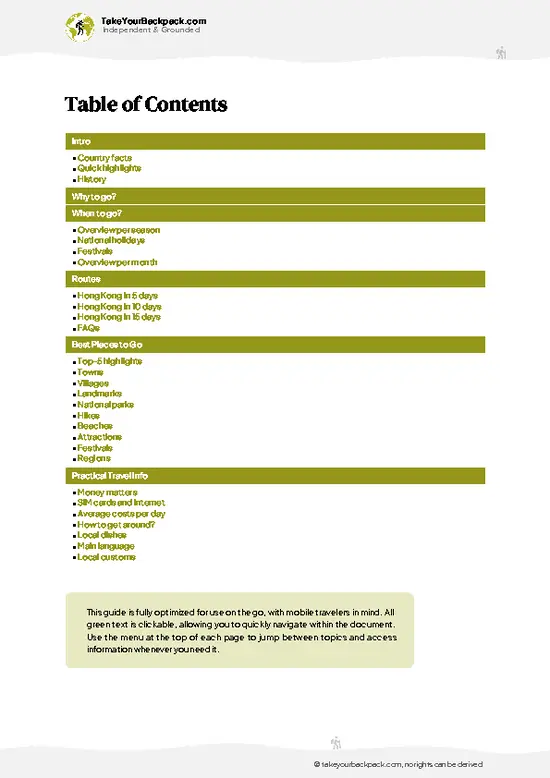
example page 2 from our offline Travel Guide for Hong Kong
example page 3 from our offline Travel Guide for Hong Kong
example page 4 from our offline Travel Guide for Hong Kong
example page 5 from our offline Travel Guide for Hong Kong
example page 6 from our offline Travel Guide for Hong Kong
example page 7 from our offline Travel Guide for Hong Kong
The digital guide (357 pages) contains:
98 highlights, ranked by travel appeal
Optimized 5, 10 & 15-day travel routes
Cities, national parks, landmarks, beaches
How to get around
Offline-friendly for travel without Wi-Fi
👉 Click to see all 30+ guide features

📅 Plan smarter in minutes, not weeks
Month by month travel advice
Festivals & national holidays
Budget expectations

🗺️ Go to the right places, skip the overrated ones
Honest pros & cons of destinations
Top hikes, parks & viewpoints
Lesser-known places most travelers miss
Clear “worth it vs skip it” guidance

🛏️ Travel smoothly without rookie mistakes
Best areas to stay
Transport systems explained simply
Common scams & safety advice
SIM cards, money & practical tips

🌍 Understand the country, not just visit it
Culture & traditions
52 Essential phrases & customs
Festivals worth planning around
Traveler-friendly historical context
Insights that make places more meaningful

📱 Built for real travel conditions
Fully downloadable PDF
Works completely offline
Optimized for phone use
Useful in remote areas & buses
Everything in one place
Save weeks of stressful planning
Get instant access to your full guide. 30‑day money-back guarantee.
+ Add another guide for just US$7.80

By proceeding you agree to our terms.
Sent to your inbox immediately after payment • 100% Secure Checkout
Best Backpacking Travel Advisor 2025 tourism awardBest Backpacking
Travel Advisor
2025
What others say about Take Your Backpack Guides:
⭐⭐⭐⭐⭐
Fantastic, amazing amount of information!
⭐⭐⭐⭐⭐
My goodness this is amazing, it's what I've been looking for hats off too you!
⭐⭐⭐⭐⭐
I think this is absolutely BRILLIANT
⭐⭐⭐⭐
Very complete and informative. It's still missing places, but I gotta to commend you
⭐⭐⭐⭐⭐
This is truly amazing, thank you, can't wait to explore it with my kids!
⭐⭐⭐⭐⭐
Awesome resource, thank you!
⭐⭐⭐⭐⭐
This is amazing! Can't wait to explore the ones I haven't seen
⭐⭐⭐⭐
I love this! Well done, great idea.
⭐⭐⭐⭐⭐
Thanks for taking the time to make this gem!
⭐⭐⭐⭐⭐
This might be the best website I've ever seen.
⭐⭐⭐⭐⭐
Congratulations, and thank you so much for your work; it's incredibly valuable.
⭐⭐⭐⭐
In all seriousness I think you did a great job pointing out the important spots
⭐⭐⭐⭐⭐
10/10 very good
⭐⭐⭐⭐⭐
As someone who's only just starting to visit regularly this is awesome, thank you.
⭐⭐⭐⭐
Thank you very much! I'm going to visit my dad, it's going to be very useful!
⭐⭐⭐⭐⭐
This is really cool! We'll be travelling for the first time and this definitely come in handy.
⭐⭐⭐⭐⭐
You are now our minister of culture, congratulations 👨‍💼
⭐⭐⭐⭐⭐
Just wanted to tell you that this is a pearl! Going to follow your recommendations.
⭐⭐⭐⭐⭐
This is so cool. I'll definitely be using the resource for my travels soon.
⭐⭐⭐⭐⭐
This is very impressive! Good work.
⭐⭐⭐⭐⭐
This is an amazing and informative site. Very well done!

🛏️ Where to stay?Where staying makes the most sense

Hong Kong Palace Museum sits in the West Kowloon Cultural District, a spot that’s part new, part still finding its feet. If you’re chasing the Instagram-perfect vibe, you’ll find crowds here, especially on weekends and holidays. It’s not a secret, and it’s not a quiet retreat. The ticket prices and nearby dining can lean toward the pricey side, thanks to the upscale makeover of the area. But here’s the real deal: the museum’s collection is a heavyweight in Asian art, and the district’s waterfront views and public spaces offer a surprisingly chill backdrop once you step off the main drag.

For … read more 👉
Hong Kong Palace Museum sits in the West Kowloon Cultural District, a spot that’s part new, part still finding its feet. If you’re chasing the Instagram-perfect vibe, you’ll find crowds here, especially on weekends and holidays. It’s not a secret, and it’s not a quiet retreat. The ticket prices and nearby dining can lean toward the pricey side, thanks to the upscale makeover of the area. But here’s the real deal: the museum’s collection is a heavyweight in Asian art, and the district’s waterfront views and public spaces offer a surprisingly chill backdrop once you step off the main drag.

For backpackers, the best places to crash are a short hop away in neighborhoods like Tsim Sha Tsui and Mong Kok. Tsim Sha Tsui is a classic choice—safe, packed with budget guesthouses, and buzzing with fellow travelers. It’s social without being overwhelming, and you’re a quick MTR ride or a scenic walk across the harbor to the museum. Mong Kok, on the other hand, is rawer, louder, and more chaotic, perfect if you want to dive into street markets and local eats after your museum visit. Both areas have solid transport links, so you’re never stuck.

Skip the immediate museum vicinity for lodging; it’s newer, pricier, and quieter—great if you want peace but lousy if you want to meet people or save cash. Stick to Tsim Sha Tsui or Mong Kok to keep your wallet intact and your social game strong.

👛 Costs (as of 4 September 2026)How expensive it really is

As of March 2026, the Hong Kong Palace Museum offers several ticket options:

- General Admission Ticket: Provides access to thematic exhibitions in Galleries 1 to 7.
- Timed Entry Ticket: HK$70 for adults and HK$35 for concessions.
- Flex Entry Ticket: HK$90 for adults and HK$45 for concessions.

- Special Exhibition Ticket: Grants access to special exhibitions in Gallery 8 and all thematic exhibitions.
- Regular Ticket: HK$150 for adults and HK$75 for concessions.
- Flex Ticket: HK$180 for adults and HK$90 for concessions.

Concessions apply to children aged 7 to 11, full-time students, seniors aged 60 and above, persons with disabilities (with one companion), and CSSA recipients. Entry is free for children aged 6 and under. ([hkpm.org.hk](https://www.hkpm.org.hk/en/visit/ticket?utm_source=openai))
read more 👉
As of March 2026, the Hong Kong Palace Museum offers several ticket options:

- General Admission Ticket: Provides access to thematic exhibitions in Galleries 1 to 7.
- Timed Entry Ticket: HK$70 for adults and HK$35 for concessions.
- Flex Entry Ticket: HK$90 for adults and HK$45 for concessions.

- Special Exhibition Ticket: Grants access to special exhibitions in Gallery 8 and all thematic exhibitions.
- Regular Ticket: HK$150 for adults and HK$75 for concessions.
- Flex Ticket: HK$180 for adults and HK$90 for concessions.

Concessions apply to children aged 7 to 11, full-time students, seniors aged 60 and above, persons with disabilities (with one companion), and CSSA recipients. Entry is free for children aged 6 and under. ([hkpm.org.hk](https://www.hkpm.org.hk/en/visit/ticket?utm_source=openai))

Please note that ticket prices are subject to change. For the most current information, refer to the official Hong Kong Palace Museum website.


source: hkpm.org.hk
⚠️ Prices can change and everyone travels differently, so take this as a rough guide. Hope it helps you plan your adventure!

FAQTraveler FAQ

2 to 3 hours is sufficient to explore the Hong Kong Palace Museum thoroughly. This allows time to view the main exhibitions and appreciate the architecture without rushing. Allocate extra time if you want to join guided tours or attend special events.
Yes, the Hong Kong Palace Museum is worth the entrance fee of HKD 10 for standard admission. It offers a unique collection of Chinese art and cultural artifacts, many of which are rare and not easily seen elsewhere. The museum's modern design and interactive displays add value to the experience.
Take the MTR to the West Kowloon Station, then follow signs to the museum located within the West Kowloon Cultural District. The museum is about a 5-minute walk from the station exit. Buses and taxis also serve the area, but the MTR is the most convenient for backpackers.
⚠️ Things can change over time, so always validate details locally before you go.

Other Hong Kongese attractions near Hong Kong Palace Museum

Explore more nearby:


💡 Not sure where to go next?
Create a personalized itinerary for Hong Kong including Hong Kong Palace Museum and the places that fit your trip.

Generate my itinerary

👉 Discover all attractions

Or checkout all Hong Kong has to offer (think cities, towns, villages, national parks, hikes, beaches, festivals)
Country photo of Hong Kong

We 💚 feedbackFinal thoughts on visiting Hong Kong Palace Museum

Hong Kong Palace Museum isn’t your typical quiet art stop. Expect crowds, especially on weekends, and yes, the entry isn’t dirt cheap. But here’s the kicker: the way it stitches China’s imperial treasures into Hong Kong’s skyline is something you won’t get anywhere else. The jade carvings and ancient scrolls feel alive, like they’re whispering stories just beneath the polished glass. If you can time it right—weekday mornings are gold—you’ll catch that rare moment when history feels immediate, not staged.

✍️ Help improve this page!
The information on this page is based on in-depth research, insights shared by experienced travelers, and feedback from the local travel community in Hong Kong. While every effort is made to keep the information accurate and current, conditions can change — so if you spot anything incorrect or outdated, please get in touch.


🙋‍♂️ Give feedback

👋 Meet the founderWho’s Behind Take Your Backpack?

Johan, backpacker and founder of TakeYourBackpackHi, I’m Johan (Netherlands 🇳🇱), the creator of TakeYourBackpack. Over the past decade, I’ve backpacked through 80+ countries across six continents, gaining extensive experience with independent travel, long-term trips, and overland routes.

This site is built on a combination of firsthand travel experience and carefully curated insights from other backpackers. Many guides are based on places I’ve personally visited, while others bring together tips, observations, and practical advice shared by trusted travelers I’ve met along the way.

The goal is to provide realistic, experience-driven guidance — not generic itineraries — so you can explore destinations with better context, clearer expectations, and more confidence.

Get full Hong Kong guide •
Instant download • 98 highlights • Full Offline guide