×

Hong Kong🇭🇰 | landmarksNgong Ping 360Cable car ride, panoramic mountain views, glass-bottom cabins | things to do and best time to go

Explore Kowloon City DistrictExplore Tai Mei Tuk

Backpacking in Ngong Ping 360
🏆 Top pickunique site ranked #2
By Johan Kruseman 🇳🇱 | Updated July 30, 2026

Your cable car shudders slightly as it clears the last tower, and suddenly the airport drops away behind you and it’s just wind in your ears, steel cables humming, and a sheet of glass under your boots showing the green spine of Lantau Island falling into the sea. That’s Ngong Ping 360, running from Tung Chung on northwest Lantau up to the Ngong Ping plateau, way out from central Hong Kong’s skyscraper core. For backpackers, it’s a weird mix: part theme-park queue, part genuinely wild horizon. The views over the South China Sea and the Big Buddha are huge, the photo angles are ridiculous, and the ride itself is a rush, especially in a crystal cabin. But it’s pricey, heavily packaged, and absolutely not a secret; tour groups and school trips kill any illusion of solitude. Still, if you want a fast, dramatic hit of Hong Kong’s mountains-meet-megacity personality, this is it.

Discover everything you want to know in the 📖 Hong Kong Travel Guide.
Loading the map 🌍
CLICK TO FILTER
towns
landmarks
national parks
hikes
beaches
attractions
festivals
regions
SHOW COUNTRY’S BESTSHOW ALL

✨ Why go?
Ranked #2 unique site in Hong Kong
What makes this unique site worth visiting

Ngong Ping 360 isn’t just another tourist trap; it’s a gateway to the real Hong Kong. Sure, you’ll face crowds—especially on weekends—but the experience is worth it. The cable car ride offers breathtaking views of Lantau Island, the South China Sea, and the iconic Big Buddha. It’s a unique way to ascend, and the thrill of gliding above lush landscapes is hard to beat.

Once you reach the top, you’re not just staring at a statue; you’re stepping into a cultural experience. The Ngong Ping village has a few shops and eateries, but the real magic lies in the surrounding trails. Hike to Wisdom Path for a moment of peace, or explore the nearby Tian Tan Buddha for a deeper connection to the local culture.

Accessibility is a breeze; the MTR takes you to Tung Chung, where the cable car station is … read more 👉
Ngong Ping 360 isn’t just another tourist trap; it’s a gateway to the real Hong Kong. Sure, you’ll face crowds—especially on weekends—but the experience is worth it. The cable car ride offers breathtaking views of Lantau Island, the South China Sea, and the iconic Big Buddha. It’s a unique way to ascend, and the thrill of gliding above lush landscapes is hard to beat.

Once you reach the top, you’re not just staring at a statue; you’re stepping into a cultural experience. The Ngong Ping village has a few shops and eateries, but the real magic lies in the surrounding trails. Hike to Wisdom Path for a moment of peace, or explore the nearby Tian Tan Buddha for a deeper connection to the local culture.

Accessibility is a breeze; the MTR takes you to Tung Chung, where the cable car station is just a short walk away. At around HKD 200 for a round trip, it’s a low-cost adventure that fits perfectly into a broader itinerary. Pair it with a visit to Tai O fishing village or a trek on Lantau Trail, and you’ve got a day that’s both rewarding and authentic.
Want to include Ngong Ping 360 in your Hong Kong route?
Create a personalized Hong Kong itinerary that includes Ngong Ping 360 and the places that fit your trip — based on your travel style, budget, and available time. Get your route in seconds.

Generate my trip

💡 HighlightsPlaces and moments you shouldn't skip

  • Ngong Ping Cable Car (including the Crystal Cabin): A 25-minute, 5.7 km aerial ride that’s the signature approach — you glide over Lantau’s hills, the airport and open sea. The glass-floor “Crystal Cabin” is a thrill for budget travelers who want dramatic views without the splurge of a helicopter.
  • Tian Tan Buddha (Big Buddha): The 34-m bronze Buddha is an iconic symbol of peace and one of Hong Kong’s must-see sights. Climb the 268 steps to stand beside it and get a powerful sense of scale against the surrounding mountains and sky.
  • Po Lin Monastery: Founded in the early 1900s, this ornate monastery is a living religious site with carved halls, incense-filled courtyards and a calm atmosphere. Don’t miss the simple, excellent vegetarian meals — cheap, filling and part of the cultural experience.
read more 👉
  • Ngong Ping Cable Car (including the Crystal Cabin): A 25-minute, 5.7 km aerial ride that’s the signature approach — you glide over Lantau’s hills, the airport and open sea. The glass-floor “Crystal Cabin” is a thrill for budget travelers who want dramatic views without the splurge of a helicopter.
  • Tian Tan Buddha (Big Buddha): The 34-m bronze Buddha is an iconic symbol of peace and one of Hong Kong’s must-see sights. Climb the 268 steps to stand beside it and get a powerful sense of scale against the surrounding mountains and sky.
  • Po Lin Monastery: Founded in the early 1900s, this ornate monastery is a living religious site with carved halls, incense-filled courtyards and a calm atmosphere. Don’t miss the simple, excellent vegetarian meals — cheap, filling and part of the cultural experience.
  • Wisdom Path: A meditative, photogenic installation of 38 timber steles arranged in a figure-eight, each carved with the Heart Sutra. It’s quiet, outdoorsy and perfect for a reflective stroll away from the crowds.
  • Ngong Ping Village & Cultural Displays: A compact village with traditional-style architecture, souvenir craft stalls, small exhibits and occasional street performances. It’s touristy but useful: food, tea houses and a few authentic craft demonstrations make it worth a wander.
  • Lantau hikes (Lantau Peak & nearby trails): Ngong Ping is the jump-off for serious, scenic hiking. Lantau Peak (934 m) and the Lantau Trail give sunrise/sunset panoramas that outshine many city viewpoints. Bring water and decent shoes—the payoff is spectacular.
  • Ngong Ping Piazza & Viewing Spots: The open plaza around the Big Buddha offers excellent photo angles and a chance to catch small cultural events or ceremonies. It’s the best place to watch how light and weather change the whole scene — sunrise and late afternoon are magic.
Spotted a mistake or missing something? Contact us.

Things to do around Ngong Ping 360

Ratings based on Tripadvisor reviews. When you book through this link, you support our work at no extra cost to you.

🌤️ When to go?When to go for the best experience


  • Weather: Hong Kong’s subtropical climate means summers (June to August) are hot and sticky, often hitting 28-32°C (82-90°F) with heavy rain and typhoons. Winters (December to February) are mild and dry, around 14-20°C (57-68°F), making it far more comfortable for hiking and exploring Ngong Ping 360.

  • Temperature: If you want to avoid sweating buckets or getting drenched, aim for late autumn or winter. Spring (March to May) is pleasant but can be humid, while summer’s heat can sap your energy fast.

  • Daylight Hours: Longer days from April to September give you more time to soak in the views and explore the surrounding trails. In winter, expect shorter daylight, which means a tighter schedule if you want to catch the sunset from the cable car.

  • Crowds: Weekends and public holidays pack
read more 👉

  • Weather: Hong Kong’s subtropical climate means summers (June to August) are hot and sticky, often hitting 28-32°C (82-90°F) with heavy rain and typhoons. Winters (December to February) are mild and dry, around 14-20°C (57-68°F), making it far more comfortable for hiking and exploring Ngong Ping 360.

  • Temperature: If you want to avoid sweating buckets or getting drenched, aim for late autumn or winter. Spring (March to May) is pleasant but can be humid, while summer’s heat can sap your energy fast.

  • Daylight Hours: Longer days from April to September give you more time to soak in the views and explore the surrounding trails. In winter, expect shorter daylight, which means a tighter schedule if you want to catch the sunset from the cable car.

  • Crowds: Weekends and public holidays pack Ngong Ping 360 with tourists, especially from mainland China. Early weekdays in the off-peak season (January to March) offer a quieter, more authentic experience without the selfie-stick chaos.

  • Seasonal Activities: Chinese New Year (January/February) brings festive decorations and events but also crowds and higher prices. Autumn hosts the Mid-Autumn Festival, which lights up the area but again, expect throngs of visitors.

  • Price Fluctuations: Peak tourist seasons and holidays push cable car and attraction prices up. Booking in advance during off-peak times can save you a decent chunk, but last-minute visits in summer or festival periods will cost more and test your patience.


Pro-tip: Visit on a crisp weekday morning between November and February to dodge the heat, crowds, and inflated prices—this is when Ngong Ping 360 feels like it’s just for you.


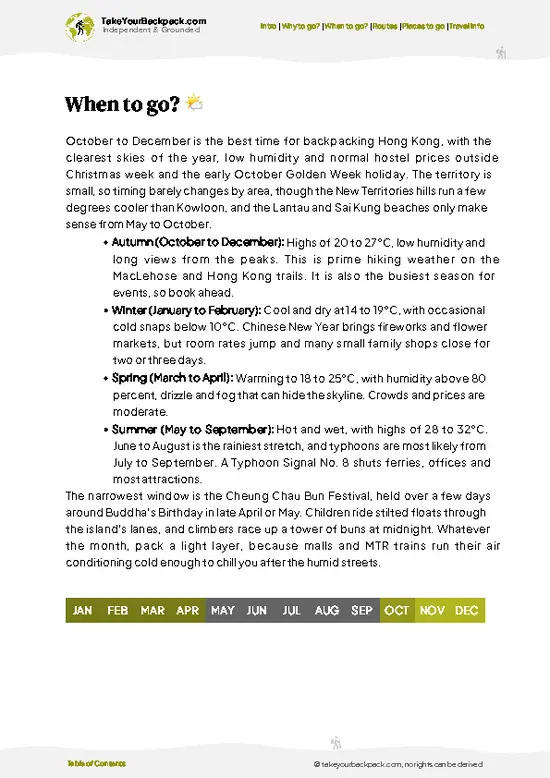
source: climatestotravel.comJANJanuary: highly recommended for travelingFEBFebruary: good for travelingMARMarch: highly recommended for travelingAPRApril: highly recommended for travelingMAYMay: good for travelingJUNJune: fair for travelingJULJuly: below average for travelingAUGAugust: below average for travelingSEPSeptember: good for travelingOCTOctober: highly recommended for travelingNOVNovember: excellent for travelingDECDecember: excellent for traveling
when-to-go

✈️ The backpacker research shortcutHong Kong Travel Guide

An offline-friendly backpacking guide with optimized travel routes, ranked highlights, transport advice, and the best areas to stay.
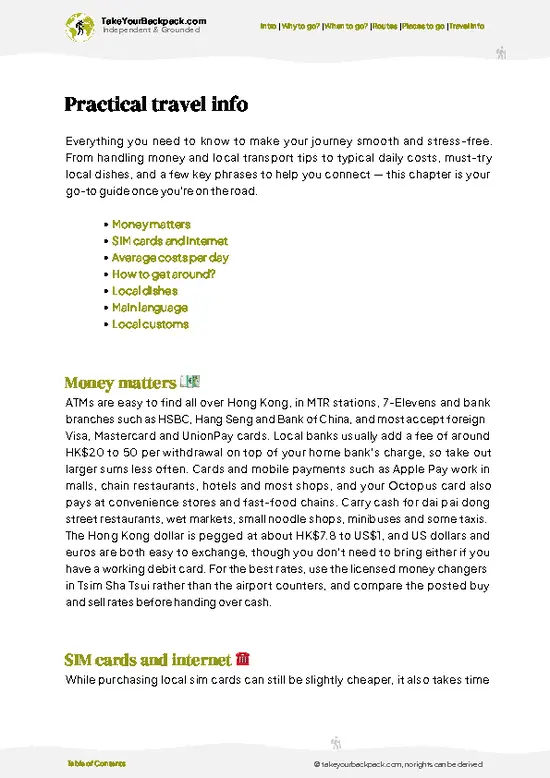
example page 0 from our offline Travel Guide for Hong Kong
example page 1 from our offline Travel Guide for Hong Kong
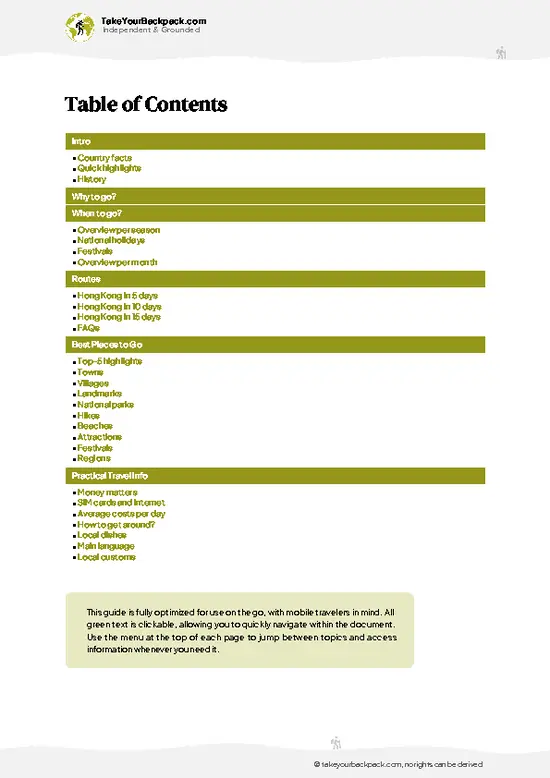
example page 2 from our offline Travel Guide for Hong Kong
example page 3 from our offline Travel Guide for Hong Kong
example page 4 from our offline Travel Guide for Hong Kong
example page 5 from our offline Travel Guide for Hong Kong
example page 6 from our offline Travel Guide for Hong Kong
example page 7 from our offline Travel Guide for Hong Kong
The digital guide (357 pages) contains:
98 highlights, ranked by travel appeal
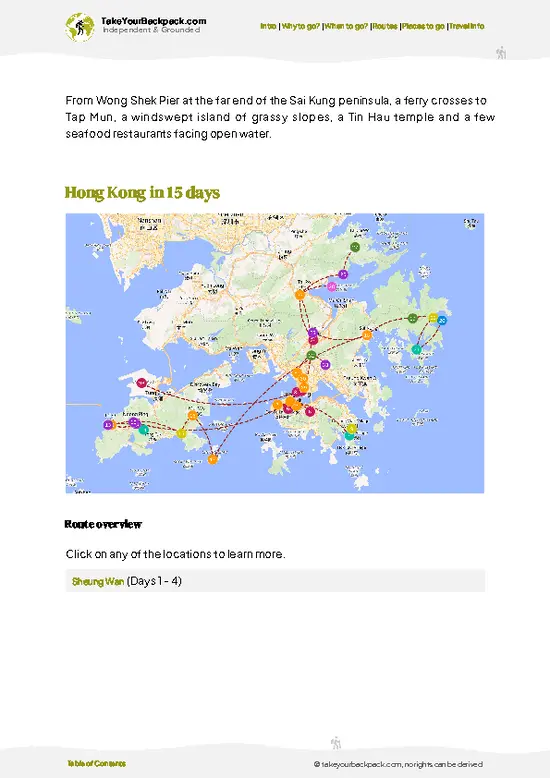
Optimized 5, 10 & 15-day travel routes
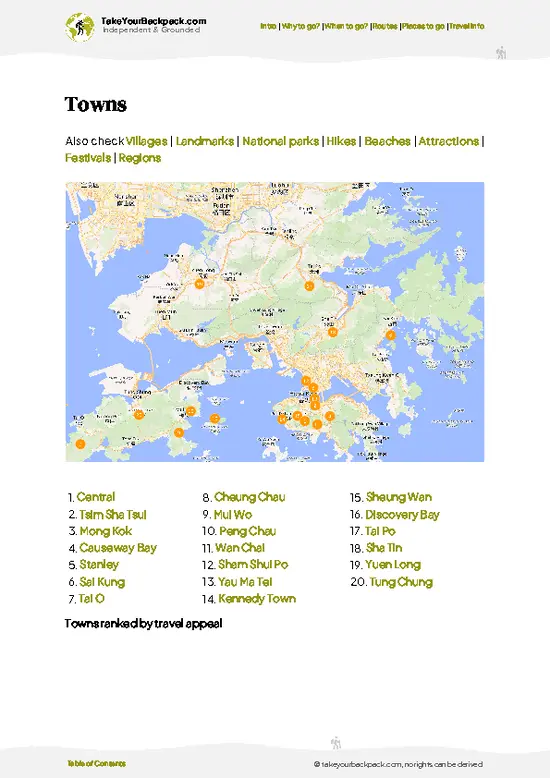
Cities, national parks, landmarks, beaches
How to get around
Offline-friendly for travel without Wi-Fi
👉 Click to see all 30+ guide features

📅 Plan smarter in minutes, not weeks
Month by month travel advice
Festivals & national holidays
Budget expectations

🗺️ Go to the right places, skip the overrated ones
Honest pros & cons of destinations
Top hikes, parks & viewpoints
Lesser-known places most travelers miss
Clear “worth it vs skip it” guidance

🛏️ Travel smoothly without rookie mistakes
Best areas to stay
Transport systems explained simply
Common scams & safety advice
SIM cards, money & practical tips

🌍 Understand the country, not just visit it
Culture & traditions
52 Essential phrases & customs
Festivals worth planning around
Traveler-friendly historical context
Insights that make places more meaningful

📱 Built for real travel conditions
Fully downloadable PDF
Works completely offline
Optimized for phone use
Useful in remote areas & buses
Everything in one place
Save weeks of stressful planning
Get instant access to your full guide. 30‑day money-back guarantee.


By proceeding you agree to our terms.
Sent to your inbox immediately after payment • 100% Secure Checkout
Best Backpacking Travel Advisor 2025 tourism awardBest Backpacking
Travel Advisor
2025
What others say about Take Your Backpack Guides:
⭐⭐⭐⭐⭐
Fantastic, amazing amount of information!
⭐⭐⭐⭐⭐
My goodness this is amazing, it's what I've been looking for hats off too you!
⭐⭐⭐⭐⭐
I think this is absolutely BRILLIANT
⭐⭐⭐⭐
Very complete and informative. It's still missing places, but I gotta to commend you
⭐⭐⭐⭐⭐
This is truly amazing, thank you, can't wait to explore it with my kids!
⭐⭐⭐⭐⭐
Awesome resource, thank you!
⭐⭐⭐⭐⭐
This is amazing! Can't wait to explore the ones I haven't seen
⭐⭐⭐⭐
I love this! Well done, great idea.
⭐⭐⭐⭐⭐
Thanks for taking the time to make this gem!
⭐⭐⭐⭐⭐
This might be the best website I've ever seen.
⭐⭐⭐⭐⭐
Congratulations, and thank you so much for your work; it's incredibly valuable.
⭐⭐⭐⭐
In all seriousness I think you did a great job pointing out the important spots
⭐⭐⭐⭐⭐
10/10 very good
⭐⭐⭐⭐⭐
As someone who's only just starting to visit regularly this is awesome, thank you.
⭐⭐⭐⭐
Thank you very much! I'm going to visit my dad, it's going to be very useful!
⭐⭐⭐⭐⭐
This is really cool! We'll be travelling for the first time and this definitely come in handy.
⭐⭐⭐⭐⭐
You are now our minister of culture, congratulations 👨‍💼
⭐⭐⭐⭐⭐
Just wanted to tell you that this is a pearl! Going to follow your recommendations.
⭐⭐⭐⭐⭐
This is so cool. I'll definitely be using the resource for my travels soon.
⭐⭐⭐⭐⭐
This is very impressive! Good work.
⭐⭐⭐⭐⭐
This is an amazing and informative site. Very well done!

🛏️ Where to stay?Where staying makes the most sense

Staying near Ngong Ping 360 in Hong Kong can be a mixed bag. The crowds? Expect them. Tourists flock here for the cable car ride and the Big Buddha, so don’t be surprised if you’re sharing the space with a few hundred others. But don’t let that deter you; there are some solid spots to lay your head.

First up, consider Tung Chung. It’s just a short ride from Ngong Ping and has a good mix of budget accommodations. You’ll find a lively atmosphere, with plenty of eateries and shops. Plus, it’s a hub for travelers, making it easy to meet fellow backpackers. The vibe is casual, and you can grab a quick … read more 👉
Staying near Ngong Ping 360 in Hong Kong can be a mixed bag. The crowds? Expect them. Tourists flock here for the cable car ride and the Big Buddha, so don’t be surprised if you’re sharing the space with a few hundred others. But don’t let that deter you; there are some solid spots to lay your head.

First up, consider Tung Chung. It’s just a short ride from Ngong Ping and has a good mix of budget accommodations. You’ll find a lively atmosphere, with plenty of eateries and shops. Plus, it’s a hub for travelers, making it easy to meet fellow backpackers. The vibe is casual, and you can grab a quick meal before heading out for the day.

Another option is Lantau Island itself. Staying in places like Mui Wo gives you a more laid-back experience. Here, you can escape the tourist rush and soak in the local culture. The beaches are a bonus, and the hiking trails are right at your doorstep.

Both areas are safe and welcoming, perfect for solo travelers. Just remember, the real magic lies in the journey, not just the destination. Embrace the chaos, and you’ll find the authentic side of Hong Kong waiting for you.

👛 Costs (as of 30 July 2026)Money, prices, and spending tips

Visiting Ngong Ping 360 in Hong Kong can be a mixed bag of costs, but knowing what to expect helps you plan better.
  • Ticket Prices: A round-trip ticket for the Ngong Ping cable car typically ranges from $25 to $35 USD. Prices vary based on whether you choose standard or crystal cabin options. The crystal cabins have a glass floor, offering a unique view, but they come at a premium.
  • Food and Drinks: Expect to spend around $10 to $20 USD per meal at the eateries in Ngong Ping Village. The options are limited, and while you can find some decent local dishes, don’t expect gourmet dining. Bring snacks if you want to save a few bucks.
  • Souvenirs: If you’re looking to take home a piece of the experience, budget about $5 to $30 USD for souvenirs. The shops sell everything from keychains to traditional
read more 👉
Visiting Ngong Ping 360 in Hong Kong can be a mixed bag of costs, but knowing what to expect helps you plan better.
  • Ticket Prices: A round-trip ticket for the Ngong Ping cable car typically ranges from $25 to $35 USD. Prices vary based on whether you choose standard or crystal cabin options. The crystal cabins have a glass floor, offering a unique view, but they come at a premium.
  • Food and Drinks: Expect to spend around $10 to $20 USD per meal at the eateries in Ngong Ping Village. The options are limited, and while you can find some decent local dishes, don’t expect gourmet dining. Bring snacks if you want to save a few bucks.
  • Souvenirs: If you’re looking to take home a piece of the experience, budget about $5 to $30 USD for souvenirs. The shops sell everything from keychains to traditional crafts. Just be mindful of the quality; some items are overpriced.
  • Transportation: Getting to Ngong Ping involves a bit of travel. The MTR to Tung Chung costs around $2 to $5 USD, and then you’ll need to factor in the cable car fare. If you opt for a taxi, expect to pay around $20 to $30 USD from central areas.
  • Attractions: Beyond the cable car, visiting the Big Buddha and Po Lin Monastery is free, but donations are appreciated. If you want to participate in any guided tours or special experiences, those can range from $10 to $50 USD.

Understanding these costs helps you navigate the experience without getting caught off guard. Ngong Ping 360 offers stunning views and cultural insights, but it’s essential to be prepared for the expenses involved.
⚠️ Prices can change and everyone travels differently, so take this as a rough guide. Hope it helps you plan your adventure!

Other Hong Kongese landmarks near Ngong Ping 360

Explore more nearby:


💡 Not sure where to go next?
Create a personalized itinerary for Hong Kong including Ngong Ping 360 and the places that fit your trip.

Generate my itinerary

👉 Discover all landmarks

Or checkout all Hong Kong has to offer (think cities, towns, villages, national parks, hikes, beaches, festivals)
Country photo of Hong Kong

We 💚 feedbackKey takeaways before you go

Ngong Ping 360 can feel like a tourist circus, especially on weekends. Crowds swarm, and the prices can sting. But here’s the kicker: once you escape the throngs, the vibe shifts. The Big Buddha is awe-inspiring, and the surrounding trails offer a serene contrast to the chaos. Don’t miss the little tea houses tucked away; they serve a killer cup of oolong. Just be ready for the hike back down—it’s steep, but the views are worth every drop of sweat.

✍️ Help improve this page!
The information on this page is based on in-depth research, insights shared by experienced travelers, and feedback from the local travel community in Hong Kong. While every effort is made to keep the information accurate and current, conditions can change — so if you spot anything incorrect or outdated, please get in touch.


🙋‍♂️ Give feedback

👋 Meet the founderWho’s Behind Take Your Backpack?

Johan, backpacker and founder of TakeYourBackpackHi, I’m Johan (Netherlands 🇳🇱), the creator of TakeYourBackpack. Over the past decade, I’ve backpacked through 80+ countries across six continents, gaining extensive experience with independent travel, long-term trips, and overland routes.

This site is built on a combination of firsthand travel experience and carefully curated insights from other backpackers. Many guides are based on places I’ve personally visited, while others bring together tips, observations, and practical advice shared by trusted travelers I’ve met along the way.

The goal is to provide realistic, experience-driven guidance — not generic itineraries — so you can explore destinations with better context, clearer expectations, and more confidence.

Get full Hong Kong guide •
Instant download • 98 highlights • Full Offline guide