×

Hong Kong🇭🇰 | regionsTsing Yicontainer port, residential estates, harbor views, local markets | things to do and best time to go

Explore Cheung Chau IslandExplore Tsuen Wan

Backpacking in Tsing Yi
👌 Worth visitingregion ranked #4
By Johan Kruseman 🇳🇱 | Updated September 4, 2026

A plastic stool wobbles under you as the ferry’s diesel engine coughs awake, and the air smells like brine and fish balls. You’re elbow-to-elbow with a grandmother hauling groceries, a student glued to her phone, and a construction worker asleep before the boat even leaves the dock. This is Tsing Yi—wedged between the glass-and-steel sprawl of Kowloon and the industrial arteries of Tsuen Wan, but a world apart in tempo.

Tsing Yi isn’t the Hong Kong you see on postcards. It’s a working-class island with a backbone of container ports and high-rises, but it’s also got secret pockets of green—like the Tsing Yi Nature Trail, where you can watch container ships glide past banyan roots and wild hibiscus. It’s cheap to get here (MTR, ferry, bus—take your pick), and you’ll pay local prices for noodles and snacks. Don’t expect curated Instagram moments or English menus everywhere. The vibe is real, sometimes gritty, but never fake. Compared to the neon chaos of Mong Kok or the tourist-magnet beaches of Lantau, Tsing Yi is for those who want to see how Hong Kong actually lives, not just how it performs.

Discover everything you want to know in the 📖 Hong Kong Travel Guide.
Loading the map 🌍
CLICK TO FILTER
towns
landmarks
national parks
hikes
beaches
attractions
festivals
regions
SHOW COUNTRY’S BESTSHOW ALL

✨ Why go?
Ranked #4 region in Hong Kong
What makes this region worth visiting

Tsing Yi is the kind of place that rewards the patient backpacker who’s not just rushing to tick boxes but wants to savor the layers of Hong Kong beyond the usual skyline shots. Here, you get a rare combo: diverse landscapes within arm’s reach. One moment you’re hiking rugged trails with views of the harbor, the next you’re wandering through local markets or chilling in quiet villages. This mix means you don’t have to keep packing up and moving every day to experience variety—slow travel at its best.

Transport is a secret weapon in Tsing Yi’s favor. It’s a hub with easy connections to the city’s pulse and the outlying islands, so you can pivot between urban buzz and nature escapes without losing hours or energy. That flexibility means you can stretch your budget by choosing when to splurge … read more 👉
Tsing Yi is the kind of place that rewards the patient backpacker who’s not just rushing to tick boxes but wants to savor the layers of Hong Kong beyond the usual skyline shots. Here, you get a rare combo: diverse landscapes within arm’s reach. One moment you’re hiking rugged trails with views of the harbor, the next you’re wandering through local markets or chilling in quiet villages. This mix means you don’t have to keep packing up and moving every day to experience variety—slow travel at its best.

Transport is a secret weapon in Tsing Yi’s favor. It’s a hub with easy connections to the city’s pulse and the outlying islands, so you can pivot between urban buzz and nature escapes without losing hours or energy. That flexibility means you can stretch your budget by choosing when to splurge on convenience and when to embrace a slower pace.

Most importantly, Tsing Yi lets you blend comfort with authenticity. You’re not stuck in tourist zones, but you’re close enough to amenities and transport to avoid the usual backpacker grind. It’s a smart base for anyone who wants to feel like a local while still having the freedom to roam widely.
Want to include Tsing Yi in your Hong Kong route?
Create a personalized Hong Kong itinerary that includes Tsing Yi and the places that fit your trip — based on your travel style, budget, and available time. Get your route in seconds.

Generate my trip

💡 HighlightsTop highlights of Tsing Yi

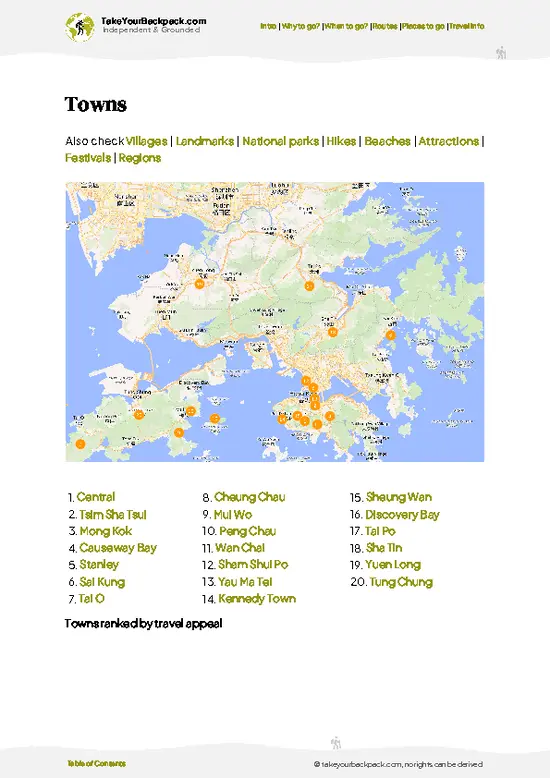
Tsing Yi Nature Trail (青衣自然徑)
This is where you trade a little sweat for a panoramic payoff. The trail snakes up through scrubby hills and rocky outcrops, with the South China Sea and container ships spread out below. You’ll get a full 360-degree view of Hong Kong’s industrial muscle and green lungs colliding. Go at golden hour—locals know the light is best then, and the crowds thin out. Bring water; there’s nowhere to buy it once you’re up there.

Tsing Yi Promenade
A local favorite for evening strolls, this waterfront path hugs the Rambler Channel. You’ll see old-timers practicing tai chi, kids on scooters, and the city’s neon reflection rippling in the water. It’s not flashy, but it’s pure, everyday Hong Kong—especially at dusk when the breeze picks up and the city feels almost gentle.

Sam read more 👉
Tsing Yi Nature Trail (青衣自然徑)
This is where you trade a little sweat for a panoramic payoff. The trail snakes up through scrubby hills and rocky outcrops, with the South China Sea and container ships spread out below. You’ll get a full 360-degree view of Hong Kong’s industrial muscle and green lungs colliding. Go at golden hour—locals know the light is best then, and the crowds thin out. Bring water; there’s nowhere to buy it once you’re up there.

Tsing Yi Promenade
A local favorite for evening strolls, this waterfront path hugs the Rambler Channel. You’ll see old-timers practicing tai chi, kids on scooters, and the city’s neon reflection rippling in the water. It’s not flashy, but it’s pure, everyday Hong Kong—especially at dusk when the breeze picks up and the city feels almost gentle.

Sam Chi Heung (三支香)
Three jagged peaks rise from the island’s western edge. Climb them if you want a real leg-burner and a sense of accomplishment. The third peak is the least crowded and the most rewarding—on a clear day, you’ll see all the way to Lantau. This is where you’ll find the hardcore local hikers, not the Instagram crowd.

Cheung Wang Estate Market
Skip the malls. This is where Tsing Yi’s real flavor lives: steaming dim sum, fresh tofu, and the kind of produce that never makes it to the tourist districts. It’s noisy, a little chaotic, and absolutely worth it if you want to eat like a local for pocket change. Go early for the best selection.

Tsing Yi Park
A classic Hong Kong park, but with a twist: there’s a small lake, pagodas, and a surprising amount of birdlife. It’s a favorite for wedding photos and family picnics. If you want to see how locals unwind, come on a Sunday morning—there’s always a game of chess or a Cantonese opera rehearsal happening under the trees.

Greenfield Garden Rooftop Garden (Hidden Gem)
This one’s for the urban explorers. Tucked atop a residential complex, this rooftop garden is open to the public and offers a rare, peaceful vantage point over the city. Most tourists never find it. Bring a snack, grab a bench, and watch the world go by from above.

Ching Hong Road Cooked Food Market (Hidden Gem)
If you want to eat like you’ve lived here for years, this is your spot. No English menus, just point and smile. Try the claypot rice or the seafood noodles. It’s cheap, loud, and the flavors are the real deal.

Tsing Yi Bamboo Theatre (Hidden Gem, Seasonal)
If you’re lucky enough to be here during festival season, don’t miss this pop-up Cantonese opera stage built entirely from bamboo. It’s a disappearing art form, and the atmosphere—plastic stools, incense, and the clang of gongs—feels like stepping into another era. Check local dates; it’s not year-round.

Maritime Square
Yes, it’s a mall, but hear me out: the nautical theme is over-the-top in a way only Hong Kong can pull off, and the food court is a crash course in local snacks. If you need air-con and a sugar fix, grab a mango mochi and people-watch.

Tsing Yi Sports Ground
Not just for athletes. Locals come here to jog, play football, or just hang out. If you want to see the city’s youth culture in action, swing by in the late afternoon. Sometimes there are community events or open training sessions—jump in if you’re feeling bold.
Spotted a mistake or missing something? Contact us.

Things to do around Tsing Yi

Ratings based on Tripadvisor reviews. When you book through this link, you support our work at no extra cost to you.

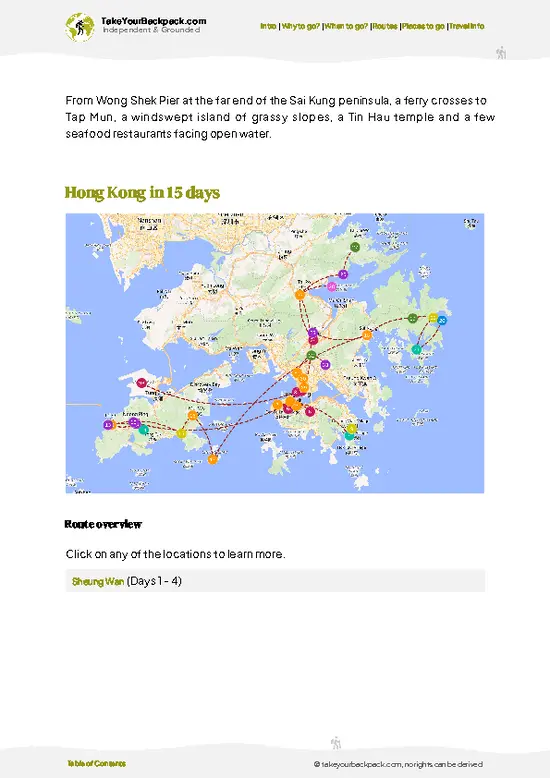
⌛️ 5 daysA smart one-week plan

Day 1: Tsing Yi MTR Hub

Start your journey where the region’s pulse beats strongest: the Tsing Yi MTR station. This is your spine—the main artery connecting you to the rest of Hong Kong and the island’s hidden corners. The MTR here isn’t just transport; it’s your timekeeper. Mastering the rhythm of trains means you’re not wasting minutes waiting but syncing with the city’s flow. Use this day to get a feel for the station’s layout and the bus routes that fan out from here. The Off-Path Reward? Hop off at the nearby Tsing Yi Nature Trail entrance. It’s a quiet, green lung away from the concrete, offering a fresh perspective on the island’s rugged side without straying far from your transport lifeline.

Day 2: Maritime Walk & Container Terminal

Shift gears to the waterfront. The container terminal … read more 👉

Day 1: Tsing Yi MTR Hub

Start your journey where the region’s pulse beats strongest: the Tsing Yi MTR station. This is your spine—the main artery connecting you to the rest of Hong Kong and the island’s hidden corners. The MTR here isn’t just transport; it’s your timekeeper. Mastering the rhythm of trains means you’re not wasting minutes waiting but syncing with the city’s flow. Use this day to get a feel for the station’s layout and the bus routes that fan out from here. The Off-Path Reward? Hop off at the nearby Tsing Yi Nature Trail entrance. It’s a quiet, green lung away from the concrete, offering a fresh perspective on the island’s rugged side without straying far from your transport lifeline.

Day 2: Maritime Walk & Container Terminal

Shift gears to the waterfront. The container terminal is a beast of industry, and watching the choreography of cranes and ships is oddly hypnotic. It’s a reminder that Tsing Yi’s comfort comes with a gritty edge. The buses here run on a tight schedule, so plan your arrival to catch the golden hour light reflecting off the water. This phase is about slowing down to appreciate the industrial heartbeat that powers the region. The trade-off? You’re sacrificing some comfort for raw authenticity, but the payoff is a view few tourists bother to chase.

Day 3: Residential Maze & Local Markets

Now dive into the neighborhoods where locals live and breathe. The bus routes here are less predictable, so embrace a slower pace. This is your wiring—smaller veins connecting you to everyday life. Wander through markets where the language barrier thins and the smells of street food anchor you in the moment. The Off-Path Reward is a tiny dai pai dong (open-air food stall) tucked behind a residential block. It’s where you’ll find the best egg waffles, a sweet comfort after a day of navigating the maze.

Day 4: Tsing Yi Peak & Sunset

Time to climb. The buses and minibuses drop you close to trails leading up to Tsing Yi Peak. This is the payoff for your patience with the slower routes. The hike isn’t long, but the panoramic views of the harbor and city skyline are worth every step. The wiring here is less about speed and more about timing—arrive late afternoon to catch the sunset. The Off-Path Reward? A quiet bench at the summit where locals come to unwind, giving you a moment of shared solitude.

Day 5: Return & Reflect at Maritime Square

Wrap up your trip back near the MTR hub at Maritime Square, a mall that’s more than just shopping. It’s a microcosm of Tsing Yi’s blend of comfort and convenience. Spend your last hours people-watching, grabbing a final local bite, and syncing your watch with the MTR schedule for a smooth exit. This day is your comfort zone, a soft landing after the spine and wiring of the previous days.

Must-Do Day: Day 4. The climb to Tsing Yi Peak is the trip’s soul. It demands time and a bit of effort, but the view and the sunset moment make everything else fall into place. It’s the one experience that justifies the whole trip—proof that mastering the region’s transport and pace unlocks something truly worth your while.
Turn your Tsing Yi visit into an Hong Kong adventure
Build a complete Hong Kong route with Tsing Yi, hidden gems, must-see destinations, and realistic travel times included.

Generate my trip

🌤️ When to go?Choosing the right time of year


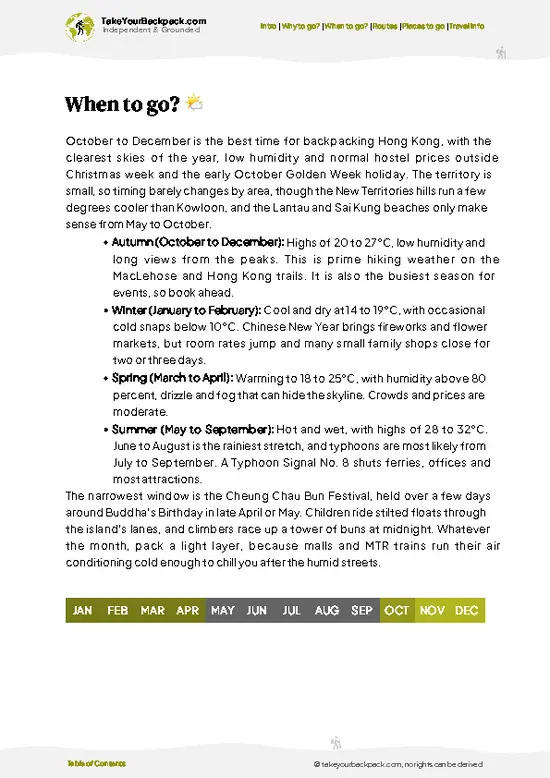
  • Weather: The sweet spot is October to December. You dodge the oppressive summer humidity and the typhoon season that bangs Hong Kong from June through September. Expect dry, crisp days perfect for hiking and exploring Tsing Yi’s waterfront.

  • Temperature: From October to December, temperatures hover between 19°C and 24°C (66°F to 75°F). Comfortable enough to ditch heavy layers but cool enough to avoid sweat-soaked shirts on the trails.

  • Daylight Hours: Autumn and early winter offer about 11 to 12 hours of daylight—enough time to squeeze in a morning hike, a midday market stroll, and a sunset by the harbor without rushing.

  • Crowds: Avoid the Chinese New Year rush in January-February and the Golden Week holidays in early October. Locals travel then, so Tsing Yi’s usually quiet spots get
read more 👉

  • Weather: The sweet spot is October to December. You dodge the oppressive summer humidity and the typhoon season that bangs Hong Kong from June through September. Expect dry, crisp days perfect for hiking and exploring Tsing Yi’s waterfront.

  • Temperature: From October to December, temperatures hover between 19°C and 24°C (66°F to 75°F). Comfortable enough to ditch heavy layers but cool enough to avoid sweat-soaked shirts on the trails.

  • Daylight Hours: Autumn and early winter offer about 11 to 12 hours of daylight—enough time to squeeze in a morning hike, a midday market stroll, and a sunset by the harbor without rushing.

  • Crowds: Avoid the Chinese New Year rush in January-February and the Golden Week holidays in early October. Locals travel then, so Tsing Yi’s usually quiet spots get busy. Late autumn is your best bet for a more local vibe.

  • Seasonal Activities: Autumn brings the Mid-Autumn Festival in September or October—think lanterns and mooncakes, a cultural bonus if you time it right. Spring (March-April) is also nice for wildflowers but watch for occasional rain.

  • Price Fluctuations: Peak tourist seasons (Chinese New Year, Golden Week) spike accommodation and transport costs. Booking in late autumn or early winter can save you a decent chunk without sacrificing experience.


Pro-tip: Arrive midweek during late October or November to catch Tsing Yi’s calmest vibe—locals are at work, tourists are scarce, and the weather plays nice.


source: climatestotravel.comJANJanuary: fair for travelingFEBFebruary: fair for travelingMARMarch: good for travelingAPRApril: good for travelingMAYMay: fair for travelingJUNJune: below average for travelingJULJuly: below average for travelingAUGAugust: below average for travelingSEPSeptember: good for travelingOCTOctober: highly recommended for travelingNOVNovember: excellent for travelingDECDecember: excellent for traveling
when-to-go

✈️ The backpacker research shortcutHong Kong Travel Guide

An offline-friendly backpacking guide with optimized travel routes, ranked highlights, transport advice, and the best areas to stay.
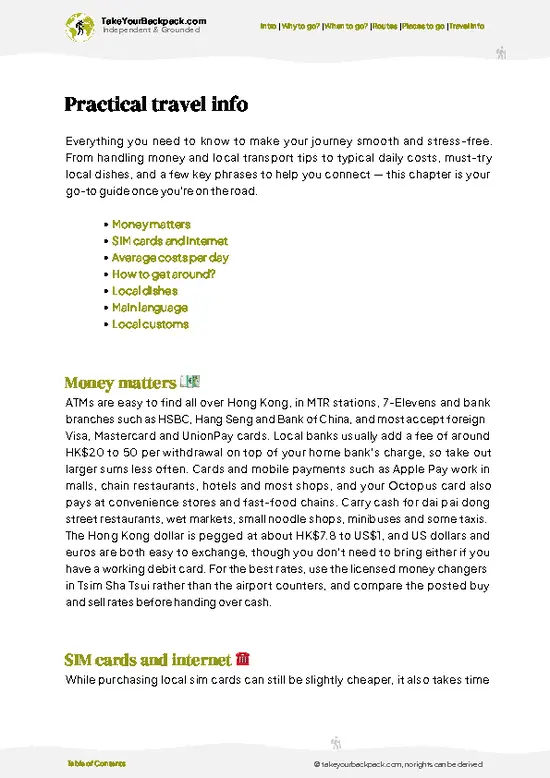
example page 0 from our offline Travel Guide for Hong Kong
example page 1 from our offline Travel Guide for Hong Kong
example page 2 from our offline Travel Guide for Hong Kong
example page 3 from our offline Travel Guide for Hong Kong
example page 4 from our offline Travel Guide for Hong Kong
example page 5 from our offline Travel Guide for Hong Kong
example page 6 from our offline Travel Guide for Hong Kong
example page 7 from our offline Travel Guide for Hong Kong
The digital guide (357 pages) contains:
98 highlights, ranked by travel appeal
Optimized 5, 10 & 15-day travel routes
Cities, national parks, landmarks, beaches
How to get around
Offline-friendly for travel without Wi-Fi
👉 Click to see all 30+ guide features

📅 Plan smarter in minutes, not weeks
Month by month travel advice
Festivals & national holidays
Budget expectations

🗺️ Go to the right places, skip the overrated ones
Honest pros & cons of destinations
Top hikes, parks & viewpoints
Lesser-known places most travelers miss
Clear “worth it vs skip it” guidance

🛏️ Travel smoothly without rookie mistakes
Best areas to stay
Transport systems explained simply
Common scams & safety advice
SIM cards, money & practical tips

🌍 Understand the country, not just visit it
Culture & traditions
52 Essential phrases & customs
Festivals worth planning around
Traveler-friendly historical context
Insights that make places more meaningful

📱 Built for real travel conditions
Fully downloadable PDF
Works completely offline
Optimized for phone use
Useful in remote areas & buses
Everything in one place
Save weeks of stressful planning
Get instant access to your full guide. 30‑day money-back guarantee.
+ Add another guide for just US$7.80

By proceeding you agree to our terms.
Sent to your inbox immediately after payment • 100% Secure Checkout
Best Backpacking Travel Advisor 2025 tourism awardBest Backpacking
Travel Advisor
2025
What others say about Take Your Backpack Guides:
⭐⭐⭐⭐⭐
Fantastic, amazing amount of information!
⭐⭐⭐⭐⭐
My goodness this is amazing, it's what I've been looking for hats off too you!
⭐⭐⭐⭐⭐
I think this is absolutely BRILLIANT
⭐⭐⭐⭐
Very complete and informative. It's still missing places, but I gotta to commend you
⭐⭐⭐⭐⭐
This is truly amazing, thank you, can't wait to explore it with my kids!
⭐⭐⭐⭐⭐
Awesome resource, thank you!
⭐⭐⭐⭐⭐
This is amazing! Can't wait to explore the ones I haven't seen
⭐⭐⭐⭐
I love this! Well done, great idea.
⭐⭐⭐⭐⭐
Thanks for taking the time to make this gem!
⭐⭐⭐⭐⭐
This might be the best website I've ever seen.
⭐⭐⭐⭐⭐
Congratulations, and thank you so much for your work; it's incredibly valuable.
⭐⭐⭐⭐
In all seriousness I think you did a great job pointing out the important spots
⭐⭐⭐⭐⭐
10/10 very good
⭐⭐⭐⭐⭐
As someone who's only just starting to visit regularly this is awesome, thank you.
⭐⭐⭐⭐
Thank you very much! I'm going to visit my dad, it's going to be very useful!
⭐⭐⭐⭐⭐
This is really cool! We'll be travelling for the first time and this definitely come in handy.
⭐⭐⭐⭐⭐
You are now our minister of culture, congratulations 👨‍💼
⭐⭐⭐⭐⭐
Just wanted to tell you that this is a pearl! Going to follow your recommendations.
⭐⭐⭐⭐⭐
This is so cool. I'll definitely be using the resource for my travels soon.
⭐⭐⭐⭐⭐
This is very impressive! Good work.
⭐⭐⭐⭐⭐
This is an amazing and informative site. Very well done!

🛏️ Where to stay?Where staying makes the most sense

Tsing Yi isn’t your typical backpacker hotspot, but that’s exactly why it’s a secret worth knowing. If you want to dodge the usual Hong Kong tourist crush and still stay connected, this island offers a surprisingly chill base with a local vibe that’s low-key but never dull. The key is to focus on the neighborhoods near the MTR stations—Tsing Yi Station itself and the areas around Maritime Square. These spots are your sweet spot for safety and social buzz without the tourist price tag.

Why? Because these areas are where locals live and work, so you get a genuine slice of Hong Kong life. The streets … read more 👉
Tsing Yi isn’t your typical backpacker hotspot, but that’s exactly why it’s a secret worth knowing. If you want to dodge the usual Hong Kong tourist crush and still stay connected, this island offers a surprisingly chill base with a local vibe that’s low-key but never dull. The key is to focus on the neighborhoods near the MTR stations—Tsing Yi Station itself and the areas around Maritime Square. These spots are your sweet spot for safety and social buzz without the tourist price tag.

Why? Because these areas are where locals live and work, so you get a genuine slice of Hong Kong life. The streets hum with small eateries, dai pai dongs (open-air food stalls), and little shops where you can snag cheap, authentic bites and strike up conversations with friendly locals or fellow travelers. Plus, the MTR connection is a game-changer—jump on and you’re 20 minutes from Central, but you’re paying a fraction of the cost and avoiding the madness.

If you’re flying solo, this setup is gold. You’re never isolated, but you’re also not trapped in a tourist bubble. The trade-off here is comfort and convenience for authenticity and savings. You’ll sacrifice the flashy skyline views and bustling nightlife of Hong Kong Island, but you gain a quieter, more grounded experience that’s perfect for recharging between adventures. Trust me, once you get the hang of Tsing Yi’s rhythm, you’ll feel like you’ve unlocked a local secret few backpackers stumble upon.

🚌 Getting aroundTransportation options and practical tips

Tsing Yi moves like a well-oiled machine, but don’t expect the chaos of a free-for-all. It’s a place where schedules matter, but the locals know the rhythm well enough to glide through without a second thought. You’ll find the flow here is a blend of punctuality and quiet efficiency—no frantic dashes, just smooth transitions from one mode of transport to the next. It’s a commuter’s paradise if you’re tuned in, but a maze if you’re not. The key is knowing which options save you time and which ones save you money, because in Tsing Yi, you rarely get both.


  • MTR (Mass Transit Railway): The backbone of Tsing Yi’s transit, the MTR runs from early morning (around 6:00 AM) until midnight. A single ride costs between HKD 4 to 10 depending on distance, and it’s the fastest way to reach central Hong
read more 👉
Tsing Yi moves like a well-oiled machine, but don’t expect the chaos of a free-for-all. It’s a place where schedules matter, but the locals know the rhythm well enough to glide through without a second thought. You’ll find the flow here is a blend of punctuality and quiet efficiency—no frantic dashes, just smooth transitions from one mode of transport to the next. It’s a commuter’s paradise if you’re tuned in, but a maze if you’re not. The key is knowing which options save you time and which ones save you money, because in Tsing Yi, you rarely get both.


  • MTR (Mass Transit Railway): The backbone of Tsing Yi’s transit, the MTR runs from early morning (around 6:00 AM) until midnight. A single ride costs between HKD 4 to 10 depending on distance, and it’s the fastest way to reach central Hong Kong or nearby districts. Trains come every 3-5 minutes during peak hours, offering a clean, air-conditioned ride that’s worth the small fare if you value speed and comfort.


  • Bus Services (KMB and Citybus): Buses are your budget workhorse here, with fares typically under HKD 10. They cover routes that the MTR doesn’t touch, especially for local stops and industrial areas. Buses run roughly from 5:30 AM to midnight, but expect slower travel times due to traffic, especially during rush hour. Comfort is basic, but the views of the harbor and cityscape can be a nice bonus if you snag a window seat.


  • Ferry to Central: For a scenic and surprisingly quick alternative, the ferry from Tsing Yi to Central is a gem. It runs from early morning until late evening, with fares around HKD 10-15. It’s slower than the MTR but beats the traffic jams and offers a refreshing break from underground tunnels. Plus, it’s a rare chance to see Hong Kong from the water without the tourist crush of the Star Ferry.


  • Minibus: The green minibuses are a local secret—faster than buses, cheaper than taxis, and they dart through traffic with ease. Fares hover around HKD 6-8. They don’t run on a strict timetable, so you’ll need to catch them as they come, which means a bit of waiting but a lot of flexibility. They’re less comfortable and can get crowded, but if you’re in a hurry and traveling light, they’re a solid choice.


  • Taxi: The priciest option but sometimes necessary if you’re hauling gear or traveling late. Starting fare is about HKD 24, with additional charges per kilometer. Taxis are available 24/7, and while they’re comfortable and direct, traffic can turn a quick ride into a wallet-drainer during peak times.


Master Tactical Tip: To slice through Tsing Yi like a local, combine the MTR for your long hauls with minibuses for last-mile connections. This combo slashes travel time and cost, letting you dodge traffic snarls and avoid the tourist traps lurking on busier routes. Keep an eye on the MTR schedule, and when you hit a dead zone, jump on a minibus—just be ready to flag it down like you mean business.

🍲 FoodLocal Flavors for Backpackers

Tsing Yi’s food scene is a low-key playground for anyone who knows where to look. The real draw here is the seafood—fresh, simple, and unapologetically local. Think slippery, briny clams steamed with garlic and chili, or a bowl of fishball noodles that hits just right after a day of trekking. Don’t overlook the Hong Kong-style milk tea—silky, strong, and just bitter enough to wake you up without the jitters. It’s the kind of drink that locals nurse slowly, chatting over plastic stools.

You won’t find flashy eateries here. Instead, dive into the wet markets and dai pai dongs—those open-air food stalls where the air is thick with the scent of soy sauce, charred scallions, and sizzling oil. These spots are where the magic happens: cheap, fast, and packed with flavor. Grab a seat on a tiny plastic … read more 👉
Tsing Yi’s food scene is a low-key playground for anyone who knows where to look. The real draw here is the seafood—fresh, simple, and unapologetically local. Think slippery, briny clams steamed with garlic and chili, or a bowl of fishball noodles that hits just right after a day of trekking. Don’t overlook the Hong Kong-style milk tea—silky, strong, and just bitter enough to wake you up without the jitters. It’s the kind of drink that locals nurse slowly, chatting over plastic stools.

You won’t find flashy eateries here. Instead, dive into the wet markets and dai pai dongs—those open-air food stalls where the air is thick with the scent of soy sauce, charred scallions, and sizzling oil. These spots are where the magic happens: cheap, fast, and packed with flavor. Grab a seat on a tiny plastic chair, and you’re instantly part of the neighborhood rhythm. The noise, the clatter, the banter—it’s all part of the meal.

A heads-up: locals eat fast and loud, and sharing tables is the norm. Don’t expect silverware or fancy plating—just bring your appetite and a willingness to slurp noodles and share space. If you want to blend in, order confidently, don’t dawdle, and always have cash ready. This is food with no frills, just pure, honest taste—and that’s the kind of authenticity that sticks with you long after you leave.

FAQFrequently asked questions about Tsing Yi

1 to 2 days are sufficient to explore Tsing Yi. This allows time to visit key spots like Tsing Yi Nature Trail and the waterfront promenade. The area is compact, so a full day can cover most attractions.
You can get around Tsing Yi using the efficient public transport system, including buses, minibuses, and the MTR (Mass Transit Railway). The Tsing Yi MTR station connects to major lines, making travel convenient without a car. Walking and cycling are also practical for short distances within the island.
Tsing Yi is known for its industrial port facilities and container terminals, which are among the busiest in Hong Kong. It also features residential developments and green spaces like the Tsing Yi Nature Trail. The island serves as a key logistics hub in the region.
⚠️ Things can change over time, so always validate details locally before you go.

Other Hong Kongese regions near Tsing Yi

Explore more nearby:

  • Cheung Chau Island—fishing village, seafood markets, narrow lanes, festival sites| 19 km away
  • Lantau Island—mountain trails, Buddhist monastery, cable car, remote beaches| 21 km away
  • Tai Long Wan—surf beaches, hiking access, wild headlands, camping spots| 31 km away

💡 Not sure where to go next?
Create a personalized itinerary for Hong Kong including Tsing Yi and the places that fit your trip.

Generate my itinerary

👉 Discover all regions

Or checkout all Hong Kong has to offer (think cities, towns, villages, national parks, hikes, beaches, festivals)
Country photo of Hong Kong

We 💚 feedbackParting advice and final tips

Tsing Yi isn’t your typical Hong Kong hotspot, and that’s exactly why it’s worth your time. The vibe here is low-key—think local neighborhoods with a side of unexpected green spaces and waterfront views that don’t scream “tourist trap.” The real surprise? Catching the sunset near the Tsing Yi Pier, where container ships drift lazily and the city’s chaos feels miles away. Heads-up: public transit can get cramped during rush hour, so if you value breathing room, plan your outings early or late. Trust me, this slice of Hong Kong rewards the patient explorer.

✍️ Help improve this page!
The information on this page is based on in-depth research, insights shared by experienced travelers, and feedback from the local travel community in Hong Kong. While every effort is made to keep the information accurate and current, conditions can change — so if you spot anything incorrect or outdated, please get in touch.


🙋‍♂️ Give feedback

👋 Meet the founderWho’s Behind Take Your Backpack?

Johan, backpacker and founder of TakeYourBackpackHi, I’m Johan (Netherlands 🇳🇱), the creator of TakeYourBackpack. Over the past decade, I’ve backpacked through 80+ countries across six continents, gaining extensive experience with independent travel, long-term trips, and overland routes.

This site is built on a combination of firsthand travel experience and carefully curated insights from other backpackers. Many guides are based on places I’ve personally visited, while others bring together tips, observations, and practical advice shared by trusted travelers I’ve met along the way.

The goal is to provide realistic, experience-driven guidance — not generic itineraries — so you can explore destinations with better context, clearer expectations, and more confidence.

Get full Hong Kong guide •
Instant download • 98 highlights • Full Offline guide