v2.webp)
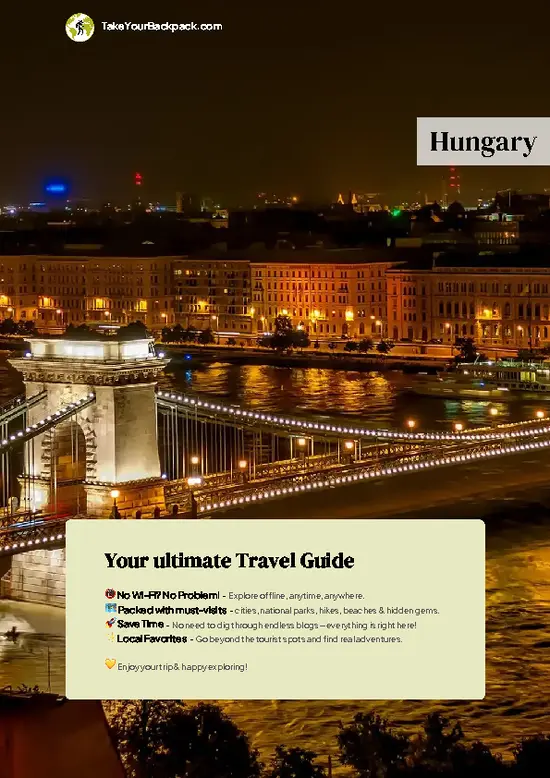
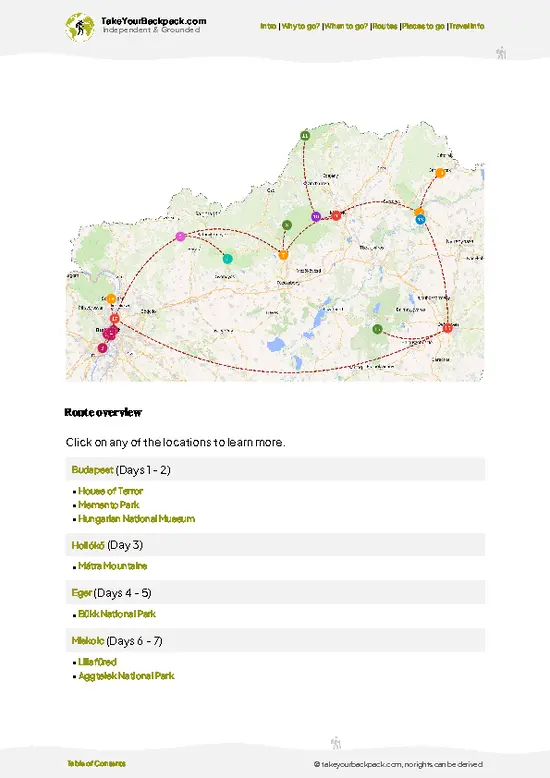
- Hollókő Old Village (Ófalu) — The whole UNESCO-protected ensemble of narrow lanes and closely spaced, thatched Palóc houses is the raison d’être for visiting: it’s an intact living village where architecture, layout and daily life show a traditional rural world you can actually walk through.
- Hollókő Castle (the castle ruins and small museum) — A short climb to the hilltop ruins rewards you with panoramic views over the village and exhibits about the fortress’ medieval history; the site mixes easy hiking, photo spots and a compact interpretation area.
- Main Street (Fő utca) with its thatched houses — Lined with original, whitewashed houses that host small museums, craft shops and cafés, this is where the village’s character is most concentrated and easiest to absorb on a relaxed stroll.
- Hollókő Old Village (Ófalu) — The whole UNESCO-protected ensemble of narrow lanes and closely spaced, thatched Palóc houses is the raison d’être for visiting: it’s an intact living village where architecture, layout and daily life show a traditional rural world you can actually walk through.
- Hollókő Castle (the castle ruins and small museum) — A short climb to the hilltop ruins rewards you with panoramic views over the village and exhibits about the fortress’ medieval history; the site mixes easy hiking, photo spots and a compact interpretation area.
- Main Street (Fő utca) with its thatched houses — Lined with original, whitewashed houses that host small museums, craft shops and cafés, this is where the village’s character is most concentrated and easiest to absorb on a relaxed stroll.
- House museums and interior displays — Scattered through the village are preserved family homes showing Palóc interiors, tools, kitchens and seasonal decorations; they’re intimate, tangible lessons in how people actually lived here in the 18th-19th centuries.
- The village church and bell tower — The parish church in the settlement center (with its separate bell tower nearby) anchors local religious life and offers simple but evocative architecture and graveyard inscriptions that tell local stories.
- Folk costume and embroidery exhibits — Small displays and artisan stalls let you see the famous Palóc costumes and hand-stitched embroidery up close; many shops will explain patterns and sometimes show the making process.
- Local craft workshops and artisan stalls — Pottery, woodcraft and textile artisans work and sell inside the village; watching someone stitch, carve or shape a pot ties the material culture you see in museums back to living skills.
- Village bakery and traditional food spots — Simple local bakeries and seasonal food stalls serve traditional Palóc breads and pastries; tasting here connects you to everyday village rhythms in a way a museum label can’t.
- Castle-hill viewpoints and short walking trails — The paths up and around Várhegy (Castle Hill) are short but scenic; they’re perfect for a quick hike, sunset photos and getting a sense of how the village nestles into the Cserhát hills.
- Community House / Folk Cultural Centre (Faluház) — The local cultural center hosts rotating exhibits, demonstrations and often live music or dance events; it’s where contemporary village life and tradition meet, and a great place to catch a scheduled workshop.
Spotted a mistake or missing something? Contact us.

Szentendre Micro Art Museum

Charm of Esztergom: A Private Walking Tour of Its Beautiful Sites

Christmas Markets Private Guided Tour in Esztergom

Daytrip to Slovakia to drink Czech beers PROMO PRICE

Photography guided tour in Szentendre

Private Customizable Historical Walking Tour Esztergom Basilica


 Best Backpacking
.jpg) Hi, I’m Johan (Netherlands 🇳🇱), the creator of TakeYourBackpack. Over the past 3 decades, I’ve backpacked through 90+ countries across six continents, gaining extensive experience with independent travel, long-term trips, and overland routes.
Hi, I’m Johan (Netherlands 🇳🇱), the creator of TakeYourBackpack. Over the past 3 decades, I’ve backpacked through 90+ countries across six continents, gaining extensive experience with independent travel, long-term trips, and overland routes.