
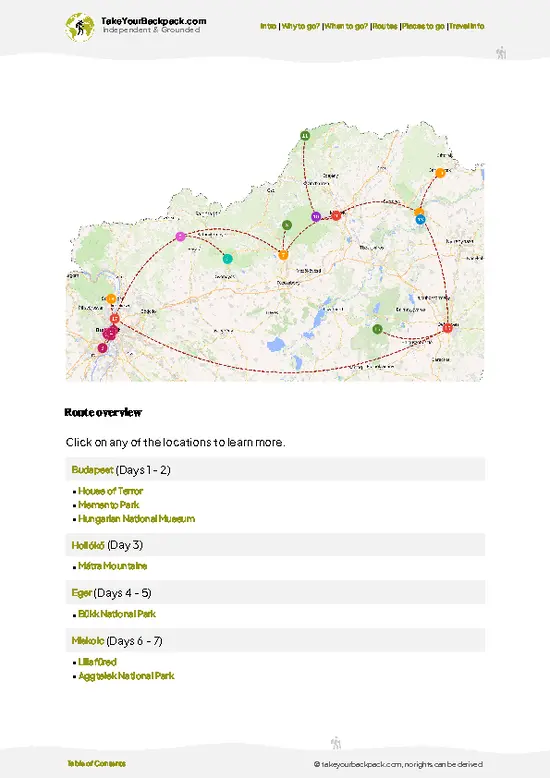
The Dome Panorama
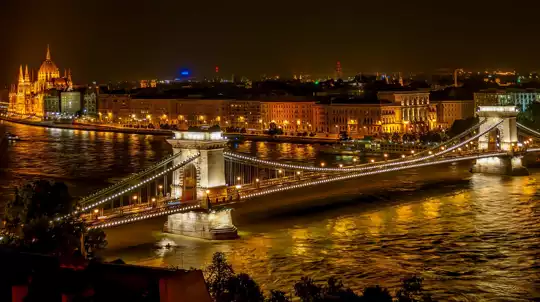
Let’s get real: most people come for the view, not the art. And honestly? That’s not a crime. Climb the spiral staircase up to the dome and you’ll get a 360-degree sweep of Budapest that’s worth every forint and every bead of sweat. You’ll see the Danube, Parliament, the city’s patchwork of rooftops—none of it filtered, all of it earned. It’s not a secret, but it’s still a thrill. Skip the elevator. Take the stairs. You’ll feel like you’ve conquered something by the time you reach the top.
19th-Century Hungarian Painting
Forget the endless parade of generic European landscapes you’ve seen elsewhere. The Hungarian National Gallery’s 19th-century collection is a crash course in national identity, rebellion, and heartbreak. Mihály Munkácsy’s “Christ Trilogy” is the blockbuster, … read more 👉
The Dome Panorama
Let’s get real: most people come for the view, not the art. And honestly? That’s not a crime. Climb the spiral staircase up to the dome and you’ll get a 360-degree sweep of Budapest that’s worth every forint and every bead of sweat. You’ll see the Danube, Parliament, the city’s patchwork of rooftops—none of it filtered, all of it earned. It’s not a secret, but it’s still a thrill. Skip the elevator. Take the stairs. You’ll feel like you’ve conquered something by the time you reach the top.
19th-Century Hungarian Painting
Forget the endless parade of generic European landscapes you’ve seen elsewhere. The Hungarian National Gallery’s 19th-century collection is a crash course in national identity, rebellion, and heartbreak. Mihály Munkácsy’s “Christ Trilogy” is the blockbuster, but don’t sleep on the works by László Paál or Pál Szinyei Merse. These aren’t just pretty pictures—they’re visual manifestos from a country that’s been invaded, erased, and reborn more times than you can count.
Modern Hungarian Art (1900-1960)
This is where the gallery throws a curveball. You’ll find wild experiments, political angst, and a kind of rawness that’s missing from the polished halls of Western Europe’s big-name museums. The works of Béla Czóbel and Róbert Berény have a punch that’s hard to fake. If you want to see what happens when a country’s artists are cut off from the mainstream but refuse to be silenced, this is it.
Medieval and Renaissance Stonework
You’re in a castle, so don’t skip the basement. Down here, the gallery gets weird—in the best way. Medieval altarpieces, carved saints, and fragments of the original royal palace are displayed with just enough gloom to make you feel like you’ve stumbled into a secret. It’s a reminder that Budapest’s story is older and stranger than most tourists realize.
Temporary Exhibitions
This is the wildcard. Sometimes you’ll hit a dud, but when the curators get it right, the temporary shows are electric. They pull in everything from avant-garde photography to contemporary sculpture, often with a Hungarian twist you won’t find anywhere else. Check what’s on before you go, but don’t write off the “temporary” stuff—it’s where the gallery takes risks.
The Setting: Buda Castle
Here’s the part Instagram never tells you: the gallery is inside Buda Castle, and that means you’re wandering through a building that’s been bombed, rebuilt, and repurposed more times than most cities have changed mayors. The art is only half the story—the battered walls, the echoing stairwells, the sense of history pressing in from every side, that’s the real magic. You’re not just looking at paintings; you’re walking through the aftermath of centuries.
Spotted a mistake or missing something? Contact us.

3 Hours Budapest Segway Grand City Tour Buda, Margaret and Pest

1 Hour Budapest Segway Tour - Parliament Hightails

Private Sightseeing Tour using Electric Tuk Tuk Ride in Budapest

Shooting Experience HOLLYWOOD Package in Budapest

Budapest private sightseeing with Nelli & her local guides

Hungarian Strudel Making Class: Stretch & Fill Two Ways

Buda Castle: History Walking Tour with Royal Cake Tasting

Budapest: Best City Highlights Segway Tour with Local Guide

Explore Hungary's great wines in an intimate, casual tasting


 Best Backpacking
 Hi, I’m Johan (Netherlands 🇳🇱), the creator of TakeYourBackpack. Over the past 3 decades, I’ve backpacked through 90+ countries across six continents, gaining extensive experience with independent travel, long-term trips, and overland routes.