v2.webp)
The Dome Panorama: The 360-Degree Budapest Power Move
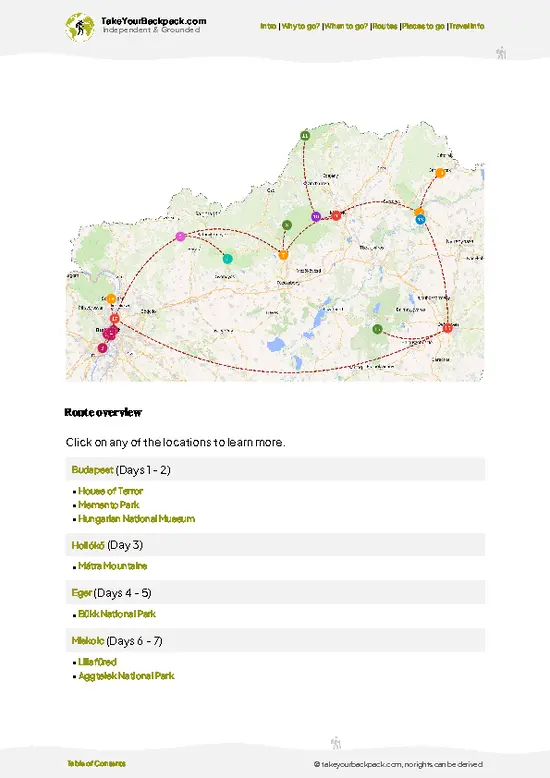
Let’s cut through the fantasy: you will not have this view to yourself. But the climb—364 steps, or you can cheat with the elevator—delivers a rooftop panorama that’s pure Budapest. The city’s chaos and beauty, the Danube’s lazy curve, Parliament’s spires, the patchwork of rooftops—this is the real show. It’s not just a photo op; it’s a pulse-check on the city. You’ll share the platform with selfie sticks and school groups, but the wind and the scale of the view make it feel personal. If you want a sunrise moment alone, show up before the tour buses. Otherwise, embrace the crowd: you’re all here for the same reason.
The Mummified Right Hand of St. Stephen (The Holy Right)
This is not your average relic. Behind a gilded glass case, you’ll … read more 👉
Let’s cut through the fantasy: you will not have this view to yourself. But the climb—364 steps, or you can cheat with the elevator—delivers a rooftop panorama that’s pure Budapest. The city’s chaos and beauty, the Danube’s lazy curve, Parliament’s spires, the patchwork of rooftops—this is the real show. It’s not just a photo op; it’s a pulse-check on the city. You’ll share the platform with selfie sticks and school groups, but the wind and the scale of the view make it feel personal. If you want a sunrise moment alone, show up before the tour buses. Otherwise, embrace the crowd: you’re all here for the same reason.
The Mummified Right Hand of St. Stephen (The Holy Right)
This is not your average relic. Behind a gilded glass case, you’ll … read more 👉
The Dome Panorama: The 360-Degree Budapest Power Move
Let’s cut through the fantasy: you will not have this view to yourself. But the climb—364 steps, or you can cheat with the elevator—delivers a rooftop panorama that’s pure Budapest. The city’s chaos and beauty, the Danube’s lazy curve, Parliament’s spires, the patchwork of rooftops—this is the real show. It’s not just a photo op; it’s a pulse-check on the city. You’ll share the platform with selfie sticks and school groups, but the wind and the scale of the view make it feel personal. If you want a sunrise moment alone, show up before the tour buses. Otherwise, embrace the crowd: you’re all here for the same reason.
The Mummified Right Hand of St. Stephen (The Holy Right)
This is not your average relic. Behind a gilded glass case, you’ll find the withered, mummified hand of Hungary’s first king. It’s macabre, yes, but also deeply woven into the country’s identity. Locals line up for a glimpse, especially on national holidays. The display is both reverent and a little bit weird—exactly the kind of detail that Instagram never captures. Press the button to light it up for a few seconds. It’s a moment that’s equal parts history lesson and “did I really just see that?”
The Organ Concerts: Sonic Overload in Sacred Space
Skip the tourist chatter and buy a ticket for an evening organ concert. The basilica’s acoustics are engineered for goosebumps. When the pipes let loose, the sound doesn’t just fill the nave—it vibrates in your chest. Even if you’re not a classical music fan, the sheer power and drama of the organ in this setting is worth the price of admission. It’s a rare chance to experience the building as it was meant to be used: not just seen, but heard and felt.
The Interior: Marble, Gold, and the Art of Overstatement
Forget minimalism. St. Stephen’s is a riot of marble columns, gilded altars, and frescoes that demand your attention. The scale is intimidating, but the details reward slow exploration. Look up: the dome’s mosaics are a masterclass in religious art. Look down: the floor’s geometric patterns are dizzying. This isn’t just a church; it’s a flex of national pride and 19th-century ambition. The crowds are real, but so is the craftsmanship.
The Treasury: Bling with a Backstory
Tucked away from the main nave, the treasury is a compact but potent collection of ecclesiastical bling—chalices, vestments, and relics that survived wars, occupations, and regime changes. Each piece has a story, and the labels (mercifully in English) don’t sugarcoat the drama. It’s not the Vatican, but it’s a crash course in Hungarian resilience and faith, told through objects that have seen more history than most countries.
Let’s cut through the fantasy: you will not have this view to yourself. But the climb—364 steps, or you can cheat with the elevator—delivers a rooftop panorama that’s pure Budapest. The city’s chaos and beauty, the Danube’s lazy curve, Parliament’s spires, the patchwork of rooftops—this is the real show. It’s not just a photo op; it’s a pulse-check on the city. You’ll share the platform with selfie sticks and school groups, but the wind and the scale of the view make it feel personal. If you want a sunrise moment alone, show up before the tour buses. Otherwise, embrace the crowd: you’re all here for the same reason.
The Mummified Right Hand of St. Stephen (The Holy Right)
This is not your average relic. Behind a gilded glass case, you’ll find the withered, mummified hand of Hungary’s first king. It’s macabre, yes, but also deeply woven into the country’s identity. Locals line up for a glimpse, especially on national holidays. The display is both reverent and a little bit weird—exactly the kind of detail that Instagram never captures. Press the button to light it up for a few seconds. It’s a moment that’s equal parts history lesson and “did I really just see that?”
The Organ Concerts: Sonic Overload in Sacred Space
Skip the tourist chatter and buy a ticket for an evening organ concert. The basilica’s acoustics are engineered for goosebumps. When the pipes let loose, the sound doesn’t just fill the nave—it vibrates in your chest. Even if you’re not a classical music fan, the sheer power and drama of the organ in this setting is worth the price of admission. It’s a rare chance to experience the building as it was meant to be used: not just seen, but heard and felt.
The Interior: Marble, Gold, and the Art of Overstatement
Forget minimalism. St. Stephen’s is a riot of marble columns, gilded altars, and frescoes that demand your attention. The scale is intimidating, but the details reward slow exploration. Look up: the dome’s mosaics are a masterclass in religious art. Look down: the floor’s geometric patterns are dizzying. This isn’t just a church; it’s a flex of national pride and 19th-century ambition. The crowds are real, but so is the craftsmanship.
The Treasury: Bling with a Backstory
Tucked away from the main nave, the treasury is a compact but potent collection of ecclesiastical bling—chalices, vestments, and relics that survived wars, occupations, and regime changes. Each piece has a story, and the labels (mercifully in English) don’t sugarcoat the drama. It’s not the Vatican, but it’s a crash course in Hungarian resilience and faith, told through objects that have seen more history than most countries.
Spotted a mistake or missing something? Contact us.

3 Hours Budapest Segway Grand City Tour Buda, Margaret and Pest

1 Hour Budapest Segway Tour - Parliament Hightails

Private Sightseeing Tour using Electric Tuk Tuk Ride in Budapest

Shooting Experience HOLLYWOOD Package in Budapest

Budapest private sightseeing with Nelli & her local guides

Hungarian Strudel Making Class: Stretch & Fill Two Ways

Buda Castle: History Walking Tour with Royal Cake Tasting

Budapest: Best City Highlights Segway Tour with Local Guide

Explore Hungary's great wines in an intimate, casual tasting


 Best Backpacking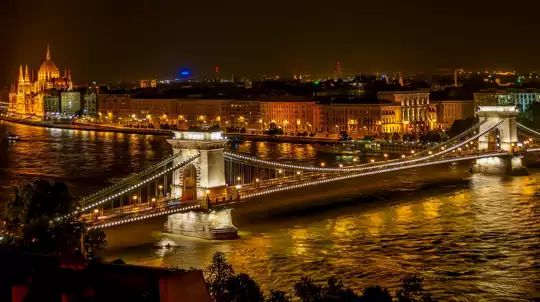
.jpg) Hi, I’m Johan (Netherlands 🇳🇱), the creator of TakeYourBackpack. Over the past 3 decades, I’ve backpacked through 90+ countries across six continents, gaining extensive experience with independent travel, long-term trips, and overland routes.
Hi, I’m Johan (Netherlands 🇳🇱), the creator of TakeYourBackpack. Over the past 3 decades, I’ve backpacked through 90+ countries across six continents, gaining extensive experience with independent travel, long-term trips, and overland routes.