How many to visit: I advise one to two paid attractions a day, so 8 to 12 in a ten-day trip. Hungarian sights reward lingering, from baths that need two hours to cellars that need a long afternoon, and a third entry in a day usually means a ticket queue and a tired head. Leave at least one afternoon open for wandering a market or sitting in a café.
Choosing by travel style: If you travel on a tight budget, prioritize
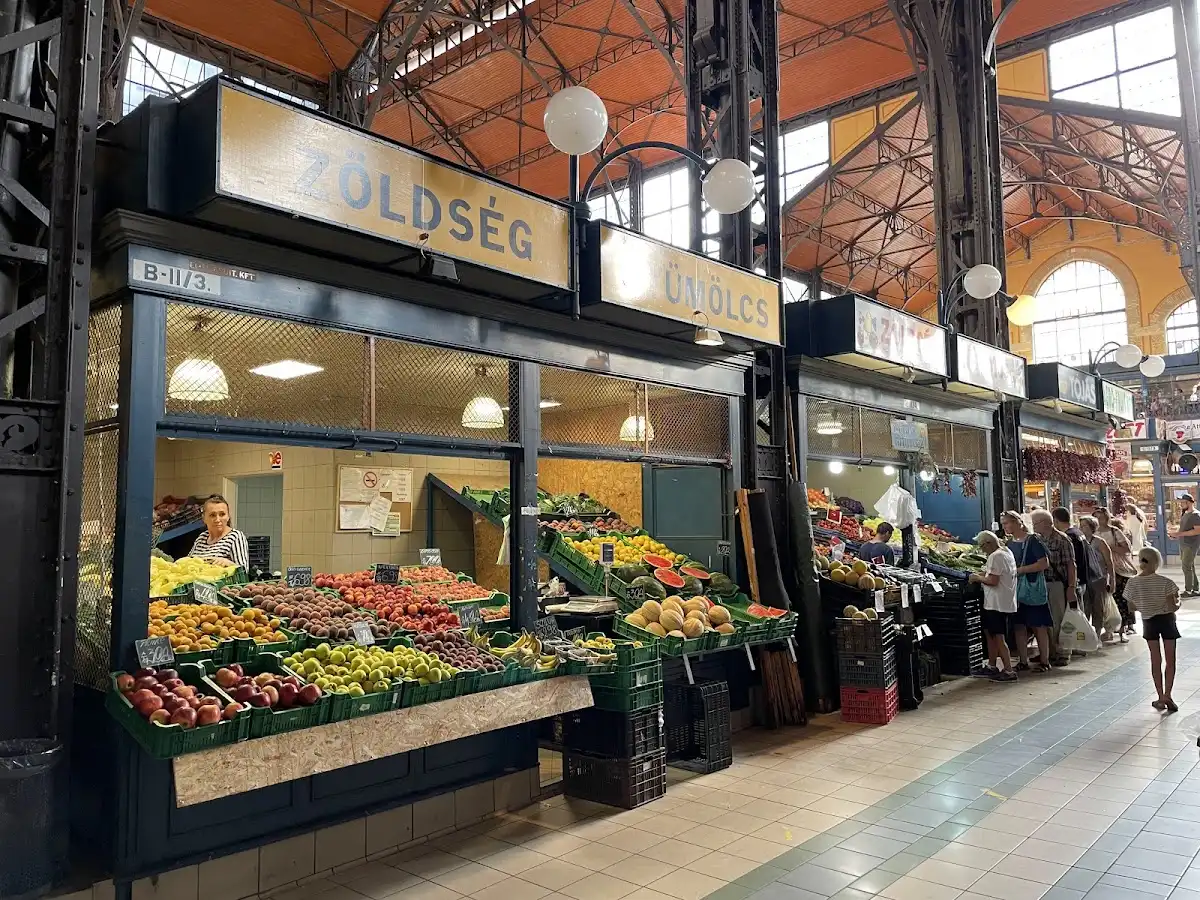
free and low-cost outdoor sights such as riverbanks, hills, market halls and village squares, and pick one thermal bath rather than three. If you love history, concentrate on museums and memorial sites in Budapest, where the layers of Habsburg, wartime and communist history sit close together. If you want food and wine, plan time in the northeastern cellar towns, where cool stone, …
read more 👉 How many to visit: I advise one to two paid attractions a day, so 8 to 12 in a ten-day trip. Hungarian sights reward lingering, from baths that need two hours to cellars that need a long afternoon, and a third entry in a day usually means a ticket queue and a tired head. Leave at least one afternoon open for wandering a market or sitting in a café.
Choosing by travel style: If you travel on a tight budget, prioritize
free and low-cost outdoor sights such as riverbanks, hills, market halls and village squares, and pick one thermal bath rather than three. If you love history, concentrate on museums and memorial sites in Budapest, where the layers of Habsburg, wartime and communist history sit close together. If you want food and wine, plan time in the northeastern cellar towns, where cool stone, mold-dusted walls and a tasting glass cost less than a city dinner. If you like quiet, choose the plain and the hills over the capital.
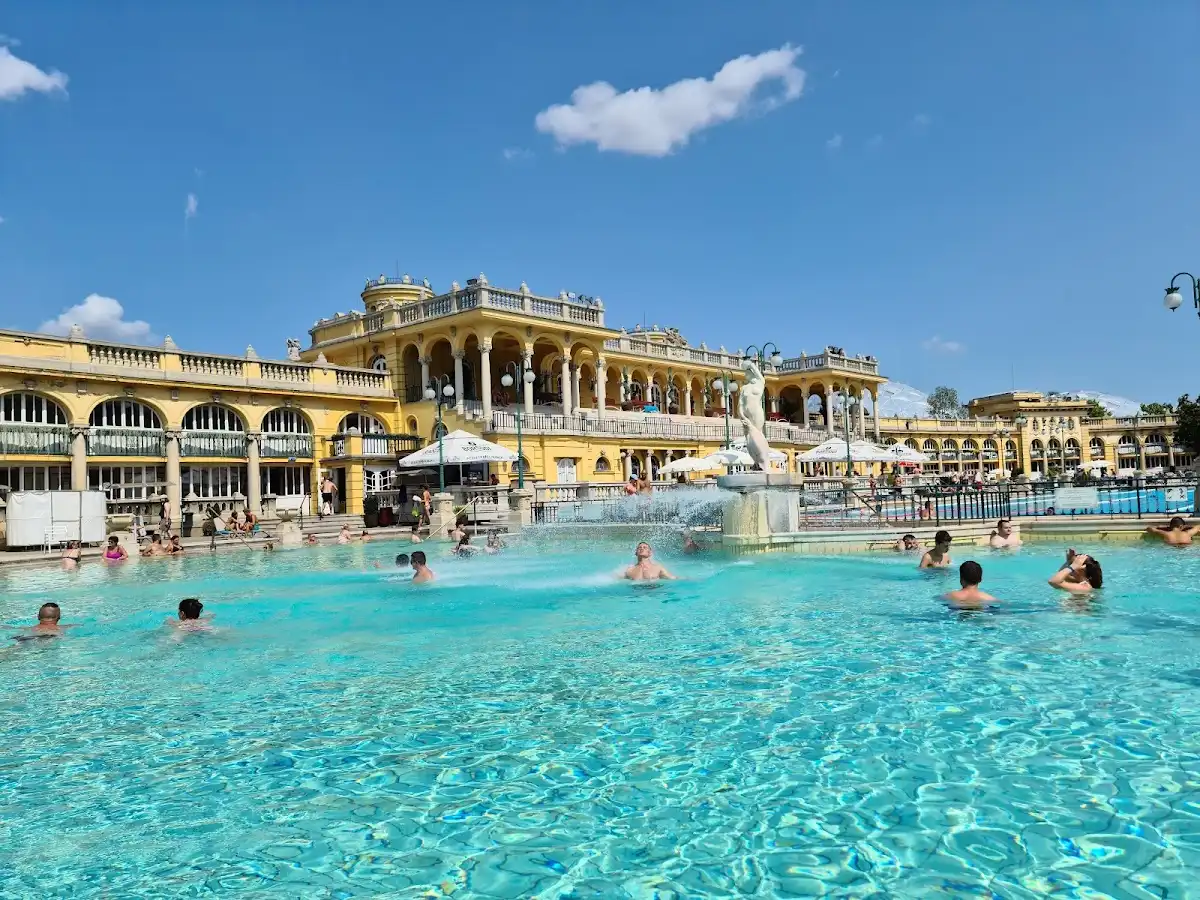
What it costs: A realistic budget is 15,000 to 30,000 forints (about US$40 to 80) a day for a backpacker who eats cheaply and stays in dorms, with attractions making up 3,000 to 12,000 forints of it. Typical entries are 2,000 to 6,000 forints for museums and castles, and 8,000 to 12,000 forints for the big Budapest baths, which cost more at weekends. Guided walks run 4,000 to 10,000 forints, and a Budapest day pass for transit is around 2,500 to 3,000 forints. Regional trains cost 2,000 to 6,000 forints per leg. Students and EU under-26 visitors often get discounts, so carry ID. Many sites take cards, but keep some cash for small village entries and toilets.
Safety and etiquette: Hungary is generally safe, though pickpockets work crowded trams, the baths’ changing areas and the busy tourist streets. Use the locker, and keep your phone zipped away. Watch for inflated bills and unmarked taxi fares around nightlife strips, and book rides through an app. In the baths, bring flip-flops and a swim cap if the pool requires one, and shower before you enter. Dress modestly in churches and cover your shoulders, and speak quietly at memorial sites. Greet staff with a short “jó napot” and say “köszönöm” at the end. Carry water and sun protection in summer, because stone courtyards and open plains hold heat.







 Best Backpacking
 Hi, I’m Johan (Netherlands 🇳🇱), the creator of TakeYourBackpack. Over the past 3 decades, I’ve backpacked through 90+ countries across six continents, gaining extensive experience with independent travel, long-term trips, and overland routes.