v2.webp)
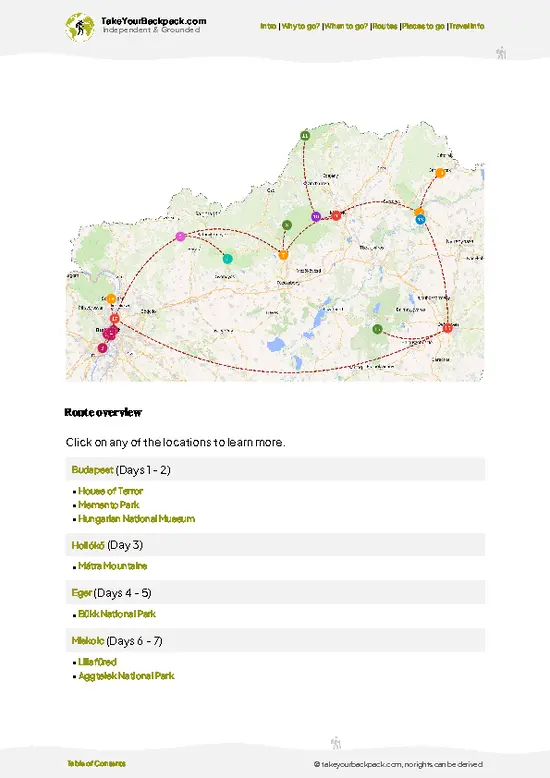
Kecskemét City Hall (Városháza)
This is the city’s architectural showstopper—a riot of Hungarian Art Nouveau, with Zsolnay ceramic tiles that shimmer in the sunlight and folk motifs hidden in the details. Step inside for the stained-glass windows and the ceremonial hall, where you’ll feel the city’s civic pride. The clock tower’s musical chimes are a local ritual. Best in the late morning when sunlight hits the façade. Entry is free for the lobby and exterior; guided tours (when available) cost a few euros and take about 45 minutes.
Cifra Palace (Cifrapalota)
If Gaudí had a Hungarian cousin, this would be his masterpiece. The exterior is a fever dream of color and ornamentation, but the real payoff is inside: the Kecskemét Art Gallery, with rotating exhibits of Hungarian painters and folk … read more 👉
This is the city’s architectural showstopper—a riot of Hungarian Art Nouveau, with Zsolnay ceramic tiles that shimmer in the sunlight and folk motifs hidden in the details. Step inside for the stained-glass windows and the ceremonial hall, where you’ll feel the city’s civic pride. The clock tower’s musical chimes are a local ritual. Best in the late morning when sunlight hits the façade. Entry is free for the lobby and exterior; guided tours (when available) cost a few euros and take about 45 minutes.
Cifra Palace (Cifrapalota)
If Gaudí had a Hungarian cousin, this would be his masterpiece. The exterior is a fever dream of color and ornamentation, but the real payoff is inside: the Kecskemét Art Gallery, with rotating exhibits of Hungarian painters and folk … read more 👉
Kecskemét City Hall (Városháza)
This is the city’s architectural showstopper—a riot of Hungarian Art Nouveau, with Zsolnay ceramic tiles that shimmer in the sunlight and folk motifs hidden in the details. Step inside for the stained-glass windows and the ceremonial hall, where you’ll feel the city’s civic pride. The clock tower’s musical chimes are a local ritual. Best in the late morning when sunlight hits the façade. Entry is free for the lobby and exterior; guided tours (when available) cost a few euros and take about 45 minutes.
Cifra Palace (Cifrapalota)
If Gaudí had a Hungarian cousin, this would be his masterpiece. The exterior is a fever dream of color and ornamentation, but the real payoff is inside: the Kecskemét Art Gallery, with rotating exhibits of Hungarian painters and folk art. The building itself is a lesson in early 20th-century optimism. Visit mid-afternoon to dodge school groups. Entry is around 1,000 HUF (about €2.5); allow 60-90 minutes.
Kecskemét Kodály Institute
Music is the city’s heartbeat, and this is its conservatory. Named for composer Zoltán Kodály, the institute is housed in a former Franciscan monastery. If you’re lucky, you’ll catch a student recital or a choral rehearsal—these are open to the public and feel like a backstage pass to Hungary’s musical soul. Check the schedule in advance. Entry to public concerts is often free or low-cost; plan for 1-2 hours.
Hungarian Museum of Photography
A compact but world-class collection, set in a former synagogue. The permanent exhibition traces the evolution of Hungarian photography, with rotating shows that punch above their weight. The building’s history adds gravitas. Go in the late afternoon for quieter galleries. Entry is about 1,000 HUF; 45-60 minutes is enough unless you’re a photo buff.
Kecskeméti Piaccsarnok (Central Market Hall)
Skip the supermarket—this is where the city’s flavors live. Early morning is best, when farmers unload crates of paprika, honey, and apricots. The market is a living cross-section of local life, and you’ll find everything from homemade sausages to pickled vegetables. Bring cash and a sense of adventure. Free to enter; 30-45 minutes for a wander, longer if you snack.
Bozsó Collection
A private museum with the personality of its founder, Lajos Bozsó—a painter and collector obsessed with folk art, furniture, and everyday objects. The collection is eclectic, intimate, and tells the story of Hungary’s rural past. Staff are passionate and happy to share stories. Visit late morning or early afternoon. Entry is about 1,500 HUF; 60-90 minutes is ideal.
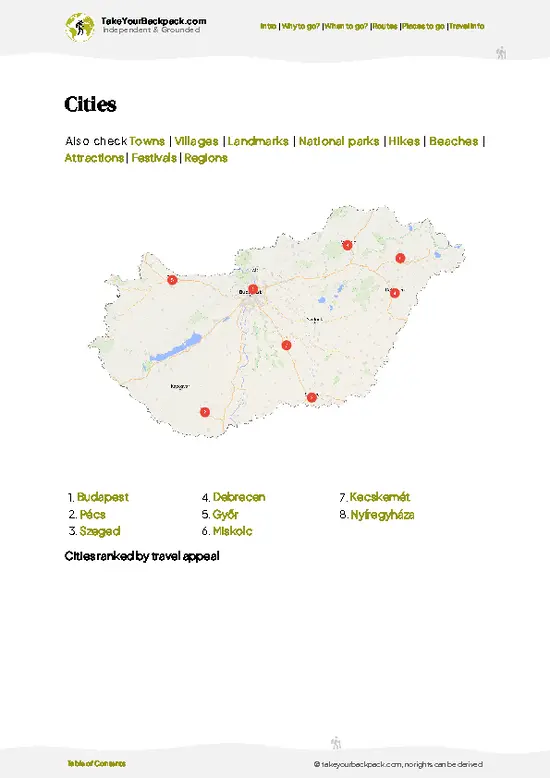
If you want to stretch your legs beyond city limits, the Bugac Puszta (Hungarian steppe), Kiskunság National Park, and the spa town of Tiszakécske are all within easy day-trip range and offer a different flavor of the region.
This is the city’s architectural showstopper—a riot of Hungarian Art Nouveau, with Zsolnay ceramic tiles that shimmer in the sunlight and folk motifs hidden in the details. Step inside for the stained-glass windows and the ceremonial hall, where you’ll feel the city’s civic pride. The clock tower’s musical chimes are a local ritual. Best in the late morning when sunlight hits the façade. Entry is free for the lobby and exterior; guided tours (when available) cost a few euros and take about 45 minutes.
Cifra Palace (Cifrapalota)
If Gaudí had a Hungarian cousin, this would be his masterpiece. The exterior is a fever dream of color and ornamentation, but the real payoff is inside: the Kecskemét Art Gallery, with rotating exhibits of Hungarian painters and folk art. The building itself is a lesson in early 20th-century optimism. Visit mid-afternoon to dodge school groups. Entry is around 1,000 HUF (about €2.5); allow 60-90 minutes.
Kecskemét Kodály Institute
Music is the city’s heartbeat, and this is its conservatory. Named for composer Zoltán Kodály, the institute is housed in a former Franciscan monastery. If you’re lucky, you’ll catch a student recital or a choral rehearsal—these are open to the public and feel like a backstage pass to Hungary’s musical soul. Check the schedule in advance. Entry to public concerts is often free or low-cost; plan for 1-2 hours.
Hungarian Museum of Photography
A compact but world-class collection, set in a former synagogue. The permanent exhibition traces the evolution of Hungarian photography, with rotating shows that punch above their weight. The building’s history adds gravitas. Go in the late afternoon for quieter galleries. Entry is about 1,000 HUF; 45-60 minutes is enough unless you’re a photo buff.
Kecskeméti Piaccsarnok (Central Market Hall)
Skip the supermarket—this is where the city’s flavors live. Early morning is best, when farmers unload crates of paprika, honey, and apricots. The market is a living cross-section of local life, and you’ll find everything from homemade sausages to pickled vegetables. Bring cash and a sense of adventure. Free to enter; 30-45 minutes for a wander, longer if you snack.
Bozsó Collection
A private museum with the personality of its founder, Lajos Bozsó—a painter and collector obsessed with folk art, furniture, and everyday objects. The collection is eclectic, intimate, and tells the story of Hungary’s rural past. Staff are passionate and happy to share stories. Visit late morning or early afternoon. Entry is about 1,500 HUF; 60-90 minutes is ideal.
If you want to stretch your legs beyond city limits, the Bugac Puszta (Hungarian steppe), Kiskunság National Park, and the spa town of Tiszakécske are all within easy day-trip range and offer a different flavor of the region.
Spotted a mistake or missing something? Contact us.

3 Hours Budapest Segway Grand City Tour Buda, Margaret and Pest

1 Hour Budapest Segway Tour - Parliament Hightails

Private Sightseeing Tour using Electric Tuk Tuk Ride in Budapest

Shooting Experience HOLLYWOOD Package in Budapest

Budapest private sightseeing with Nelli & her local guides

Hungarian Strudel Making Class: Stretch & Fill Two Ways

Buda Castle: History Walking Tour with Royal Cake Tasting

Budapest: Best City Highlights Segway Tour with Local Guide

Explore Hungary's great wines in an intimate, casual tasting


 Best Backpacking
.jpg) Hi, I’m Johan (Netherlands 🇳🇱), the creator of TakeYourBackpack. Over the past 3 decades, I’ve backpacked through 90+ countries across six continents, gaining extensive experience with independent travel, long-term trips, and overland routes.
Hi, I’m Johan (Netherlands 🇳🇱), the creator of TakeYourBackpack. Over the past 3 decades, I’ve backpacked through 90+ countries across six continents, gaining extensive experience with independent travel, long-term trips, and overland routes.