
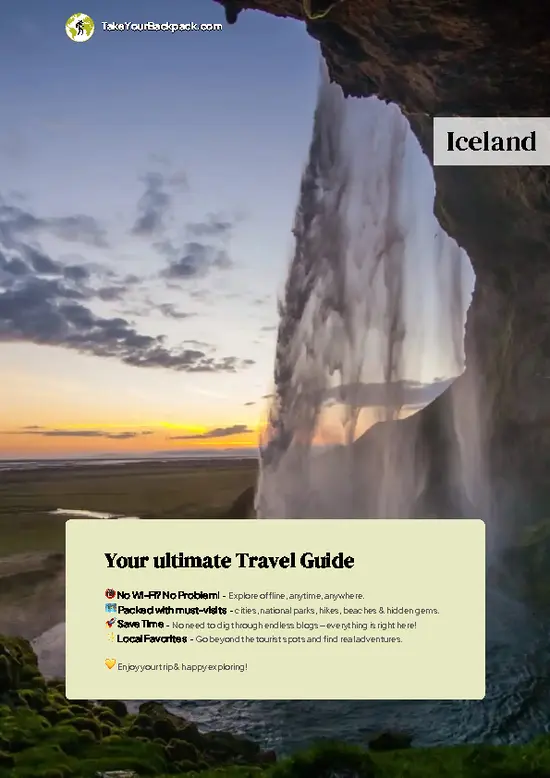
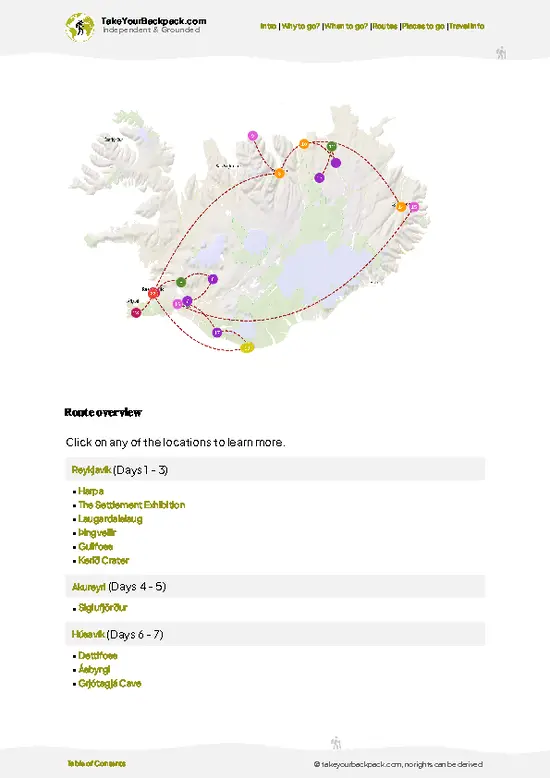
1. Ísafjörður Maritime Museum (Byggðasafn Vestfjarða)
Step into the old wharf house and you’ll smell tar, salt, and a century of stories. This is not a sterile museum; it’s a living memory of Ísafjörður’s backbone—fishing. You’ll see battered oilskins, hand-carved tools, and the kind of boats that once braved the fjord’s winter teeth. The staff are locals, often with their own sea tales. Go in the morning, when the light slants through the windows and the harbor outside is still. Entry is around 1,800 ISK. Give it at least an hour—longer if you want to linger over the handwritten logbooks or chat with the guides.
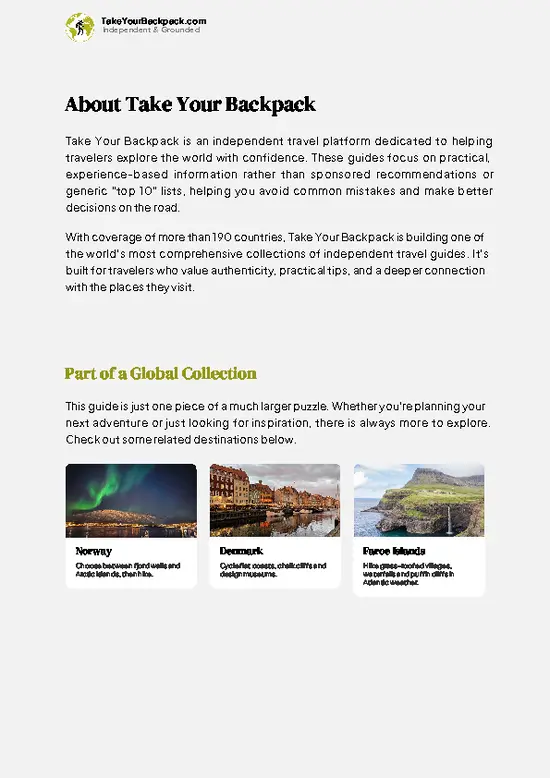
2. Tjöruhúsið
This isn’t just a meal; it’s a rite of passage. Housed in a creaky 18th-century timber building, Tjöruhúsið serves fish so fresh you’ll hear the gulls outside arguing … read more 👉
1. Ísafjörður Maritime Museum (Byggðasafn Vestfjarða)
Step into the old wharf house and you’ll smell tar, salt, and a century of stories. This is not a sterile museum; it’s a living memory of Ísafjörður’s backbone—fishing. You’ll see battered oilskins, hand-carved tools, and the kind of boats that once braved the fjord’s winter teeth. The staff are locals, often with their own sea tales. Go in the morning, when the light slants through the windows and the harbor outside is still. Entry is around 1,800 ISK. Give it at least an hour—longer if you want to linger over the handwritten logbooks or chat with the guides.
2. Tjöruhúsið
This isn’t just a meal; it’s a rite of passage. Housed in a creaky 18th-century timber building, Tjöruhúsið serves fish so fresh you’ll hear the gulls outside arguing over the scraps. The buffet is legendary: cod, wolffish, halibut, all cooked in cast iron with Icelandic butter and herbs. The place fills with the scent of caramelized onions and sea air. Dinner is the main event (open seasonally, May-September), and you’ll pay about 7,500-9,500 ISK for the full spread. Book ahead, arrive hungry, and plan for two hours—this is slow food, Westfjords style.
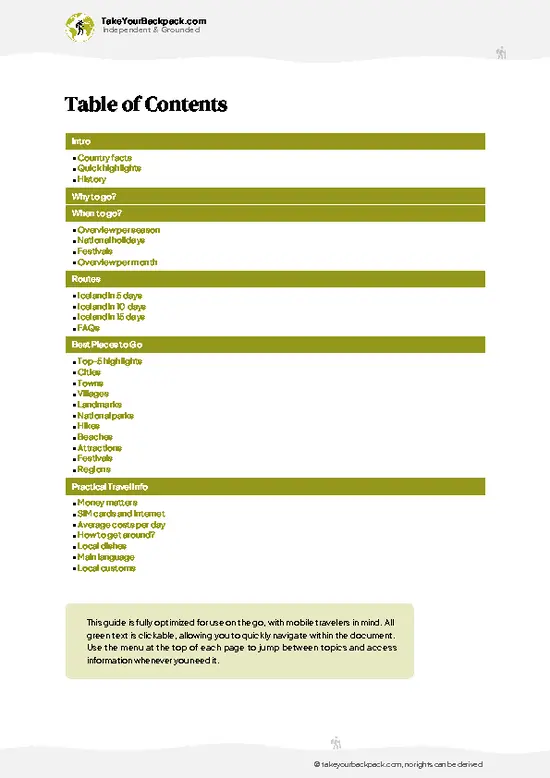
3. Ísafjörður Old Town (Neðstikaupstaður)
Wander the oldest part of town and you’ll feel the bones of Ísafjörður: turf-roofed houses, weathered warehouses, and the kind of quiet that makes your footsteps sound loud. This is where Danish merchants once traded, and the streets still hum with that old-world energy. The best time is late afternoon, when the sun turns the painted wood golden and the harbor is mirror-still. Free to explore, and you can cover the area in 30-45 minutes, but give yourself time to duck into the tiny art galleries or just watch the light change.
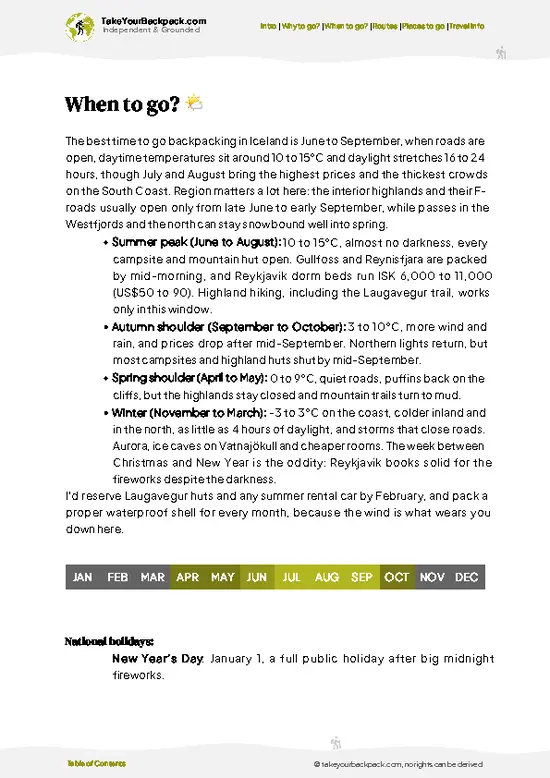
4. Edinborg Cultural Center
Inside a stately 19th-century building, Edinborg is the town’s creative pulse. You might catch a photography exhibit, a jazz concert, or a poetry reading—sometimes all in one evening. The café serves strong coffee and pastries with a view of the fjord, and the crowd is a blend of artists, fishermen, and travelers. Check the schedule ahead, as events vary. Entry is usually free or under 2,000 ISK. Even if you just stop for coffee, the atmosphere is worth an hour of your time.
5. Ísafjörður Swimming Pool (Sundhöll Ísafjarðar)
This is where the town unwinds. The outdoor hot pots steam in the cold air, and the scent of sulfur mixes with the tang of the sea. Locals swap gossip in the hot tubs while kids cannonball into the pool. It’s a slice of everyday Icelandic life—no pretense, just warmth (literal and social). Go in the evening, when the sky glows and the mountains loom blue. Entry is about 1,000 ISK. Stay as long as you like; an hour is enough to soak, but you might linger.
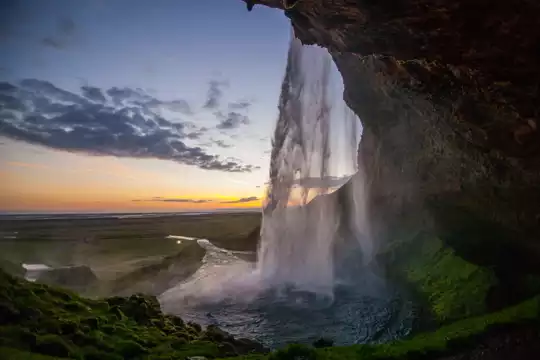
For day trips, Ísafjörður is the launchpad for Hornstrandir Nature Reserve (my personal favorite for raw wilderness), the quirky village of Bolungarvík, and the thunderous Dynjandi waterfall—each a different flavor of Westfjords magic, and all best savored with a day’s adventure.
Spotted a mistake or missing something? Contact us.

Dynjandi Waterfall & Westfjords Farm Tour from Ísafjörður

3,5-Hour Sightseeing Tour To Dynjandi Waterfall

Dynjandi and more Shore Tour from Ísafjörður port cruise guests

4 Hour Isafjordur and Dynjandi Tour With Photo Stops

Dynjandi Waterfall in a Supertruck

Isafjordur and Westfjords Private Tour

Small Group Tour Ísafjordur Dynjandi Waterfall & Secret Stop

Isafjordur Port: Small Group Dynjandi Waterfall & Farm Visit Tour

Guided E-Bike Tour in Isafjordur


 Best Backpacking
 Hi, I’m Johan (Netherlands 🇳🇱), the creator of TakeYourBackpack. Over the past 3 decades, I’ve backpacked through 90+ countries across six continents, gaining extensive experience with independent travel, long-term trips, and overland routes.