v2.webp)
Junagarh Fort
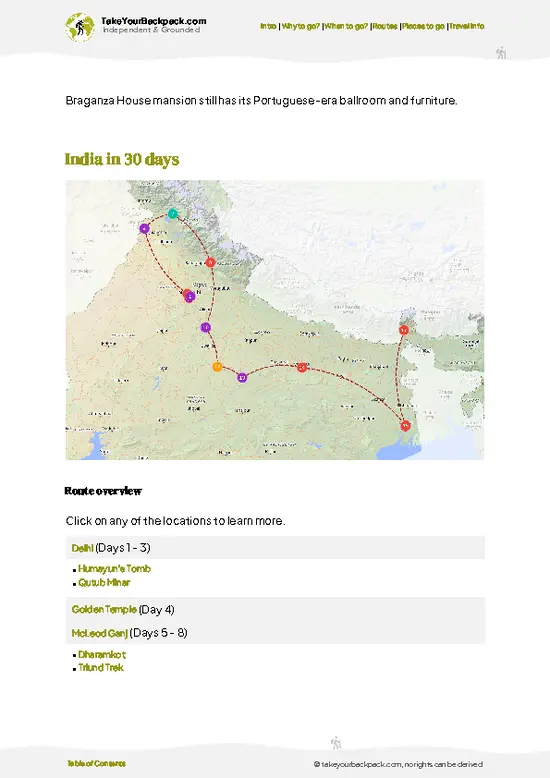
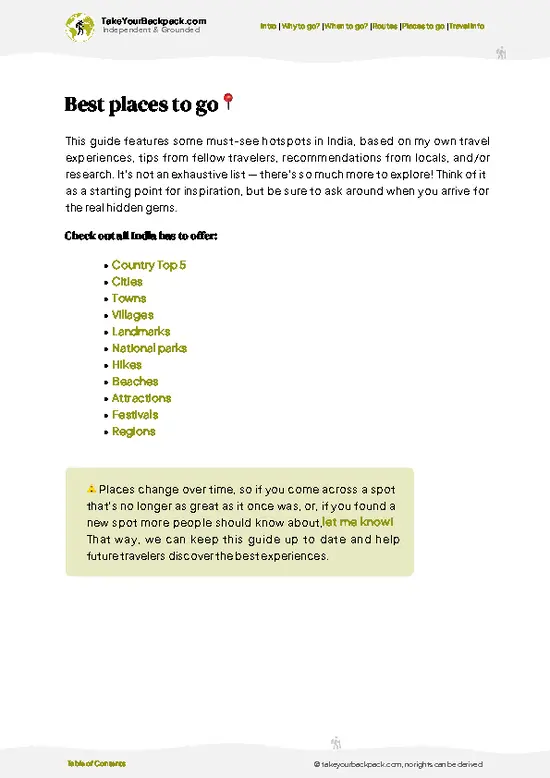
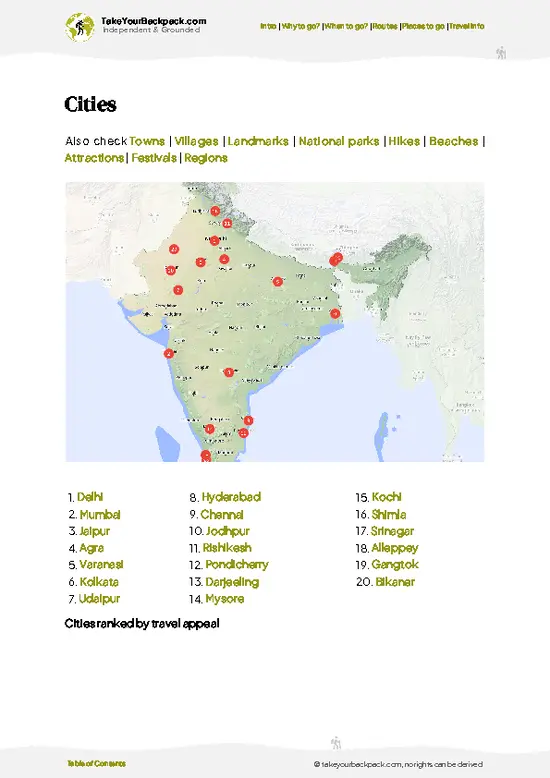
A fortress that never fell to invaders, Junagarh is a labyrinth of palaces, courtyards, and weapon rooms. The real thrill is wandering through the Anup Mahal’s gold-leafed halls and the museum’s oddities (including a WWI biplane). Go early morning for cooler air and thinner crowds. Entry is around ₹100-₹300. Allow 2-3 hours if you want to see more than just the highlights.
Karni Mata Temple (Bikaner City)
Not the famous rat temple outside town, but the city’s own Karni Mata shrine perched on a hilltop. Climb at sunrise or sunset for a panoramic sweep of Bikaner’s rooftops and desert haze. Free entry. The climb and visit take about 45 minutes.
Rampuria Havelis
A street of red sandstone mansions, each facade a riot of carved balconies and stained glass. This is Bikaner’s merchant … read more 👉
A fortress that never fell to invaders, Junagarh is a labyrinth of palaces, courtyards, and weapon rooms. The real thrill is wandering through the Anup Mahal’s gold-leafed halls and the museum’s oddities (including a WWI biplane). Go early morning for cooler air and thinner crowds. Entry is around ₹100-₹300. Allow 2-3 hours if you want to see more than just the highlights.
Karni Mata Temple (Bikaner City)
Not the famous rat temple outside town, but the city’s own Karni Mata shrine perched on a hilltop. Climb at sunrise or sunset for a panoramic sweep of Bikaner’s rooftops and desert haze. Free entry. The climb and visit take about 45 minutes.
Rampuria Havelis
A street of red sandstone mansions, each facade a riot of carved balconies and stained glass. This is Bikaner’s merchant … read more 👉
Junagarh Fort
A fortress that never fell to invaders, Junagarh is a labyrinth of palaces, courtyards, and weapon rooms. The real thrill is wandering through the Anup Mahal’s gold-leafed halls and the museum’s oddities (including a WWI biplane). Go early morning for cooler air and thinner crowds. Entry is around ₹100-₹300. Allow 2-3 hours if you want to see more than just the highlights.
Karni Mata Temple (Bikaner City)
Not the famous rat temple outside town, but the city’s own Karni Mata shrine perched on a hilltop. Climb at sunrise or sunset for a panoramic sweep of Bikaner’s rooftops and desert haze. Free entry. The climb and visit take about 45 minutes.
Rampuria Havelis
A street of red sandstone mansions, each facade a riot of carved balconies and stained glass. This is Bikaner’s merchant history in 3D. Walk the lane at dawn for quiet photos or late afternoon for golden light. Free, but a guided walk (₹200-₹500) adds context. Stroll takes 30-60 minutes.
Bhandasar Jain Temple
A 15th-century temple with walls painted in intricate mythological scenes and ceilings that seem to drip with color. Shoes off, mind the marble floors in summer. Best in the morning. Free entry, donations welcome. 30-45 minutes is plenty unless you linger over the details.
Bikaner Camel Research Centre
A working research station, not a tourist circus. See camels up close, learn about their role in desert life, and—if you time it right—sample camel milk ice cream. Visit in late afternoon for feeding time. Entry ₹30-₹100. Plan for 1-1.5 hours.
Old City Markets (Kote Gate area)
A sensory overload of spices, sweets, and silver. This is where Bikaner’s pulse beats loudest. Go mid-morning or early evening. Free to wander, but budget for snacks and impulse buys. Give yourself at least an hour.
For day trips, the Karni Mata Rat Temple at Deshnok, Gajner Palace by the lake, and the sand dunes near Raisar are all within striking distance—Gajner Palace is my personal favorite for its lakeside serenity and birdlife.
A fortress that never fell to invaders, Junagarh is a labyrinth of palaces, courtyards, and weapon rooms. The real thrill is wandering through the Anup Mahal’s gold-leafed halls and the museum’s oddities (including a WWI biplane). Go early morning for cooler air and thinner crowds. Entry is around ₹100-₹300. Allow 2-3 hours if you want to see more than just the highlights.
Karni Mata Temple (Bikaner City)
Not the famous rat temple outside town, but the city’s own Karni Mata shrine perched on a hilltop. Climb at sunrise or sunset for a panoramic sweep of Bikaner’s rooftops and desert haze. Free entry. The climb and visit take about 45 minutes.
Rampuria Havelis
A street of red sandstone mansions, each facade a riot of carved balconies and stained glass. This is Bikaner’s merchant history in 3D. Walk the lane at dawn for quiet photos or late afternoon for golden light. Free, but a guided walk (₹200-₹500) adds context. Stroll takes 30-60 minutes.
Bhandasar Jain Temple
A 15th-century temple with walls painted in intricate mythological scenes and ceilings that seem to drip with color. Shoes off, mind the marble floors in summer. Best in the morning. Free entry, donations welcome. 30-45 minutes is plenty unless you linger over the details.
Bikaner Camel Research Centre
A working research station, not a tourist circus. See camels up close, learn about their role in desert life, and—if you time it right—sample camel milk ice cream. Visit in late afternoon for feeding time. Entry ₹30-₹100. Plan for 1-1.5 hours.
Old City Markets (Kote Gate area)
A sensory overload of spices, sweets, and silver. This is where Bikaner’s pulse beats loudest. Go mid-morning or early evening. Free to wander, but budget for snacks and impulse buys. Give yourself at least an hour.
For day trips, the Karni Mata Rat Temple at Deshnok, Gajner Palace by the lake, and the sand dunes near Raisar are all within striking distance—Gajner Palace is my personal favorite for its lakeside serenity and birdlife.
Spotted a mistake or missing something? Contact us.

Jaiselmer to Bikaner drop Private Transfers Car service

Self Guided Bikaner City Tour With One Way Transfer To Jaipur

Bikaner Full Day Sightseeing with Bhandeshwari Jain Temple and Lunch

Karni Mata Temple (A Unique Rat Temple) Near Bikaner

Bikaner Sightseeing with Tour Guide - Custom Hours, Itinerary

Royal Trails of Bikaner (Guided Half Day City Tour)

Bikaner 2 Hour Guided Street Food Tasting Tour

Horse Carriage (Tonga) Tour In The Old City Of Bikaner

Heritage & Cultural Trails of Bikaner (2 Hours Guided Walking Tour)


 Best Backpacking
.jpg) Hi, I’m Johan (Netherlands 🇳🇱), the creator of TakeYourBackpack. Over the past 3 decades, I’ve backpacked through 90+ countries across six continents, gaining extensive experience with independent travel, long-term trips, and overland routes.
Hi, I’m Johan (Netherlands 🇳🇱), the creator of TakeYourBackpack. Over the past 3 decades, I’ve backpacked through 90+ countries across six continents, gaining extensive experience with independent travel, long-term trips, and overland routes.