×

India🇮🇳 | citiesImphalKangla fort, floating market, war cemeteries | things to do and best time to go

Explore ShillongExplore Aizawl

Backpacking in Imphal
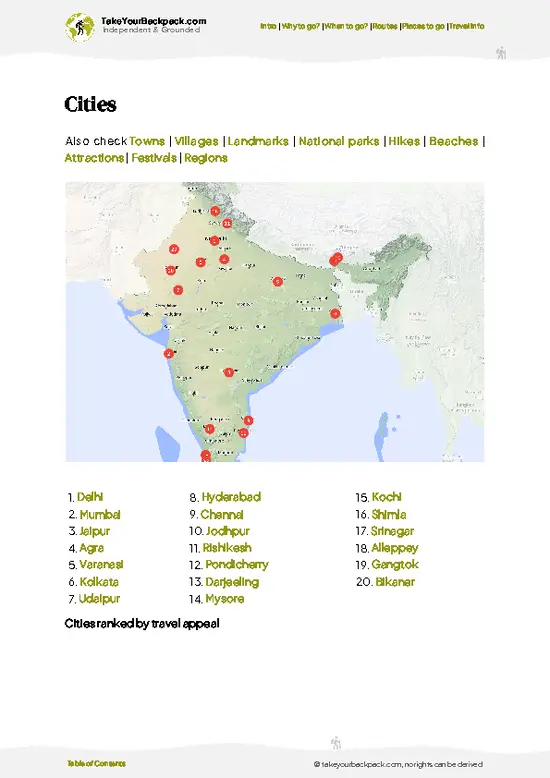
👀 For curious travelerscity ranked #39
By Johan Kruseman 🇳🇱 | Updated September 30, 2026

Your rickshaw idles in a knot of traffic near Khwairamband Bazaar, incense smoke curling over crates of ginger, the air thick with petrol, chili, and the metallic thump of distant drums from a rehearsal hall. This is Imphal, capital of Manipur in India’s far northeast, and it feels more frontier outpost than polished city. It’s cheap, raw, and fascinating if you like history (WWII sites, Kangla Fort), political complexity, and strong local culture, but nightlife is muted, checkpoints are common, and it’s quieter and more tense than backpacker-friendlier hubs like Shillong or Guwahati. I’ve had some of my most thoughtful, low-key evenings here, but it’s a place you come to observe and learn, not to party or glide through on autopilot.

Discover everything you want to know in the 📖 India Travel Guide.


example page 0 from our offline Travel Guide for India
example page 1 from our offline Travel Guide for India
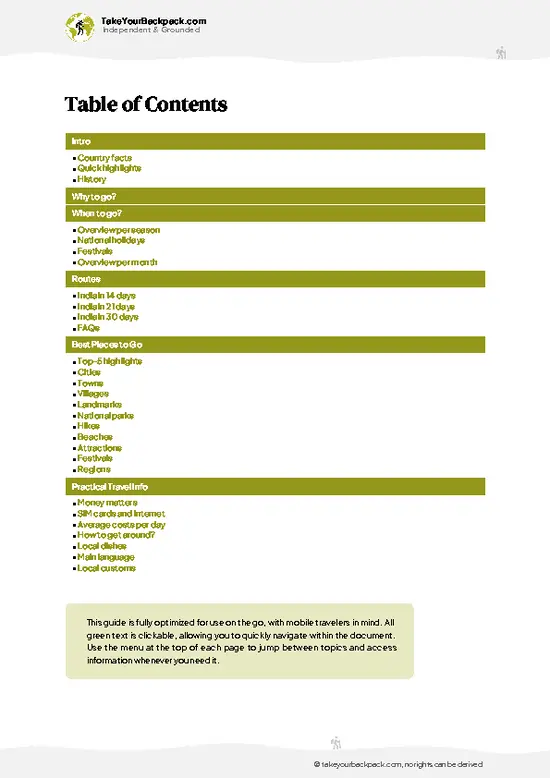
example page 2 from our offline Travel Guide for India
example page 3 from our offline Travel Guide for India
example page 4 from our offline Travel Guide for India
example page 5 from our offline Travel Guide for India
example page 6 from our offline Travel Guide for India
example page 7 from our offline Travel Guide for India
Loading the map 🌍
CLICK TO FILTER
cities
towns
villages
landmarks
national parks
hikes
beaches
attractions
festivals
regions
SHOW COUNTRY’S BESTSHOW ALL

✨ Why go?
Ranked #39 city in India
Why Imphal should be on your travel list

Imphal is a strategic basecamp for backpackers exploring Northeast India. It offers a unique blend of affordability and comfort, with hostels that cater to budget travelers while providing a social atmosphere. The city’s walkability makes it easy to navigate, allowing you to soak in local life without the hassle of transport. Food options are diverse and delicious, from street stalls to cozy cafés. When night falls, the vibrant nightlife adds a layer of excitement. Plus, Imphal serves as a gateway for day trips to stunning landscapes and cultural sites, making it a smart stop on your journey.

🏘️ NeighborhoodsNeighborhood guide to Imphal

Imphal offers a unique blend of culture and accessibility for backpackers. Here’s how the neighborhoods stack up:

Khoyathong: This area buzzes with local life. Affordable guesthouses and street food abound. It’s walkable, with easy access to markets. Perfect for short stays, but the nightlife is low-key.

Paona Bazar: A vibrant hub for shopping and dining. Expect a lively atmosphere, especially in the evenings. While it can be noisy, it’s great for those who thrive on energy. Good transport links make it easy to explore further.

Langol: Quieter and more residential, Langol is ideal for longer stays. It offers a peaceful vibe, with parks and local eateries. Walkability is decent, but you’ll need transport for major attractions.

Choose wisely based on your priorities!

⌛️ 1 dayA smart one-day plan

Imphal, the capital of Manipur, pulses with a unique blend of history and culture. It’s a city where the echoes of ancient battles meet the vibrant rhythms of local life. Start your day at the iconic Kangla Fort, a sprawling complex that tells tales of the region’s past. The morning light casts a warm glow on its walls, making it a perfect backdrop for reflection.

After soaking in the history, wander over to the Ima Keithel, the women’s market. Here, you’ll find everything from handwoven textiles to fresh produce. The energy is infectious, and the locals are eager to share their stories. Grab a quick bite of local cuisine—try the ngari (fermented fish) for an authentic taste.

In the afternoon, head to Loktak Lake, a bit off the beaten path but absolutely worth it. The floating phumdis (islands) … read more 👉
Imphal, the capital of Manipur, pulses with a unique blend of history and culture. It’s a city where the echoes of ancient battles meet the vibrant rhythms of local life. Start your day at the iconic Kangla Fort, a sprawling complex that tells tales of the region’s past. The morning light casts a warm glow on its walls, making it a perfect backdrop for reflection.

After soaking in the history, wander over to the Ima Keithel, the women’s market. Here, you’ll find everything from handwoven textiles to fresh produce. The energy is infectious, and the locals are eager to share their stories. Grab a quick bite of local cuisine—try the ngari (fermented fish) for an authentic taste.

In the afternoon, head to Loktak Lake, a bit off the beaten path but absolutely worth it. The floating phumdis (islands) are mesmerizing, and you can rent a boat to explore. As the sun begins to set, return to Imphal and enjoy dinner at a local eatery. The flavors will linger long after you leave, making your day in this vibrant city truly memorable.

🌤️ When to go?When to go for the best experience

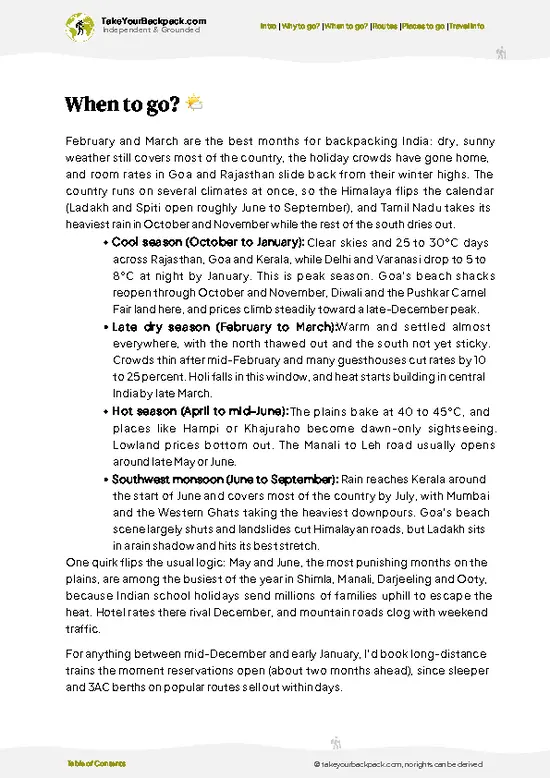
  • Weather: Imphal’s best window is October to March, when the monsoon has retreated and skies clear. Expect dry days and crisp air, avoiding the heavy rains that flood the city from June to September.
  • Temperature: During the ideal months, daytime highs hover around 20-25°C (68-77°F), with nights dropping to a cool 5-10°C (41-50°F). This contrast keeps you comfortable for trekking and city strolls.
  • Daylight Hours: Around 11-12 hours of daylight in the peak season means you have plenty of time to explore without rushing, especially important for outdoor activities.
  • Crowds: Tourist numbers peak during winter festivals like Sangai Festival in November, so expect more visitors then. Off-peak months offer solitude but fewer cultural events.
  • Seasonal Activities: The Sangai Festival showcases
… read more 👉
  • Weather: Imphal’s best window is October to March, when the monsoon has retreated and skies clear. Expect dry days and crisp air, avoiding the heavy rains that flood the city from June to September.
  • Temperature: During the ideal months, daytime highs hover around 20-25°C (68-77°F), with nights dropping to a cool 5-10°C (41-50°F). This contrast keeps you comfortable for trekking and city strolls.
  • Daylight Hours: Around 11-12 hours of daylight in the peak season means you have plenty of time to explore without rushing, especially important for outdoor activities.
  • Crowds: Tourist numbers peak during winter festivals like Sangai Festival in November, so expect more visitors then. Off-peak months offer solitude but fewer cultural events.
  • Seasonal Activities: The Sangai Festival showcases local culture, crafts, and dance, making November a cultural jackpot. Outside this, the quieter months let you experience daily life without the tourist buzz.
  • Price Fluctuations: Accommodation and transport costs spike during festival season and winter holidays. Booking outside these times can save you 20-30%, letting you stretch your budget further.
Pro-tip: Aim for late October or early March to balance pleasant weather, manageable crowds, and better prices—your sweet spot for a high-value Imphal experience.


source: climatestotravel.comJANJanuary: excellent for travelingFEBFebruary: excellent for travelingMARMarch: highly recommended for travelingAPRApril: good for travelingMAYMay: fair for travelingJUNJune: below average for travelingJULJuly: below average for travelingAUGAugust: below average for travelingSEPSeptember: fair for travelingOCTOctober: highly recommended for travelingNOVNovember: excellent for travelingDECDecember: excellent for traveling
when-to-go

✈️ The backpacker research shortcutIndia Travel Guide

An offline-friendly backpacking guide with optimized travel routes, ranked highlights, transport advice, and the best areas to stay.
example page 0 from our offline Travel Guide for India
example page 1 from our offline Travel Guide for India
example page 2 from our offline Travel Guide for India
example page 3 from our offline Travel Guide for India
example page 4 from our offline Travel Guide for India
example page 5 from our offline Travel Guide for India
example page 6 from our offline Travel Guide for India
example page 7 from our offline Travel Guide for India
The digital guide (483 pages) contains:
✅ 157 highlights, ranked by travel appeal
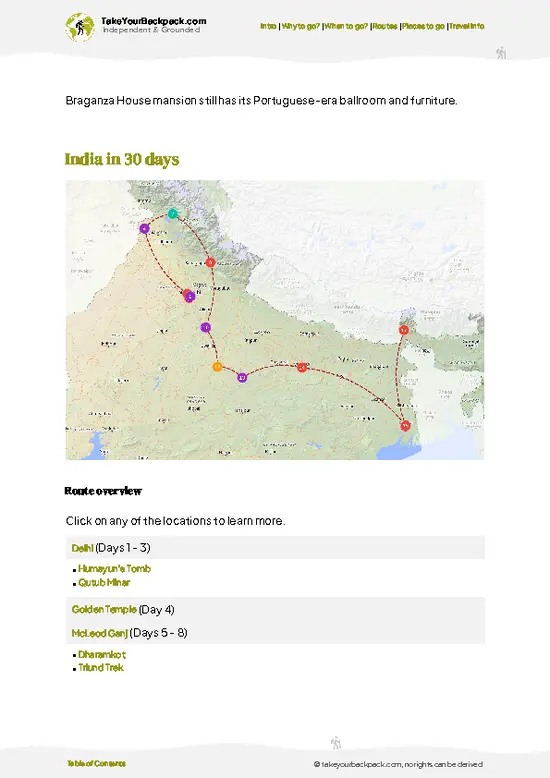
✅ Optimized 14, 21 & 30-day travel routes
✅ Cities, national parks, landmarks, beaches
✅ How to get around
✅ Offline-friendly for travel without Wi-Fi
👉 Click to see all 30+ guide features

📅 Plan smarter in minutes, not weeks
✅ Month by month travel advice
✅ Festivals & national holidays
✅ Budget expectations

🗺️ Go to the right places, skip the overrated ones
✅ Honest pros & cons of destinations
✅ Top hikes, parks & viewpoints
✅ Lesser-known places most travelers miss
✅ Clear “worth it vs skip it” guidance

🛏️ Travel smoothly without rookie mistakes
✅ Best areas to stay
✅ Transport systems explained simply
✅ Common scams & safety advice
✅ SIM cards, money & practical tips

🌍 Understand the country, not just visit it
✅ Culture & traditions
✅ 52 Essential phrases & customs
✅ Festivals worth planning around
✅ Traveler-friendly historical context
✅ Insights that make places more meaningful

📱 Built for real travel conditions
✅ Fully downloadable PDF
✅ Works completely offline
✅ Optimized for phone use
✅ Useful in remote areas & buses
✅ Everything in one place
Stop searching, start planning
Get instant access to your full guide. 30‑day money-back guarantee.
+ Add another guide for just

By proceeding you agree to our terms.
Sent to your inbox immediately after payment • 100% Secure Checkout
Best Backpacking Travel Advisor 2025 tourism awardBest Backpacking
Travel Advisor
2025
What others say about Take Your Backpack Guides:
⭐⭐⭐⭐⭐
Fantastic, amazing amount of information!
⭐⭐⭐⭐⭐
My goodness this is amazing, it's what I've been looking for hats off too you!
⭐⭐⭐⭐⭐
I think this is absolutely BRILLIANT
⭐⭐⭐⭐
Very complete and informative. It's still missing places, but I gotta to commend you
⭐⭐⭐⭐⭐
This is truly amazing, thank you, can't wait to explore it with my kids!
⭐⭐⭐⭐⭐
Awesome resource, thank you!
⭐⭐⭐⭐⭐
This is amazing! Can't wait to explore the ones I haven't seen
⭐⭐⭐⭐
I love this! Well done, great idea.
⭐⭐⭐⭐⭐
Thanks for taking the time to make this gem!
⭐⭐⭐⭐⭐
This might be the best website I've ever seen.
⭐⭐⭐⭐⭐
Congratulations, and thank you so much for your work; it's incredibly valuable.
⭐⭐⭐⭐
In all seriousness I think you did a great job pointing out the important spots
⭐⭐⭐⭐⭐
10/10 very good
⭐⭐⭐⭐⭐
As someone who's only just starting to visit regularly this is awesome, thank you.
⭐⭐⭐⭐
Thank you very much! I'm going to visit my dad, it's going to be very useful!
⭐⭐⭐⭐⭐
This is really cool! We'll be travelling for the first time and this definitely come in handy.
⭐⭐⭐⭐⭐
You are now our minister of culture, congratulations 👨‍💼
⭐⭐⭐⭐⭐
Just wanted to tell you that this is a pearl! Going to follow your recommendations.
⭐⭐⭐⭐⭐
This is so cool. I'll definitely be using the resource for my travels soon.
⭐⭐⭐⭐⭐
This is very impressive! Good work.
⭐⭐⭐⭐⭐
This is an amazing and informative site. Very well done!

🛏️ Where to stay?Best areas to stay in India

In Imphal, the sweet spot for backpackers is the area around Khwairamband Bazaar and the nearby Palace Compound. This zone nails the balance between safety and social buzz without inflating your budget. It’s where you’ll find a handful of hostels and guesthouses catering to solo travelers and budget adventurers, making it easy to connect with like-minded explorers. Compared to the quieter, more residential parts of the city, this area pulses with local life—street food stalls, markets, and easy access to cultural sites. You trade a bit of peace for convenience and camaraderie, but that’s the currency of a memorable backpacking stay here.

🚌 Getting aroundHow to get around Imphal

Imphal moves at its own rhythm—neither a frantic rush nor a slow crawl. It’s a city where time feels elastic, shaped by a blend of traditional pace and the sporadic bursts of modern hustle. You won’t find a rigid timetable stamped on every corner, but there’s a pulse here, a flow that rewards those who read between the lines. Navigating Imphal means balancing patience with savvy choices—knowing when to wait and when to leap onto the next ride. Your decisions about time, money, and comfort aren’t just logistical; they shape your entire experience.
  • Walking: The most reliable and free option, especially in the compact city center. It’s slow but immersive—expect 20-30 minutes between major spots. No schedule, pure freedom, and a chance to soak in local life.
  • Auto Rickshaws: Available from early
… read more 👉
Imphal moves at its own rhythm—neither a frantic rush nor a slow crawl. It’s a city where time feels elastic, shaped by a blend of traditional pace and the sporadic bursts of modern hustle. You won’t find a rigid timetable stamped on every corner, but there’s a pulse here, a flow that rewards those who read between the lines. Navigating Imphal means balancing patience with savvy choices—knowing when to wait and when to leap onto the next ride. Your decisions about time, money, and comfort aren’t just logistical; they shape your entire experience.
  • Walking: The most reliable and free option, especially in the compact city center. It’s slow but immersive—expect 20-30 minutes between major spots. No schedule, pure freedom, and a chance to soak in local life.
  • Auto Rickshaws: Available from early morning until late evening, fares start around ₹30 for short trips. They’re quick and nimble but can get cramped and hot. Great for short hops when time is tight but budget matters.
  • Shared Taxis: Running on flexible routes with departures when full, these cost ₹50-₹100 depending on distance. They strike a balance—faster than walking, cheaper than private taxis, but you’ll share space and wait times vary.
  • Private Taxis: Available 24/7, negotiable fares starting around ₹300 for city trips. Comfort and speed come at a premium, ideal if you’re pressed for time or traveling with gear but expect to pay for that convenience.
  • City Buses: Limited routes and schedules, mostly morning to early evening. Fares are the cheapest at ₹10-₹20, but buses can be slow and crowded. Best if you want to stretch your budget and don’t mind a slower pace.

👛 Costs (as of 30 September 2026)Typical daily expenses

Backpacking in Imphal, India, offers a fascinating blend of affordability and cultural richness, but knowing the real costs helps you play the game smart.
  • Dorm Accommodation (High Season): Expect to pay around $8 to $12 per night. High season here means slightly higher demand, but prices remain reasonable compared to bigger Indian cities.
  • Dorm Accommodation (Off-Season): Prices drop to about $5 to $7 per night. Off-season can bring quieter hostels and more bargaining power, perfect if you’re flexible.
  • Meals: Street food and local eateries serve filling meals for $1.50 to $3 each. A mix of traditional Manipuri dishes and simple Indian staples keeps your budget lean without sacrificing flavor.
  • Local Transport: Rickshaws and shared autos cost roughly $0.20 to $0.50 per ride within the city.
… read more 👉
Backpacking in Imphal, India, offers a fascinating blend of affordability and cultural richness, but knowing the real costs helps you play the game smart.
  • Dorm Accommodation (High Season): Expect to pay around $8 to $12 per night. High season here means slightly higher demand, but prices remain reasonable compared to bigger Indian cities.
  • Dorm Accommodation (Off-Season): Prices drop to about $5 to $7 per night. Off-season can bring quieter hostels and more bargaining power, perfect if you’re flexible.
  • Meals: Street food and local eateries serve filling meals for $1.50 to $3 each. A mix of traditional Manipuri dishes and simple Indian staples keeps your budget lean without sacrificing flavor.
  • Local Transport: Rickshaws and shared autos cost roughly $0.20 to $0.50 per ride within the city. They’re cheap but can be a bit chaotic, so factor in some patience.
  • City Transport Pass: Imphal doesn’t have a formal city transport pass system. Most travelers rely on individual rides or occasional taxis, which can run $2 to $5 for longer trips.
  • Basic Activities/Entry Fees: Visiting cultural sites or museums usually costs between $1 and $3. Some natural spots might have small entry fees, but nothing that breaks the bank.
  • Miscellaneous Expenses: Budget around $1 to $3 daily for essentials like bottled water, snacks, or minor toiletries. Always good to have a little buffer for unexpected small buys.

All told, you’re looking at roughly $12 to $25 per day, depending on how much you lean into comfort or scrimp on extras. Imphal’s charm is in its simplicity and low cost, so you can stretch your budget without feeling like you’re missing out. The trick is balancing the occasional splurge on a good meal or a guided tour with the steady rhythm of affordable basics.
⚠️ Prices can change and everyone travels differently, so take this as a rough guide. Hope it helps you plan your adventure!

🚌 Day tripsWhere to go beyond the main area

Imphal serves as an excellent launchpad for day trips that reveal the rich tapestry of Manipur’s culture and landscapes.

Kangla Fort
Just a short 15-minute ride from Imphal, Kangla Fort is a historical treasure. This ancient site, once the seat of the Manipuri kings, offers a glimpse into the region’s past. Explore the ruins, take in the serene surroundings, and don’t miss the nearby temples. Entry is free, making it a budget-friendly choice. Aim for early morning to avoid the heat and crowds.


Loktak Lake
About an hour’s drive from Imphal, Loktak Lake is a must-see. Known for its floating phumdis (vegetation), this unique ecosystem is perfect for a boat ride. You’ll encounter local fishermen and maybe even spot the rare Sangai deer. Expect to spend around ₹500 for transport and a boat … read more 👉
Imphal serves as an excellent launchpad for day trips that reveal the rich tapestry of Manipur’s culture and landscapes.

Kangla Fort
Just a short 15-minute ride from Imphal, Kangla Fort is a historical treasure. This ancient site, once the seat of the Manipuri kings, offers a glimpse into the region’s past. Explore the ruins, take in the serene surroundings, and don’t miss the nearby temples. Entry is free, making it a budget-friendly choice. Aim for early morning to avoid the heat and crowds.


Loktak Lake
About an hour’s drive from Imphal, Loktak Lake is a must-see. Known for its floating phumdis (vegetation), this unique ecosystem is perfect for a boat ride. You’ll encounter local fishermen and maybe even spot the rare Sangai deer. Expect to spend around ₹500 for transport and a boat rental. The best time to visit is during the cooler months, from October to March. A common mistake? Skipping the early morning light, which makes for stunning photos.


Kangching Hill
For a taste of adventure, head to Kangching Hill, roughly 45 minutes from Imphal. This hike offers panoramic views of the surrounding valleys and is less frequented by tourists. Bring snacks and water, as there are no facilities. The trek is moderate, so plan for a few hours of exploration. The ideal time is during the dry season, from November to February. Many first-timers underestimate the trail’s difficulty, so wear sturdy shoes.

🍲 FoodLocal Cuisine & Drinks

In Imphal, the food scene is a vibrant tapestry of flavors. Dive into Eromba, a spicy mash of boiled vegetables and fermented fish, or savor Singju, a fresh salad bursting with herbs and local greens. Street vendors serve these delights, filling the air with enticing aromas.

For drinks, try Kangshoi, a light soup that’s both comforting and refreshing. The local tea stalls are a hub of social life, where you can sip strong chai while chatting with friendly locals.

Remember, sharing food is a sign of friendship here, so don’t hesitate to join in on communal meals. Embrace the quirks, and let the flavors guide your adventure!

🛡️ SafetyScams, Hazards, and Annoyances

Imphal is generally safe, but awareness is key. Stick to well-lit areas at night, especially if you’re solo. The market can be bustling, so keep an eye on your belongings; pickpockets occasionally lurk in crowds.

Be cautious with offers from overly friendly locals; they might lead you to shops with inflated prices. Always negotiate before accepting services, like taxis or guided tours. Trust your instincts—if something feels off, it probably is. Stay alert, and you’ll navigate the city smoothly.

FAQTraveler FAQ

3 to 4 days are sufficient to explore Imphal and its key attractions such as the Kangla Fort, Ima Keithel market, and Loktak Lake nearby. This allows time for cultural immersion and day trips without rushing.
Yes, Imphal is generally safe for solo backpackers, especially during daylight hours. Basic precautions like avoiding isolated areas at night and keeping valuables secure are advised due to occasional political unrest in the region.
Imphal is known for its rich cultural heritage, including traditional Manipuri dance and crafts. It is also famous for the Ima Keithel, one of the largest all-women markets in Asia, and its proximity to Loktak Lake, the largest freshwater lake in Northeast India.
⚠️ Things can change over time, so always validate details locally before you go.

Other Indian cities near Imphal

Explore more nearby:

  • Aizawl—Hilltop churches, bamboo houses, winding lanes| 172 km away
  • Shillong—Pine hills, colonial cottages, live music venues| 223 km away
  • Guwahati—Brahmaputra river, hilltop temples, tea auctions| 267 km away

💡 Not sure where to go next?
Create a personalized itinerary for India including Imphal and the places that fit your trip.

Generate my itinerary

👉 Discover all cities

Or checkout all India has to offer (think cities, towns, villages, national parks, hikes, beaches, festivals)
Country photo of India

We 💚 feedbackFinal thoughts on visiting Imphal

Imphal’s rich tapestry of history and culture is magnetic. The local markets pulse with life, offering a taste of authentic Manipuri cuisine that’s hard to resist. Just know that infrastructure can be a bit rough around the edges, so embrace the unpredictability. It’s part of the adventure.

✈️ When did I visit India?
As part of my 1.5 year travel around the world trip, I visited India in December 2015.

✍️ Help improve this page!
The information on this page is based on my own backpacking experience in India, supplemented with up-to-date research and feedback from other travelers. Travel details can change, so if you notice anything outdated or incomplete, feel free to let me know.


🙋‍♂️ Give feedback

👋 Meet the founderWho’s Behind Take Your Backpack?

Johan, backpacker and founder of TakeYourBackpackHi, I’m Johan (Netherlands 🇳🇱), the creator of TakeYourBackpack. Over the past 3 decades, I’ve backpacked through 90+ countries across six continents, gaining extensive experience with independent travel, long-term trips, and overland routes.

This site is built on a combination of firsthand travel experience and carefully curated insights from other backpackers. Many guides are based on places I’ve personally visited, while others bring together tips, observations, and practical advice shared by trusted travelers I’ve met along the way.

The goal is to provide realistic, experience-driven guidance — not generic itineraries — so you can explore destinations with better context, clearer expectations, and more confidence.