
×

India🇮🇳 | citiesGuwahatiBrahmaputra river, hilltop temples, tea auctions | things to do and best time to go

Explore CuttackExplore Shillong

Backpacking in Guwahati
👀 For curious travelerscity ranked #41
By Johan Kruseman 🇳🇱 | Updated September 4, 2026

Most people think Guwahati is just a chaotic transit hub to “real” Northeast India; that’s wrong and a bit lazy. Sitting on the Brahmaputra in Assam, in India’s far northeast, it’s a scruffy but key gateway city with temples, river islands, and real local life. Backpacking here is cheap, safe by big-city standards, and light on scams, but nightlife is thin and other travelers can be scarce outside Paltan Bazar hostels and Uzan Bazar cafés. I like it as a launchpad: Kamakhya Temple for intensity, sunset ferries to Umananda Island for calm, then move on to Shillong or Kaziranga when you want scenery and cooler air.

Discover everything you want to know in the 📖 India Travel Guide.


Get your India guide
162 ranked highlights, routes & tips, works offline (498 pages)
Loading the map 🌍
CLICK TO FILTER
cities
towns
villages
landmarks
national parks
hikes
beaches
attractions
festivals
regions
SHOW COUNTRY’S BESTSHOW ALL

✨ Why go?
Ranked #41 city in India
The unique appeal for travelers

Guwahati is a strategic basecamp for backpackers exploring Northeast India. It offers a mix of affordable hostels and vibrant street food that keeps your budget in check while satisfying your cravings. The city’s walkability makes it easy to navigate, allowing you to soak in local life without the hassle of transport. With a lively nightlife, you can unwind after a day of exploration. Plus, Guwahati serves as a gateway for day trips to stunning landscapes and cultural sites, making it a practical stopover. If you’re looking for a blend of convenience and character, this city fits right into your travel route.
Want to include Guwahati in your India route?
Create a personalized India itinerary that includes Guwahati and the places that fit your trip — based on your travel style, budget, and available time. Get your route in seconds.

Generate my trip

💡 HighlightsDon't-miss highlights and experiences

  • Kamakhyā Temple (Nilachal Hill) — The spiritual heart of Guwahati: an ancient tantric Shakti shrine with dramatic views over the city and the Brahmaputra. Visiting during non-festival days gives you the architecture, the rituals, and a sense of why this place draws pilgrims from all over.
  • Umananda Island (Bhasmacala) — A tiny river island reachable by a short ferry ride from the city. The boat trip itself is the highlight: calm Brahmaputra scenery, a compact temple, and cheeky local monkeys. Great for a relaxed morning escape.
  • Srimanta Sankardev Kalakshetra — A tidy cultural complex and museum dedicated to Assamese arts, dance, masks and folk traditions. Good for getting context on Assam’s music, crafts and theatre without having to chase down individual troupes.
  • Assam State Museum (Ambari)
read more 👉
  • Kamakhyā Temple (Nilachal Hill) — The spiritual heart of Guwahati: an ancient tantric Shakti shrine with dramatic views over the city and the Brahmaputra. Visiting during non-festival days gives you the architecture, the rituals, and a sense of why this place draws pilgrims from all over.
  • Umananda Island (Bhasmacala) — A tiny river island reachable by a short ferry ride from the city. The boat trip itself is the highlight: calm Brahmaputra scenery, a compact temple, and cheeky local monkeys. Great for a relaxed morning escape.
  • Srimanta Sankardev Kalakshetra — A tidy cultural complex and museum dedicated to Assamese arts, dance, masks and folk traditions. Good for getting context on Assam’s music, crafts and theatre without having to chase down individual troupes.
  • Assam State Museum (Ambari) — Archaeology and local history in one place: artifacts from the Ahom period, tribal exhibits and displays that make the region’s past feel real. Solid if you like quiet, informative museums.
  • Fancy Bazaar — Not a curated attraction but the city’s living marketplace: textiles, brassware, tea stalls, and seriously good street food. It’s noisy, colorful and the best place to see everyday Guwahati life up close.
  • Brahmaputra Riverfront & evening cruises — The redeveloped riverfront and the short evening cruises from the city jetties are perfect for sunsets, riverbank promenades, and skyline photography. Do the cruise if you want the birds-eye feeling of the river and city together.
  • Basistha Temple & Ashram — A quiet, forested temple complex with natural springs, rock formations and a sense of old pilgrimage routes. Good for a short hike, some shade, and a break from the urban rush.
  • Assam State Zoo cum Botanical Garden (Hengerabari) — One of the larger zoos in the Northeast with botanical sections, rescue work and a chance to see local species. It’s not polished like big-city zoos, but it’s useful for families and natural-history buffs.
  • Uzan Bazaar (riverside neighbourhood) — Old-town charm: colonial-era lanes, small temples, ghats and shops selling traditional items. Walk the riverside here at dawn for a different, calmer face of Guwahati.
  • Dighalipukhuri — The historic man-made tank in the city centre: an easy stroll, local memorials, occasional cultural events and nice evening light. It’s a compact spot that connects to a lot of Guwahati’s civic history.
For day trips outside the city but nearby, Hajo (ancient Hayagriva Madhava shrine), Sualkuchi (the traditional weaving village), and Pobitora Wildlife Sanctuary (rhino sightings) are all easy half- to full-day outings — Sualkuchi is my personal favourite for up-close textile craft and photography.
Spotted a mistake or missing something? Contact us.

Things to do in Guwahati

Ratings based on Tripadvisor reviews. When you book through this link, you support our work at no extra cost to you.

🏘️ NeighborhoodsKey areas and districts to know

Guwahati is a vibrant entry point to Northeast India, blending culture and convenience for backpackers. Here’s how the neighborhoods stack up:

Pan Bazaar: The heart of the city, buzzing with energy. You’ll find affordable guesthouses and street food galore. Walkable streets make it easy to explore local markets. Nightlife is lively, but it quiets down by midnight. Perfect for short stays.

Uzan Bazar: A mix of traditional and modern. This area is quieter, with charming cafes and art galleries. It’s great for longer stays, offering a more laid-back vibe. Transport options are solid, making it easy to venture out.

Dispur: The administrative hub. While it’s less touristy, it’s well-connected by public transport. Accommodations are slightly pricier, but you’ll find a more local experience. Ideal … read more 👉
Guwahati is a vibrant entry point to Northeast India, blending culture and convenience for backpackers. Here’s how the neighborhoods stack up:

Pan Bazaar: The heart of the city, buzzing with energy. You’ll find affordable guesthouses and street food galore. Walkable streets make it easy to explore local markets. Nightlife is lively, but it quiets down by midnight. Perfect for short stays.

Uzan Bazar: A mix of traditional and modern. This area is quieter, with charming cafes and art galleries. It’s great for longer stays, offering a more laid-back vibe. Transport options are solid, making it easy to venture out.

Dispur: The administrative hub. While it’s less touristy, it’s well-connected by public transport. Accommodations are slightly pricier, but you’ll find a more local experience. Ideal for those wanting to dig deeper into the culture.

Guwahati University Area: A youthful vibe with budget-friendly options. The area is walkable, with a mix of cafes and parks. Nightlife is low-key, making it suitable for longer stays focused on study or relaxation.

⌛️ 1 daySeeing the highlights in 24 hours

Guwahati, the gateway to Northeast India, pulses with a blend of tradition and modernity. The Brahmaputra River flows through it, offering a backdrop that’s both serene and vibrant. Start your day in the bustling neighborhood of Paltan Bazaar, where the aroma of fresh tea mingles with the chatter of locals. Grab a quick breakfast at a roadside stall—try the aloo paratha, crispy and comforting.

In the late morning, head to the Kamakhya Temple, a revered site perched on Nilachal Hill. The climb is invigorating, and the views are rewarding. This temple, dedicated to the goddess Shakti, is often overlooked by tourists, but its spiritual energy is palpable.

After lunch, explore the Assam State Museum in the heart of the city. It’s a treasure trove of local history and art, giving you a deeper … read more 👉
Guwahati, the gateway to Northeast India, pulses with a blend of tradition and modernity. The Brahmaputra River flows through it, offering a backdrop that’s both serene and vibrant. Start your day in the bustling neighborhood of Paltan Bazaar, where the aroma of fresh tea mingles with the chatter of locals. Grab a quick breakfast at a roadside stall—try the aloo paratha, crispy and comforting.

In the late morning, head to the Kamakhya Temple, a revered site perched on Nilachal Hill. The climb is invigorating, and the views are rewarding. This temple, dedicated to the goddess Shakti, is often overlooked by tourists, but its spiritual energy is palpable.

After lunch, explore the Assam State Museum in the heart of the city. It’s a treasure trove of local history and art, giving you a deeper understanding of the region’s rich culture.

As evening approaches, stroll along the Brahmaputra Riverfront. The sunset casts a golden hue, perfect for reflection. Wrap up your day with dinner at a local eatery in the Uzan Bazar area, where you can savor authentic Assamese cuisine. Each bite tells a story, making your day in Guwahati truly memorable.
Turn your Guwahati visit into an India adventure
Build a complete India route with Guwahati, hidden gems, must-see destinations, and realistic travel times included.

Generate my trip

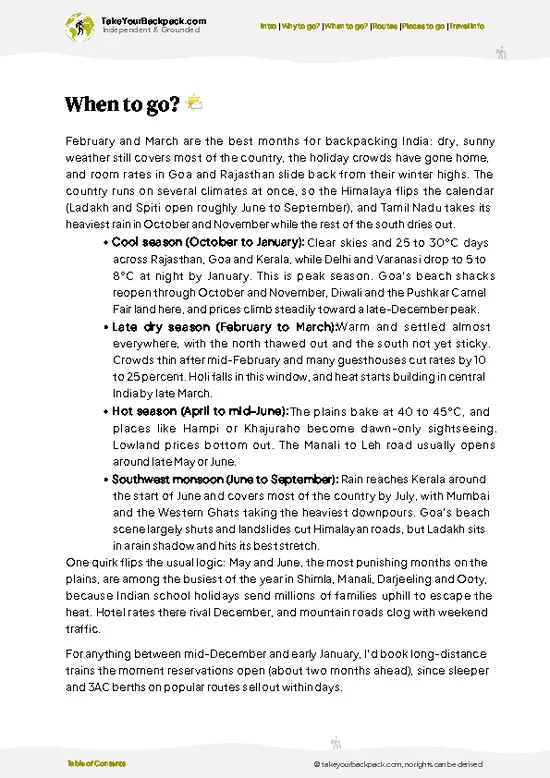
🌤️ When to go?Seasonal considerations and timing


  • Topic: Weather – Guwahati’s best window is October to April. The monsoon (June to September) drenches the city, making trails slippery and transport unreliable.

  • Topic: Temperature – Expect 15-25°C (59-77°F) in winter months, perfect for trekking and city strolls. Summers spike to 30-35°C (86-95°F), which can sap your energy fast.

  • Topic: Daylight Hours – Around 11-12 hours of daylight year-round, but winter days are shorter, so plan early starts to maximize exploration.

  • Topic: Crowds – Peak tourist season aligns with winter and early spring, so expect more fellow travelers but also better infrastructure and events.

  • Topic: Seasonal Activities – Festivals like Bihu in April add cultural depth but also raise prices and crowd density.

  • Topic: Price Fluctuations – Off-season (monsoon)
read more 👉

  • Topic: Weather – Guwahati’s best window is October to April. The monsoon (June to September) drenches the city, making trails slippery and transport unreliable.

  • Topic: Temperature – Expect 15-25°C (59-77°F) in winter months, perfect for trekking and city strolls. Summers spike to 30-35°C (86-95°F), which can sap your energy fast.

  • Topic: Daylight Hours – Around 11-12 hours of daylight year-round, but winter days are shorter, so plan early starts to maximize exploration.

  • Topic: Crowds – Peak tourist season aligns with winter and early spring, so expect more fellow travelers but also better infrastructure and events.

  • Topic: Seasonal Activities – Festivals like Bihu in April add cultural depth but also raise prices and crowd density.

  • Topic: Price Fluctuations – Off-season (monsoon) sees steep discounts on lodging and tours, but you trade comfort and accessibility.


Pro-tip: Target late October to early March for a smart balance of cool weather, manageable crowds, and full access to local life without paying a premium.


source: climatestotravel.comJANJanuary: excellent for travelingFEBFebruary: excellent for travelingMARMarch: excellent for travelingAPRApril: highly recommended for travelingMAYMay: good for travelingJUNJune: below average for travelingJULJuly: below average for travelingAUGAugust: below average for travelingSEPSeptember: fair for travelingOCTOctober: excellent for travelingNOVNovember: excellent for travelingDECDecember: excellent for traveling
when-to-go

✈️ The backpacker research shortcutIndia Travel Guide

An offline-friendly backpacking guide with optimized travel routes, ranked highlights, transport advice, and the best areas to stay.
example page 0 from our offline Travel Guide for India
example page 1 from our offline Travel Guide for India
example page 2 from our offline Travel Guide for India
example page 3 from our offline Travel Guide for India
example page 4 from our offline Travel Guide for India
example page 5 from our offline Travel Guide for India
example page 6 from our offline Travel Guide for India
example page 7 from our offline Travel Guide for India
The digital guide (498 pages) contains:
162 highlights, ranked by travel appeal
Optimized 14, 21 & 30-day travel routes
Cities, national parks, landmarks, beaches
How to get around
Offline-friendly for travel without Wi-Fi
👉 Click to see all 30+ guide features

📅 Plan smarter in minutes, not weeks
Month by month travel advice
Festivals & national holidays
Budget expectations

🗺️ Go to the right places, skip the overrated ones
Honest pros & cons of destinations
Top hikes, parks & viewpoints
Lesser-known places most travelers miss
Clear “worth it vs skip it” guidance

🛏️ Travel smoothly without rookie mistakes
Best areas to stay
Transport systems explained simply
Common scams & safety advice
SIM cards, money & practical tips

🌍 Understand the country, not just visit it
Culture & traditions
52 Essential phrases & customs
Festivals worth planning around
Traveler-friendly historical context
Insights that make places more meaningful

📱 Built for real travel conditions
Fully downloadable PDF
Works completely offline
Optimized for phone use
Useful in remote areas & buses
Everything in one place
Save weeks of stressful planning
Get instant access to your full guide. 30‑day money-back guarantee.
+ Add another guide for just US$7.80

By proceeding you agree to our terms.
Sent to your inbox immediately after payment • 100% Secure Checkout
Best Backpacking Travel Advisor 2025 tourism awardBest Backpacking
Travel Advisor
2025
What others say about Take Your Backpack Guides:
⭐⭐⭐⭐⭐
Fantastic, amazing amount of information!
⭐⭐⭐⭐⭐
My goodness this is amazing, it's what I've been looking for hats off too you!
⭐⭐⭐⭐⭐
I think this is absolutely BRILLIANT
⭐⭐⭐⭐
Very complete and informative. It's still missing places, but I gotta to commend you
⭐⭐⭐⭐⭐
This is truly amazing, thank you, can't wait to explore it with my kids!
⭐⭐⭐⭐⭐
Awesome resource, thank you!
⭐⭐⭐⭐⭐
This is amazing! Can't wait to explore the ones I haven't seen
⭐⭐⭐⭐
I love this! Well done, great idea.
⭐⭐⭐⭐⭐
Thanks for taking the time to make this gem!
⭐⭐⭐⭐⭐
This might be the best website I've ever seen.
⭐⭐⭐⭐⭐
Congratulations, and thank you so much for your work; it's incredibly valuable.
⭐⭐⭐⭐
In all seriousness I think you did a great job pointing out the important spots
⭐⭐⭐⭐⭐
10/10 very good
⭐⭐⭐⭐⭐
As someone who's only just starting to visit regularly this is awesome, thank you.
⭐⭐⭐⭐
Thank you very much! I'm going to visit my dad, it's going to be very useful!
⭐⭐⭐⭐⭐
This is really cool! We'll be travelling for the first time and this definitely come in handy.
⭐⭐⭐⭐⭐
You are now our minister of culture, congratulations 👨‍💼
⭐⭐⭐⭐⭐
Just wanted to tell you that this is a pearl! Going to follow your recommendations.
⭐⭐⭐⭐⭐
This is so cool. I'll definitely be using the resource for my travels soon.
⭐⭐⭐⭐⭐
This is very impressive! Good work.
⭐⭐⭐⭐⭐
This is an amazing and informative site. Very well done!

🛏️ Where to stay?Best areas and accommodation options

Pan Bazaar is the backpacker sweet spot in Guwahati. It’s a compact hub where budget hostels cluster, making it easy to meet fellow travelers without the hassle of long commutes. The vibe here is lively but not chaotic—streets buzz with local markets and street food stalls, offering a genuine slice of city life. Safety is decent, especially compared to the more sprawling, less tourist-friendly parts of Guwahati. You trade some comfort for proximity and social energy, but that’s the point: you’re plugged into the pulse of the city. Other areas might offer quieter stays or upscale options, but they … read more 👉
Pan Bazaar is the backpacker sweet spot in Guwahati. It’s a compact hub where budget hostels cluster, making it easy to meet fellow travelers without the hassle of long commutes. The vibe here is lively but not chaotic—streets buzz with local markets and street food stalls, offering a genuine slice of city life. Safety is decent, especially compared to the more sprawling, less tourist-friendly parts of Guwahati. You trade some comfort for proximity and social energy, but that’s the point: you’re plugged into the pulse of the city. Other areas might offer quieter stays or upscale options, but they lack this blend of accessibility, affordability, and community that Pan Bazaar nails.

🚌 Getting aroundTransportation options and practical tips

Guwahati moves with a pulse that’s part methodical, part improvisational jazz. The city’s rhythm isn’t about strict timetables but about reading the flow—when the streets thicken with honks and the sidewalks fill with bargaining voices. Here, time bends around the chaos of traffic and the patience of the traveler. You’re not just moving through Guwahati; you’re syncing with its unpredictable beat, where every choice between speed, cost, and comfort shapes your experience.


  • Walking: The cheapest and most flexible way to explore central Guwahati, especially around markets and temples. It’s slow but immersive, with zero cost and full control over your pace.

  • City Buses: Runs roughly from 6 AM to 9 PM, fares under ₹20. They’re slow and crowded but unbeatable for budget travelers who want to
read more 👉
Guwahati moves with a pulse that’s part methodical, part improvisational jazz. The city’s rhythm isn’t about strict timetables but about reading the flow—when the streets thicken with honks and the sidewalks fill with bargaining voices. Here, time bends around the chaos of traffic and the patience of the traveler. You’re not just moving through Guwahati; you’re syncing with its unpredictable beat, where every choice between speed, cost, and comfort shapes your experience.


  • Walking: The cheapest and most flexible way to explore central Guwahati, especially around markets and temples. It’s slow but immersive, with zero cost and full control over your pace.

  • City Buses: Runs roughly from 6 AM to 9 PM, fares under ₹20. They’re slow and crowded but unbeatable for budget travelers who want to cover longer distances without breaking the bank.

  • Auto Rickshaws: Available 24/7, fares start around ₹30 for short trips. Faster than buses and more comfortable, but prices can surge if you don’t negotiate or during peak hours.

  • Shared Taxis: Operate on fixed routes with departures when full, typically from early morning till late evening. They balance speed and cost well, offering a middle ground between buses and private taxis.

  • Private Taxis: The most comfortable and fastest option, but expect to pay significantly more. Ideal if you value time over money or are traveling in a group to split costs.

👛 Costs (as of 4 September 2026)How expensive it really is

Backpacking in Guwahati, India, offers a fascinating blend of affordability and convenience, but knowing where your money goes helps you play the game smarter.
  • Dorm Accommodation (High Season): Expect to pay around $6 to $10 per night in popular hostels or budget guesthouses. High season means a slight bump due to demand, but it’s still very wallet-friendly compared to bigger Indian cities.
  • Dorm Accommodation (Off-Season): Prices drop to about $4 to $7 per night. Off-season travelers can snag quieter spots and sometimes negotiate better deals, especially if staying multiple nights.
  • Meals: Street food and local eateries dominate here. A typical meal costs between $1.50 and $3.50. If you opt for a mid-range restaurant, expect to pay around $5 to $8 per meal. Breakfast, lunch, and dinner can
read more 👉
Backpacking in Guwahati, India, offers a fascinating blend of affordability and convenience, but knowing where your money goes helps you play the game smarter.
  • Dorm Accommodation (High Season): Expect to pay around $6 to $10 per night in popular hostels or budget guesthouses. High season means a slight bump due to demand, but it’s still very wallet-friendly compared to bigger Indian cities.
  • Dorm Accommodation (Off-Season): Prices drop to about $4 to $7 per night. Off-season travelers can snag quieter spots and sometimes negotiate better deals, especially if staying multiple nights.
  • Meals: Street food and local eateries dominate here. A typical meal costs between $1.50 and $3.50. If you opt for a mid-range restaurant, expect to pay around $5 to $8 per meal. Breakfast, lunch, and dinner can be comfortably managed for roughly $5 to $12 daily.
  • Local Transport: Rickshaws and shared autos are the go-to. Fares usually range from $0.20 to $0.70 per short trip. Budget around $1.50 to $3 per day if you move around frequently.
  • City Transport Pass: Guwahati doesn’t have a formal city transport pass system like metros in bigger cities. Instead, daily transport costs depend on your usage of rickshaws, taxis, or buses, which remain inexpensive but variable.
  • Basic Activities/Entry Fees: Most cultural sites and parks charge nominal fees, typically between $0.50 and $2.50. If you plan to visit multiple spots, allocate about $3 to $6 daily for entry and small guided tours.
  • Miscellaneous Expenses: This covers bottled water, snacks, occasional internet cafes, or small souvenirs. Around $1 to $3 per day is a safe estimate.

All told, a savvy backpacker in Guwahati can expect to spend between $12 and $25 per day, depending on season and lifestyle choices. This range balances comfort and economy without sacrificing the experience. Knowing these trade-offs lets you decide where to stretch or save—whether it’s splurging on a nicer meal or cutting back on transport.


source: assamtourism.gov.in
⚠️ Prices can change and everyone travels differently, so take this as a rough guide. Hope it helps you plan your adventure!

🚌 Day tripsWhere to go beyond the main area

Guwahati is a fantastic launchpad for day trips that blend culture, nature, and adventure. Here are some standout options that pack a punch without draining your resources.

Kaziranga National Park
Just a three-hour drive from Guwahati, Kaziranga is a UNESCO World Heritage site famous for its one-horned rhinoceroses. The park offers jeep safaris that let you spot these majestic creatures up close. Expect to spend around ₹3,000 for a safari and entry fees. The best time to visit is between November and April when wildlife is more active. A common mistake is underestimating the time needed for travel; leave early to maximize your experience.
👉 Explore Kaziranga National Park

Shillong
About a three-hour bus ride away, Shillong is known for its stunning landscapes and vibrant local culture. … read more 👉
Guwahati is a fantastic launchpad for day trips that blend culture, nature, and adventure. Here are some standout options that pack a punch without draining your resources.

Kaziranga National Park
Just a three-hour drive from Guwahati, Kaziranga is a UNESCO World Heritage site famous for its one-horned rhinoceroses. The park offers jeep safaris that let you spot these majestic creatures up close. Expect to spend around ₹3,000 for a safari and entry fees. The best time to visit is between November and April when wildlife is more active. A common mistake is underestimating the time needed for travel; leave early to maximize your experience.
👉 Explore Kaziranga National Park

Shillong
About a three-hour bus ride away, Shillong is known for its stunning landscapes and vibrant local culture. Explore the local markets, enjoy the cool climate, and visit the beautiful Umiam Lake. Budget around ₹500 for transport and a meal. The monsoon season (June to September) can be tricky due to heavy rains, so aim for the dry months from October to April. First-timers often miss the local eateries, which serve delicious Khasi cuisine.
👉 Explore Shillong

Majuli Island
A two-hour ferry ride from Jorhat (a short bus trip from Guwahati), Majuli is the world’s largest river island and a hub for Assamese culture. Spend your day exploring traditional villages, attending a satras (monastic institutions), and soaking in the serene river views. Total costs can be around ₹1,000, including transport and meals. The best time to visit is during the winter months when the weather is pleasant. Many overlook the ferry schedules, so check them in advance to avoid delays.
Want to know what more India offers?
The India Travel Guide describes 162 highlights, from cities to national parks, from beaches to hikes

Get the Travel Guide -

🍲 FoodLocal Flavors for Backpackers

In Guwahati, local cuisine is a vibrant tapestry of flavors. Don’t miss the assamese thali, a feast of rice, fish curry, and lentils, bursting with spices that dance on your palate. Street food is where the magic happens; grab a plate of pitha, rice cakes filled with sweet or savory fillings, from bustling markets.

For drinks, try lassi, a yogurt-based refreshment that cools you down after a spicy meal. The tea culture here is rich; sip on a cup of strong Assam tea while mingling with locals.

When dining, it’s customary to eat with your hands, so dive in! Just remember to use your right hand only—it’s a sign of respect. Embrace the chaos and savor every bite; it’s all part of the experience.

🛡️ SafetySafety Tips and Common Scams in Guwahati

Guwahati is generally safe for travelers, but awareness is key. Stick to well-lit areas at night, especially if you’re solo. The local transport system is reliable, but always negotiate fares in advance to avoid misunderstandings.

Watch out for common scams, like overly friendly locals offering unsolicited help that leads to inflated prices. Street vendors can be persistent, so a polite but firm “no thanks” usually does the trick. Carry yourself confidently, and trust your instincts. With a little caution, you can navigate Guwahati smoothly and enjoy its vibrant culture.

FAQTraveler FAQ

2 to 3 days are sufficient to explore Guwahati. Key attractions include Kamakhya Temple, Umananda Island, and the Assam State Museum. This timeframe allows for a relaxed visit without rushing.
Yes, Guwahati is generally safe for solo backpackers. Basic precautions like avoiding isolated areas at night and keeping valuables secure are advised. The city has a friendly local population and a growing backpacker community.
Guwahati is known for the Kamakhya Temple, a major Hindu pilgrimage site. It is also famous for its location on the Brahmaputra River and as a gateway to Northeast India's natural and cultural attractions.
⚠️ Things can change over time, so always validate details locally before you go.

Other Indian cities near Guwahati

Explore more nearby:

  • Shillong—Pine hills, colonial cottages, live music venues| 63 km away
  • Imphal—Kangla fort, floating market, war cemeteries| 267 km away
  • Aizawl—Hilltop churches, bamboo houses, winding lanes| 284 km away

💡 Not sure where to go next?
Create a personalized itinerary for India including Guwahati and the places that fit your trip.

Generate my itinerary

👉 Discover all cities

Or checkout all India has to offer (think cities, towns, villages, national parks, hikes, beaches, festivals)
Country photo of India

We 💚 feedbackSumming up the experience

Guwahati pulses with life, especially at the Brahmaputra River’s banks during sunset. It’s a sensory overload of colors and sounds. But be ready for the chaos—traffic can be a beast. Embrace the hustle, and you’ll find the city’s heart beating in every corner. Just don’t expect a quiet stroll.

✈️ When did I visit India?
As part of my 1.5 year travel around the world trip, I visited India in December 2015.

✍️ Help improve this page!
The information on this page is based on my own backpacking experience in India, supplemented with up-to-date research and feedback from other travelers. Travel details can change, so if you notice anything outdated or incomplete, feel free to let me know.


🙋‍♂️ Give feedback

👋 Meet the founderWho’s Behind Take Your Backpack?

Johan, backpacker and founder of TakeYourBackpackHi, I’m Johan (Netherlands 🇳🇱), the creator of TakeYourBackpack. Over the past decade, I’ve backpacked through 80+ countries across six continents, gaining extensive experience with independent travel, long-term trips, and overland routes.

This site is built on a combination of firsthand travel experience and carefully curated insights from other backpackers. Many guides are based on places I’ve personally visited, while others bring together tips, observations, and practical advice shared by trusted travelers I’ve met along the way.

The goal is to provide realistic, experience-driven guidance — not generic itineraries — so you can explore destinations with better context, clearer expectations, and more confidence.

Get full India guide •
Instant download • 162 highlights • Full Offline guide