×

India🇮🇳 | national parksKaziranga National Parkflooded grasslands, one-horned rhino, wild buffalo | things to do and best time to go

Explore Kanha National ParkExplore Keoladeo National Park

Backpacking in Kaziranga
UNESCO World Heritage site
🏆 Top picknational park ranked #2
By Johan Kruseman 🇳🇱 | Updated October 15, 2026

Most people realize too late that Kaziranga is one of the easiest places in India to see big wildlife in a short window, without needing hardcore trekking or expensive luxury lodges. It sits in Assam in northeast India, straddling the Brahmaputra floodplains between Guwahati and Jorhat, so it’s reachable by overnight train plus a simple bus or shared car. As a backpacker destination, it’s more safari-stop than hiking playground: you come for rhinos, elephants, and birdlife, not for long-distance trails. The scenery is flat but atmospheric—tall elephant grass, misty mornings, and river views—yet you’re mostly confined to jeep tracks and short walks. Entry and jeep safaris are pricier than many Indian parks but still manageable if you share costs and stay in basic lodges or homestays outside the main gate. Compared with Manas or Nameri, Kaziranga is busier, more regulated, less wild-feeling, but far more reliable for sightings and logistics.

Discover everything you want to know in the 📖 India Travel Guide.


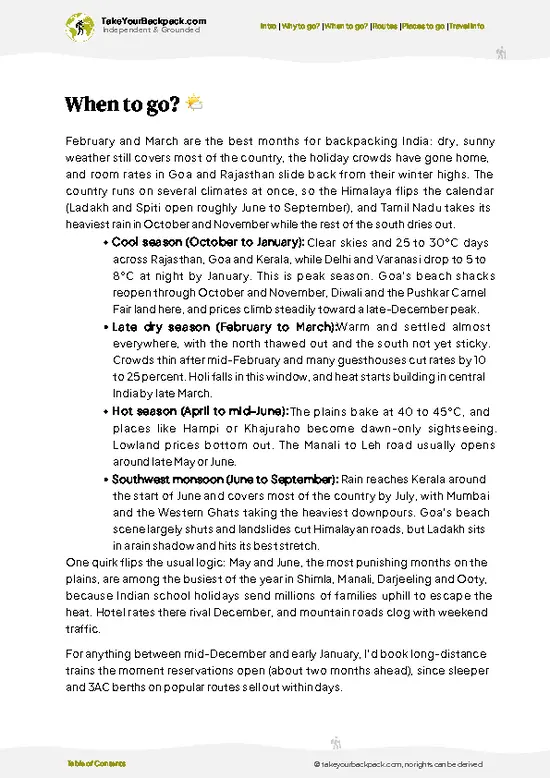
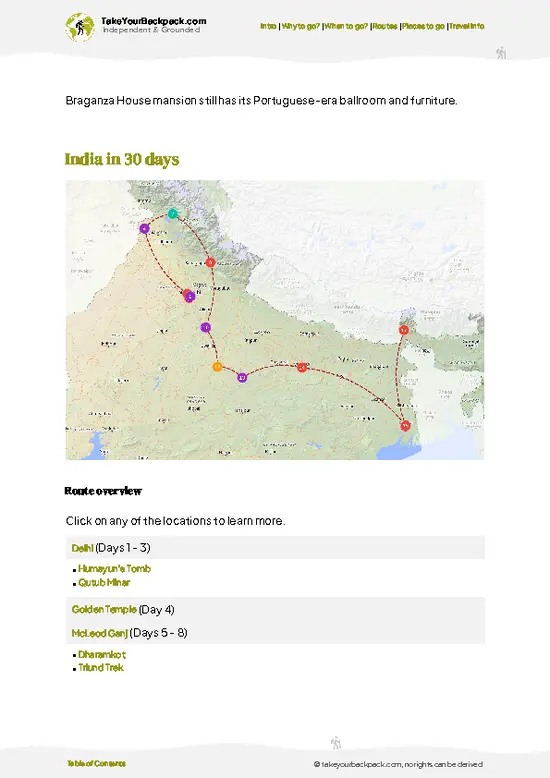
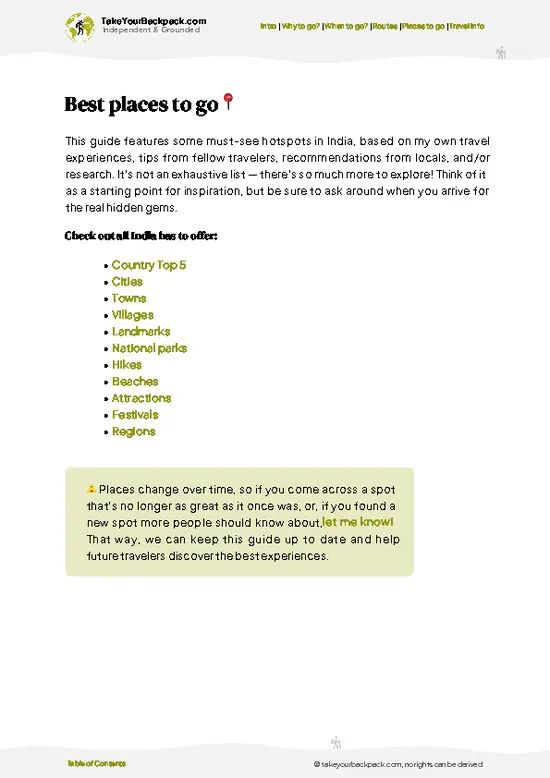
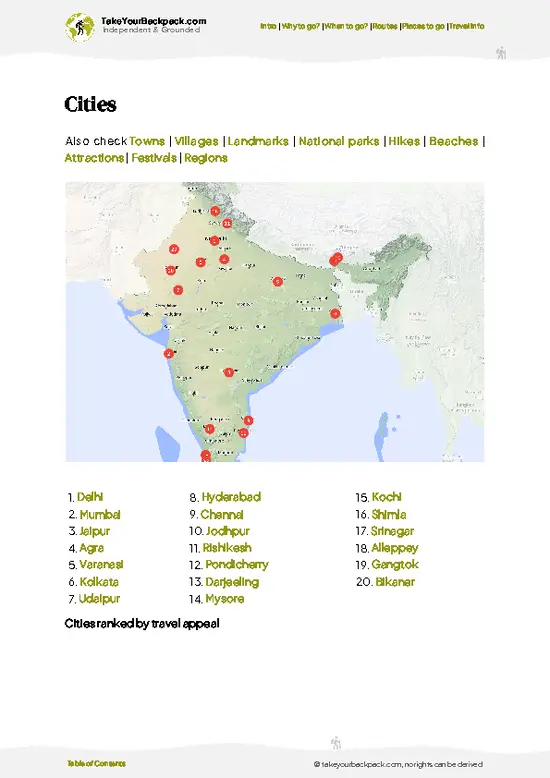
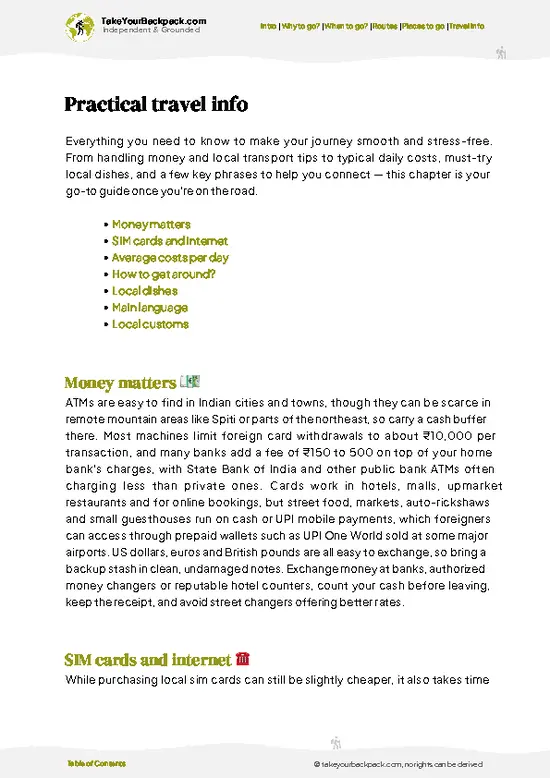
example page 0 from our offline Travel Guide for India
example page 1 from our offline Travel Guide for India
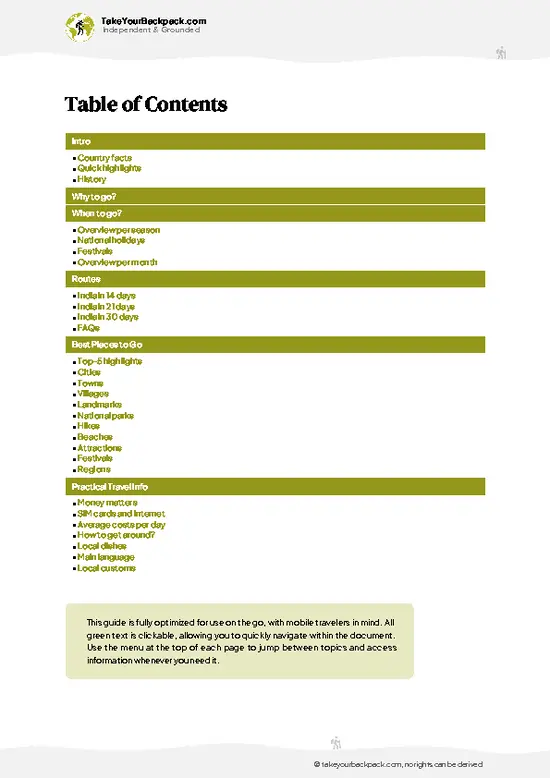
example page 2 from our offline Travel Guide for India
example page 3 from our offline Travel Guide for India
example page 4 from our offline Travel Guide for India
example page 5 from our offline Travel Guide for India
example page 6 from our offline Travel Guide for India
example page 7 from our offline Travel Guide for India
Loading the map 🌍
CLICK TO FILTER
cities
towns
villages
landmarks
national parks
hikes
beaches
attractions
festivals
regions
SHOW COUNTRY’S BESTSHOW ALL

✨ Why go?
Ranked #2 national park in India
What makes this national park worth exploring

Kaziranga National Park is a top choice for backpackers seeking independent exploration. The park’s vast landscapes invite you to roam freely, with well-marked trails that cater to various skill levels. You can choose from budget camping options or nearby hostels, making it easy to stretch your funds without sacrificing comfort.

The park is famous for its diverse wildlife, including the one-horned rhinoceros, which you can often spot from the trails. This makes it a prime spot for those who prefer self-guided adventures over organized tours. You’ll have the freedom to set your own pace, whether you want to linger at a scenic viewpoint or dash to catch a glimpse of a rare bird.

However, be mindful of the seasonal variations. The monsoon can make some trails muddy and less accessible, so … read more 👉
Kaziranga National Park is a top choice for backpackers seeking independent exploration. The park’s vast landscapes invite you to roam freely, with well-marked trails that cater to various skill levels. You can choose from budget camping options or nearby hostels, making it easy to stretch your funds without sacrificing comfort.

The park is famous for its diverse wildlife, including the one-horned rhinoceros, which you can often spot from the trails. This makes it a prime spot for those who prefer self-guided adventures over organized tours. You’ll have the freedom to set your own pace, whether you want to linger at a scenic viewpoint or dash to catch a glimpse of a rare bird.

However, be mindful of the seasonal variations. The monsoon can make some trails muddy and less accessible, so timing your visit is crucial. Also, while the park is generally safe, it’s wise to stay aware of your surroundings, especially when venturing off the beaten path. By planning ahead and embracing the park’s natural rhythm, you’ll preserve your energy and budget for the experiences that truly matter.

💡 HighlightsDon't-miss highlights and experiences

  • One-horned Rhinoceros: Kaziranga is the place to see India’s iconic greater one-horned rhino in big numbers — huge, armor-plated beasts grazing in tall grass, a real conservation success story and the park’s main draw.
  • Elephant and Jeep Safaris: Two very different ways to explore — elephant rides let you creep into grass and watch rhinos at close range, while open-jeep safaris cover more ground and are better for spotting herds, deer, and stealthy predators.
  • Birding and Wetlands: Floodplain pools and oxbow lakes attract a staggering variety of waterfowl and migrants — look (carefully) for the rare Bengal florican, storks, pelicans and countless ducks against beautiful marshy backdrops.
  • Bengal Tiger and Other Predators: It’s a tiger reserve, so the big cat is part of the story — sightings
… read more 👉
  • One-horned Rhinoceros: Kaziranga is the place to see India’s iconic greater one-horned rhino in big numbers — huge, armor-plated beasts grazing in tall grass, a real conservation success story and the park’s main draw.
  • Elephant and Jeep Safaris: Two very different ways to explore — elephant rides let you creep into grass and watch rhinos at close range, while open-jeep safaris cover more ground and are better for spotting herds, deer, and stealthy predators.
  • Birding and Wetlands: Floodplain pools and oxbow lakes attract a staggering variety of waterfowl and migrants — look (carefully) for the rare Bengal florican, storks, pelicans and countless ducks against beautiful marshy backdrops.
  • Bengal Tiger and Other Predators: It’s a tiger reserve, so the big cat is part of the story — sightings are rare but electric; the park’s healthy prey base and dense grasslands make it one of the better places in Assam to try your luck.
  • Brahmaputra River and Gangetic Dolphins: The mighty Brahmaputra frames Kaziranga — riverine scenery is dramatic, and boat trips can yield the shy Gangetic (river) dolphin and great sunset views over the water.
  • Watchtowers and Panoramic Vistas: Scattered towers and viewpoints give excellent, quiet wildlife-watching from above the grass — perfect for photography, scanning herds, or just watching marshland life unfold.
  • Seasonal Floodplain Landscapes (my personal favorite): The park is defined by annual floods that remake the grasslands and wetlands — that shifting mosaic of water, tall grass and sandbanks creates raw, dynamic scenery and concentrates wildlife in unforgettable ways.
Spotted a mistake or missing something? Contact us.

Things to do around Kaziranga National Park

Ratings based on Tripadvisor reviews. When you book through this link, you support our work at no extra cost to you.

🌤️ When to go?Weather, crowds, and seasonal trade-offs

  • Topic: Weather and Temperature: The park is best visited between November and April when the weather is dry and comfortable. Daytime temperatures range from 15°C to 30°C (59°F to 86°F), making trekking and wildlife spotting manageable. Avoid the monsoon season (June to September), as heavy rains flood the park and restrict access.
  • Topic: Daylight Hours: During the dry season, daylight lasts roughly from 6 AM to 5:30 PM, giving you ample time for early morning and late afternoon safaris, which are prime for animal sightings. The monsoon months have shorter, cloudier days, cutting into your exploration window.
  • Topic: Crowds: Peak tourist season is December to February, when the weather is coolest. Expect more visitors and higher prices. If you prefer fewer people, aim for November or March-April,
… read more 👉
  • Topic: Weather and Temperature: The park is best visited between November and April when the weather is dry and comfortable. Daytime temperatures range from 15°C to 30°C (59°F to 86°F), making trekking and wildlife spotting manageable. Avoid the monsoon season (June to September), as heavy rains flood the park and restrict access.
  • Topic: Daylight Hours: During the dry season, daylight lasts roughly from 6 AM to 5:30 PM, giving you ample time for early morning and late afternoon safaris, which are prime for animal sightings. The monsoon months have shorter, cloudier days, cutting into your exploration window.
  • Topic: Crowds: Peak tourist season is December to February, when the weather is coolest. Expect more visitors and higher prices. If you prefer fewer people, aim for November or March-April, when the park is quieter but still accessible.
  • Topic: Seasonal Activities: The dry season is ideal for spotting the famous one-horned rhinoceros and other wildlife. During monsoon, the park closes or limits access, so no safaris or trekking are possible.
  • Topic: Price Fluctuations: Accommodation and safari costs spike in peak months (December to February). Booking outside this window can save you money but be prepared for hotter temperatures in late spring.
Pro-tip: Plan your visit just after the monsoon, in November, to catch lush greenery without the crowds or the soggy trails—your best bet for energy and budget preservation.


source: climatestotravel.comJANJanuary: excellent for travelingFEBFebruary: excellent for travelingMARMarch: highly recommended for travelingAPRApril: highly recommended for travelingMAYMay: good for travelingJUNJune: below average for travelingJULJuly: below average for travelingAUGAugust: below average for travelingSEPSeptember: below average for travelingOCTOctober: fair for travelingNOVNovember: excellent for travelingDECDecember: excellent for traveling
when-to-go

✈️ The backpacker research shortcutIndia Travel Guide

An offline-friendly backpacking guide with optimized travel routes, ranked highlights, transport advice, and the best areas to stay.
example page 0 from our offline Travel Guide for India
example page 1 from our offline Travel Guide for India
example page 2 from our offline Travel Guide for India
example page 3 from our offline Travel Guide for India
example page 4 from our offline Travel Guide for India
example page 5 from our offline Travel Guide for India
example page 6 from our offline Travel Guide for India
example page 7 from our offline Travel Guide for India
The digital guide (483 pages) contains:
✅ 157 highlights, ranked by travel appeal
✅ Optimized 14, 21 & 30-day travel routes
✅ Cities, national parks, landmarks, beaches
✅ How to get around
✅ Offline-friendly for travel without Wi-Fi
👉 Click to see all 30+ guide features

📅 Plan smarter in minutes, not weeks
✅ Month by month travel advice
✅ Festivals & national holidays
✅ Budget expectations

🗺️ Go to the right places, skip the overrated ones
✅ Honest pros & cons of destinations
✅ Top hikes, parks & viewpoints
✅ Lesser-known places most travelers miss
✅ Clear “worth it vs skip it” guidance

🛏️ Travel smoothly without rookie mistakes
✅ Best areas to stay
✅ Transport systems explained simply
✅ Common scams & safety advice
✅ SIM cards, money & practical tips

🌍 Understand the country, not just visit it
✅ Culture & traditions
✅ 52 Essential phrases & customs
✅ Festivals worth planning around
✅ Traveler-friendly historical context
✅ Insights that make places more meaningful

📱 Built for real travel conditions
✅ Fully downloadable PDF
✅ Works completely offline
✅ Optimized for phone use
✅ Useful in remote areas & buses
✅ Everything in one place
Stop searching, start planning
Get instant access to your full guide. 30‑day money-back guarantee.
+ Add another guide for just

By proceeding you agree to our terms.
Sent to your inbox immediately after payment • 100% Secure Checkout
Best Backpacking Travel Advisor 2025 tourism awardBest Backpacking
Travel Advisor
2025
What others say about Take Your Backpack Guides:
⭐⭐⭐⭐⭐
Fantastic, amazing amount of information!
⭐⭐⭐⭐⭐
My goodness this is amazing, it's what I've been looking for hats off too you!
⭐⭐⭐⭐⭐
I think this is absolutely BRILLIANT
⭐⭐⭐⭐
Very complete and informative. It's still missing places, but I gotta to commend you
⭐⭐⭐⭐⭐
This is truly amazing, thank you, can't wait to explore it with my kids!
⭐⭐⭐⭐⭐
Awesome resource, thank you!
⭐⭐⭐⭐⭐
This is amazing! Can't wait to explore the ones I haven't seen
⭐⭐⭐⭐
I love this! Well done, great idea.
⭐⭐⭐⭐⭐
Thanks for taking the time to make this gem!
⭐⭐⭐⭐⭐
This might be the best website I've ever seen.
⭐⭐⭐⭐⭐
Congratulations, and thank you so much for your work; it's incredibly valuable.
⭐⭐⭐⭐
In all seriousness I think you did a great job pointing out the important spots
⭐⭐⭐⭐⭐
10/10 very good
⭐⭐⭐⭐⭐
As someone who's only just starting to visit regularly this is awesome, thank you.
⭐⭐⭐⭐
Thank you very much! I'm going to visit my dad, it's going to be very useful!
⭐⭐⭐⭐⭐
This is really cool! We'll be travelling for the first time and this definitely come in handy.
⭐⭐⭐⭐⭐
You are now our minister of culture, congratulations 👨‍💼
⭐⭐⭐⭐⭐
Just wanted to tell you that this is a pearl! Going to follow your recommendations.
⭐⭐⭐⭐⭐
This is so cool. I'll definitely be using the resource for my travels soon.
⭐⭐⭐⭐⭐
This is very impressive! Good work.
⭐⭐⭐⭐⭐
This is an amazing and informative site. Very well done!

🛏️ Where to stay?Choosing the right base

Kaziranga National Park is a treasure trove for wildlife enthusiasts, but finding the right place to stay can make or break your experience. Inside the park, options are limited but worth considering. The Forest Rest Houses offer a rustic charm and proximity to the action. These government-run accommodations are basic but clean, providing a unique chance to immerse yourself in nature. Book well in advance, as they fill up quickly.

If you prefer more amenities, head to the nearby town of Kohora. It’s a hub for backpackers, with several guesthouses and lodges catering to different budgets. Places … read more 👉
Kaziranga National Park is a treasure trove for wildlife enthusiasts, but finding the right place to stay can make or break your experience. Inside the park, options are limited but worth considering. The Forest Rest Houses offer a rustic charm and proximity to the action. These government-run accommodations are basic but clean, providing a unique chance to immerse yourself in nature. Book well in advance, as they fill up quickly.

If you prefer more amenities, head to the nearby town of Kohora. It’s a hub for backpackers, with several guesthouses and lodges catering to different budgets. Places like the Bonhabi Resort or the Kaziranga Eco Camp provide comfortable stays and often organize safaris. These spots are a bit more developed, so you can recharge after a day of exploring.

Another option is the town of Bokakhat, about 20 kilometers from the park. It’s less touristy, which can be a refreshing change. Here, you’ll find budget hotels and local eateries that give you a taste of everyday life in Assam.

Keep in mind that transportation can be tricky. Arrange your rides ahead of time to avoid last-minute hassles. Prioritize your energy and budget for the experiences that truly matter—like spotting a one-horned rhinoceros in the wild.

👛 Costs (as of 15 October 2026)Typical daily expenses

Kaziranga National Park in India is a treasure for wildlife enthusiasts, but navigating the costs can be tricky.

Entry fees for foreign tourists typically range from $20 to $30 USD. Indian citizens pay significantly less, around $5 USD. This disparity can feel frustrating, but it’s a common practice in many parks across the country.

If you’re planning to take a jeep safari, expect to pay between $30 and $50 USD per person. This usually includes a guide, which is essential for spotting wildlife and understanding the ecosystem. Booking in advance can save you some hassle, especially during peak seasons.

Accommodation varies widely. Budget options start around $15 to $30 USD per night for basic guesthouses. Mid-range hotels can cost between $50 and $100 USD, while luxury lodges can exceed … read more 👉
Kaziranga National Park in India is a treasure for wildlife enthusiasts, but navigating the costs can be tricky.

Entry fees for foreign tourists typically range from $20 to $30 USD. Indian citizens pay significantly less, around $5 USD. This disparity can feel frustrating, but it’s a common practice in many parks across the country.

If you’re planning to take a jeep safari, expect to pay between $30 and $50 USD per person. This usually includes a guide, which is essential for spotting wildlife and understanding the ecosystem. Booking in advance can save you some hassle, especially during peak seasons.

Accommodation varies widely. Budget options start around $15 to $30 USD per night for basic guesthouses. Mid-range hotels can cost between $50 and $100 USD, while luxury lodges can exceed $200 USD. Always check what’s included—some places offer meals, while others charge extra.

Food costs are generally low. Street food can be as cheap as $1 to $3 USD, while a meal at a decent restaurant might set you back $5 to $15 USD.

Keep in mind that additional costs can sneak up on you. Transportation to and from the park, whether by taxi or bus, can add another $10 to $30 USD each way, depending on your starting point.

Plan for these expenses to avoid surprises. Knowing the costs upfront helps you allocate your budget wisely, leaving more room for the experiences that truly matter.


source: incredibleindia.org
⚠️ Prices can change and everyone travels differently, so take this as a rough guide. Hope it helps you plan your adventure!

🥾 TrailsTrail guide for Kaziranga national park

Kaziranga National Park is a gem when it comes to hiking, though it’s not your typical trekking ground. The park is renowned for its lush landscapes, rolling hills, and dense forests, all of which are home to a diverse array of wildlife, including the famous one-horned rhinoceros. The terrain varies, with some areas being relatively flat while others offer a bit of a challenge, especially when you venture off the beaten path.

While there aren’t many designated trails, one notable option is the Kohora Range Trail. Here are the details:
  • Category: Length
  • Explanation: Approximately 10 kilometers
  • Category:
… read more 👉
Kaziranga National Park is a gem when it comes to hiking, though it’s not your typical trekking ground. The park is renowned for its lush landscapes, rolling hills, and dense forests, all of which are home to a diverse array of wildlife, including the famous one-horned rhinoceros. The terrain varies, with some areas being relatively flat while others offer a bit of a challenge, especially when you venture off the beaten path.

While there aren’t many designated trails, one notable option is the Kohora Range Trail. Here are the details:
  • Category: Length
  • Explanation: Approximately 10 kilometers
  • Category: Estimated Duration
  • Explanation: 3-4 hours
  • Category: Difficulty Level
  • Explanation: Moderate
  • Category: Key Features
  • Explanation: Offers views of grasslands and wetlands, with chances to spot rhinos and various bird species
  • Category: Terrain
  • Explanation: Mix of flat paths and some uneven ground, so good shoes are a must

Getting to Kaziranga is pretty straightforward. You can hop on a bus or train to the nearby town of Golaghat or Jorhat, and then take a taxi or local transport to the park entrance. It can get a bit crowded, especially during peak tourist season, so it’s wise to plan your visit during weekdays if you want a quieter experience. As for the entrance fee, it’s quite reasonable, but keep an eye on any updates since prices can change. Just remember to pack your camera—this place is stunning!
⚠️ Hiking info can sometimes be outdated or inaccurate. Before you hit the trail, check the latest conditions with locals. If you do spot anything that's off, I'd love to hear from you, so I can update it for fellow travelers.

🛡️ SafetyScams, Hazards, and Annoyances

Kaziranga National Park is generally a straightforward destination for backpackers, but a few practical considerations can enhance your experience. The weather can shift unexpectedly, especially during the monsoon season, so pack a reliable rain jacket and quick-dry layers.

The terrain is mostly flat, but be prepared for muddy paths and occasional river crossings. Sturdy, waterproof footwear is essential; it’ll keep you comfortable and stable.

Wildlife encounters are a highlight, particularly with the park’s famous one-horned rhinoceros. Keep a respectful distance—never approach or provoke animals. Early morning or late afternoon hikes increase your chances of spotting wildlife, but always stay on designated trails to minimize your impact.

Lastly, don’t underestimate the importance of … read more 👉
Kaziranga National Park is generally a straightforward destination for backpackers, but a few practical considerations can enhance your experience. The weather can shift unexpectedly, especially during the monsoon season, so pack a reliable rain jacket and quick-dry layers.

The terrain is mostly flat, but be prepared for muddy paths and occasional river crossings. Sturdy, waterproof footwear is essential; it’ll keep you comfortable and stable.

Wildlife encounters are a highlight, particularly with the park’s famous one-horned rhinoceros. Keep a respectful distance—never approach or provoke animals. Early morning or late afternoon hikes increase your chances of spotting wildlife, but always stay on designated trails to minimize your impact.

Lastly, don’t underestimate the importance of hydration. Carry enough water, especially during warmer months, and consider a portable filter for longer treks. With these tips, you’ll navigate Kaziranga’s beauty with confidence and ease.

FAQFrequently asked questions about Kaziranga

2 to 3 days are sufficient to explore Kaziranga National Park thoroughly. This allows time for multiple jeep safaris and a visit to different zones of the park. Early morning and late afternoon safaris are recommended for better wildlife sightings.
Yes, you can visit Kaziranga National Park without a car. Local transport options include shared jeeps, hired taxis, and guided tours from nearby towns like Golaghat or Jorhat. Many accommodations also arrange safaris and transfers for guests.
Yes, an entrance fee and permit are required to enter Kaziranga National Park. The fee for foreign tourists is around 2000 INR per person per day, while Indian nationals pay about 100 INR. Permits are issued at the park entrance or through authorized tour operators.
⚠️ Things can change over time, so always validate details locally before you go.

Other Indian national parks near Kaziranga

Explore more nearby:


💡 Not sure where to go next?
Create a personalized itinerary for India including Kaziranga and the places that fit your trip.

Generate my itinerary

👉 Discover all national parks

Or checkout all India has to offer (think cities, towns, villages, national parks, hikes, beaches, festivals)
Country photo of India

We 💚 feedbackSumming up the experience

Kaziranga National Park is a wildlife lover’s dream, especially if you want to see the one-horned rhinoceros up close. The thrill of spotting these majestic creatures in their natural habitat is unmatched. However, be prepared for the humidity and biting insects; it can be relentless. Bring good repellent and lightweight gear. Embrace the sweat, and you’ll find the experience rewarding. Just remember, comfort is key to enjoying the wild moments that matter.

✈️ When did I visit India?
As part of my 1.5 year travel around the world trip, I visited India in December 2015.

✍️ Help improve this page!
The information on this page is based on my own backpacking experience in India, supplemented with up-to-date research and feedback from other travelers. Travel details can change, so if you notice anything outdated or incomplete, feel free to let me know.


🙋‍♂️ Give feedback

👋 Meet the founderWho’s Behind Take Your Backpack?

Johan, backpacker and founder of TakeYourBackpackHi, I’m Johan (Netherlands 🇳🇱), the creator of TakeYourBackpack. Over the past 3 decades, I’ve backpacked through 90+ countries across six continents, gaining extensive experience with independent travel, long-term trips, and overland routes.

This site is built on a combination of firsthand travel experience and carefully curated insights from other backpackers. Many guides are based on places I’ve personally visited, while others bring together tips, observations, and practical advice shared by trusted travelers I’ve met along the way.

The goal is to provide realistic, experience-driven guidance — not generic itineraries — so you can explore destinations with better context, clearer expectations, and more confidence.