×

India🇮🇳 | national parksKeoladeo National Parkwetland sanctuary, migratory birds, man-made marshes | things to do and best time to go

Explore Kaziranga National ParkExplore Khangchendzonga National Park

Backpacking in Keoladeo
UNESCO World Heritage site
🌟 Highlightnational park ranked #10
By Johan Kruseman 🇳🇱 | Updated September 4, 2026

Most people only realize on day two that Keoladeo is one of the few Indian national parks you can actually explore on foot without feeling like you’re in a safari theme park. Keoladeo National Park sits just outside Bharatpur in eastern Rajasthan, between Agra and Jaipur, which makes it an easy detour on the classic backpacker triangle. It’s flat, more about wetlands and birds than big mammals, so think quiet trails, watchtowers, and slow bird-spotting rather than dramatic hikes. Cheap guesthouses cluster in Bharatpur; no real camping scene. Entry fees are reasonable but rickshaw and guide costs add up. Compared with Ranthambore or Sariska, Keoladeo is calmer, less “tiger hype,” more patient, binoculars-on kind of travel.

Discover everything you want to know in the 📖 India Travel Guide.


Get your India guide
162 ranked highlights, routes & tips, works offline (498 pages)
Loading the map 🌍
CLICK TO FILTER
cities
towns
villages
landmarks
national parks
hikes
beaches
attractions
festivals
regions
SHOW COUNTRY’S BESTSHOW ALL

✨ Why go?
Ranked #10 national park in India
Why visitors keep coming back

Backpackers flock to Keoladeo National Park for its unique blend of independent exploration and rich biodiversity. This UNESCO World Heritage Site offers a chance to wander through diverse trails, from wetlands to grasslands, making it a haven for birdwatchers and nature lovers alike.

Budget-conscious travelers appreciate the affordable camping options and hostels nearby, allowing for a comfortable stay without breaking the bank. The park is designed for self-guided travelers, meaning you can set your own pace and discover hidden spots without the constraints of a tour group.

However, be mindful of the seasonal fluctuations in wildlife; visiting during the migratory season is key for the best experience. Bring your own water and snacks, as options within the park can be limited. By planning … read more 👉
Backpackers flock to Keoladeo National Park for its unique blend of independent exploration and rich biodiversity. This UNESCO World Heritage Site offers a chance to wander through diverse trails, from wetlands to grasslands, making it a haven for birdwatchers and nature lovers alike.

Budget-conscious travelers appreciate the affordable camping options and hostels nearby, allowing for a comfortable stay without breaking the bank. The park is designed for self-guided travelers, meaning you can set your own pace and discover hidden spots without the constraints of a tour group.

However, be mindful of the seasonal fluctuations in wildlife; visiting during the migratory season is key for the best experience. Bring your own water and snacks, as options within the park can be limited. By planning ahead, you can preserve your energy and budget for the moments that truly matter—like spotting that rare bird or soaking in the tranquil surroundings.
Want to include Keoladeo National Park in your India route?
Create a personalized India itinerary that includes Keoladeo National Park and the places that fit your trip — based on your travel style, budget, and available time. Get your route in seconds.

Generate my trip

💡 HighlightsEssential experiences to have while exploring Keoladeo

  • Migratory waterfowl spectacle — Every winter the park fills up with hundreds of species of ducks, geese and waders. The sheer numbers and variety (think teal, pintails, garganeys and more) make mornings here feel like a living field guide — best time is November to February.
  • Pelican and painted stork colonies — Big, noisy tree-top nesting colonies where pelicans and painted storks gather in close groups. The sight and sound of these birds at feeding time is surprisingly theatrical and makes for great photos.
  • Wetland mosaic and mudflats — Shallow lakes, reedbeds and exposed mudflats create a patchwork of habitats that attract shorebirds and waders. Walk the edge trails at low tide for tight views of sandpipers, plovers and their feeding antics.
  • Early-morning cycle and walking routes
read more 👉
  • Migratory waterfowl spectacle — Every winter the park fills up with hundreds of species of ducks, geese and waders. The sheer numbers and variety (think teal, pintails, garganeys and more) make mornings here feel like a living field guide — best time is November to February.
  • Pelican and painted stork colonies — Big, noisy tree-top nesting colonies where pelicans and painted storks gather in close groups. The sight and sound of these birds at feeding time is surprisingly theatrical and makes for great photos.
  • Wetland mosaic and mudflats — Shallow lakes, reedbeds and exposed mudflats create a patchwork of habitats that attract shorebirds and waders. Walk the edge trails at low tide for tight views of sandpipers, plovers and their feeding antics.
  • Early-morning cycle and walking routes — Personal favorite. Rent a bicycle or join a walking loop at dawn and you’ll see the park at its quietest: mist over water, birds returning to roost, and surprisingly intimate encounters. It’s compact enough to explore without getting worn out.
  • Observation towers and bird hides — Several vantage points and hides give you elevated, unobtrusive views of waterbirds and raptors. They’re perfect for patient watching and long-lens photography without disturbing the wildlife.
  • Resident mammals and reptiles — Not just birds — you can spot nilgai, chital (spotted deer), wild boar, and the occasional monitor lizard or turtle. They’re shy, so early or late in the day is when you’ll have the best luck.
  • Compact layout and easy birding logistics — The park’s small size is a feature: you can hit multiple habitats in a single morning, there are clear paths and boat channels, and guides/rickshaw drivers know the hotspots. Great for travelers on a tight schedule who still want top-tier wildlife viewing.
Spotted a mistake or missing something? Contact us.

Things to do around Keoladeo National Park

Ratings based on Tripadvisor reviews. When you book through this link, you support our work at no extra cost to you.

🌤️ When to go?Best time to explore Keoladeo


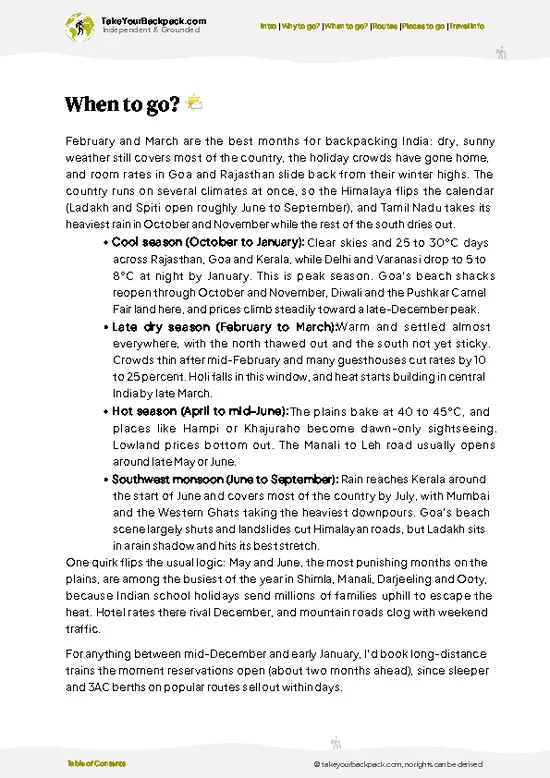
  • Weather: The park is best visited during the dry season, from October to March. Monsoon months (July to September) bring heavy rains that flood trails and limit wildlife viewing.

  • Temperature: Expect mild days between 15-28°C (59-82°F) in winter, perfect for long walks. Summers can soar above 40°C (104°F), making midday exploration exhausting and risky.

  • Daylight Hours: From October to March, daylight stretches roughly from 6:30 AM to 6 PM, giving ample time for morning and late afternoon birdwatching when animals are most active.

  • Crowds: Peak season (November to February) draws birdwatchers and tourists, so expect more visitors and higher prices. Off-season offers solitude but fewer visible species.

  • Seasonal Activities: Winter months showcase migratory birds, including rare Siberian
read more 👉

  • Weather: The park is best visited during the dry season, from October to March. Monsoon months (July to September) bring heavy rains that flood trails and limit wildlife viewing.

  • Temperature: Expect mild days between 15-28°C (59-82°F) in winter, perfect for long walks. Summers can soar above 40°C (104°F), making midday exploration exhausting and risky.

  • Daylight Hours: From October to March, daylight stretches roughly from 6:30 AM to 6 PM, giving ample time for morning and late afternoon birdwatching when animals are most active.

  • Crowds: Peak season (November to February) draws birdwatchers and tourists, so expect more visitors and higher prices. Off-season offers solitude but fewer visible species.

  • Seasonal Activities: Winter months showcase migratory birds, including rare Siberian species. Summer and monsoon see fewer birds but lush greenery and active reptiles.

  • Price Fluctuations: Accommodation and park fees spike in peak season. Booking early can save money, while off-season rates drop significantly but with trade-offs in wildlife visibility.


Pro-tip: Arrive just after the monsoon ends—trails dry, birdlife returns, and crowds haven’t peaked yet. It’s the sweet spot for energy, budget, and wildlife.


source: climatestotravel.comJANJanuary: excellent for travelingFEBFebruary: excellent for travelingMARMarch: highly recommended for travelingAPRApril: fair for travelingMAYMay: fair for travelingJUNJune: fair for travelingJULJuly: below average for travelingAUGAugust: below average for travelingSEPSeptember: below average for travelingOCTOctober: highly recommended for travelingNOVNovember: excellent for travelingDECDecember: excellent for traveling
when-to-go

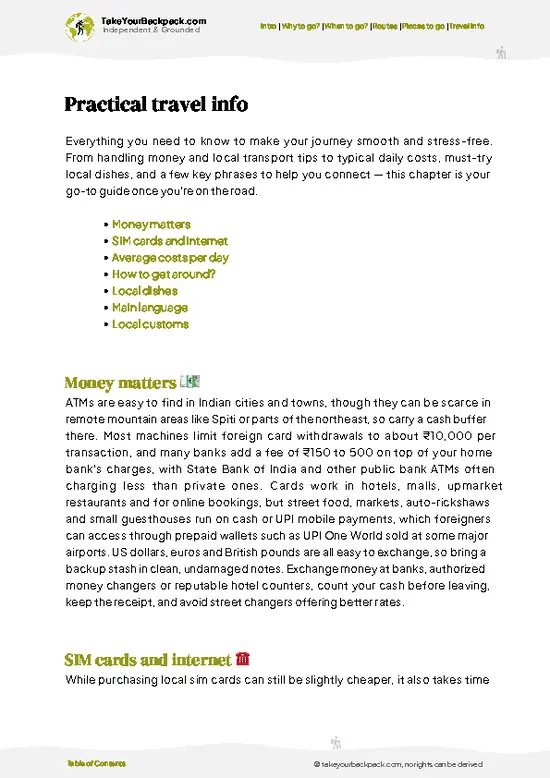
✈️ The backpacker research shortcutIndia Travel Guide

An offline-friendly backpacking guide with optimized travel routes, ranked highlights, transport advice, and the best areas to stay.
example page 0 from our offline Travel Guide for India
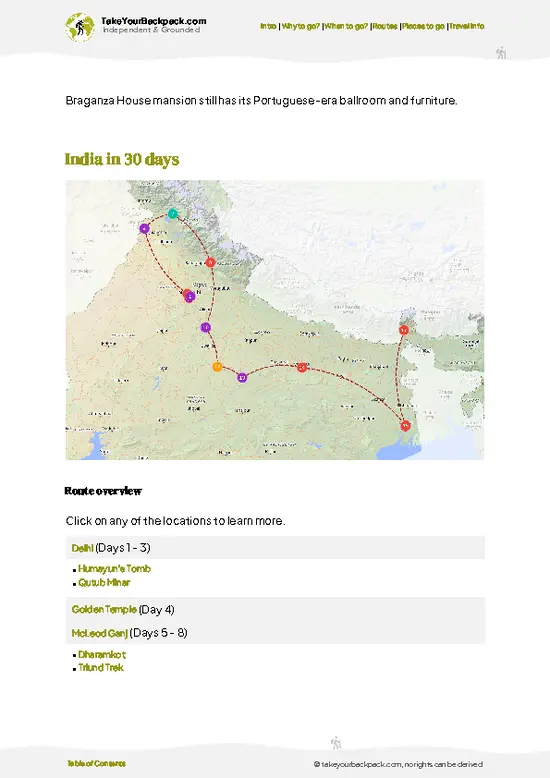
example page 1 from our offline Travel Guide for India
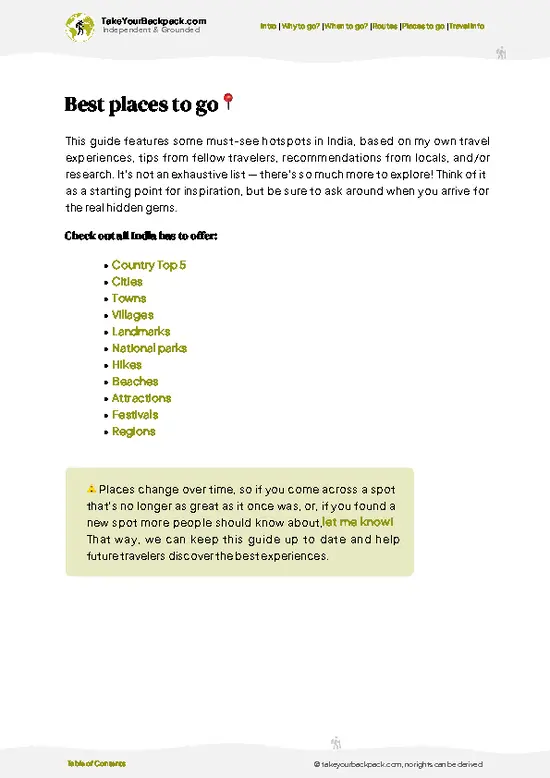
example page 2 from our offline Travel Guide for India
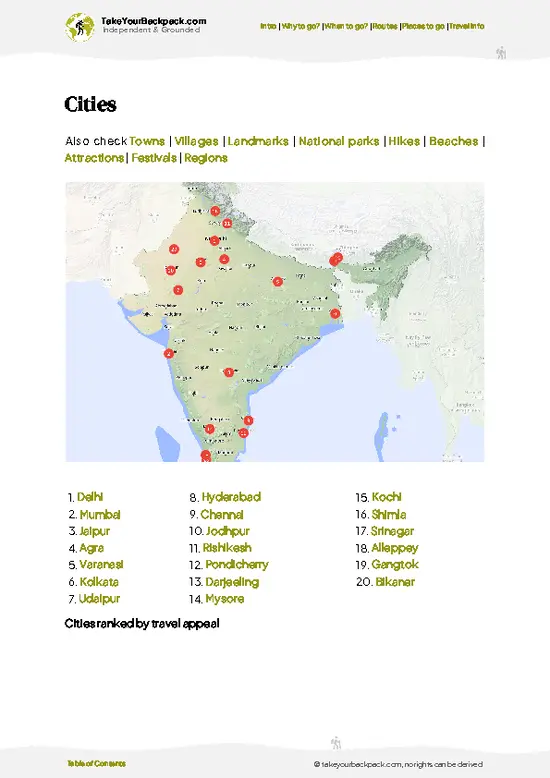
example page 3 from our offline Travel Guide for India
example page 4 from our offline Travel Guide for India
example page 5 from our offline Travel Guide for India
example page 6 from our offline Travel Guide for India
example page 7 from our offline Travel Guide for India
The digital guide (498 pages) contains:
162 highlights, ranked by travel appeal
Optimized 14, 21 & 30-day travel routes
Cities, national parks, landmarks, beaches
How to get around
Offline-friendly for travel without Wi-Fi
👉 Click to see all 30+ guide features

📅 Plan smarter in minutes, not weeks
Month by month travel advice
Festivals & national holidays
Budget expectations

🗺️ Go to the right places, skip the overrated ones
Honest pros & cons of destinations
Top hikes, parks & viewpoints
Lesser-known places most travelers miss
Clear “worth it vs skip it” guidance

🛏️ Travel smoothly without rookie mistakes
Best areas to stay
Transport systems explained simply
Common scams & safety advice
SIM cards, money & practical tips

🌍 Understand the country, not just visit it
Culture & traditions
52 Essential phrases & customs
Festivals worth planning around
Traveler-friendly historical context
Insights that make places more meaningful

📱 Built for real travel conditions
Fully downloadable PDF
Works completely offline
Optimized for phone use
Useful in remote areas & buses
Everything in one place
Save weeks of stressful planning
Get instant access to your full guide. 30‑day money-back guarantee.
+ Add another guide for just US$7.80

By proceeding you agree to our terms.
Sent to your inbox immediately after payment • 100% Secure Checkout
Best Backpacking Travel Advisor 2025 tourism awardBest Backpacking
Travel Advisor
2025
What others say about Take Your Backpack Guides:
⭐⭐⭐⭐⭐
Fantastic, amazing amount of information!
⭐⭐⭐⭐⭐
My goodness this is amazing, it's what I've been looking for hats off too you!
⭐⭐⭐⭐⭐
I think this is absolutely BRILLIANT
⭐⭐⭐⭐
Very complete and informative. It's still missing places, but I gotta to commend you
⭐⭐⭐⭐⭐
This is truly amazing, thank you, can't wait to explore it with my kids!
⭐⭐⭐⭐⭐
Awesome resource, thank you!
⭐⭐⭐⭐⭐
This is amazing! Can't wait to explore the ones I haven't seen
⭐⭐⭐⭐
I love this! Well done, great idea.
⭐⭐⭐⭐⭐
Thanks for taking the time to make this gem!
⭐⭐⭐⭐⭐
This might be the best website I've ever seen.
⭐⭐⭐⭐⭐
Congratulations, and thank you so much for your work; it's incredibly valuable.
⭐⭐⭐⭐
In all seriousness I think you did a great job pointing out the important spots
⭐⭐⭐⭐⭐
10/10 very good
⭐⭐⭐⭐⭐
As someone who's only just starting to visit regularly this is awesome, thank you.
⭐⭐⭐⭐
Thank you very much! I'm going to visit my dad, it's going to be very useful!
⭐⭐⭐⭐⭐
This is really cool! We'll be travelling for the first time and this definitely come in handy.
⭐⭐⭐⭐⭐
You are now our minister of culture, congratulations 👨‍💼
⭐⭐⭐⭐⭐
Just wanted to tell you that this is a pearl! Going to follow your recommendations.
⭐⭐⭐⭐⭐
This is so cool. I'll definitely be using the resource for my travels soon.
⭐⭐⭐⭐⭐
This is very impressive! Good work.
⭐⭐⭐⭐⭐
This is an amazing and informative site. Very well done!

🛏️ Where to stay?How to pick the right area

Keoladeo National Park, a UNESCO World Heritage site, offers a few solid options for backpackers. Inside the park, there are limited accommodations, primarily the Forest Rest House. It’s basic but provides a unique experience, allowing you to wake up to the sounds of nature. Booking in advance is essential, especially during peak bird-watching seasons.

For more choices, head to Bharatpur, the nearest town, just a few kilometers away. Here, you’ll find budget-friendly guesthouses and hotels. Places like Hotel Sunbird and Hotel Bharatpur Ashok offer decent amenities without breaking the bank. They’re … read more 👉
Keoladeo National Park, a UNESCO World Heritage site, offers a few solid options for backpackers. Inside the park, there are limited accommodations, primarily the Forest Rest House. It’s basic but provides a unique experience, allowing you to wake up to the sounds of nature. Booking in advance is essential, especially during peak bird-watching seasons.

For more choices, head to Bharatpur, the nearest town, just a few kilometers away. Here, you’ll find budget-friendly guesthouses and hotels. Places like Hotel Sunbird and Hotel Bharatpur Ashok offer decent amenities without breaking the bank. They’re well-located for easy access to the park.

Be mindful of the hidden costs. Entry fees can add up, especially if you opt for a guide or a cycle rickshaw. Bring your own snacks and water to avoid overpriced options inside the park.

Staying in Bharatpur gives you the flexibility to explore local eateries and markets, enriching your experience without draining your budget. Prioritize comfort and convenience, and you’ll have the energy to soak in the park’s beauty.

👛 Costs (as of 4 September 2026)Travel costs and budget guide for Keoladeo

Visiting Keoladeo National Park in India can be a rewarding experience, but it’s essential to be aware of the costs involved to avoid surprises.

Entry fees for the park typically range from €5 to €10 (around $6 to $12) for foreign tourists. Indian citizens pay significantly less, often around €1 (about $1.20).

If you plan to hire a guide, expect to pay between €10 and €20 ($12 to $24) for a half-day tour. Guides can enhance your experience by helping you spot wildlife and providing insights into the park’s ecology.

Bicycle rentals are available for about €2 to €4 ($2.50 to $5) per day, which is a great way to explore the park at your own pace. Alternatively, cycle rickshaws can be hired for around €5 to €10 ($6 to $12) for a guided tour.

Food options near the park are limited, but you … read more 👉
Visiting Keoladeo National Park in India can be a rewarding experience, but it’s essential to be aware of the costs involved to avoid surprises.

Entry fees for the park typically range from €5 to €10 (around $6 to $12) for foreign tourists. Indian citizens pay significantly less, often around €1 (about $1.20).

If you plan to hire a guide, expect to pay between €10 and €20 ($12 to $24) for a half-day tour. Guides can enhance your experience by helping you spot wildlife and providing insights into the park’s ecology.

Bicycle rentals are available for about €2 to €4 ($2.50 to $5) per day, which is a great way to explore the park at your own pace. Alternatively, cycle rickshaws can be hired for around €5 to €10 ($6 to $12) for a guided tour.

Food options near the park are limited, but you can find local eateries offering meals for about €2 to €5 ($2.50 to $6). It’s wise to carry water and snacks, as prices can be higher inside the park.

Plan for additional costs if you need transportation to and from the park. Auto-rickshaws from nearby towns can charge anywhere from €5 to €15 ($6 to $18), depending on the distance.

Being aware of these costs will help you budget effectively and focus on enjoying the rich biodiversity and serene landscapes of Keoladeo National Park.


source: incredibleindia.org
⚠️ Prices can change and everyone travels differently, so take this as a rough guide. Hope it helps you plan your adventure!

🥾 TrailsDiscover Keoladeo's top trails and natural wonders

Keoladeo National Park is a hidden gem for nature lovers and hikers alike. The park is a UNESCO World Heritage Site, famous for its diverse birdlife, especially during the migratory season. Picture yourself walking through wetlands, grasslands, and woodlands, with the sounds of chirping birds and rustling leaves as your soundtrack. The terrain is mostly flat, making it accessible for most hikers, but be prepared for some muddy patches during the monsoon.

While there aren’t extensive designated trails like in some other parks, you can explore the area on foot or by bicycle. A popular route is … read more 👉
Keoladeo National Park is a hidden gem for nature lovers and hikers alike. The park is a UNESCO World Heritage Site, famous for its diverse birdlife, especially during the migratory season. Picture yourself walking through wetlands, grasslands, and woodlands, with the sounds of chirping birds and rustling leaves as your soundtrack. The terrain is mostly flat, making it accessible for most hikers, but be prepared for some muddy patches during the monsoon.

While there aren’t extensive designated trails like in some other parks, you can explore the area on foot or by bicycle. A popular route is the Main Park Path, which stretches about 5 kilometers.
  • Length: 5 km
  • Estimated Duration: 2-3 hours
  • Difficulty Level: Easy
  • Key Features: Birdwatching, scenic views of wetlands, and historical monuments
  • Terrain: Mostly flat with some uneven patches

Reaching Keoladeo is pretty straightforward. You can hop on a train to Bharatpur, which is well-connected to major cities. From the station, it’s just a short rickshaw ride to the park entrance. It can get a bit crowded, especially during peak migratory seasons, so try to start your day early for a more peaceful experience. As for the entrance fee, it’s quite reasonable, making it a budget-friendly option for travelers looking to soak in some natural beauty without breaking the bank. Just remember to bring some water and sunscreen; you’ll be glad you did!
⚠️ Hiking info can sometimes be outdated or inaccurate. Before you hit the trail, check the latest conditions with locals. If you do spot anything that's off, I'd love to hear from you, so I can update it for fellow travelers.

🛡️ SafetySafety Tips and Common Scams in Keoladeo

Keoladeo National Park is generally a straightforward destination for backpackers, but a few practical considerations can enhance your experience. The weather can shift unexpectedly, especially during the monsoon season, so pack a lightweight, waterproof jacket.

The terrain is mostly flat, making navigation easy, but be cautious of muddy paths after rain. Good footwear is essential; sturdy hiking shoes will keep you steady.

Wildlife encounters are common, particularly with birds and monkeys. Keep a respectful distance; feeding animals is a no-go.

Timing your visit is crucial. Early mornings are best for birdwatching and cooler temperatures. Stay hydrated and pace yourself, especially if you’re exploring for hours.

Overall, with a bit of preparation, you can focus on the beauty of the park without unnecessary stress.

FAQTraveler FAQ

1 to 2 days are sufficient to explore Keoladeo National Park thoroughly. This allows time for birdwatching and walking through different trails. Early mornings are best for wildlife sightings.
Yes, you can visit Keoladeo National Park without a car. The park is accessible by auto-rickshaws, cycle rickshaws, and on foot from Bharatpur town, which is about 2 km away. Bicycles can also be rented near the park entrance.
Yes, there is an entrance fee for Keoladeo National Park. The fee is approximately 200 INR for Indian nationals and 500 INR for foreign tourists. Permits are required for photography and guided tours, which can be obtained at the park entrance.
⚠️ Things can change over time, so always validate details locally before you go.

Other Indian national parks near Keoladeo

Explore more nearby:


💡 Not sure where to go next?
Create a personalized itinerary for India including Keoladeo and the places that fit your trip.

Generate my itinerary

👉 Discover all national parks

Or checkout all India has to offer (think cities, towns, villages, national parks, hikes, beaches, festivals)
Country photo of India

We 💚 feedbackParting advice and final tips

Keoladeo National Park is a birdwatcher’s paradise. You’ll find a stunning array of species, especially during the migratory season. But be prepared: the park can get crowded, especially on weekends. This can sap your energy and make it hard to spot wildlife. Plan your visit on a weekday for a more peaceful experience. It’s all about timing—maximize your moments in nature without the distractions.

✈️ When did I visit India?
As part of my 1.5 year travel around the world trip, I visited India in December 2015.

✍️ Help improve this page!
The information on this page is based on my own backpacking experience in India, supplemented with up-to-date research and feedback from other travelers. Travel details can change, so if you notice anything outdated or incomplete, feel free to let me know.


🙋‍♂️ Give feedback

👋 Meet the founderWho’s Behind Take Your Backpack?

Johan, backpacker and founder of TakeYourBackpackHi, I’m Johan (Netherlands 🇳🇱), the creator of TakeYourBackpack. Over the past decade, I’ve backpacked through 80+ countries across six continents, gaining extensive experience with independent travel, long-term trips, and overland routes.

This site is built on a combination of firsthand travel experience and carefully curated insights from other backpackers. Many guides are based on places I’ve personally visited, while others bring together tips, observations, and practical advice shared by trusted travelers I’ve met along the way.

The goal is to provide realistic, experience-driven guidance — not generic itineraries — so you can explore destinations with better context, clearer expectations, and more confidence.

Get full India guide •
Instant download • 162 highlights • Full Offline guide