×

India🇮🇳 | landmarksRed Fort Complexdefensive walls, marble pavilions, Mughal throne | things to do and best time to go

Explore Rani ki VavExplore Statue of Unity

Backpacking in Red Fort Complex
UNESCO World Heritage site
🌟 Highlightunique site ranked #8
By Johan Kruseman 🇳🇱 | Updated July 30, 2026

Your bare feet hit cool, ancient stone as a guard’s whistle slices through the murmur of tour groups, and the smell of dust, sweat, and incense drifts under the red sandstone arches. This is the Red Fort Complex in Old Delhi, India’s capital, and it’s every bit as grand as the postcards suggest—and twice as chaotic. Backpackers get a heavy dose of Mughal history, serious architectural drama, and great photo angles, but also metal detectors, selfie sticks, and school groups everywhere. It’s cheap by global standards, easy to reach by metro, and absolutely not a peaceful escape. For me, the magic lands in the quieter inner courtyards, where the city noise fades and you suddenly feel the empire that once ran the show from here.

Discover everything you want to know in the 📖 India Travel Guide.


Get your India guide
162 ranked highlights, routes & tips, works offline (498 pages)
Loading the map 🌍
CLICK TO FILTER
cities
towns
villages
landmarks
national parks
hikes
beaches
attractions
festivals
regions
SHOW COUNTRY’S BESTSHOW ALL

✨ Why go?
Ranked #8 unique site in India
What makes this unique site worth visiting

The Red Fort Complex in Delhi is a must-see, but let’s cut through the fluff. Yes, it’s crowded and can feel like a tourist factory, but the history and architecture are jaw-dropping. You’ll walk through massive red sandstone walls that tell tales of emperors and battles.

Entry is cheap, and it fits perfectly into a broader route through Old Delhi, making it easy to explore Chandni Chowk or grab some street food afterward. The real magic? Finding a quiet corner to soak in the intricate carvings and vibrant colors—that’s where the experience transforms from a photo op to a genuine connection with India’s past.
Want to include Red Fort Complex in your India route?
Create a personalized India itinerary that includes Red Fort Complex and the places that fit your trip — based on your travel style, budget, and available time. Get your route in seconds.

Generate my trip

💡 HighlightsPlaces and moments you shouldn't skip

  • Lahore Gate and the Ramparts — The imposing red-sandstone main entrance sets the tone: huge walls, defensive bastions and the spot where India’s Prime Minister hoists the flag each Independence Day. Great for photos, people-watching, and a real sense of the fort’s scale.
  • Diwan-i-Aam (Hall of Public Audience) — A broad, columned hall where emperors once heard petitions from ordinary subjects. The simple symmetry and open-air feel make it easy to picture daily court life; it’s also handy for getting your bearings inside the complex.
  • Diwan-i-Khas (Hall of Private Audience) — The small, ornate marble pavilion where state business and private audiences happened. Famous for having housed the Peacock Throne; the delicate inlay work and intimate scale scream Mughal luxury. Personal favorite —
read more 👉
  • Lahore Gate and the Ramparts — The imposing red-sandstone main entrance sets the tone: huge walls, defensive bastions and the spot where India’s Prime Minister hoists the flag each Independence Day. Great for photos, people-watching, and a real sense of the fort’s scale.
  • Diwan-i-Aam (Hall of Public Audience) — A broad, columned hall where emperors once heard petitions from ordinary subjects. The simple symmetry and open-air feel make it easy to picture daily court life; it’s also handy for getting your bearings inside the complex.
  • Diwan-i-Khas (Hall of Private Audience) — The small, ornate marble pavilion where state business and private audiences happened. Famous for having housed the Peacock Throne; the delicate inlay work and intimate scale scream Mughal luxury. Personal favorite — it feels like stepping into a very old, very lavish whisper.
  • Rang Mahal (Palace of Colors) — Once a royal living quarter, known for its colorful interiors, mirrored ceilings and chambers that connected to water channels. The contrast between its richly decorated rooms and the stark outer walls is a neat reminder of the private opulence behind public fortifications.
  • Mumtaz Mahal and the Hammam — A cluster of chambers that included imperial living spaces and a well-preserved bathhouse. The hammam’s tile-work and heated-room concept are fascinating — a peek at Mughal comfort and engineering for daily life, not just ceremonial display.
  • Moti Masjid (Pearl Mosque) — A small, serene white-marble mosque tucked inside the red stone complex. It’s striking visually and offers a quieter corner to pause and absorb the contrast between red sandstone and marble tranquillity.
  • Hayat Bakhsh Bagh & the Nahr-i-Bihisht — The Mughal gardens and the “Stream of Paradise” channels that run through the palaces. If you’re into symmetry, water engineering, and shade, this is where the fort’s landscape architecture really shines — especially on a hot afternoon.
  • Meena Bazaar Area and Sound & Light Show (evening option) — The historic market lane gives a flavour of courtly shopping and entertainment; later, the sound-and-light show (if you’ve got time and a few rupees) turns the fort’s history into a theatrical narrative — cheesy but atmospheric after dark.
Spotted a mistake or missing something? Contact us.

Things to do around Red Fort Complex

Ratings based on Tripadvisor reviews. When you book through this link, you support our work at no extra cost to you.

🌤️ When to go?When to go for the best experience


  • Weather: The Red Fort Complex bakes under the Delhi sun from April to June, with temperatures soaring above 40°C (104°F). Avoid this scorch-fest unless you’re a heat warrior.

  • Temperature: October to March offers a sweet spot—daytime highs hover between 20-25°C (68-77°F), perfect for wandering without melting or freezing.

  • Daylight Hours: Around 10-11 hours of daylight in winter months means you get ample time to explore without rushing, but the sun sets early enough to avoid late-evening crowds.

  • Crowds: Peak tourist season hits in winter, especially December and January, packing the fort with selfie sticks and guided groups. Early mornings or weekdays are your best bet to dodge the swarm.

  • Seasonal Activities: The Red Fort hosts the annual Independence Day celebrations on August 15th, which
read more 👉

  • Weather: The Red Fort Complex bakes under the Delhi sun from April to June, with temperatures soaring above 40°C (104°F). Avoid this scorch-fest unless you’re a heat warrior.

  • Temperature: October to March offers a sweet spot—daytime highs hover between 20-25°C (68-77°F), perfect for wandering without melting or freezing.

  • Daylight Hours: Around 10-11 hours of daylight in winter months means you get ample time to explore without rushing, but the sun sets early enough to avoid late-evening crowds.

  • Crowds: Peak tourist season hits in winter, especially December and January, packing the fort with selfie sticks and guided groups. Early mornings or weekdays are your best bet to dodge the swarm.

  • Seasonal Activities: The Red Fort hosts the annual Independence Day celebrations on August 15th, which is a spectacle but not for casual visitors—expect tight security and limited access.

  • Price Fluctuations: Entry fees stay steady year-round, but accommodation and transport costs spike during the cooler months when tourists flood Delhi.


Pro-tip: Visit just after sunrise in November or February—cool air, fewer people, and the fort’s red sandstone glows like it’s lit from within. That’s the real magic, not the midday crush.


source: climatestotravel.comJANJanuary: highly recommended for travelingFEBFebruary: excellent for travelingMARMarch: highly recommended for travelingAPRApril: fair for travelingMAYMay: fair for travelingJUNJune: below average for travelingJULJuly: fair for travelingAUGAugust: good for travelingSEPSeptember: good for travelingOCTOctober: excellent for travelingNOVNovember: excellent for travelingDECDecember: highly recommended for traveling
when-to-go

✈️ The backpacker research shortcutIndia Travel Guide

An offline-friendly backpacking guide with optimized travel routes, ranked highlights, transport advice, and the best areas to stay.
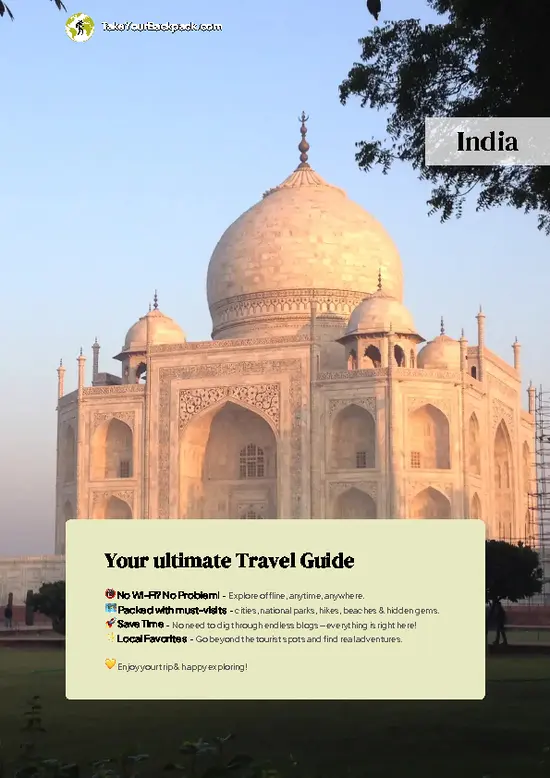
example page 0 from our offline Travel Guide for India
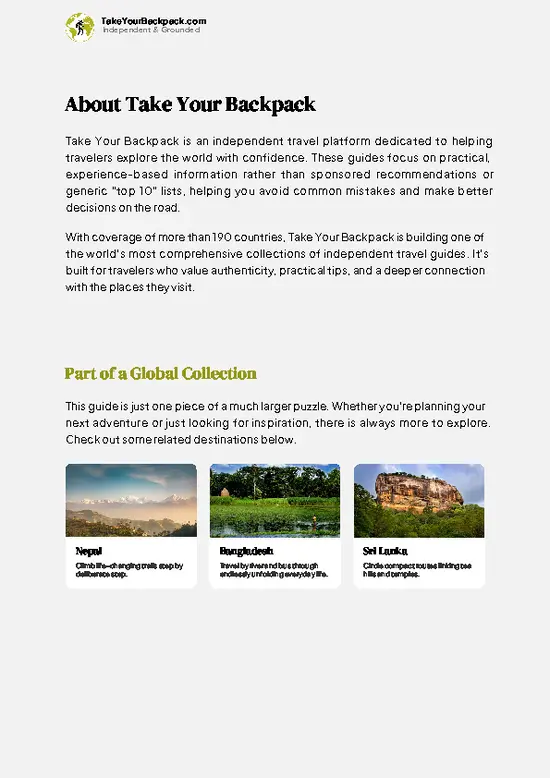
example page 1 from our offline Travel Guide for India
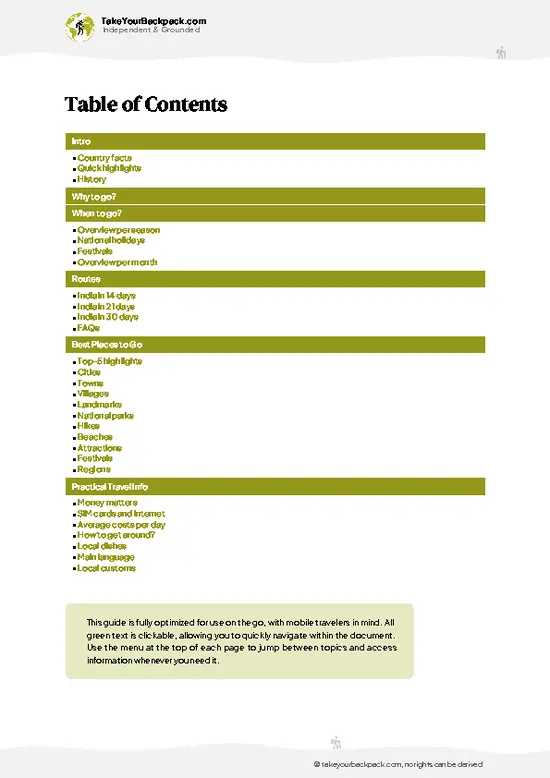
example page 2 from our offline Travel Guide for India
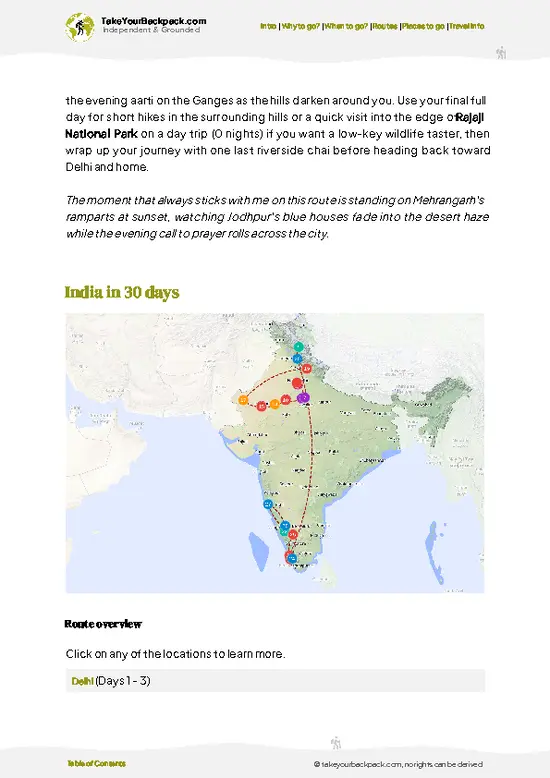
example page 3 from our offline Travel Guide for India
example page 4 from our offline Travel Guide for India
example page 5 from our offline Travel Guide for India
example page 6 from our offline Travel Guide for India
example page 7 from our offline Travel Guide for India
The digital guide (498 pages) contains:
162 highlights, ranked by travel appeal
Optimized 14, 21 & 30-day travel routes
Cities, national parks, landmarks, beaches
How to get around
Offline-friendly for travel without Wi-Fi
👉 Click to see all 30+ guide features

📅 Plan smarter in minutes, not weeks
Month by month travel advice
Festivals & national holidays
Budget expectations

🗺️ Go to the right places, skip the overrated ones
Honest pros & cons of destinations
Top hikes, parks & viewpoints
Lesser-known places most travelers miss
Clear “worth it vs skip it” guidance

🛏️ Travel smoothly without rookie mistakes
Best areas to stay
Transport systems explained simply
Common scams & safety advice
SIM cards, money & practical tips

🌍 Understand the country, not just visit it
Culture & traditions
52 Essential phrases & customs
Festivals worth planning around
Traveler-friendly historical context
Insights that make places more meaningful

📱 Built for real travel conditions
Fully downloadable PDF
Works completely offline
Optimized for phone use
Useful in remote areas & buses
Everything in one place
Save weeks of stressful planning
Get instant access to your full guide. 30‑day money-back guarantee.


By proceeding you agree to our terms.
Sent to your inbox immediately after payment • 100% Secure Checkout
Best Backpacking Travel Advisor 2025 tourism awardBest Backpacking
Travel Advisor
2025
What others say about Take Your Backpack Guides:
⭐⭐⭐⭐⭐
Fantastic, amazing amount of information!
⭐⭐⭐⭐⭐
My goodness this is amazing, it's what I've been looking for hats off too you!
⭐⭐⭐⭐⭐
I think this is absolutely BRILLIANT
⭐⭐⭐⭐
Very complete and informative. It's still missing places, but I gotta to commend you
⭐⭐⭐⭐⭐
This is truly amazing, thank you, can't wait to explore it with my kids!
⭐⭐⭐⭐⭐
Awesome resource, thank you!
⭐⭐⭐⭐⭐
This is amazing! Can't wait to explore the ones I haven't seen
⭐⭐⭐⭐
I love this! Well done, great idea.
⭐⭐⭐⭐⭐
Thanks for taking the time to make this gem!
⭐⭐⭐⭐⭐
This might be the best website I've ever seen.
⭐⭐⭐⭐⭐
Congratulations, and thank you so much for your work; it's incredibly valuable.
⭐⭐⭐⭐
In all seriousness I think you did a great job pointing out the important spots
⭐⭐⭐⭐⭐
10/10 very good
⭐⭐⭐⭐⭐
As someone who's only just starting to visit regularly this is awesome, thank you.
⭐⭐⭐⭐
Thank you very much! I'm going to visit my dad, it's going to be very useful!
⭐⭐⭐⭐⭐
This is really cool! We'll be travelling for the first time and this definitely come in handy.
⭐⭐⭐⭐⭐
You are now our minister of culture, congratulations 👨‍💼
⭐⭐⭐⭐⭐
Just wanted to tell you that this is a pearl! Going to follow your recommendations.
⭐⭐⭐⭐⭐
This is so cool. I'll definitely be using the resource for my travels soon.
⭐⭐⭐⭐⭐
This is very impressive! Good work.
⭐⭐⭐⭐⭐
This is an amazing and informative site. Very well done!

🛏️ Where to stay?How to pick the right area

Staying near the Red Fort Complex? Focus on the Chandni Chowk area. It’s chaotic, vibrant, and steeped in history. You’ll find budget-friendly guesthouses and hostels that attract solo travelers and backpackers. The streets are alive with street food vendors and local shops, making it a sensory overload in the best way.

Another solid option is the Paharganj neighborhood. It’s a backpacker hub with a mix of budget accommodations and a lively atmosphere. You’ll meet fellow travelers, swap stories, and find plenty of cafes to recharge. Just be ready for the hustle; it’s not for the faint-hearted, but that’s where the real adventure lies.

👛 Costs (as of 30 July 2026)Money, prices, and spending tips

Visiting the Red Fort Complex in India can be a mixed bag of costs, but understanding the breakdown helps you navigate the experience without getting blindsided. Here’s what you can expect:
  • Entry Fee: The ticket price for Indian citizens is around ₹50 (approximately $0.60), while foreign tourists pay about ₹600 (around $7.50). This fee grants you access to the main areas, but be prepared for additional charges for specific exhibitions or guided tours.
  • Guided Tours: If you want to dive deeper into the history, hiring a guide can cost between ₹500 to ₹1,500 ($6 to $18), depending on their expertise and the length of the tour. This can be worth it to avoid missing out on the rich stories behind the architecture.
  • Food and Drinks: Inside the complex, options are limited. Street vendors outside offer
read more 👉
Visiting the Red Fort Complex in India can be a mixed bag of costs, but understanding the breakdown helps you navigate the experience without getting blindsided. Here’s what you can expect:
  • Entry Fee: The ticket price for Indian citizens is around ₹50 (approximately $0.60), while foreign tourists pay about ₹600 (around $7.50). This fee grants you access to the main areas, but be prepared for additional charges for specific exhibitions or guided tours.
  • Guided Tours: If you want to dive deeper into the history, hiring a guide can cost between ₹500 to ₹1,500 ($6 to $18), depending on their expertise and the length of the tour. This can be worth it to avoid missing out on the rich stories behind the architecture.
  • Food and Drinks: Inside the complex, options are limited. Street vendors outside offer snacks for ₹20 to ₹100 ($0.25 to $1.25). If you opt for a sit-down meal nearby, expect to pay around ₹300 to ₹800 ($4 to $10) for a decent meal. Bring water; it’s essential, especially in the heat.
  • Transportation: Getting to the Red Fort can vary widely. A rickshaw ride from central Delhi might cost you ₹100 to ₹300 ($1.25 to $4). If you’re using the metro, it’s a steal at around ₹20 to ₹50 ($0.25 to $0.60). Factor in return trips, especially if you plan to explore the area.
  • Souvenirs: If you’re tempted to take a piece of the experience home, budget around ₹200 to ₹1,000 ($2.50 to $12.50) for local handicrafts or trinkets. Prices can be haggled down, so don’t be shy.

The Red Fort is a treasure trove of history, but it’s essential to be prepared for the crowds and the hustle. Knowing these costs upfront can help you enjoy the real magic without the financial hangover.


source: incredibleindia.org
⚠️ Prices can change and everyone travels differently, so take this as a rough guide. Hope it helps you plan your adventure!

Other Indian landmarks near Red Fort Complex

Explore more nearby:

  • Humayun’s Tomb—Persian gardens, domed mausoleum, Mughal symmetry| 7 km away
  • Fatehpur Sikri—abandoned capital, red sandstone pavilions, imperial mosque| 179 km away
  • Agra Fort—red sandstone ramparts, Mughal palaces, royal courtyards| 181 km away

💡 Not sure where to go next?
Create a personalized itinerary for India including Red Fort Complex and the places that fit your trip.

Generate my itinerary

👉 Discover all landmarks

Or checkout all India has to offer (think cities, towns, villages, national parks, hikes, beaches, festivals)
Country photo of India

We 💚 feedbackIs it worth it?

The Red Fort Complex is a stunning testament to Mughal architecture, with intricate details that make you feel history pulse through the walls. But brace yourself for the crowds; it can feel like a sardine can during peak hours. Still, the vibe and stories are worth the hustle.

✈️ When did I visit India?
As part of my 1.5 year travel around the world trip, I visited India in December 2015.

✍️ Help improve this page!
The information on this page is based on my own backpacking experience in India, supplemented with up-to-date research and feedback from other travelers. Travel details can change, so if you notice anything outdated or incomplete, feel free to let me know.


🙋‍♂️ Give feedback

👋 Meet the founderWho’s Behind Take Your Backpack?

Johan, backpacker and founder of TakeYourBackpackHi, I’m Johan (Netherlands 🇳🇱), the creator of TakeYourBackpack. Over the past decade, I’ve backpacked through 80+ countries across six continents, gaining extensive experience with independent travel, long-term trips, and overland routes.

This site is built on a combination of firsthand travel experience and carefully curated insights from other backpackers. Many guides are based on places I’ve personally visited, while others bring together tips, observations, and practical advice shared by trusted travelers I’ve met along the way.

The goal is to provide realistic, experience-driven guidance — not generic itineraries — so you can explore destinations with better context, clearer expectations, and more confidence.

Get full India guide •
Instant download • 162 highlights • Full Offline guide