v2.webp)
- The multi-tiered stepwell geometry — The visual shock when you first see the plunging, perfectly layered steps and galleries is unforgettable. It’s not just pretty: the descending symmetry is an engineering solution to water access and cooling, designed to work with season and sun.
- Intricate sculptural panels — Thousands of finely carved figures, from gods to everyday life scenes, cover the walls. The detail and variety rival much larger temples, and you can spend ages spotting tiny narrative moments. (Personal favorite.)
- Avatars and Hindu iconography — Clear, sequential panels of Vishnu’s ten avatars and other mythic stories make the site an open-air textbook of medieval religious art. It’s rare to see such well-preserved storytelling carved into a functional civic structure.
- Scale and
- The multi-tiered stepwell geometry — The visual shock when you first see the plunging, perfectly layered steps and galleries is unforgettable. It’s not just pretty: the descending symmetry is an engineering solution to water access and cooling, designed to work with season and sun.
- Intricate sculptural panels — Thousands of finely carved figures, from gods to everyday life scenes, cover the walls. The detail and variety rival much larger temples, and you can spend ages spotting tiny narrative moments. (Personal favorite.)
- Avatars and Hindu iconography — Clear, sequential panels of Vishnu’s ten avatars and other mythic stories make the site an open-air textbook of medieval religious art. It’s rare to see such well-preserved storytelling carved into a functional civic structure.
- Scale and depth of the well chamber — Standing at the bottom level gives a real sense of how the stepwell was a cool, shaded microclimate. The echoing chambers and the play of light down the shaft are atmospheric — bring a light jacket, it’s noticeably cooler.
- Water-management ingenuity — Rani ki Vav is an example of pre-modern sustainability: rainwater harvesting, groundwater recharge, and seasonal access designed into one structure. It’s worth appreciating the practical brains behind the beauty.
- Historical context and the queen’s patronage — Built for and by Queen Udayamati in the 11th century, the monument tells a political story: a woman commissioning a major civic-religious project under the Solanki dynasty. That backstory gives extra weight to the carvings and layout.
- UNESCO setting and visitor experience — Declared a World Heritage site, the place is protected and interpreted well. Early morning light is best for photos and avoiding crowds; late afternoon brings soft shadows that make the carvings pop.
Spotted a mistake or missing something? Contact us.

Private Sunrise Taj Mahal Tour from Delhi By Car -All inclusive
✓ Free cancellation

Private 2-Day Tour to The Taj Mahal and Agra with Both Side Commercial Flights
✓ Free cancellation

Private 6-Day Golden Triangle Tour: Delhi, Agra, Jaipur by Car
✓ Free cancellation

World heritage Ahmedabad city tour in private car with guide and lunch
✓ Free cancellation
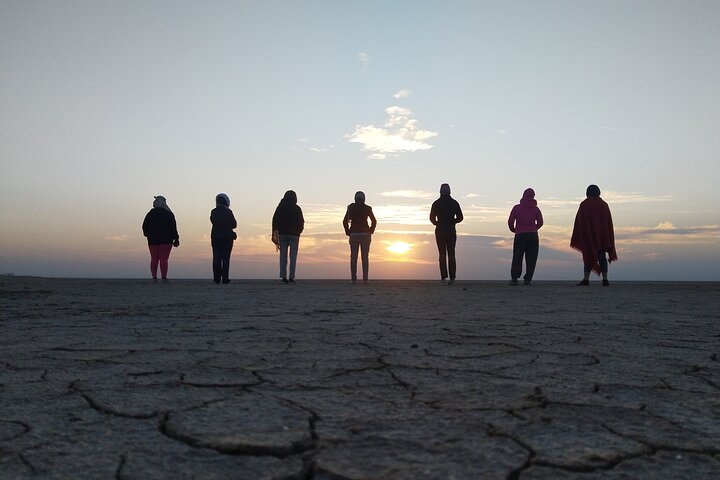
Multi-Day Tour to Dholavira and Rann of Kutch

6-Day Private Tour of Delhi, Agra, Jaipur, and Varanasi from Delhi

Private Mumbai City Tour with Dharavi Slum (Famous Movie Location
✓ Free cancellation

4-Day Private Golden Triangle Tour: Delhi, Agra, and Jaipur
✓ Free cancellation

Overnight Agra Tour From Ahmedabad with Return Flights
✓ Free cancellation

Food Walk in Ahmedabad to Savor Gujarati Cuisine
✓ Free cancellation





 Best Backpacking
.jpg) Hi, I’m Johan (Netherlands 🇳🇱), the creator of TakeYourBackpack. Over the past decade, I’ve backpacked through 80+ countries across six continents, gaining extensive experience with independent travel, long-term trips, and overland routes.
Hi, I’m Johan (Netherlands 🇳🇱), the creator of TakeYourBackpack. Over the past decade, I’ve backpacked through 80+ countries across six continents, gaining extensive experience with independent travel, long-term trips, and overland routes.