×

Indonesia🇮🇩 | festivalsAsmat Cultural Festivalwood carving, canoe races, Papua rituals | things to do and best time to go

Explore Krakatau FestivalExplore Lake Toba Festival

Backpacking in Asmat Cultural
👌 Worth visitingfestival ranked #17
By Johan Kruseman 🇳🇱 | Updated May 19, 2026

Most blogs sell the Asmat Cultural Festival as a neat little “cultural show,” but on the ground it feels more like a controlled tribal summit where you’re the guest, not the target audience. Held in Agats, in Asmat Regency, South Papua, it runs a few intense days of war-drum rhythms, carved canoe parades, and woodcarving competitions that pull in carvers, church folks, officials, and a handful of stubborn backpackers. The vibe is raw, humid, logistically annoying—and absolutely worth it if you crave culture over comfort.

Discover everything you want to know in the 📖 Indonesia Travel Guide.
Loading the map 🌍
CLICK TO FILTER
cities
towns
landmarks
national parks
hikes
beaches
attractions
festivals
regions
SHOW COUNTRY’S BESTSHOW ALL

✨ Why go?
Ranked #17 festival in Indonesia
What makes it a must-see festival

Backpackers flock to the Asmat Cultural Festival for its social energy and the chance to dive into a temporary community. This vibrant event offers a unique cultural immersion that’s hard to find elsewhere. You’ll witness traditional dances, crafts, and rituals that breathe life into the local heritage. Plus, it’s affordable compared to similar festivals, allowing you to stretch your budget for other adventures. Planning your route around this festival not only enriches your experience but also seamlessly fits into longer travel plans, making every moment count on your journey through Indonesia.
Want to include Asmat Cultural Festival in your Indonesia route?
Create a personalized Indonesia itinerary that includes Asmat Cultural Festival and the places that fit your trip — based on your travel style, budget, and available time. Get your route in seconds.

Generate my trip

💡 HighlightsPlaces and moments you shouldn't skip

  1. Bisj-pole ceremonies and ancestral rites — Towering carved bisj poles are raised during ceremonies to honor ancestors and communal history. The drama is something you feel in your chest: rhythmic drums, solemn chanting and the sheer scale of the sculptures make it an emotional, unforgettable moment. Respectful watching is a must — these aren’t just performances, they’re living belief.
  2. Traditional dances and masked performances — Dancers wearing intricate masks and headdresses enact stories of hunters, spirits and crocodiles with fierce energy and precise movements. Costumes, body paint and percussive music create a visual and sonic spectacle you don’t see anywhere else in Indonesia. It’s theatrical but rooted in real social meanings, not just showbiz.
  3. Woodcarving demonstrations and artisan
read more 👉
  1. Bisj-pole ceremonies and ancestral rites — Towering carved bisj poles are raised during ceremonies to honor ancestors and communal history. The drama is something you feel in your chest: rhythmic drums, solemn chanting and the sheer scale of the sculptures make it an emotional, unforgettable moment. Respectful watching is a must — these aren’t just performances, they’re living belief.
  2. Traditional dances and masked performances — Dancers wearing intricate masks and headdresses enact stories of hunters, spirits and crocodiles with fierce energy and precise movements. Costumes, body paint and percussive music create a visual and sonic spectacle you don’t see anywhere else in Indonesia. It’s theatrical but rooted in real social meanings, not just showbiz.
  3. Woodcarving demonstrations and artisan market — Watching master carvers transform a raw log into a sculpture, then being able to buy directly from them, is the real highlight for me — personal favorite. You get close to the craft, hear the stories behind pieces, and often strike better prices than in tourist hubs. It’s honest, hands-on cultural exchange: bring cash and a good eye.
  4. River canoe processions and paddling displays — Asmat life is river life, and the canoes decorated with carved motifs are a spectacular sight on water. Processions and friendly races show off seamanship and local artistry at the same time. The combination of movement, carving and the jungle backdrop feels uniquely Papuan.
  5. Night storytelling, ritual music and oral traditions — After sunset the festival tightens into smaller circles where elders tell origin myths, play traditional flutes and sing ritual songs. It’s intimate and gives real context to the daytime pageantry; you’ll remember the stories longer than the photos. Sit close, listen quietly, and let the rhythms sink in.
Spotted a mistake or missing something? Contact us.

🌤️ When to go?When is the celebration of Asmat Cultural Festival?


  • Topic: Weather – The festival runs during the dry season, roughly August to October, when rain is scarce and humidity drops. Expect highs around 28-32°C (82-90°F), perfect for trekking without the mud and slippery trails.

  • Topic: Temperature – Daytime warmth is steady, but nights can dip to 20°C (68°F). Pack layers to stay comfortable from dawn to dusk.

  • Topic: Daylight Hours – Near the equator, daylight stays consistent at about 11-12 hours, giving you plenty of time to explore the festival and surrounding villages.

  • Topic: Crowds – The festival draws a niche crowd of culture seekers, so expect moderate numbers. Arriving early in the season means fewer tourists and more authentic interactions.

  • Topic: Seasonal Activities – This period aligns with traditional ceremonies and vibrant
read more 👉

  • Topic: Weather – The festival runs during the dry season, roughly August to October, when rain is scarce and humidity drops. Expect highs around 28-32°C (82-90°F), perfect for trekking without the mud and slippery trails.

  • Topic: Temperature – Daytime warmth is steady, but nights can dip to 20°C (68°F). Pack layers to stay comfortable from dawn to dusk.

  • Topic: Daylight Hours – Near the equator, daylight stays consistent at about 11-12 hours, giving you plenty of time to explore the festival and surrounding villages.

  • Topic: Crowds – The festival draws a niche crowd of culture seekers, so expect moderate numbers. Arriving early in the season means fewer tourists and more authentic interactions.

  • Topic: Seasonal Activities – This period aligns with traditional ceremonies and vibrant performances, maximizing your cultural immersion.

  • Topic: Price Fluctuations – Accommodation and transport costs spike during the festival but booking early locks in better rates. Avoid last-minute hikes by planning ahead.


Pro-tip: Time your visit for early festival days to dodge crowds and rain, preserving your energy for the moments that truly matter.


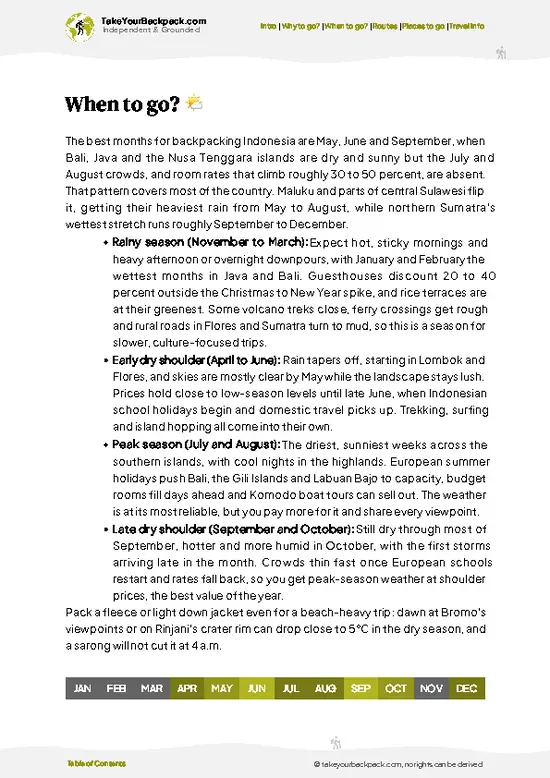
source: climatestotravel.comJANJanuary: not recommended for travelingFEBFebruary: not recommended for travelingMARMarch: not recommended for travelingAPRApril: not recommended for travelingMAYMay: not recommended for travelingJUNJune: not recommended for travelingJULJuly: not recommended for travelingAUGAugust: excellent for travelingSEPSeptember: not recommended for travelingOCTOctober: not recommended for travelingNOVNovember: not recommended for travelingDECDecember: not recommended for traveling

✈️ The backpacker research shortcutIndonesia Travel Guide

An offline-friendly backpacking guide with optimized travel routes, ranked highlights, transport advice, and the best areas to stay.
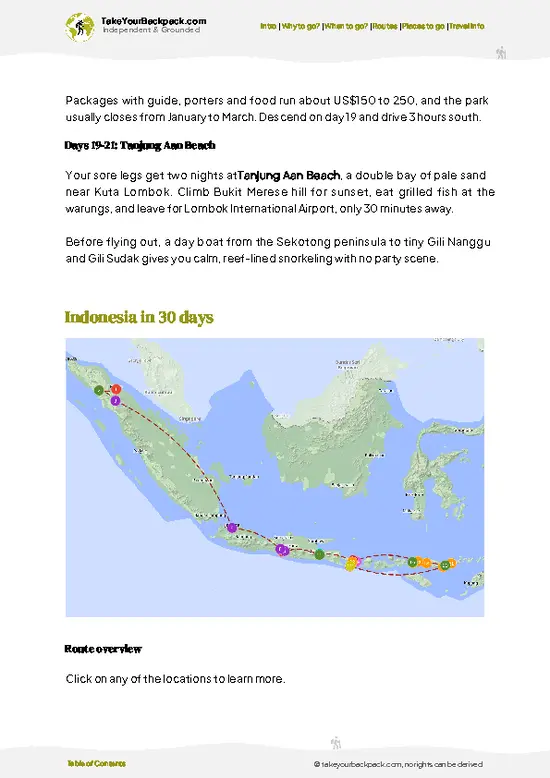
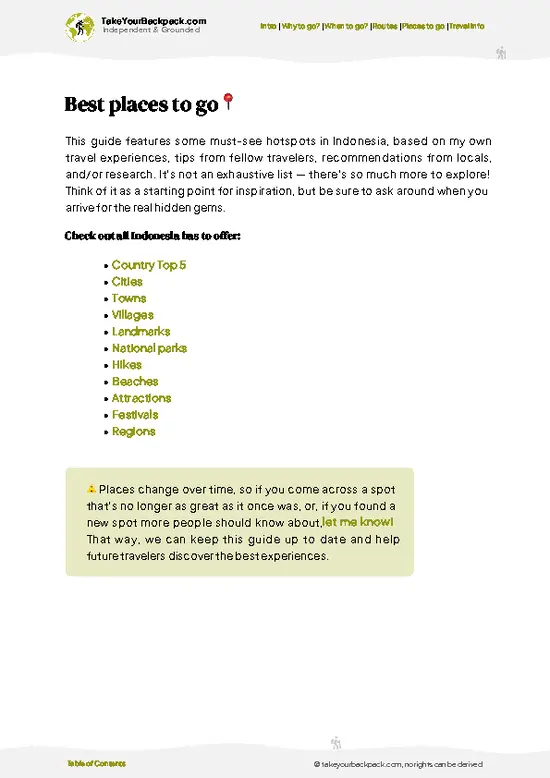
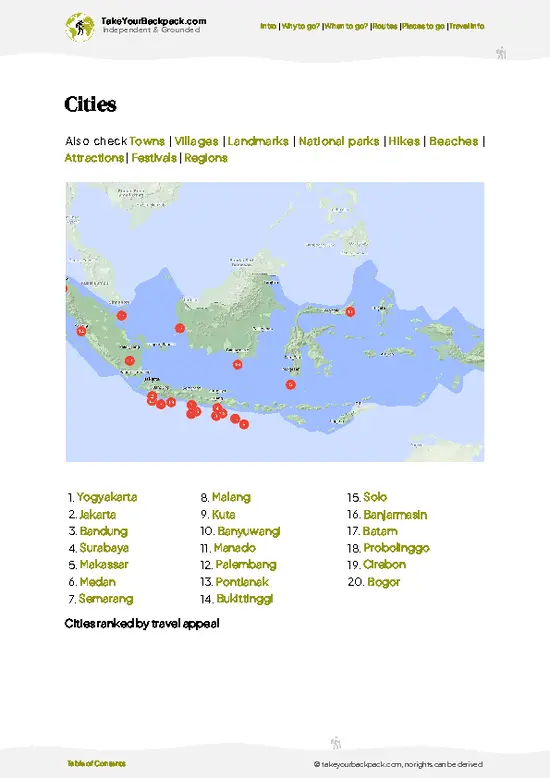
example page 0 from our offline Travel Guide for Indonesia
example page 1 from our offline Travel Guide for Indonesia
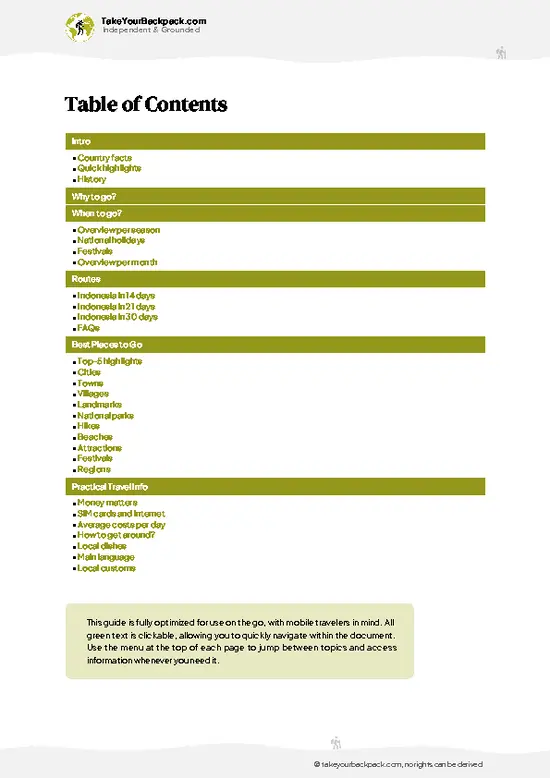
example page 2 from our offline Travel Guide for Indonesia
example page 3 from our offline Travel Guide for Indonesia
example page 4 from our offline Travel Guide for Indonesia
example page 5 from our offline Travel Guide for Indonesia
example page 6 from our offline Travel Guide for Indonesia
example page 7 from our offline Travel Guide for Indonesia
The digital guide (550 pages) contains:
155 highlights, ranked by travel appeal
Optimized 14, 21 & 30-day travel routes
Cities, national parks, landmarks, beaches
How to get around
Offline-friendly for travel without Wi-Fi
👉 Click to see all 30+ guide features

📅 Plan smarter in minutes, not weeks
Month by month travel advice
Festivals & national holidays
Budget expectations

🗺️ Go to the right places, skip the overrated ones
Honest pros & cons of destinations
Top hikes, parks & viewpoints
Lesser-known places most travelers miss
Clear “worth it vs skip it” guidance

🛏️ Travel smoothly without rookie mistakes
Best areas to stay
Transport systems explained simply
Common scams & safety advice
SIM cards, money & practical tips

🌍 Understand the country, not just visit it
Culture & traditions
52 Essential phrases & customs
Festivals worth planning around
Traveler-friendly historical context
Insights that make places more meaningful

📱 Built for real travel conditions
Fully downloadable PDF
Works completely offline
Optimized for phone use
Useful in remote areas & buses
Everything in one place
Save weeks of stressful planning
Get instant access to your full guide. 30‑day money-back guarantee.


By proceeding you agree to our terms.
Sent to your inbox immediately after payment • 100% Secure Checkout
Best Backpacking Travel Advisor 2025 tourism awardBest Backpacking
Travel Advisor
2025
What others say about Take Your Backpack Guides:
⭐⭐⭐⭐⭐
Fantastic, amazing amount of information!
⭐⭐⭐⭐⭐
My goodness this is amazing, it's what I've been looking for hats off too you!
⭐⭐⭐⭐⭐
I think this is absolutely BRILLIANT
⭐⭐⭐⭐
Very complete and informative. It's still missing places, but I gotta to commend you
⭐⭐⭐⭐⭐
This is truly amazing, thank you, can't wait to explore it with my kids!
⭐⭐⭐⭐⭐
Awesome resource, thank you!
⭐⭐⭐⭐⭐
This is amazing! Can't wait to explore the ones I haven't seen
⭐⭐⭐⭐
I love this! Well done, great idea.
⭐⭐⭐⭐⭐
Thanks for taking the time to make this gem!
⭐⭐⭐⭐⭐
This might be the best website I've ever seen.
⭐⭐⭐⭐⭐
Congratulations, and thank you so much for your work; it's incredibly valuable.
⭐⭐⭐⭐
In all seriousness I think you did a great job pointing out the important spots
⭐⭐⭐⭐⭐
10/10 very good
⭐⭐⭐⭐⭐
As someone who's only just starting to visit regularly this is awesome, thank you.
⭐⭐⭐⭐
Thank you very much! I'm going to visit my dad, it's going to be very useful!
⭐⭐⭐⭐⭐
This is really cool! We'll be travelling for the first time and this definitely come in handy.
⭐⭐⭐⭐⭐
You are now our minister of culture, congratulations 👨‍💼
⭐⭐⭐⭐⭐
Just wanted to tell you that this is a pearl! Going to follow your recommendations.
⭐⭐⭐⭐⭐
This is so cool. I'll definitely be using the resource for my travels soon.
⭐⭐⭐⭐⭐
This is very impressive! Good work.
⭐⭐⭐⭐⭐
This is an amazing and informative site. Very well done!

🛏️ Where to stay?Best areas to stay in Indonesia

Stay in the heart of Jayapura for the best access to the ’Asmat Cultural Festival’. This bustling city offers a mix of budget-friendly guesthouses and lively hostels. You’ll find a community of fellow travelers eager to share stories and tips.

Another solid option is to base yourself in Sentani, just a short ride from the festival. It’s quieter but still social, with local eateries serving up authentic flavors.

Both areas are safe and vibrant, ensuring you can recharge after a day of cultural immersion. Avoid the tourist traps; focus on places where locals gather. That’s where the real energy lies.

👛 Costs (as of 4 December 2024)Travel costs and budget guide for Asmat Cultural

The Asmat Cultural Festival in Indonesia is a vibrant celebration, but navigating the costs can feel like a maze. Here’s how to keep your budget in check while maximizing your experience.
  • Festival Tickets: Expect to pay around $10 to $20 for entry. This fee grants you access to traditional performances, art displays, and local crafts. It’s a small price for a deep dive into Asmat culture.
  • Accommodation: Options vary widely. Budget hostels start at about $15 per night, while mid-range hotels can range from $30 to $70. For a more immersive experience, consider homestays, which might cost around $25 to $50. Book early to secure the best spots.
  • Local Transport: Getting around can be tricky. Local transport options like ojeks (motorcycle taxis) typically charge $2 to $5 for short rides. If you’re
read more 👉
The Asmat Cultural Festival in Indonesia is a vibrant celebration, but navigating the costs can feel like a maze. Here’s how to keep your budget in check while maximizing your experience.
  • Festival Tickets: Expect to pay around $10 to $20 for entry. This fee grants you access to traditional performances, art displays, and local crafts. It’s a small price for a deep dive into Asmat culture.
  • Accommodation: Options vary widely. Budget hostels start at about $15 per night, while mid-range hotels can range from $30 to $70. For a more immersive experience, consider homestays, which might cost around $25 to $50. Book early to secure the best spots.
  • Local Transport: Getting around can be tricky. Local transport options like ojeks (motorcycle taxis) typically charge $2 to $5 for short rides. If you’re venturing further, budget around $10 to $20 for a day’s worth of transport. Always negotiate fares upfront to avoid surprises.
  • Food & Drinks: Street food is a highlight. Meals can cost as little as $2 to $5. If you opt for restaurants, expect to pay $5 to $15 per meal. Don’t forget to try local specialties! Water and soft drinks will add another $1 to $3 to your daily expenses.
  • Miscellaneous Expenses: This includes souvenirs, tips, and any unexpected costs. Set aside around $20 to $50 for these extras. It’s wise to have a buffer for spontaneous adventures or local crafts that catch your eye.

Planning ahead will help you dodge the hidden costs and keep your energy focused on the festival’s vibrant experiences.


source: indonesia.travel
⚠️ Prices can change and everyone travels differently, so take this as a rough guide. Hope it helps you plan your adventure!

🍲 FoodLocal Flavors for Backpackers

At the Asmat Cultural Festival, food is a vibrant celebration. Dive into sago dishes, a staple here, often served with fresh fish or wild game. Don’t miss the papeda, a gooey, starchy delight that pairs perfectly with rich, spicy sauces.

Festival stalls buzz with energy, offering grilled meats and tropical fruits. Try the coconut water straight from the shell; it’s refreshing and authentic.

Be ready to share! It’s common to swap bites with fellow festival-goers, creating a communal vibe. Cash is king here, so keep some handy. Serving sizes can vary, so don’t hesitate to sample a bit of everything. Enjoy the flavors and the connections!

Other Indonesian festivals near Asmat Cultural

Explore more nearby:


💡 Not sure where to go next?
Create a personalized itinerary for Indonesia including Asmat Cultural and the places that fit your trip.

Generate my itinerary

👉 Discover all festivals

Or checkout all Indonesia has to offer (think cities, towns, villages, national parks, hikes, beaches, festivals)
Country photo of Indonesia

We 💚 feedbackSumming up the experience

The Asmat Cultural Festival is a vibrant pulse of tradition and artistry that you can’t replicate anywhere else. But brace yourself for the logistics—getting there is a trek, and accommodations can be basic. Embrace the challenge; it’s all part of the adventure!

✈️ When did I visit Indonesia?
As part of my 1.5 year travel around the world trip, I visited Indonesia twice (and it was worth it. First in September 2015 and a bit later again in January and February 2016.

✍️ Help improve this page!
The information on this page is based on my own backpacking experience in Indonesia, supplemented with up-to-date research and feedback from other travelers. Travel details can change, so if you notice anything outdated or incomplete, feel free to let me know.


🙋‍♂️ Give feedback

👋 Meet the founderWho’s Behind Take Your Backpack?

Johan, backpacker and founder of TakeYourBackpackHi, I’m Johan (Netherlands 🇳🇱), the creator of TakeYourBackpack. Over the past decade, I’ve backpacked through 80+ countries across six continents, gaining extensive experience with independent travel, long-term trips, and overland routes.

This site is built on a combination of firsthand travel experience and carefully curated insights from other backpackers. Many guides are based on places I’ve personally visited, while others bring together tips, observations, and practical advice shared by trusted travelers I’ve met along the way.

The goal is to provide realistic, experience-driven guidance — not generic itineraries — so you can explore destinations with better context, clearer expectations, and more confidence.

Get full Indonesia guide •
Instant download • 155 highlights • Full Offline guide