×

Indonesia🇮🇩 | citiesBandungart deco, mountain air, creative scene | things to do and best time to go

Explore Pantai Tanjung MeriamExplore Denpasar

Backpacking in Bandung
🏆 Top pickcity ranked #7
By Johan Kruseman 🇳🇱 | Updated June 4, 2026

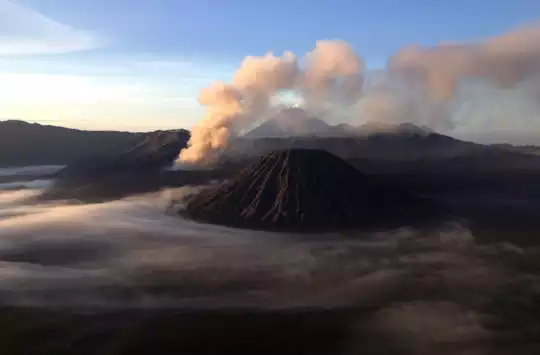
Most people think Bandung is just “Jakarta’s cooler suburb” for outlet malls and weekend traffic jams. That’s lazy intel. Bandung sits up in the hills of West Java, a few hours south of Jakarta, and it has its own brain, style, and problems. For backpackers, it’s a trade: you swap big-city chaos for student energy, colonial architecture along Jalan Asia Afrika, and café culture that could keep you caffeinated for a week. The volcano-and-crater day trips (Tangkuban Perahu, Kawah Putih) are the real draw, but they’re over-touristed on weekends and transport can be a hassle if you’re solo. It’s cheap, generally safe, and easy enough to navigate, but the backpacker scene is thin compared with Yogyakarta; you work a bit harder to meet people, usually via hostels or Couchsurfing. Overall vibe: creative, slightly scruffy, more “local city with layers” than classic backpacker hub.

Discover everything you want to know in the 📖 Indonesia Travel Guide.
Loading the map 🌍
CLICK TO FILTER
cities
towns
landmarks
national parks
hikes
beaches
attractions
festivals
regions
SHOW COUNTRY’S BESTSHOW ALL

✨ Why go?
Ranked #7 city in Indonesia
Why visitors keep coming back

Bandung is a strategic hub for backpackers navigating Indonesia. It’s not just about the highlights; it’s the basecamp value that makes it shine. You can dive into day trips to volcanic landscapes or tea plantations, all while enjoying the city’s affordable hostels that cater to budget-conscious travelers. The food scene is a delightful mix of street vendors and cozy cafes, offering everything from spicy local dishes to international bites, ensuring you won’t go hungry.

The city’s walkability adds to its charm; you can easily explore vibrant neighborhoods and bustling markets on foot. When the sun sets, the nightlife kicks in, with lively bars and music venues that keep the energy high. Plus, Bandung’s easy onward travel options make it a breeze to connect to other destinations, whether … read more 👉
Bandung is a strategic hub for backpackers navigating Indonesia. It’s not just about the highlights; it’s the basecamp value that makes it shine. You can dive into day trips to volcanic landscapes or tea plantations, all while enjoying the city’s affordable hostels that cater to budget-conscious travelers. The food scene is a delightful mix of street vendors and cozy cafes, offering everything from spicy local dishes to international bites, ensuring you won’t go hungry.

The city’s walkability adds to its charm; you can easily explore vibrant neighborhoods and bustling markets on foot. When the sun sets, the nightlife kicks in, with lively bars and music venues that keep the energy high. Plus, Bandung’s easy onward travel options make it a breeze to connect to other destinations, whether you’re heading to Jakarta or the mountains.

In short, Bandung offers a blend of affordability, convenience, and local flavor that makes it a worthy stop on your backpacking route, whether for a few days or just a quick pit stop.
Want to include Bandung in your Indonesia route?
Create a personalized Indonesia itinerary that includes Bandung and the places that fit your trip — based on your travel style, budget, and available time. Get your route in seconds.

Generate my trip

💡 HighlightsTop highlights of Bandung

  1. Gedung Sate — Iconic Dutch-era government building with distinctive “satay” skewer ornament; good for photos, a small museum inside, and a feel for Bandung’s colonial-era civic identity.
  2. Jalan Braga — The old art-deco avenue where cafés, galleries, and old shop-houses meet; stroll to soak up downtown street life, spot vintage façades, and sip coffee in places locals actually go to.
  3. Asia-Africa Conference Museum (Gedung Merdeka) — The historic hall where the 1955 Asia-Africa Conference happened; exhibits and the preserved meeting room give real context to Bandung’s role in global postcolonial history.
  4. Museum Geologi Bandung — Hands-on fossils, volcanic samples, and detailed displays about Java’s geology; it’s surprisingly engaging and helps explain why the surrounding landscape behaves
read more 👉
  1. Gedung Sate — Iconic Dutch-era government building with distinctive “satay” skewer ornament; good for photos, a small museum inside, and a feel for Bandung’s colonial-era civic identity.
  2. Jalan Braga — The old art-deco avenue where cafés, galleries, and old shop-houses meet; stroll to soak up downtown street life, spot vintage façades, and sip coffee in places locals actually go to.
  3. Asia-Africa Conference Museum (Gedung Merdeka) — The historic hall where the 1955 Asia-Africa Conference happened; exhibits and the preserved meeting room give real context to Bandung’s role in global postcolonial history.
  4. Museum Geologi Bandung — Hands-on fossils, volcanic samples, and detailed displays about Java’s geology; it’s surprisingly engaging and helps explain why the surrounding landscape behaves the way it does.
  5. Saung Angklung Udjo — A living cultural center focused on angklung music and Sundanese performance; interactive shows let you join in, learn rhythms, and see artisans make instruments.
  6. Taman Hutan Raya Ir. H. Djuanda (Tahura) — Forest park inside the city’s northern rim with short hikes, small caves (including Gua Jepang), waterfalls, and viewpoints — an easy nature fix without leaving Bandung proper.
  7. Pasar Baru Trade Center — One of Bandung’s oldest shopping districts: textiles, modest eateries, and bargaining culture; great for cheap tailoring, local snacks, and watching daily commerce unfold.
  8. Villa Isola — An elegant Art Deco villa in Dago with quirky history (Dutch-era, later repurposed); the architecture and hilltop setting are a window into Bandung’s 20th-century elite past.
  9. Alun-Alun Bandung & Masjid Raya — The central square and the Great Mosque are where locals gather, fly kites, and eat street snacks; it’s the best place to watch Bandung’s everyday rhythm, especially at dusk.
  10. Rumah Mode / Riau Factory-Outlet District — Bandung’s famed factory-outlet scene: mix of serious bargains and quirky finds, reflecting the city’s fashion-trade culture and why shoppers keep coming back.
A few great day trips just outside Bandung: Tangkuban Perahu (volcanic crater), Kawah Putih and the Ciwidey tea terraces — my personal favorite for a first-time visitor is Tangkuban Perahu.
Spotted a mistake or missing something? Contact us.

Things to do in Bandung

Ratings based on Tripadvisor reviews. When you book through this link, you support our work at no extra cost to you.

🏘️ NeighborhoodsNeighborhood guide to Bandung

Bandung is a vibrant city that offers a mix of culture, nature, and urban life, making it a prime spot for backpackers looking for diverse experiences. Here’s how the neighborhoods stack up:

Braga: This area is the heart of Bandung’s nightlife. With its colonial architecture, cafes, and bars, it’s perfect for those who want to soak in the local vibe after dark. Expect higher prices here, but the walkability makes it easy to explore. Ideal for short stays where you want to be in the action.

Setiabudi: Known for its cooler climate and lush surroundings, Setiabudi is quieter and more residential. It’s a great spot for longer stays, especially if you enjoy nature walks and local eateries. Transport options are decent, but you might need to rely on rideshares for late-night outings.

Dago: A … read more 👉
Bandung is a vibrant city that offers a mix of culture, nature, and urban life, making it a prime spot for backpackers looking for diverse experiences. Here’s how the neighborhoods stack up:

Braga: This area is the heart of Bandung’s nightlife. With its colonial architecture, cafes, and bars, it’s perfect for those who want to soak in the local vibe after dark. Expect higher prices here, but the walkability makes it easy to explore. Ideal for short stays where you want to be in the action.

Setiabudi: Known for its cooler climate and lush surroundings, Setiabudi is quieter and more residential. It’s a great spot for longer stays, especially if you enjoy nature walks and local eateries. Transport options are decent, but you might need to rely on rideshares for late-night outings.

Dago: A blend of trendy cafes and local markets, Dago is a favorite among young backpackers. It’s walkable and has a lively atmosphere during the day, but it quiets down at night. Prices are moderate, making it suitable for both short and extended visits.

Cihampelas: Famous for its shopping street, Cihampelas is bustling with activity. It’s a bit touristy, but you’ll find affordable accommodations and plenty of food options. The area is well-connected by public transport, making it easy to venture out.

Ciwidey: A bit further out, this area is known for its natural beauty, including tea plantations and hot springs. It’s less walkable, but if you’re up for a day trip, the experience is worth it. Best for those looking to escape the city hustle for a while.

⌛️ 1 dayWhat you can realistically do in a day

Bandung, Indonesia, is a vibrant blend of culture, nature, and culinary delights, making it a fantastic spot for a day trip. Nestled in the mountains, this city offers a refreshing escape from the hustle and bustle of Jakarta, with cooler temperatures and lush landscapes.

Start your morning in the charming neighborhood of Braga, where colonial architecture meets modern cafes. Grab a cup of kopi Bandung at one of the local coffee shops, like Kopi Progo, and soak in the atmosphere. After your caffeine fix, stroll along Braga Street, admiring the art deco buildings and vibrant street art. Don’t miss the iconic Gedung Sate, a historical building that’s a symbol of the city.

As the sun climbs higher, head to the Lembang area, just a short drive away. This is where you can experience the natural … read more 👉
Bandung, Indonesia, is a vibrant blend of culture, nature, and culinary delights, making it a fantastic spot for a day trip. Nestled in the mountains, this city offers a refreshing escape from the hustle and bustle of Jakarta, with cooler temperatures and lush landscapes.

Start your morning in the charming neighborhood of Braga, where colonial architecture meets modern cafes. Grab a cup of kopi Bandung at one of the local coffee shops, like Kopi Progo, and soak in the atmosphere. After your caffeine fix, stroll along Braga Street, admiring the art deco buildings and vibrant street art. Don’t miss the iconic Gedung Sate, a historical building that’s a symbol of the city.

As the sun climbs higher, head to the Lembang area, just a short drive away. This is where you can experience the natural beauty of Bandung. Visit Tangkuban Perahu, an active volcano with stunning views. The hike up is manageable, and the sight of the crater is worth every step. If you’re feeling adventurous, try some local snacks from the vendors at the base—think grilled corn and sweet potato fritters.

In the afternoon, return to the city and explore the culinary scene. The Cihampelas area is famous for its street food. Try some batagor (fried fish dumplings) and siomay (steamed fish dumplings) from a local stall. They’re delicious and budget-friendly, allowing you to indulge without breaking the bank.

As evening approaches, make your way to Dago Pakar, a less touristy spot that offers breathtaking sunset views. Bring a light jacket; it can get chilly. Enjoy the scenery and reflect on your day over a simple dinner at a nearby warung, where you can savor local dishes like nasi goreng or rendang.

This one-day itinerary in Bandung balances time, money, and comfort, ensuring you experience the city’s essence without feeling rushed. Each choice you make enhances your adventure, turning logistics into a satisfying game of exploration.
Turn your Bandung visit into an Indonesia adventure
Build a complete Indonesia route with Bandung, hidden gems, must-see destinations, and realistic travel times included.

Generate my trip

🌤️ When to go?Choosing the right time of year


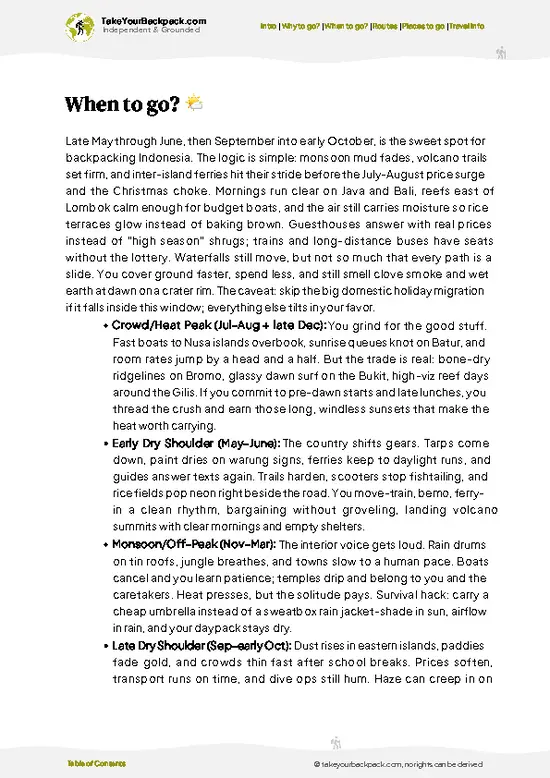
  • Topic: Weather – Bandung’s dry season from May to September offers the most reliable weather for backpackers. Expect minimal rain, making outdoor exploration and hiking comfortable. The wet season, November to March, brings heavy showers that can disrupt plans and muddy trails.

  • Topic: Temperature – Temperatures hover between 18-24°C (64-75°F) year-round, thanks to Bandung’s elevation. It’s cooler than most Indonesian cities, which means you won’t sweat buckets but should pack a light jacket for evenings, especially in the dry season.

  • Topic: Daylight Hours – Daylight remains fairly consistent, around 12 hours daily. Sunrise is roughly 6:00 AM, sunset near 6:00 PM, giving you ample time to explore without rushing.

  • Topic: Crowds – Peak tourist influx aligns with Indonesian school holidays
read more 👉

  • Topic: Weather – Bandung’s dry season from May to September offers the most reliable weather for backpackers. Expect minimal rain, making outdoor exploration and hiking comfortable. The wet season, November to March, brings heavy showers that can disrupt plans and muddy trails.

  • Topic: Temperature – Temperatures hover between 18-24°C (64-75°F) year-round, thanks to Bandung’s elevation. It’s cooler than most Indonesian cities, which means you won’t sweat buckets but should pack a light jacket for evenings, especially in the dry season.

  • Topic: Daylight Hours – Daylight remains fairly consistent, around 12 hours daily. Sunrise is roughly 6:00 AM, sunset near 6:00 PM, giving you ample time to explore without rushing.

  • Topic: Crowds – Peak tourist influx aligns with Indonesian school holidays and weekends, especially July and August. Visiting midweek during the dry season helps you dodge crowds and score better deals.

  • Topic: Seasonal Activities – The dry season is prime for outdoor activities like hiking Tangkuban Perahu volcano or visiting tea plantations. The wet season limits these but offers lush greenery and fewer tourists if you don’t mind the rain.

  • Topic: Price Fluctuations – Accommodation and transport prices spike during the dry season and local holidays. Traveling just before or after these peaks can save you money without sacrificing weather quality.


Pro-tip: Aim for late April or early October—shoulder months that balance pleasant weather, fewer crowds, and better prices. It’s the sweet spot where you outsmart the system and enjoy Bandung on your terms.


source: climatestotravel.comJANJanuary: fair for travelingFEBFebruary: fair for travelingMARMarch: fair for travelingAPRApril: highly recommended for travelingMAYMay: excellent for travelingJUNJune: excellent for travelingJULJuly: highly recommended for travelingAUGAugust: highly recommended for travelingSEPSeptember: excellent for travelingOCTOctober: highly recommended for travelingNOVNovember: fair for travelingDECDecember: fair for traveling
when-to-go

✈️ The backpacker research shortcutIndonesia Travel Guide

An offline-friendly backpacking guide with optimized travel routes, ranked highlights, transport advice, and the best areas to stay.
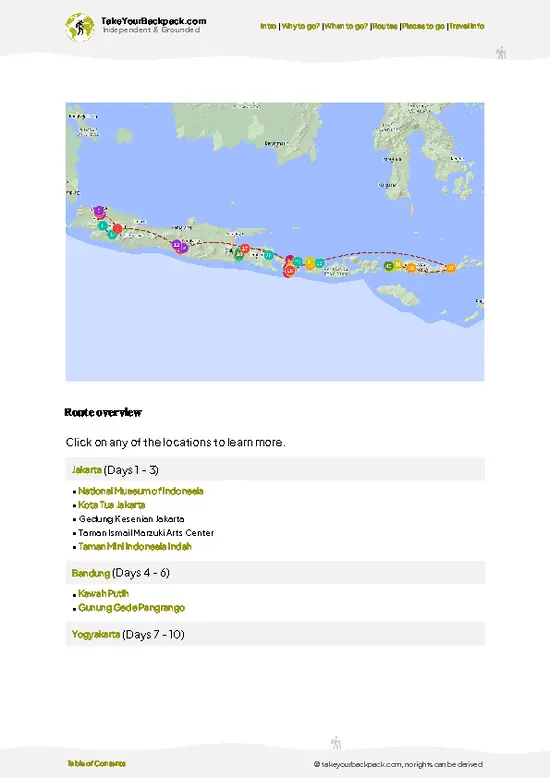
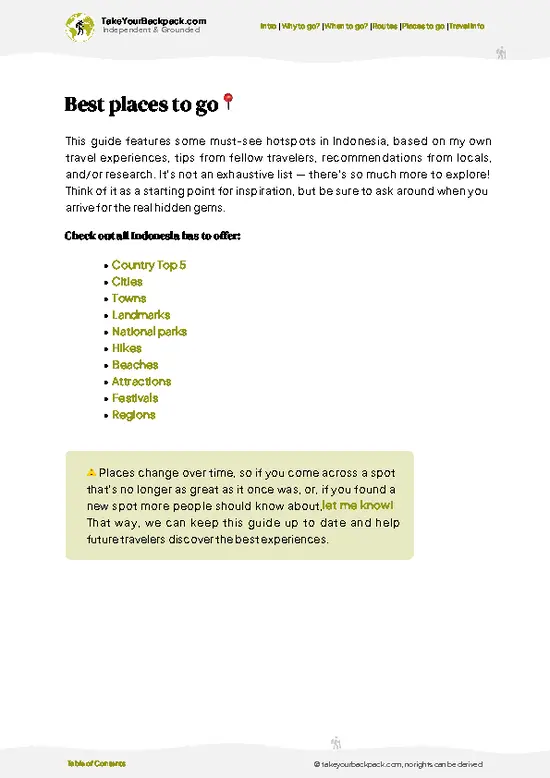
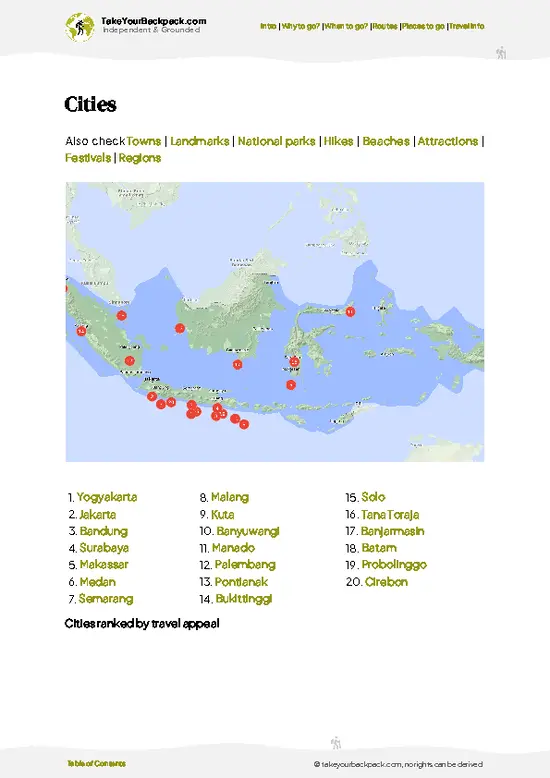
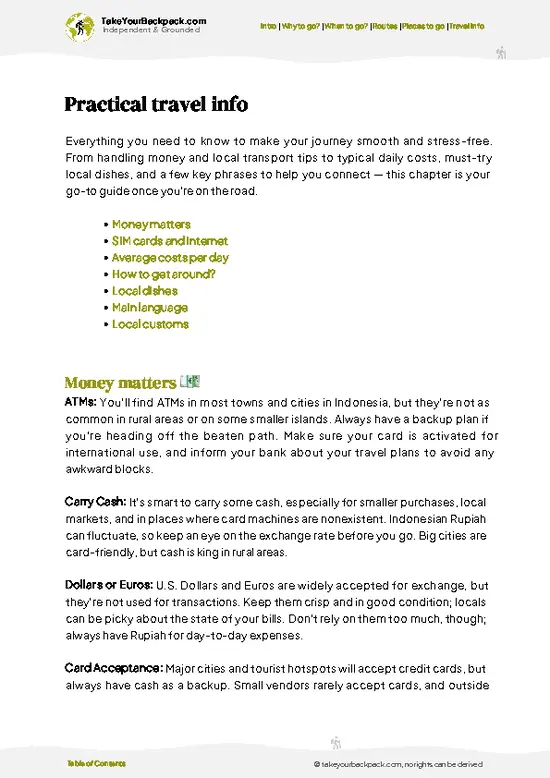
example page 0 from our offline Travel Guide for Indonesiaexample page 1 from our offline Travel Guide for Indonesiaexample page 2 from our offline Travel Guide for Indonesiaexample page 3 from our offline Travel Guide for Indonesiaexample page 4 from our offline Travel Guide for Indonesiaexample page 5 from our offline Travel Guide for Indonesiaexample page 6 from our offline Travel Guide for Indonesiaexample page 7 from our offline Travel Guide for Indonesia
The digital guide (550 pages) contains:
155 highlights, ranked by travel appeal
Optimized 14, 21 & 30-day travel routes
Cities, national parks, landmarks, beaches
How to get around
Offline-friendly for travel without Wi-Fi
👉 Click to see all 30+ guide features

📅 Plan smarter in minutes, not weeks
Month by month travel advice
Festivals & national holidays
Budget expectations

🗺️ Go to the right places, skip the overrated ones
Honest pros & cons of destinations
Top hikes, parks & viewpoints
Lesser-known places most travelers miss
Clear “worth it vs skip it” guidance

🛏️ Travel smoothly without rookie mistakes
Best areas to stay
Transport systems explained simply
Common scams & safety advice
SIM cards, money & practical tips

🌍 Understand the country, not just visit it
Culture & traditions
52 Essential phrases & customs
Festivals worth planning around
Traveler-friendly historical context
Insights that make places more meaningful

📱 Built for real travel conditions
Fully downloadable PDF
Works completely offline
Optimized for phone use
Useful in remote areas & buses
Everything in one place
Save weeks of stressful planning
Get instant access to your full guide. 30‑day money-back guarantee.


By proceeding you agree to our terms.
Sent to your inbox immediately after payment • 100% Secure Checkout
Best Backpacking Travel Advisor 2025 tourism awardBest Backpacking
Travel Advisor
2025
What others say about Take Your Backpack Guides:
⭐⭐⭐⭐⭐
Fantastic, amazing amount of information!
⭐⭐⭐⭐⭐
My goodness this is amazing, it's what I've been looking for hats off too you!
⭐⭐⭐⭐⭐
I think this is absolutely BRILLIANT
⭐⭐⭐⭐
Very complete and informative. It's still missing places, but I gotta to commend you
⭐⭐⭐⭐⭐
This is truly amazing, thank you, can't wait to explore it with my kids!
⭐⭐⭐⭐⭐
Awesome resource, thank you!
⭐⭐⭐⭐⭐
This is amazing! Can't wait to explore the ones I haven't seen
⭐⭐⭐⭐
I love this! Well done, great idea.
⭐⭐⭐⭐⭐
Thanks for taking the time to make this gem!
⭐⭐⭐⭐⭐
This might be the best website I've ever seen.
⭐⭐⭐⭐⭐
Congratulations, and thank you so much for your work; it's incredibly valuable.
⭐⭐⭐⭐
In all seriousness I think you did a great job pointing out the important spots
⭐⭐⭐⭐⭐
10/10 very good
⭐⭐⭐⭐⭐
As someone who's only just starting to visit regularly this is awesome, thank you.
⭐⭐⭐⭐
Thank you very much! I'm going to visit my dad, it's going to be very useful!
⭐⭐⭐⭐⭐
This is really cool! We'll be travelling for the first time and this definitely come in handy.
⭐⭐⭐⭐⭐
You are now our minister of culture, congratulations 👨‍💼
⭐⭐⭐⭐⭐
Just wanted to tell you that this is a pearl! Going to follow your recommendations.
⭐⭐⭐⭐⭐
This is so cool. I'll definitely be using the resource for my travels soon.
⭐⭐⭐⭐⭐
This is very impressive! Good work.
⭐⭐⭐⭐⭐
This is an amazing and informative site. Very well done!

🛏️ Where to stay?Where staying makes the most sense

Bandung’s backpacker sweet spot is the area around Jalan Cihampelas and Jalan Dago. This zone nails the balance between safety, social buzz, and budget-friendly options. Jalan Cihampelas is a magnet for solo travelers and groups alike, thanks to its lively street markets and affordable eateries that keep your wallet intact without sacrificing local flavor. Hostels here cluster close enough to each other to create a natural social hub, making it easy to meet fellow travelers without hunting down a party.

Jalan Dago, slightly more upscale but still wallet-conscious, offers a quieter vibe with leafy … read more 👉
Bandung’s backpacker sweet spot is the area around Jalan Cihampelas and Jalan Dago. This zone nails the balance between safety, social buzz, and budget-friendly options. Jalan Cihampelas is a magnet for solo travelers and groups alike, thanks to its lively street markets and affordable eateries that keep your wallet intact without sacrificing local flavor. Hostels here cluster close enough to each other to create a natural social hub, making it easy to meet fellow travelers without hunting down a party.

Jalan Dago, slightly more upscale but still wallet-conscious, offers a quieter vibe with leafy streets and cafes where you can recharge after a day of exploring. It’s safe, walkable, and has enough hostels to keep the backpacker crowd engaged but not overwhelmed. Compared to the chaotic city center, these neighborhoods feel more manageable and less touristy, which means you get a more authentic Bandung experience without the hassle.

Avoid the outskirts or purely residential zones—they’re cheaper but isolate you from the pulse of the city and the backpacker community. Staying in Cihampelas or Dago means you’re trading a bit of splurge for convenience and connection, which is the real currency for a memorable trip here.

🚌 Getting aroundTransportation options and practical tips

Bandung moves at its own rhythm—a blend of structured hustle and spontaneous bursts of energy. It’s not a city where you can always rely on strict timetables; instead, it’s a dance between waiting and seizing the moment. The traffic flows like a living organism, sometimes predictable, often chaotic, but always pulsating with life. Understanding this flow means you’re not just a passenger—you’re a player in the game, choosing when to save time, when to save money, and when to grab a bit of comfort.


  • Walking: The ultimate budget option and the best way to soak in Bandung’s street life. Free, obviously, but expect slower travel and some uphill stretches if you’re heading toward the city’s cooler highlands. Perfect for short distances and spontaneous detours.


  • Angkot (Public Minibus): The
read more 👉
Bandung moves at its own rhythm—a blend of structured hustle and spontaneous bursts of energy. It’s not a city where you can always rely on strict timetables; instead, it’s a dance between waiting and seizing the moment. The traffic flows like a living organism, sometimes predictable, often chaotic, but always pulsating with life. Understanding this flow means you’re not just a passenger—you’re a player in the game, choosing when to save time, when to save money, and when to grab a bit of comfort.


  • Walking: The ultimate budget option and the best way to soak in Bandung’s street life. Free, obviously, but expect slower travel and some uphill stretches if you’re heading toward the city’s cooler highlands. Perfect for short distances and spontaneous detours.


  • Angkot (Public Minibus): The backbone of Bandung’s budget transit. Runs roughly from 6 AM to 9 PM, fares hover around 3,000–5,000 IDR (about 20–35 cents). It’s slow and packed, but you get a front-row seat to local life. Routes can be confusing at first, so patience and a bit of local intel pay off.


  • Trans Metro Bandung (Bus Rapid Transit): Scheduled and more reliable than angkots, operating from 5:30 AM to 9 PM. Tickets cost about 5,000 IDR. Faster and more comfortable, with air conditioning and fixed stops. Ideal if you want a balance between speed and budget without the chaos of angkots.


  • Ojek (Motorcycle Taxi): When time is tight but cash is limited, ojeks are your go-to. Available 24/7, prices vary but expect around 10,000–20,000 IDR for short rides. They weave through traffic like ninjas, shaving minutes off your commute. Comfort is minimal, but the speed gain is undeniable.


  • Ride-Hailing Apps (Gojek, Grab): The modern wildcard. Prices fluctuate with demand but generally start around 15,000 IDR. Offers the comfort of a private ride with the convenience of cashless payment. Great for late nights or when you want to avoid the unpredictability of public transit, though it’s the priciest option on this list.


Each mode is a strategic choice: walk to save money and immerse yourself, hop on an angkot for the authentic local grind, grab a Trans Metro bus for efficiency, or call an ojek or ride-hailing service when time is your currency. Mastering these trade-offs means you’re not just surviving Bandung’s transit—you’re winning it.

👛 Costs (as of 20 December 2024)How expensive it really is

Bandung’s backpacking costs strike a balance between affordability and comfort, but knowing where your money goes lets you play the system smartly.
  • Dorm Accommodation (High Season): Expect to pay around $7-$12 per night in popular hostels during peak travel months. These spots often fill fast, so prices reflect demand and convenience.
  • Dorm Accommodation (Off-Season): Drop to about $4-$7 per night when the crowds thin out. Off-season rates can be a steal if you’re flexible with timing.
  • Meals: Street food and warungs serve up hearty meals for $1.50-$3 each. If you opt for a mix of local eateries and occasional café treats, budget around $6-$10 daily.
  • Local Transport: Angkot minibuses and motorbike taxis dominate short trips, costing roughly $0.30-$1 per ride. It’s cheap but requires a bit
read more 👉
Bandung’s backpacking costs strike a balance between affordability and comfort, but knowing where your money goes lets you play the system smartly.
  • Dorm Accommodation (High Season): Expect to pay around $7-$12 per night in popular hostels during peak travel months. These spots often fill fast, so prices reflect demand and convenience.
  • Dorm Accommodation (Off-Season): Drop to about $4-$7 per night when the crowds thin out. Off-season rates can be a steal if you’re flexible with timing.
  • Meals: Street food and warungs serve up hearty meals for $1.50-$3 each. If you opt for a mix of local eateries and occasional café treats, budget around $6-$10 daily.
  • Local Transport: Angkot minibuses and motorbike taxis dominate short trips, costing roughly $0.30-$1 per ride. It’s cheap but requires a bit of local savvy to navigate routes efficiently.
  • City Transport Pass: Bandung doesn’t have a unified city transport pass like bigger metros. Instead, budget $2-$4 daily if you rely on multiple angkot rides or occasional ride-hailing apps for convenience.
  • Basic Activities/Entry Fees: Museums, parks, and cultural sites typically charge $1-$3. Some natural attractions might be slightly higher but rarely exceed $5.
  • Miscellaneous Expenses: Think bottled water, snacks, phone credit, or a coffee here and there—set aside about $2-$5 daily to cover these small but essential extras.

Summing it up, a savvy backpacker in Bandung can expect to spend between $15 and $30 per day, depending on season and lifestyle choices. This range gives you room to stretch for comfort or tighten the belt without sacrificing the experience. Knowing these trade-offs lets you decide where to splurge and where to save, making your trip both memorable and smart.


source: indonesia.travel
⚠️ Prices can change and everyone travels differently, so take this as a rough guide. Hope it helps you plan your adventure!

🚌 Day tripsShort trips worth adding

Bandung is a fantastic launchpad for day trips that blend adventure with cultural immersion. Here are some standout options that will enrich your experience without breaking the bank.

Tangkuban Perahu
Just a 1.5-hour ride from Bandung, Tangkuban Perahu is a must-see for its dramatic volcanic landscape. You can hike around the crater, take in the sulfuric steam, and even dip into hot springs nearby. The entrance fee is around IDR 50,000, and if you’re feeling adventurous, consider hiring a local guide for deeper insights into the geology and folklore. The best time to visit is early in the morning to avoid the crowds and catch the sunrise. A common mistake is underestimating the temperature; it can get chilly up there, so pack a light jacket.


Kawah Putih
About two hours from Bandung, … read more 👉
Bandung is a fantastic launchpad for day trips that blend adventure with cultural immersion. Here are some standout options that will enrich your experience without breaking the bank.

Tangkuban Perahu
Just a 1.5-hour ride from Bandung, Tangkuban Perahu is a must-see for its dramatic volcanic landscape. You can hike around the crater, take in the sulfuric steam, and even dip into hot springs nearby. The entrance fee is around IDR 50,000, and if you’re feeling adventurous, consider hiring a local guide for deeper insights into the geology and folklore. The best time to visit is early in the morning to avoid the crowds and catch the sunrise. A common mistake is underestimating the temperature; it can get chilly up there, so pack a light jacket.


Kawah Putih
About two hours from Bandung, Kawah Putih is a stunning crater lake with surreal turquoise waters. The journey is half the fun, winding through lush tea plantations. Entry is about IDR 20,000, and you can easily spend a few hours soaking in the otherworldly scenery. The best time to go is during the dry season, from May to September. Many first-timers forget to check the weather; it can be foggy, which might obscure the views. Plan accordingly!
👉 Explore Kawah Putih

Ciwidey
This area, roughly two hours from Bandung, offers a mix of natural beauty and local culture. You can visit the hot springs, explore strawberry farms, or hike through the scenic hills. Costs are low—around IDR 30,000 for hot springs entry—and you can grab fresh strawberries for a snack. The ideal time to visit is during the dry season, but be wary of weekends; it can get crowded. A common pitfall is not budgeting enough time to explore; there’s a lot to see!


Sukabumi
A bit further out, about two and a half hours from Bandung, Sukabumi is perfect for those seeking adventure. You can go river rafting on the Citarik River or trek in the nearby national park. Expect to spend around IDR 150,000 for rafting, which is a thrilling experience. The dry season is best for water activities. First-timers often overlook the need for a waterproof bag; you will get splashed!


Lembang
Just a short 30-minute drive from Bandung, Lembang is a charming area filled with farms, cafes, and scenic views. You can visit the floating market, sample local delicacies, and enjoy the cooler climate. Costs are minimal—entry to the market is free, and food is affordable. The best time to visit is early morning or late afternoon to avoid the heat. Many newcomers miss the chance to try local snacks, so don’t skip the food stalls!
Want to know what more Indonesia offers?
The Indonesia Travel Guide describes 155 highlights, from cities to national parks, from beaches to hikes

Get the Travel Guide -

🍲 FoodEating & Drinking in Bandung

In Bandung, food is a vibrant tapestry of flavors that beckons every backpacker. Start with nasi goreng, a fragrant fried rice dish that’s a staple. It’s often served with a fried egg on top, and the smoky aroma will draw you in. Don’t miss batagor, fried fish dumplings served with a spicy peanut sauce that’s a local favorite.

Street food stalls are everywhere, especially in bustling markets. Grab a pisang goreng (fried banana) from a vendor; the crispy exterior gives way to sweet, warm fruit that’s pure bliss. For a refreshing drink, try bandrek, a spiced ginger beverage that warms you up after a day of exploring.

Dining here is casual and communal. You’ll often see locals sharing dishes, so don’t hesitate to join in. It’s customary to eat with your hands, especially when enjoying sambalread more 👉
In Bandung, food is a vibrant tapestry of flavors that beckons every backpacker. Start with nasi goreng, a fragrant fried rice dish that’s a staple. It’s often served with a fried egg on top, and the smoky aroma will draw you in. Don’t miss batagor, fried fish dumplings served with a spicy peanut sauce that’s a local favorite.

Street food stalls are everywhere, especially in bustling markets. Grab a pisang goreng (fried banana) from a vendor; the crispy exterior gives way to sweet, warm fruit that’s pure bliss. For a refreshing drink, try bandrek, a spiced ginger beverage that warms you up after a day of exploring.

Dining here is casual and communal. You’ll often see locals sharing dishes, so don’t hesitate to join in. It’s customary to eat with your hands, especially when enjoying sambal (spicy chili paste) with your meals. Just remember to use your right hand—it’s a sign of respect.

The café culture is also thriving, with cozy spots serving rich Indonesian coffee. Sip slowly; it’s not just about the drink, but the experience of connecting with fellow travelers and locals alike.

🛡️ SafetyScams, Hazards, and Annoyances

Bandung is generally safe for backpackers, but a few areas require extra awareness. Stick to well-lit streets in the city center at night, especially around the bustling Dago district. Solo travelers should avoid quiet alleys after dark; it’s all about staying in the flow of people.

Common scams are rare, but watch for taxi drivers who might try to negotiate a higher fare. Always use a ride-hailing app like Grab for transparency. Street vendors can be persistent, so a polite but firm “no, thank you” usually does the trick.

Annoyances can include traffic jams, especially during rush hour, which can eat into your plans. Embrace the chaos; it’s part of the experience. Carry yourself confidently, and don’t hesitate to ask locals for directions or recommendations. They’re often more than willing … read more 👉
Bandung is generally safe for backpackers, but a few areas require extra awareness. Stick to well-lit streets in the city center at night, especially around the bustling Dago district. Solo travelers should avoid quiet alleys after dark; it’s all about staying in the flow of people.

Common scams are rare, but watch for taxi drivers who might try to negotiate a higher fare. Always use a ride-hailing app like Grab for transparency. Street vendors can be persistent, so a polite but firm “no, thank you” usually does the trick.

Annoyances can include traffic jams, especially during rush hour, which can eat into your plans. Embrace the chaos; it’s part of the experience. Carry yourself confidently, and don’t hesitate to ask locals for directions or recommendations. They’re often more than willing to help. With a bit of awareness, you’ll navigate Bandung like a pro.

Other Indonesian cities near Bandung

Explore more nearby:

  • Bogor—botanical gardens, cool climate, rain city| 97 km away
  • Cirebon—coastal city, batik trade, palace complex| 105 km away
  • Jakarta—megacity, skyscrapers, street food| 119 km away

💡 Not sure where to go next?
Create a personalized itinerary for Indonesia including Bandung and the places that fit your trip.

Generate my itinerary

👉 Discover all cities

Or checkout all Indonesia has to offer (think cities, towns, villages, national parks, hikes, beaches, festivals)
Country photo of Indonesia

We 💚 feedbackSumming up the experience

Bandung is a treasure trove of culinary delights and vibrant street culture. You can dive into local flavors that’ll make your taste buds dance. But here’s the catch: the traffic can be a nightmare. Plan your outings wisely to avoid wasting precious time stuck in jams. Embrace the chaos, and you’ll find that the city’s charm is worth the hustle. Just be ready to navigate a bit of madness along the way!

✈️ When did I visit Indonesia?
As part of my 1.5 year travel around the world trip, I visited Indonesia twice (and it was worth it. First in September 2015 and a bit later again in January and February 2016.

✍️ Help improve this page!
The information on this page is based on my own backpacking experience in Indonesia, supplemented with up-to-date research and feedback from other travelers. Travel details can change, so if you notice anything outdated or incomplete, feel free to let me know.


🙋‍♂️ Give feedback

👋 Meet the founderWho’s Behind Take Your Backpack?

Johan, backpacker and founder of TakeYourBackpackHi, I’m Johan (Netherlands 🇳🇱), the creator of TakeYourBackpack. Over the past decade, I’ve backpacked through 80+ countries across six continents, gaining extensive experience with independent travel, long-term trips, and overland routes.

This site is built on a combination of firsthand travel experience and carefully curated insights from other backpackers. Many guides are based on places I’ve personally visited, while others bring together tips, observations, and practical advice shared by trusted travelers I’ve met along the way.

The goal is to provide realistic, experience-driven guidance — not generic itineraries — so you can explore destinations with better context, clearer expectations, and more confidence.

Get full Indonesia guide •
Instant download • 155 highlights • Full Offline guide